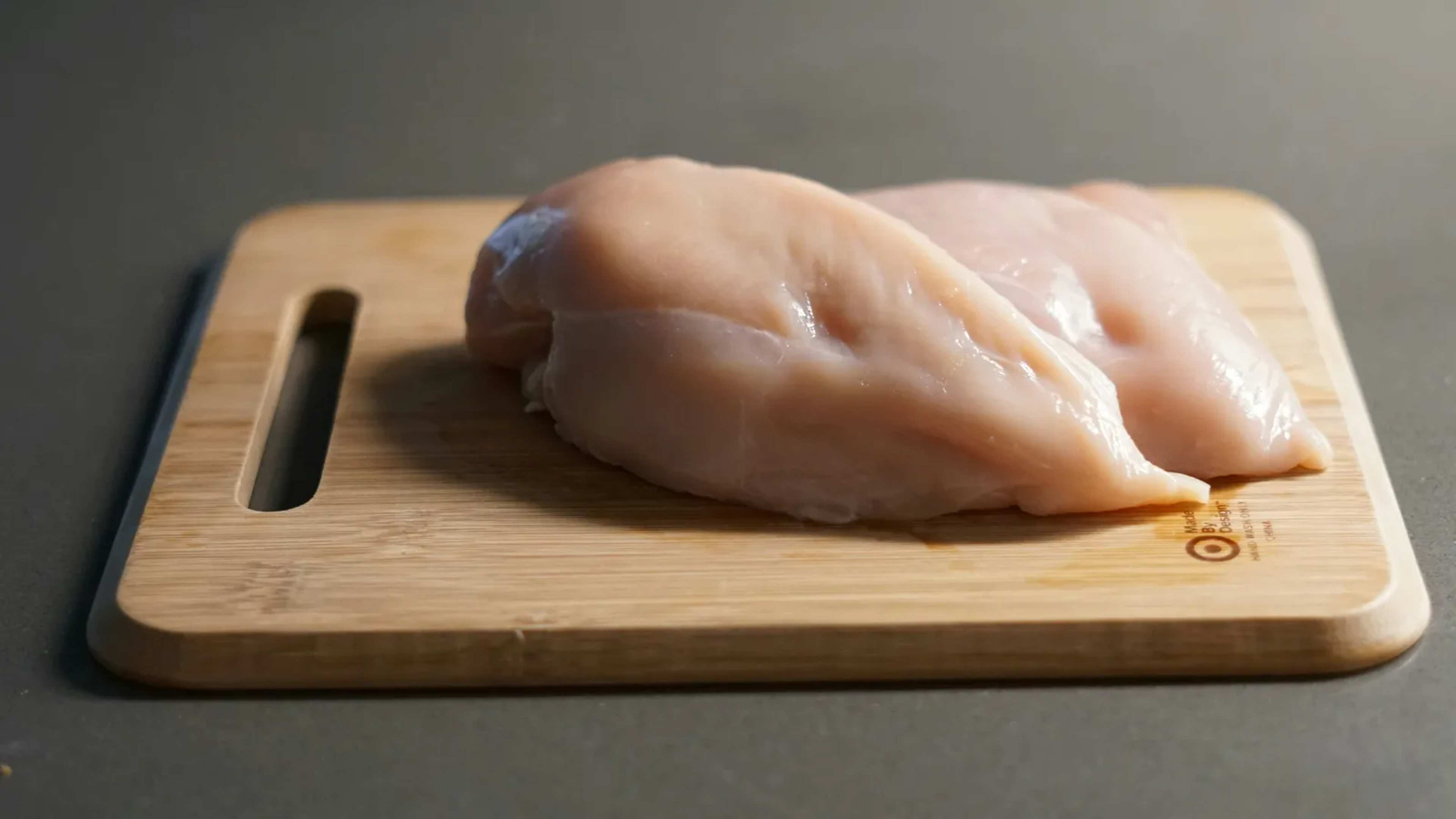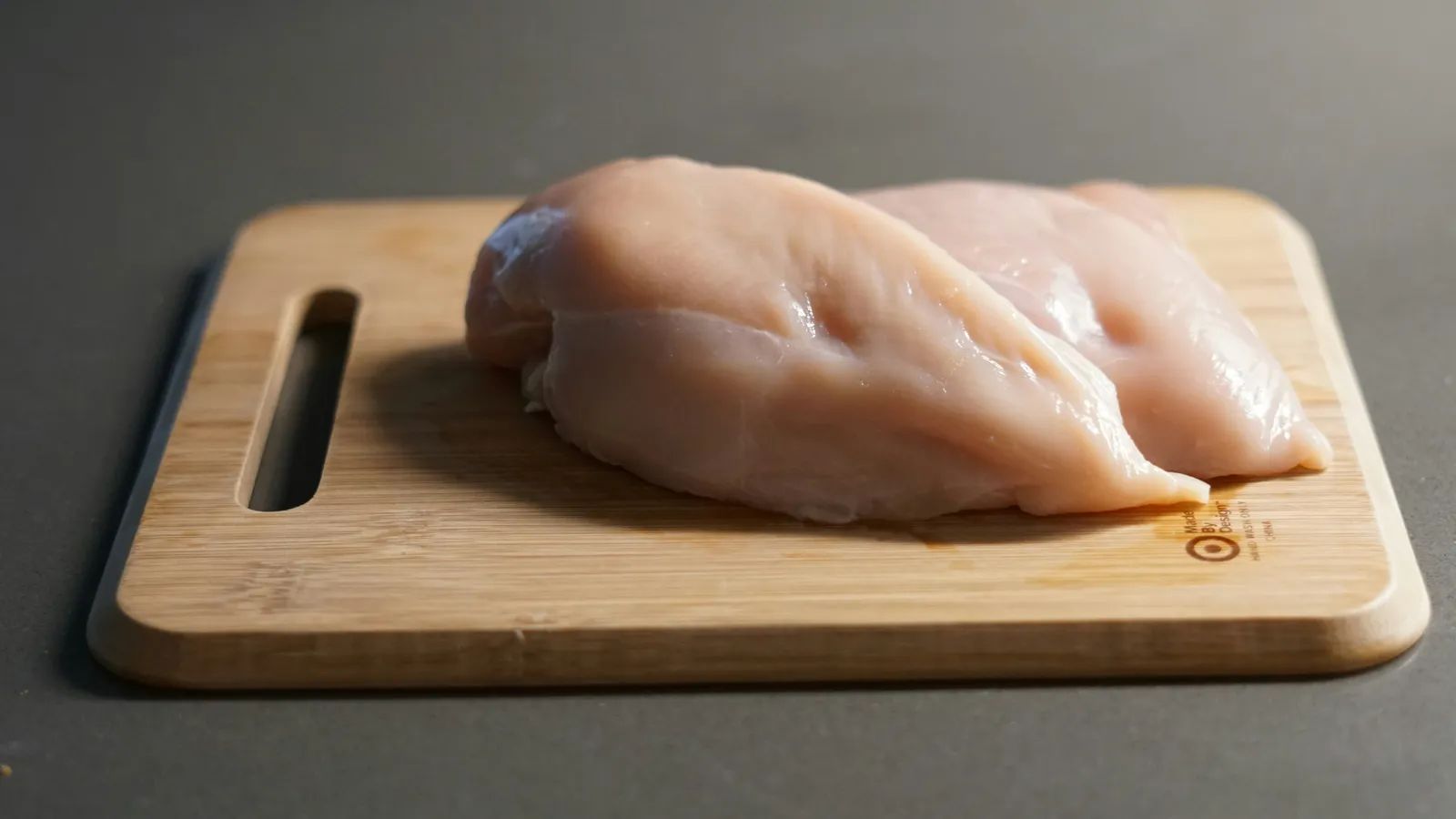
Raw chicken frequently carries bacteria that can multiply quickly once it leaves the cold chain. Health authorities note that roughly one in 25 packages at the store shows contamination, which makes prompt refrigeration and careful placement essential from the moment of purchase. The core guidance centers on a strict two-hour window at room temperature, or one hour when the air exceeds 90 degrees, after which the product should be discarded rather than saved. ([1])
Keeping the Product Cold From the Start
Food safety rules stress getting raw chicken into a refrigerator set at 40 degrees or below as soon as possible after purchase or preparation. Time spent in a warm car or on a countertop counts toward the limit, so planners often pack an insulated bag for longer trips home. A freestanding appliance thermometer helps confirm the unit stays in the safe range, because even brief spikes above 40 degrees can allow faster bacterial growth. Placement inside the refrigerator also matters. The product belongs on the bottom shelf inside a sealed container or wrapped securely so juices cannot drip onto ready-to-eat items such as produce or leftovers. Adding a second layer, such as a rimmed tray or lidded bin, contains any accidental leak and simplifies cleanup later.
Storage Times That Keep Quality and Safety in Mind
Guidelines from extension services and federal sources align on short refrigerator windows for raw poultry. Whole birds, pieces, and ground chicken each stay suitable for one to two days when held at the proper temperature. Planning around the shorter end of that range builds in a safety margin, especially since sell-by dates on packages reflect store display needs rather than home storage limits. A compact comparison shows the recommended windows for best quality:
| Chicken Type | Refrigerator (40°F or below) | Freezer (0°F or below) |
|---|---|---|
| Whole raw chicken | 1–2 days | 1 year |
| Raw chicken pieces | 1–2 days | 9 months |
| Raw ground chicken | 1–2 days | 3–4 months |
Cooked chicken, by contrast, lasts three to four days in the same refrigerator conditions. Freezer times listed above reflect quality rather than safety; food kept solidly at zero degrees remains safe longer, though texture and flavor may decline.
Freezing, Thawing, and Leak Response
Freezing at zero degrees or below halts bacterial growth, yet supermarket tray wrap often needs extra protection. Overwrapping with heavy-duty foil, freezer paper, or a zip-top bag reduces moisture loss and freezer burn during longer storage. Portioning family packs into meal-size amounts before freezing also prevents repeated thawing of unused portions. Thawing works best in the refrigerator, where a pound of boneless breasts typically needs a full day. Once thawed there, the chicken remains safe for another one to two days before cooking. Cold-water thawing requires a leak-proof bag and water changes every 30 minutes, followed by immediate cooking. Microwave thawing likewise demands prompt cooking, while countertop methods are never advised. If a package leaks during storage, transfer the chicken to a fresh sealed container on the bottom shelf and clean affected surfaces with hot soapy water followed by a food-contact sanitizer. Any ready-to-eat food touched by the juices should be discarded.
Cooking Temperature and Final Checks
Even properly stored chicken must reach an internal temperature of 165 degrees, verified with a food thermometer, because refrigeration slows but does not eliminate bacteria. Cooking from frozen is acceptable for some methods and simply requires about 50 percent more time. Leftovers should return to the refrigerator or freezer within the same two-hour (or one-hour above 90 degrees) window. The consistent message across sources is straightforward: keep raw chicken cold, contained, and on the lowest shelf, skip rinsing, and respect the clock. Following those steps reduces cross-contamination risks and supports safer meals without relying on guesswork.