The dream of retiring by the water doesn’t have to come with a six-figure price tag. Across the United States and beyond, a handful of coastal towns have quietly built reputations as havens for retirees who want ocean air, warm sunshine, and a full life – all without draining their savings. Retiring near the beach isn’t just a dream for the wealthy. Contrary to what you might think, there are numerous locations in the U.S. where you can live comfortably on a fixed income near the ocean. Whether your ideal version of retirement involves Gulf Coast sunsets, Caribbean reefs, or a laid-back Southern city with historic streets, the destinations below prove that $2,000 a month can go a very long way.
1. Pensacola, Florida – The Gulf Coast’s Budget-Friendly Gem
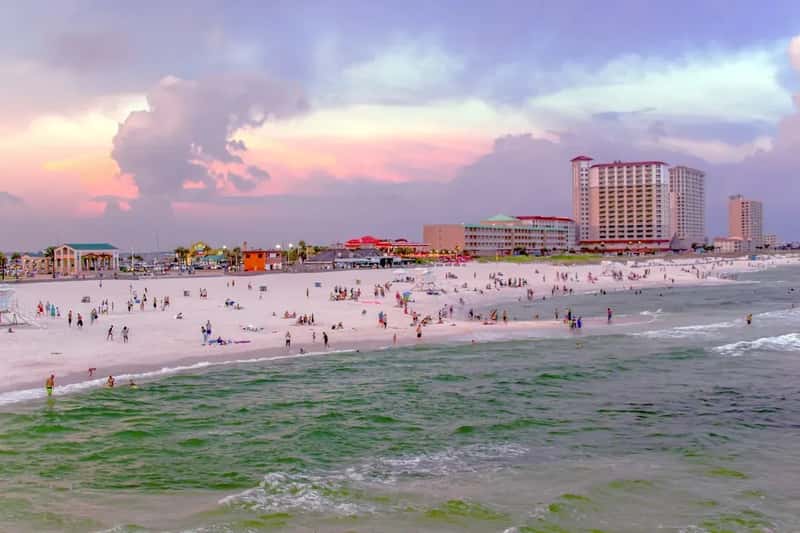
Florida already has a good name for being affordable, and Pensacola takes this low cost of living to another level. Life in the westernmost city in the Florida Panhandle is astonishingly cheap – around 11% lower than the state’s average and even less expensive compared to the national average by 13%. For retirees keeping a sharp eye on monthly expenses, that gap translates to real, tangible savings on groceries, healthcare, and housing. Pensacola’s housing expenses are 11% lower than the national average and utility prices are 6% lower than the national average.
The city is situated at the northwest tip of Florida, sitting along Pensacola Bay and the Gulf of Mexico – a town known for its stunning beach and affordable cost of living, which makes it one of the best coastal towns to retire to. On the healthcare side, things are even more impressive. With about 251 physicians per 100,000 residents in Pensacola, the city tops the national average of 210 per 100,000. Healthcare and living quality here are far better than the U.S. average, and it’s even less expensive – by 14% – to visit a medical professional or get the necessary care needed for optimum health. For active retirees, seniors who settle in Pensacola have plenty of ways to stay active, whether by hiking in Big Lagoon State Park or attending Bands on the Beach, a free outdoor concert series.
2. Corpus Christi, Texas – The Sparkling City by the Sea

Corpus Christi, Texas’s cost of living is 13% lower than the national average. For a retiree working with a $2,000 monthly budget, those savings compound quickly. The average monthly rent in Corpus Christi is $1,154, while home prices circle around $382,867 – numbers that stand in sharp contrast to pricier coastal markets elsewhere in the country. The cost of living in Corpus Christi is 12% lower than the national average, housing is 24% cheaper than the U.S. average, groceries are around 6% cheaper, and healthcare services cost 7% less compared to the U.S. average.
Corpus Christi is a popular retirement destination for many seniors. In 2019, 13.8% of the city’s residents were 65 years and over, and it has a SeniorScore of 78 – several points higher than the national average of 72, according to SeniorAdvice. Texas, like Florida, charges no state income tax, which means more of a retiree’s Social Security benefit stays in their pocket. Year-round residents and tourists can both enjoy activities like boating and windsurfing, visiting the Texas State Aquarium, and exploring North Padre Island – or kick back at one of the city’s many restaurants offering seafood, barbecue, or Mexican cuisine.
3. Venice, Florida – Small-Town Charm on the Gulf

Venice has long been popular with retirees seeking a peaceful coastal lifestyle, and the community genuinely appeals to all age groups. Year-round festivals bring the community together, celebrating everything from art to music to local culture. The town maintains numerous beautiful parks perfect for outdoor activities, and residents enjoy easy access to Sarasota’s renowned cultural attractions – including theaters, museums, and galleries – located just a short drive up the coast. It’s the kind of place where a retiree’s daily schedule fills itself naturally. Shark teeth and shells on the beach, canals winding through residential neighborhoods, and the small-town charm that’s hard to find in other Gulf coast cities can be enjoyed in Venice. These communities are significantly more affordable than their northern neighbor Naples, and residents love the peaceful way of life, the pretty strolls and sunsets possible on the beach or beside the canals.
The combination of small-town charm, Gulf Coast beaches, cultural amenities, and reasonable pricing makes Venice an outstanding choice for anyone seeking affordable Florida coastal living without compromising on quality of life. Florida’s zero state income tax is a consistent bonus across the Sunshine State. Not only does Florida have no state income tax – a major plus for those living on a fixed income – but it’s also home to some top-notch medical services, many festivals, and those beautiful beaches. For retirees who love the outdoors, pickleball and golf are available in nearly every area, and there’s always an opportunity for a long walk, a leisurely bike ride, or some simple sunset watching.
4. Gulfport, Mississippi – Understated, Affordable, and Right on the Water

The median home value in Gulfport is $132,700 and the median monthly mortgage is $1,152, which is far lower than what you’d expect to pay in more expensive beach communities on the East and West Coasts like San Diego and Cape Cod. That’s a figure that genuinely opens the door to $2,000-a-month coastal living. Playing poker and a round of roulette are great fun, but Biloxi – just minutes from Gulfport – also has one of Mississippi’s most beautiful beaches. Biloxi is home to the Hard Rock Hotel and Casino and the Beau Rivage Resort and Casino, but the region’s not all about casinos.
The broader Mississippi Gulf Coast region, centered on Gulfport, is consistently ranked among the most affordable coastal areas in the nation. Residents of the Pensacola and Gulf Coast region enjoy reasonably priced food and healthcare, making these beachside cities roughly 13% cheaper than the national average, with rent for a two-bedroom apartment running around $1,750. For retirees who want a beachfront lifestyle without the Florida price tag, Gulfport is an often-overlooked alternative with genuine charm, waterfront access, and a slower, more communal pace of life that many retirees find deeply appealing after years of the daily grind.
5. Savannah, Georgia – History, Culture, and Coastal Living

The coastal gem of Savannah, Georgia, is known for its rich cultural heritage, historic architecture, and distinctive Southern charm and hospitality. The city ranks in the top 100 on Niche’s “Best Cities to Retire in America” and is often listed alongside Myrtle Beach, SC, as one of the most affordable places to retire on the East Coast. Savannah isn’t just affordable – it’s genuinely beautiful in a way that few American cities can match. Savannah’s downtown is a National Historic Landmark District, notable for its variety of architectural styles and residential and commercial mix. Spanish moss drips from century-old oaks throughout Savannah’s 23 squares, famous destinations showcasing lush Southern gardens while honoring various historical figures.
Georgia also carries tax advantages for retirees. The state exempts a meaningful portion of retirement income from taxation, which helps seniors stretch their monthly budgets further. An affordable beach town in 2025 typically has median home prices below $400,000, with the most budget-friendly options ranging from the mid-$100,000s to low $300,000s. Many affordable beach towns are excellent for retirees, offering peaceful atmospheres, lower costs of living, outdoor recreational opportunities, and strong community connections. Savannah checks all of those boxes while adding a layer of cultural sophistication – with live music, waterfront dining, and world-class art institutions – that raises the quality of retirement life well above what the price tag might suggest.
6. Ambergris Caye, Belize – A Caribbean Island Retirement for Less

Ambergris Caye, Belize’s largest island, blends Caribbean charm with Belizean identity. A popular expat and retiree destination, it offers natural beauty, easy residency, and proximity to the world’s second-largest barrier reef. Though costlier than mainland Belize, it’s affordable by North American standards, with an active community life, diverse dining, and outdoor activities. For retirees willing to consider an international move, the numbers are compelling. Excluding rent, monthly expenses average $799 for a single person in Belize for 2025, making Belize an affordable option for retirement.
Settling into Belize is easy because it is an English-speaking country with an established expat community. The cost of living is cheaper than in the United States, and retirees can find private healthcare facilities that offer higher standards than the public sector. Belize also offers the Qualified Retirement Program (QRP), which provides significant financial incentives to foreign retirees. Belize increased the income tax exemption threshold to $29,000 annually starting in 2025, and now accepts a wider range of income sources for the QRP, including savings and reverse mortgages. On the island itself, the benefit of living on Ambergris Caye is that you’ll find more activities, amenities, and luxuries available than anywhere else in the country – the island boasts free live music and festivals, many of which are on the beach, as well as a sophisticated wine and cheese bar, several espresso cafés, yoga studios, and many fine restaurants and beach cafés.
The idea that a comfortable coastal retirement demands a high income is, at this point, simply outdated. Retiring abroad continues to be an attractive option for those looking to make the most of their money, without compromising on comfort or lifestyle. From the sugar-white sand beaches of Pensacola to the turquoise barrier reef waters off Ambergris Caye, each of these six coastal towns offers something the mainstream retirement conversation rarely acknowledges: that living well by the water, on around $2,000 a month, is not just possible – it’s being done every single day by thousands of retirees who made the move and never looked back.