Fast food is no longer just an American invention – it has become a global force reshaping how billions of people eat every day. In 2024, the fast food industry’s market value reached an impressive $957 billion, showcasing its immense scale and influence. Some countries have embraced this shift with open arms, turning drive-throughs and delivery apps into a daily ritual. Others, shaped by deep culinary traditions and cultural values, have kept the golden arches firmly at bay. The divide between those two worlds tells a much bigger story about food, economy, and the way modern life has reshaped our plates.
#1 – The United States: The Undisputed World Leader

It shouldn’t come as much of a surprise: the United States is the biggest fast food consumer in the world, and a study carried out by CEOWORLD magazine confirmed that the US ranks as the world’s most fast-food-obsessed country. The numbers behind that title are staggering. The United States leads in consumption, with individuals indulging one to three times per week, contributing to an annual expenditure of $160 billion, with 37% of American adults consuming fast food daily and 83% of households doing so weekly. That means roughly four out of five American families are passing through a drive-through at least once every seven days.
As of June 2024, America’s fast food industry was worth around $331.4 billion – a little over one-third of the global fast food market. The infrastructure that supports this appetite is equally massive. In the United States, over 84 million people consume fast food daily, supported by a network of more than 200,000 fast food outlets. Drive-thru culture is so deeply integrated that up to 70% of fast food sales come from car service windows. The car and the burger, it seems, were made for each other in America.
#2 – France: The Surprising European Giant

France might be the last country you’d expect to appear near the top of this list. The land of cassoulet, baguettes, and fine dining has a complex relationship with fast food – one that has quietly and steadily grown into something enormous. France ranks second in the list of top countries with the highest number of fast food consumers in the world. More than half of French households regularly enjoy fast food, which is a remarkable figure for a country that built its international identity on slow, deliberate dining.
In 2021, the fast food market in France generated approximately $32.7 billion in revenue and is projected to reach $45.1 billion by 2028, growing at a compound annual growth rate of 4.7%. McDonald’s, affectionately known as “McDo” in France, leads the market with 1,560 outlets nationwide, and in 2026 the company plans to open 50 new restaurants, primarily targeting rural areas, with the ambitious goal of ensuring every French resident has a McDonald’s within a 20-minute drive. Fast food captured a 55% market share of the French foodservice sector in 2023, officially overtaking traditional restaurant dining for the first time.
#3 – China: Asia’s Fast Food Powerhouse
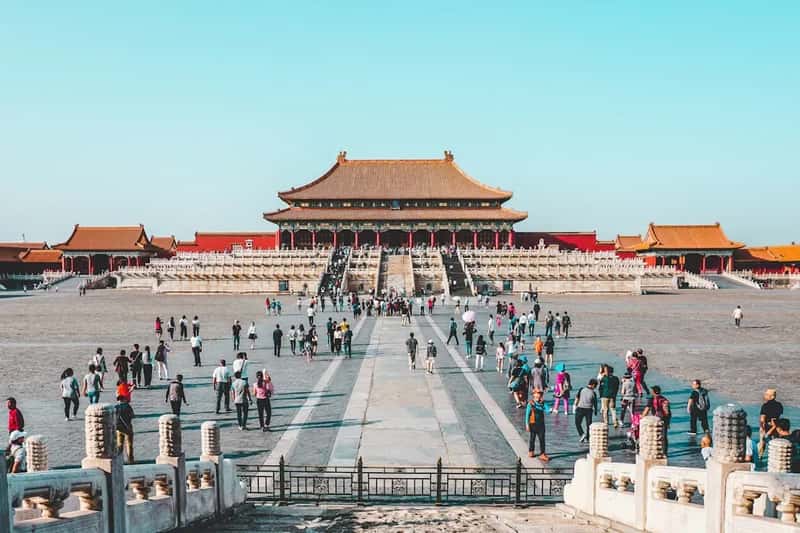
China’s rise as a fast food nation is driven by one of the fastest urbanization stories the world has ever seen. China’s fast food consumption is remarkably high, with 97% of the population partaking and 41% eating fast food at least once a week, driven by busy lifestyles. That near-universal participation rate is arguably the most extraordinary statistic in global fast food data. No other country comes close to that level of population-wide engagement with quick-service food.
China also ranks among the countries that consume the most fast food, generating significant revenue in Asian fast food markets. A growing middle class and rising disposable incomes continue to fuel a fast food boom in China, with international chains thriving alongside a booming domestic fast food brand scene. The country is no longer just importing Western fast food concepts – it is now producing its own homegrown quick-service chains that compete at scale. The Chinese fast food industry generated $162.2 billion in 2021, cementing its position as the dominant force in Asian food markets.
#4 – Pakistan: One of the Lowest Rates of Western Fast Food Consumption
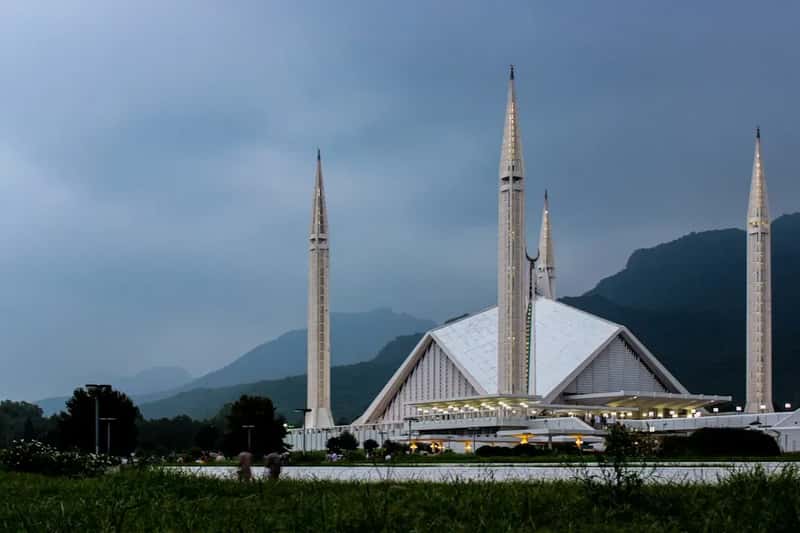
Pakistan presents a striking contrast to the three countries above. According to data from a multi-country study published in peer-reviewed research, the prevalence of fast food consumption for four to seven days per week was lowest in Pakistan at just 1.5%, with Pakistan also having the lowest mean frequency of fast food consumption at 1.35 times per week. That is an almost negligible rate compared to the United States or China. Home-cooked meals, deeply rooted culinary traditions, and economic constraints all play a role in keeping fast food consumption low.
It’s worth noting that Pakistan’s relationship with fast food is shifting, particularly in urban centers. Research on young consumers in South Asia found that home food remains the first choice, with people feeling that homemade food is much better than food served at fast food outlets. That cultural attachment to home cooking is a meaningful barrier to fast food expansion. These patterns reveal something profound about how cultural values and traditions can resist the global fast food wave, and it appears that countries with strong home-cooking traditions and deeply rooted food cultures manage to keep the golden arches at bay better than others.
#5 – India: Home Cooking Still Dominates Despite a Growing Market

India is a country of contrasts when it comes to fast food. On one hand, its organized fast food market is growing fast. The quick-service restaurant market in India was valued at about $25.46 billion in 2024 and is forecasted to reach $38.7 billion by 2029. On the other hand, per-capita fast food consumption remains comparatively low when stacked against the top consumers. Roadside eateries, dhabas, and food stalls – traditional fast food formats – form a major part of the unorganized sector, meaning that many Indians who do eat quickly prefer local, informal options over branded international chains.
Research on Indian young consumers found that they have a passion for visiting fast food outlets for fun and a change of pace, but home food remains their first choice, with the general view that homemade food is much better than food served at fast food outlets. That sentiment runs deep across generations. The young demographic of India, with a significant portion of the population under the age of 30, is more inclined toward convenience food options – and the increasing penetration of international fast food chains has introduced new flavors and dining experiences appealing to adventurous palates. Still, for now, the kitchen at home holds more authority than any drive-through window.