Florida has always represented sunny dreams and coastal living for countless Americans. The idea of owning a piece of paradise attracts families, retirees, and investors from every corner of the country. Yet something is shifting beneath the surface. While certain parts of the Sunshine State continue to thrive, not every suburb offers a safe bet for the years ahead. Rising insurance costs, flood risk, and market corrections have transformed once-hot areas into cautionary tales for anyone considering a real estate purchase.
Real estate professionals are now raising red flags about specific suburbs where the combination of financial pressures and environmental challenges could squeeze homeowners for the next five years. This isn’t about avoiding Florida altogether. It’s about recognizing which areas face the toughest headwinds ahead.
Miami Gardens: Where Flood Risk Meets Affordability Concerns
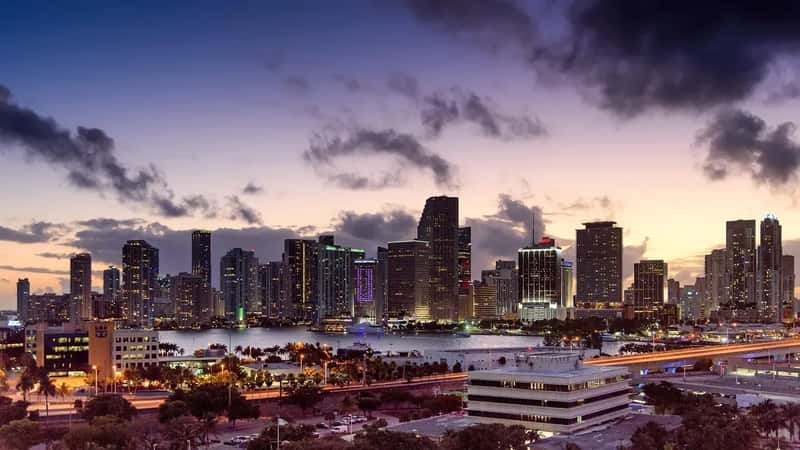
Miami Gardens sits in northern Miami-Dade County, and real estate agents now single out Miami Gardens as one of the worst Florida suburbs to buy in over the next five years. Chelsea Werner, a global real estate advisor at ONE Sotheby’s, recommends avoiding inland suburbs that have low elevation and are susceptible to flooding like Miami Gardens and Miami Lakes. These neighboring suburbs might be away from the beach, but their low-lying areas can still end up underwater when heavy rains hit during Florida’s rainy season.
While housing prices dipped slightly in parts of the state, Miami Gardens did not reset enough to offset higher taxes, maintenance and sky-high insurance costs, especially for older single-family homes that may not meet the latest wind and flood standards. Let’s be real, this matters tremendously when you’re planning to stay put for five or more years. For a typical buyer hoping to stay put for at least five years, that combination means a real risk of flat or negative equity, limited buyer pools when it is time to sell, and the possibility that future flood-zone remapping or insurance issues could arise.
Cape Coral: A Market in Steep Decline
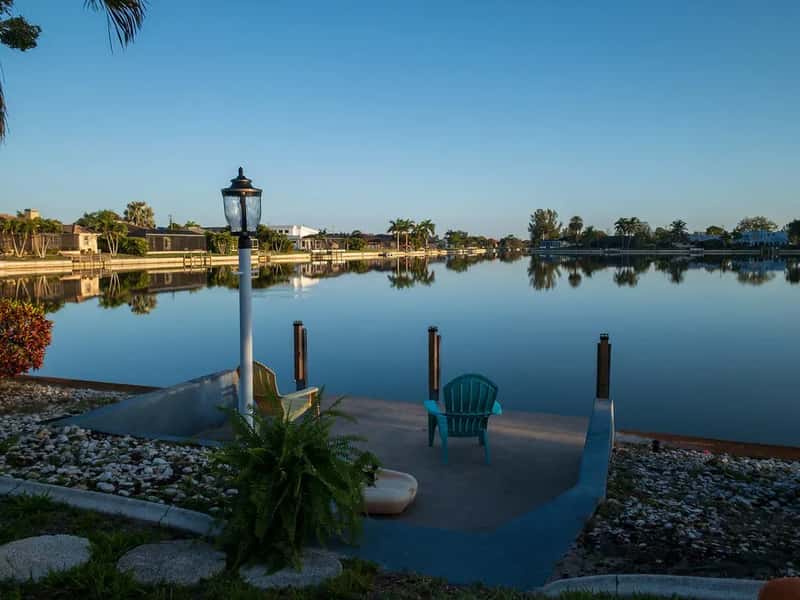
Cape Coral, on Florida’s Gulf Coast, is the third suburb that experts consistently advise buyers to avoid over the next five years, with analysts identifying Cape Coral as one of the Florida cities where home prices are on track to plummet. Here’s the thing: the numbers tell a sobering story. The typical single-family home in Cape Coral sold for nearly 7% less in August 2025 compared to the previous year, and compared to the pandemic boom era of August 2022, the median home sales price has dropped by over 13%.
The Wall Street Journal named Cape Coral as the worst housing market in America, reporting that 8% of homeowners were underwater and that home prices have declined for 12 of the past 13 months. That’s not just a bad quarter. That’s a sustained correction. ATTOM data from Q3 2025 showed Cape Coral having one of the highest foreclosure rates among major metros. Cape Coral’s heavy concentration of single-family homes bought at peak prices looks particularly fragile, especially when you factor in that hurricane zones and flood plains can inflate insurance costs by roughly six thousand to nine thousand dollars annually.
Miami Lakes: The Overlooked Risk Zone

Miami Lakes represents another suburb that agents specifically warn against. Chelsea Werner advises avoiding inland suburbs that have low elevation and are susceptible to flooding like Miami Gardens and Miami Lakes. Though it may seem counterintuitive that inland areas face significant flood risk, their low-lying areas can still end up underwater when heavy rains hit fairly often in Florida during the rainy season.
About 138,800 additional structures across Miami-Dade, Broward, and Palm Beach counties moved into high-risk zones under new FEMA mapping. This expansion of flood zones directly impacts insurance requirements and costs. When lenders require flood insurance for properties in special flood hazard areas, the added expense can push total housing costs beyond what many buyers anticipated. Honestly, it’s hard to say for sure how much worse it might get, but the pattern shows escalating vulnerability.
What makes Miami Lakes particularly concerning is the convergence of multiple risk factors over the next five years. Beyond flood exposure, the broader insurance crisis in Florida adds tremendous pressure. Florida property insurance rates have skyrocketed to unprecedented levels, with the average premium reaching roughly three thousand dollars this year, a shocking increase from earlier periods. The combination of elevated insurance costs and potential flood-zone remapping creates a scenario where buyers could find themselves trapped with declining property values and rising ownership expenses.
What do you think about these risk zones? Have you considered how insurance and climate factors might reshape Florida real estate decisions?