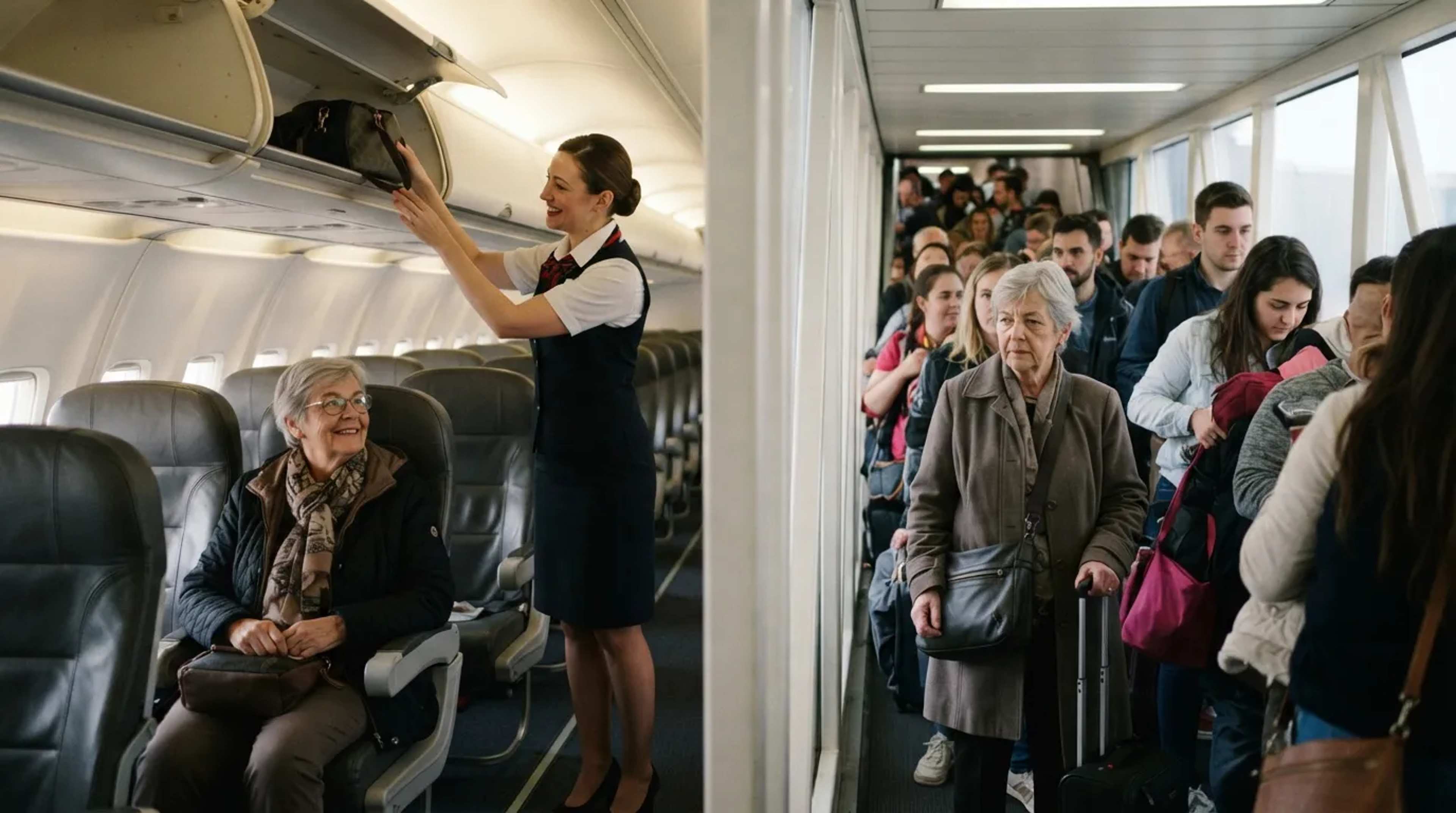
Education is one of the sharpest dividing lines in the modern world. On one side, nations have built systems so thorough that nearly every adult can read, write, and hold a university degree. On the other, entire generations grow up without ever setting foot inside a classroom. The gulf between these two realities is enormous, and it shapes everything from economic opportunity to life expectancy. Drawing on the latest data from UNESCO, the OECD’s Education at a Glance 2025 report, and the United Nations’ 2025 Human Development Index, this gallery explores nine countries that sit at the very extremes of global education.
1. Chad – The World’s Lowest Literacy Rate
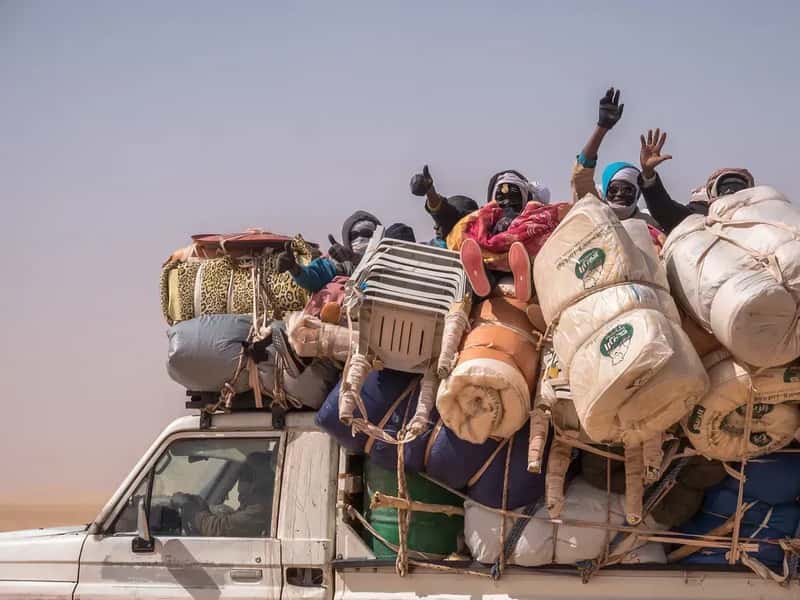
Chad has the lowest literacy rate in the world at just 26.76%, showing how war and poverty can block education at every level. With roughly 42% of its population living below the poverty line, Chad struggles to allocate sufficient resources to education, and government expenditure on education accounts for just 2.6% of GDP – far below the global average. UNESCO reports that about 75% of students in Chad are taught by teachers without education beyond the secondary level, partly due to the country’s limited access to higher education, professional training, and technical education.
The country has also received over 600,000 refugee children from Nigeria, the Central African Republic, and Sudan, which has further overwhelmed the school system – so much so that only about 20% of students who complete their primary education have a solid foundation in reading and math. The gender gap in Chad is particularly alarming: adult female literacy stands at just 13.96%, compared to 31.33% for males, a disparity that severely limits opportunities for women in socio-economic development. Armed groups across the central Sahel, including parts of Chad, have burned schools and threatened teachers, compounding an already desperate situation.
2. Mali – Political Instability Erasing Progress
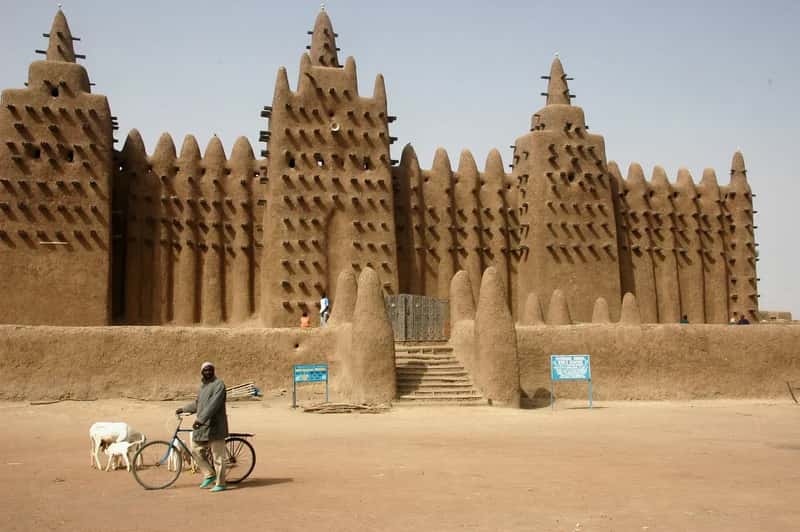
Mali follows Chad with a literacy rate of 30.76%, where political instability and economic hardship prevent many children from attending school. Although Mali has seen some improvements over the past decade, more than two million children of school age still do not attend school, and the dropout rate is extremely high, largely due to poverty, child marriage, child labor, insecurity, and a shortage of schools near children’s homes. Mali’s per capita education spending is less than $10 annually, according to the U.S. Agency for International Development, severely limiting access to schools and learning materials.
Those who do attend school face challenges such as a lack of qualified teachers and a low-quality educational environment, resulting in the majority of students completing fifth grade without being able to master basic reading and math skills. UNICEF and partners report that school closures in West and Central Africa tripled between 2017 and 2019, with closures in Burkina Faso, Mali, and Niger rising six-fold to over 3,000 schools – and by 2023, Save the Children counted nearly 7,800 schools shut in the wider Sahel. USAID’s Selective Integrated Reading Activity ran from 2016 to 2021–2022, improving early-grade reading in thousands of Malian classrooms before the project ended.
3. South Sudan – Conflict Locking Out Millions
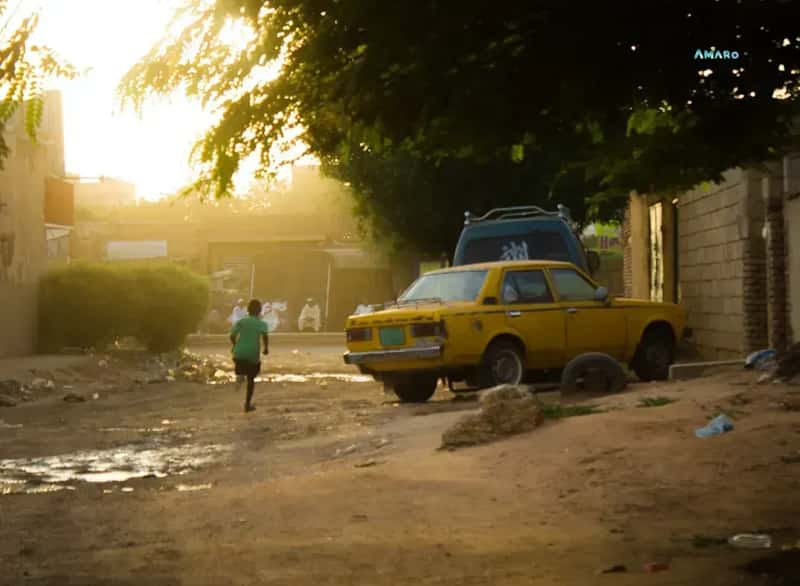
South Sudan’s literacy rate of around 34.52% is significantly impacted by challenges within its educational system – challenges that stem from poverty, violence, insufficient political leadership, and a shortage of qualified teachers, a shortage made worse by unclear career paths, inadequate formal training, and inconsistent payments. Ongoing conflict has disrupted the education system so severely that over 2.8 million children are out of school, and only 7% of schools have adequate infrastructure. Among adult women, the literacy rate is just 25.34%, compared to 38.62% for males, with approximately 4.8 million adults remaining illiterate in total.
South Sudan’s literacy rate may not have improved much in recent years due to multiple challenges the country has been grappling with, including conflicts, floods, the impact of COVID-19, and economic crisis – a view shared by UNICEF’s own Education Officer. In a positive development, the UK-funded Girls’ Education South Sudan programme has provided cash transfers to roughly a million girls since 2014, with successor programmes continuing support into 2024–2025. The youth literacy rate (ages 15–24) is slightly higher at 44.33%, suggesting some slow generational progress, though the gender gap persists, limiting opportunities for young women and girls.
4. Niger – The Fewest Average Years of Schooling on Earth
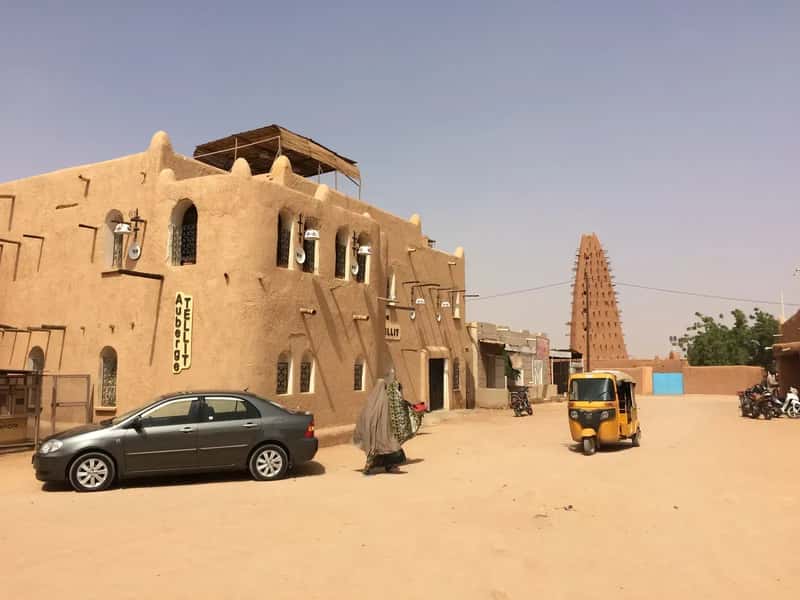
Of all countries tracked by the UN’s Human Development Index, Niger has the lowest average for educational attainment, at just 1.4 years of schooling out of an expected 8.3. Niger, with a literacy rate of approximately 19–30% depending on the data source, sits at or near the absolute bottom of global rankings, accompanied by Guinea, South Sudan, and Mali. Niger’s female literacy stands at a mere 25%, compared to roughly 50% for males, with early marriage and societal norms preventing many girls from ever attending school.
Five years of heightened insecurity in the Sahel have nearly doubled the number of school closures, resulting in over 13,200 schools closed across eight countries in central and west Africa – including approximately 940 schools in Niger as of early 2024, affecting over 74,000 students and nearly 1,800 teachers. Education had previously been a priority for the Nigerien government, and before regional violence and political instability escalated, there had been several modest successes in enrollment and educational outcomes. Today, socio-cultural factors, early marriage, and conflict remain the primary barriers to literacy across Niger.
5. Canada – The World’s Most Educated Nation by Tertiary Attainment
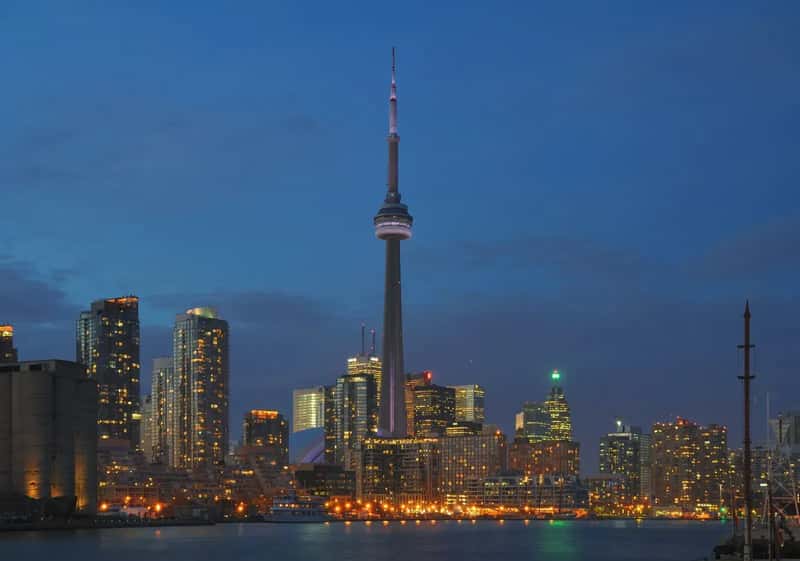
According to the OECD’s Education at a Glance 2025 report, which compares educational attainment among working-age adults across 45 countries as of 2024, Canada tops the list with nearly 65% of adults holding a college or university degree, followed closely by Ireland and South Korea. Canada’s commitment to accessible and high-quality education is evident in its universities and educational infrastructure, offering comprehensive learning opportunities for individuals aged 5 to 19 at reasonable costs. These nations have invested heavily in expanding access to higher education, driven by knowledge-based economies that reward advanced qualifications.
The OECD’s list compares the percentage of each country’s residents ages 25 to 64 who have completed some form of tertiary education, and Canada comes out on top with roughly 63–65% of adults meeting that standard, depending on the dataset year. According to OECD data, higher levels of education bring significant earnings advantages – across OECD nations, tertiary graduates typically earn double the income of individuals who have not completed secondary education. Canada is also among the countries that maintains a 99% adult literacy rate, placing it in the top tier globally alongside Australia, Germany, and the United States.
6. South Korea – #1 Among Young Adults
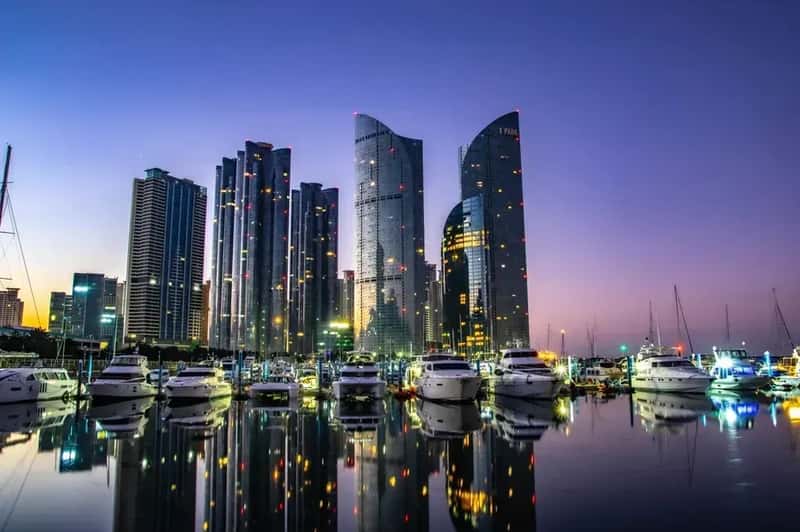
South Korea has a literacy rate of 97.9% and, in 2022, achieved the highest percentage of higher education graduates among OECD countries, with about 70% of people aged 25 to 34 having completed college. Korea stands out with the lowest rate of adults without an upper secondary qualification among all OECD and partner countries, with only 1% of 25–34-year-olds lacking upper secondary education, reflecting the country’s exceptionally high overall level of educational attainment. The country’s education system, often referred to as “education fever,” is marked by intense competition and high expectations from an early age, fostering a culture of hard work and dedication to academic success.
South Korea is also leading a quiet revolution in the digital transformation of education, with government initiatives like Vision 2026 aiming to integrate advanced technologies into classrooms – backed by more than $276 million allocated for classroom digitization to build personalized, future-ready education. However, the system is not without its costs: South Korea has one of the highest youth suicide rates among OECD countries, and wealthier families can afford premium tutoring services, while poorer students are often left behind, highlighting a growing gap in educational opportunity. Despite those tensions, the level of tertiary attainment among 25–34-year-olds in South Korea ranks first among all 40 OECD and partner countries with available data, at 70.6%.
7. Ireland – A Knowledge Economy Powerhouse

Ireland leads global education rankings with an impressive 52.4% of its working-age population holding Bachelor’s degrees or higher, with approximately 1.8 million Irish citizens aged 25–64 possessing tertiary education qualifications. Ireland ranks among the top five most educated countries globally, boasting a tertiary education rate of around 62–63%, a figure that underscores the country’s robust economy and its significant investments in education through various government initiatives. Ireland’s educational success stems from substantial government investment in higher education and a strategic focus on attracting international students and businesses, including campuses of prestigious American universities alongside world-class domestic institutions like Trinity College Dublin.
Ireland’s education system emphasizes critical thinking, research, and innovation, particularly in technology and pharmaceuticals – sectors that have come to define the country’s modern economy. Ireland’s education system is highly regarded for its quality and diversity, with Irish universities consistently ranking among the best worldwide and attracting significant numbers of international students. Ireland’s position near the very top of the OECD’s 2025 education rankings reflects a sustained national commitment to building a knowledge-based economy that rewards advanced qualifications.
8. Japan – Literacy and Technical Excellence Combined
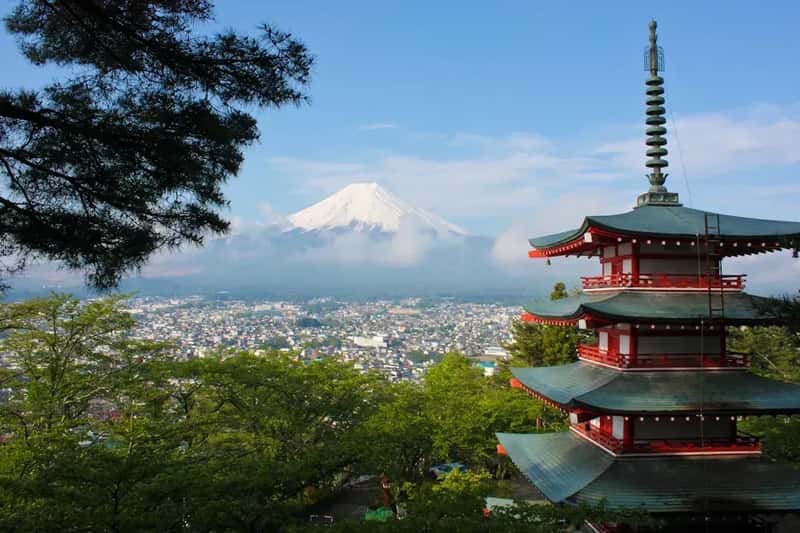
Japan, known for its literacy and technical advancements, is one of the top three most educated countries globally in 2024, with a tertiary education rate of around 64%, and with 65% of Japanese individuals aged 25 to 34 holding tertiary education qualifications – a figure that highlights the country’s commitment to higher learning and lifelong education. Japan is one of the world’s most literate and technically advanced nations. The Japan literacy rate stands at 99.0%, the same as the United States and many other developed nations.
Japan tends to be ranked towards the very top of OECD tables on all education measures, including literacy, numeracy, and problem-solving. One particularly striking finding from the OECD’s latest PIAAC assessment is that Finns with only upper secondary education have literacy scores higher than university graduates in all but four other countries – and Japan is one of the standout performers at the top of those comparisons. Among nations traditionally scoring high in literacy and public investment, Japan’s performance metrics align closely with real-world outcomes in the labor market and beyond.
9. Singapore – The Creative Thinking Capital
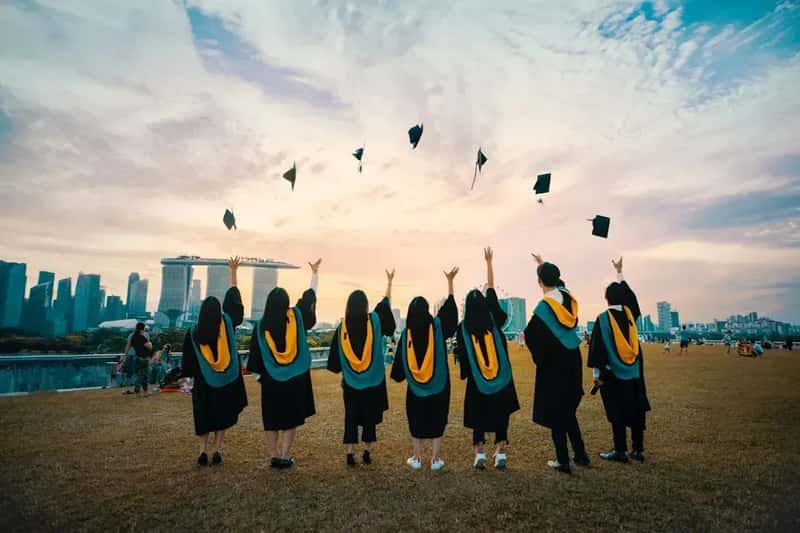
Singapore’s remarkable achievement of having 45% of its working-age population, approximately 1.9 million people, with Bachelor’s degrees or higher reflects its transformation from a developing nation to a global education hub within just a few decades. In third place among the world’s most educated nations, Singapore is renowned for academic rigor and a strong focus on STEM, and is home to the National University of Singapore and Nanyang Technological University, both ranked among the world’s top universities. Singapore ranks first globally in creative thinking, the only country to score over 40 on the OECD’s most recently released assessment of students.
Singapore’s ranking first globally in creative thinking puts it well above the OECD average on that particular metric, a feat that underlines the effectiveness of its curriculum reforms over recent decades. According to a ResearchGate study, Singapore punches far above its economic weight in education, driven by strategic reforms and data-driven pedagogy. Like Canada and Ireland, Singapore has invested heavily in expanding access to higher education, driven by a knowledge-based economy that rewards advanced qualifications across virtually every sector.
10. The Global Education Divide – What the Data Tells Us

As reported by UNESCO, the world has significantly progressed in education over the decades – compared to 68% of the population being able to read and write in 1979, more than 86% have that capability today – yet adult literacy remains a serious global challenge, with close to 763 million adults still lacking literacy skills. Most countries with the lowest literacy rates are located in South Asia, West Asia, and sub-Saharan Africa, and of the roughly 781 million adults worldwide who cannot read or write, nearly two-thirds are female. Despite long-running initiatives to improve global education standards, UNESCO fears that on current trends, roughly 30% of adults and 20% of young adults will remain illiterate in the world’s poorest countries.
According to OECD data, higher levels of education bring significant earnings advantages – across OECD nations, tertiary graduates typically earn double the income of individuals who have not completed secondary education. Impoverished countries generally have lower literacy rates, and many struggling families need their children to work rather than attend school, meaning education is simply not prioritized. Global education systems reveal more than classroom dynamics – they reflect national priorities, economic resilience, and social progress, and the contrast between the world’s most and least educated nations remains one of the defining inequalities of the 21st century.