Food habits say a lot about a place, sometimes more than language or landscape ever could. Walk through a market in one country and you might see stalls piled high with lentils, chickpeas, and fresh greens. Walk through another and the smell of grilling meat practically follows you down the street. This split between plant-based cultures and meat-loving ones is not just a matter of personal taste, it is baked into history, religion, geography, and even climate.
India: the birthplace of large-scale vegetarian living
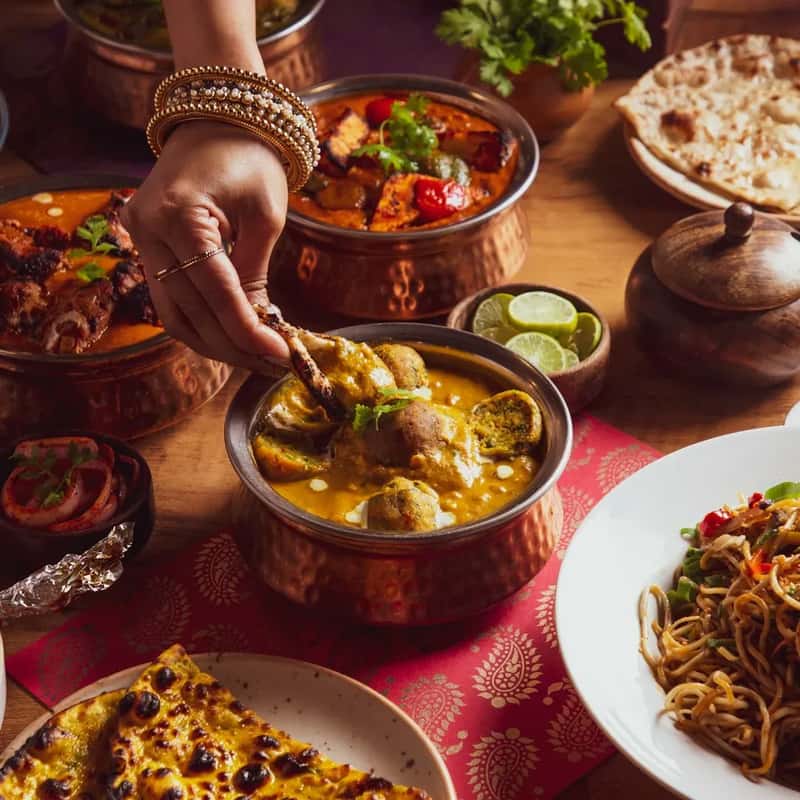
No country comes close to India when it comes to sheer numbers of vegetarians. India is ranked top in the world with 38% of the total population being vegetarians, a trend that became popular after the introduction of Buddhism and Jainism around the 6th century BC. That is not a niche dietary choice, it is a mainstream way of eating shared by hundreds of millions of people.
The religious roots run deep, and they still shape everyday meals. Jains were found to be the most vegetarian at 92%, followed by Sikhs at 59%, Hindus at 44%, Buddhists at 25%, Christians at 10%, and finally Muslims at 8%. On top of the cultural weight behind it, India, the world’s second most populous country with around 1.3 billion people, consumes the least meat per person globally, with people eating only about 3 kg of meat per year on average. That combination of scale and tradition makes India less a trend and more a permanent way of life.
Israel: where vegetarianism meets a modern food scene

Israel earns its spot through a mix of religious history and a genuinely thriving modern vegetarian and vegan culture. In Israel 13% of the population are vegetarians, a habit credited to Judaism which restricts the consumption of animals. What makes the country stand out is not just the percentage but the infrastructure built around it.
Tel Aviv in particular has built a reputation well beyond religious observance. The country is home to hundreds of restaurants offering vegan meals, and in 2014 Tel Aviv hosted the biggest vegan festival in the world where 15,000 people attended, a city that continues to rank as a favorite destination for vegan travelers. Interestingly, this vegetarian-friendly reputation exists alongside heavy poultry consumption, which shows that a country can support plant-based eaters while still loving meat in other forms.
The United Kingdom: Europe’s quiet vegetarian leader
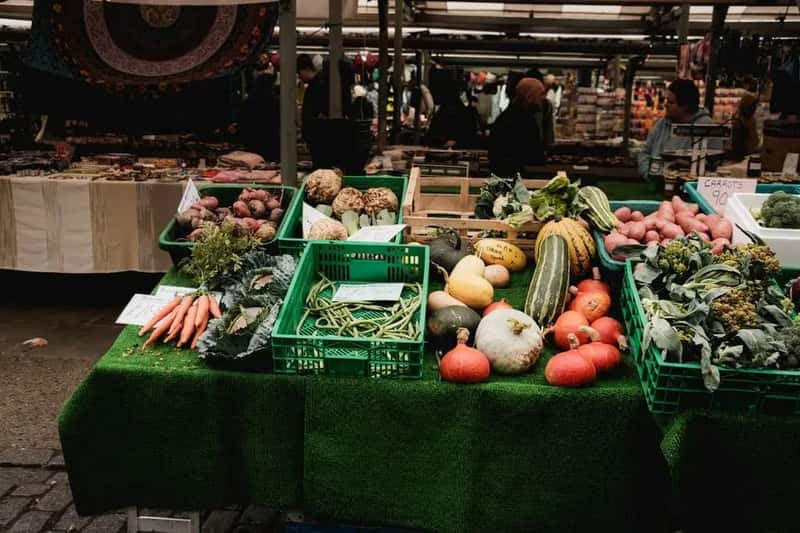
The UK does not get the same attention as India or Israel, but it consistently ranks near the top of European vegetarian statistics. The most vegetarian country in the world is India, though six percent of people in the UK followed a vegetarian diet in 2025. That figure has been climbing steadily over the past decade as plant-based eating moved from a niche interest into supermarket shelves and restaurant menus.
Interest in fully plant-based diets is growing even faster than the vegetarian numbers alone suggest. Finder’s research found that 6.3% of UK adults plan to follow a vegan diet in 2026, which is about 3.5 million people, including those already vegan and those who weren’t vegan at the end of 2025 but plan to start this year. Small villages and big cities alike now tend to have at least one vegetarian-friendly option, a shift that would have seemed unlikely just fifteen years ago.
Taiwan: an island shaped by Buddhist food culture
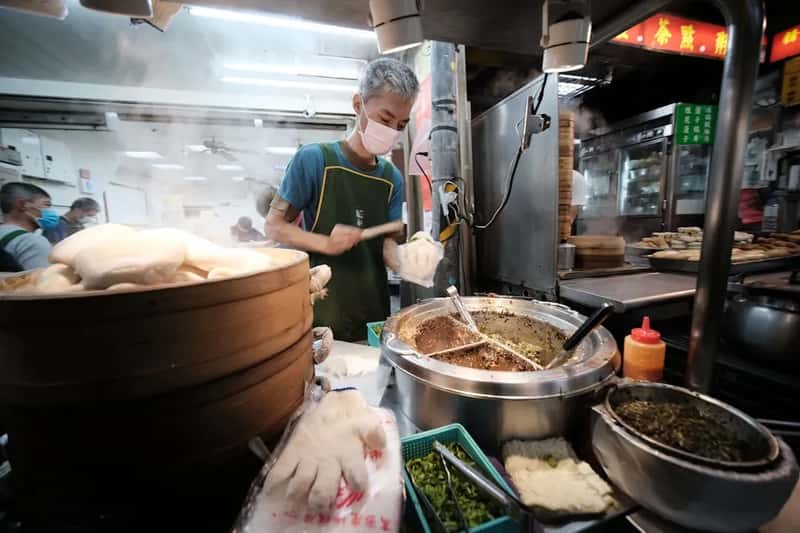
Taiwan rarely tops global headlines for its food culture, yet it consistently ranks among the most vegetarian-friendly places on earth. World Atlas found that India has the population with the most vegetarians out of all countries, at 38%, with Israel coming in second place with 13%, and Taiwan in third place with 12%. That places a relatively small island nation in the same conversation as countries many times its size.
Much of this comes down to Buddhist influence, which has shaped both temple food and everyday street stalls across the island. Vegetarian buffets, known locally as su-shi restaurants, are common in cities and even small towns, offering an affordable way for anyone to eat meat-free without seeking out a specialty shop. The result is a food culture where going vegetarian for a day, a week, or a lifetime rarely feels like a sacrifice.
Argentina: a nation built around beef
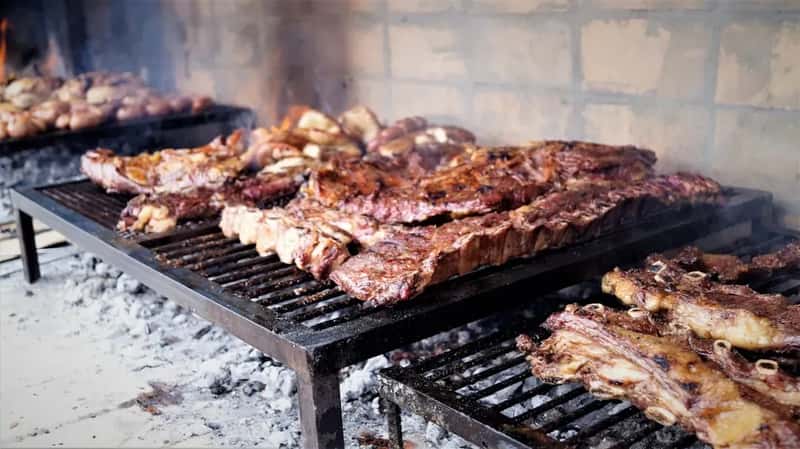
If any country wears its meat-eating identity as a badge of pride, it is Argentina. The top five beef eaters are Argentina at 46 kg per person, Zimbabwe, the U.S., Israel, and Brazil, with Argentina leading thanks to its long-standing asado culture, where beef is both a national tradition and a staple of everyday meals. Asado is not simply a cooking method there, it is closer to a social institution.
Sunday gatherings built around slow-grilled beef remain a fixture of family life across the country, from small-town backyards to Buenos Aires apartment terraces. The vast grasslands of the Pampas made cattle ranching a natural fit for Argentina’s economy centuries ago, and that history still shows up on dinner tables today. Even as plant-based eating grows elsewhere in South America, beef remains firmly at the center of Argentine identity.
The United States: meat as an everyday habit

The United States consistently ranks among the world’s heaviest meat consumers, and the gap with more plant-forward nations is striking. In the Seychelles, only 35.6kg of meat per capita is consumed annually, to put that into context, the USA consumes a massive 120.2kg per capita of meat annually. That is more than three times as much as one of the more vegetarian-friendly nations on this list.
This is not a recent spike either, it is a long-running pattern reinforced by economic recovery and cultural habit. Since 2010, U.S. meat consumption per capita has risen by 10%, and this year the country’s annual per capita consumption of poultry, pork, beef and other red meat products is estimated to reach 227 pounds per person. Barbecue culture, fast food chains, and steakhouse traditions all reinforce meat’s central role in the American diet.
Mongolia: meat as a matter of survival and tradition
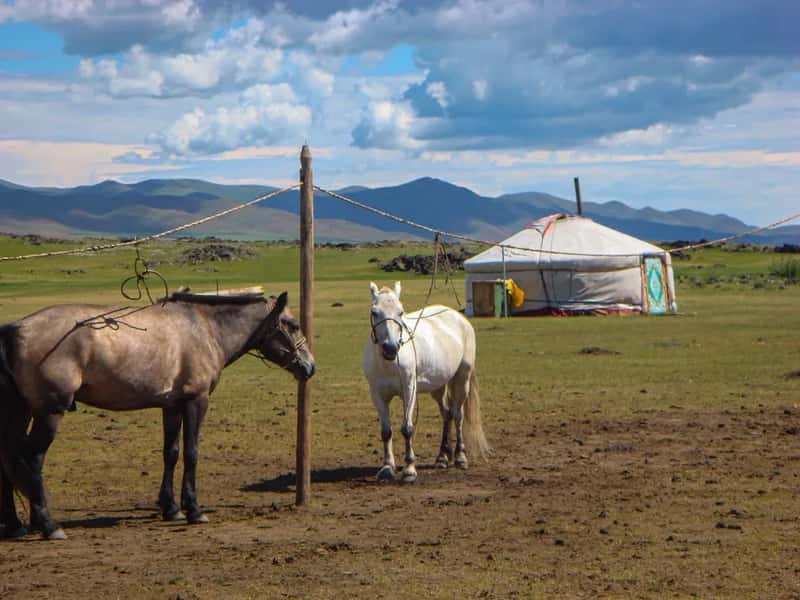
Mongolia’s relationship with meat is less about indulgence and more about necessity shaped by geography. The countries that consume the most meat, shown in deep red on the map, are Tonga at 148 kilograms, Mongolia at 123 kilograms, and the United States at 123 kilograms. In a country where vast stretches of land are unsuitable for growing crops, herding livestock has long been the most reliable way to feed a population.
Goat and lamb hold a particularly strong place in Mongolian cuisine, reflecting the nomadic herding lifestyle that still exists in rural areas today. The top five goat and lamb eaters are Mongolia at 68.5 kg per person, Bahrain, New Caledonia, Turkmenistan, and Chad, with Mongolia eating the most goat and lamb by a wide margin, reflecting its pastoral lifestyle. Vegetarian options exist in the capital city of Ulaanbaatar, but outside urban centers, meat remains close to unavoidable.
Spain: a European stronghold for pork

Spain rounds out this list as one of Europe’s most committed meat-eating nations, with pork playing an outsized role. The top five pork eaters are Croatia at 57.4 kg per person, Spain at 56.5, Montenegro at 53.5, Hong Kong at 52.6, and Poland at 51.6. Cured hams, chorizo, and slow-cooked pork dishes are deeply embedded in regional Spanish cooking, from Andalusia to Catalonia.
Total meat consumption in Spain regularly pushes past the global average by a wide margin, placing it among the more meat-heavy countries in Europe overall. The United States, Argentina and Australia sit at the top of the global meat-eating league with more than 110 kg consumed per capita, and countries which top 100 kg of meat consumed per person and year also include Mongolia, Spain and Israel. Tapas culture, often built around small plates of jamón or grilled meats, keeps pork and other meats firmly at the center of everyday Spanish dining.
Two very different ways of eating

What stands out across these eight countries is how differently food habits form depending on history, religion, geography, and even the shape of the land itself. India’s dietary patterns trace back thousands of years to religious philosophy, while Mongolia’s meat-heavy diet grows out of a landscape that leaves few other options. Neither pattern is likely to shift dramatically anytime soon, though smaller changes are visible almost everywhere, from Argentina’s growing plant-based export market to the rising number of vegetarian and vegan spots appearing in unlikely corners of meat-loving nations.