Most missed connections don’t start with a dramatic delay. They start weeks earlier, at the booking screen, or in the small choices people make once they’ve landed. A schedule can look perfectly workable on paper and still fall apart in a crowded terminal.
The six mistakes below come up again and again in airline guidance, travel advice and recent reporting from 2026. Some are about how a ticket is built. Others are about what actually happens between the jet bridge and the next gate.
Booking Separate Tickets and Assuming You’re Covered
Two flights that look connected aren’t always treated that way. If your flights were booked on separate tickets, the airline may not be required to protect, rebook, or compensate you after a missed connection.[1] Each airline’s responsibility ends the moment its own flight lands, so rebooking, baggage recheck, meals and any hotel fall on you.[2]
Alliances and codeshares don’t change this as much as people expect. Only a single ticket, or a single booking reference across tickets where the airlines have agreed in writing, provides protection.[3] Separate tickets also mean more work on the ground, since you may need to collect baggage, exit the secure area, check in again, drop a bag, clear security, and reach the gate.[4]
Booking Right at the Minimum Connection Time

Every airport has a minimum connection time, or MCT. It’s the shortest time considered reasonable for a transfer under normal operating conditions.[5] The key words are normal conditions. Nothing about a late inbound flight or a slow gate is normal.
A safer habit is to build in a cushion. One guide suggests at least 60 to 90 minutes for U.S. domestic connections and closer to two hours for international ones.[6] For separate tickets, another rule of thumb applies: if the layover would break with a 20 to 30 minute delay on the first flight, it is probably too tight.[4]
Underestimating Border Queues in 2026
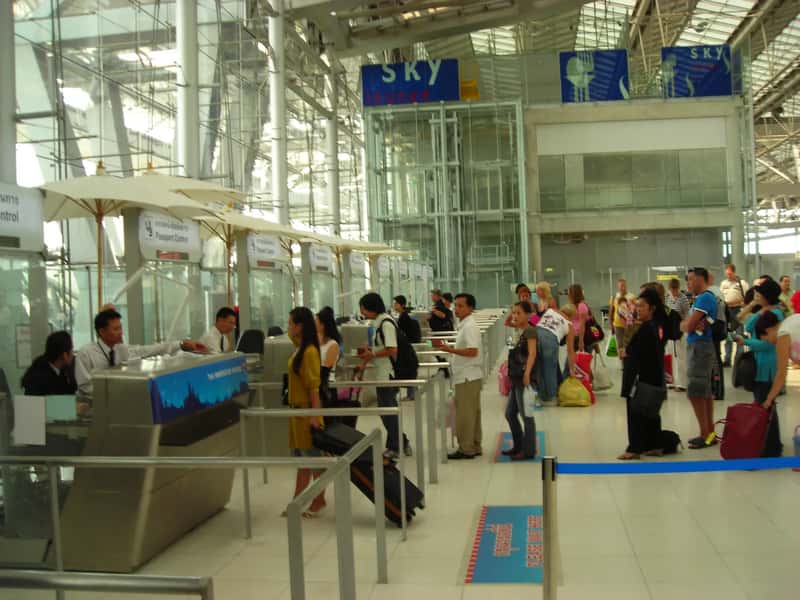
Passport control has become a real wildcard in Europe. The EU’s full implementation of the Entry/Exit System on April 10, 2026, led to severe airport congestion, with reported wait times reaching four hours.[7] Airport and airline groups had earlier flagged excessive waits of up to two hours at border control.[8]
The slowest step tends to be the first one. A traveler reaching a Schengen border for the first time under EES must stop for fingerprint and facial capture.[7] Reporting in July described flight delays and missed connections in both large hubs and smaller tourist airports.[9] A Frontex official expects things to stabilise in one or two years[9], so it’s smart to plan for slower lines until then.
Forgetting That Customs Can Reset Your Trip

Many travelers assume bags and passengers glide through on one ticket. That’s often true, but not everywhere. In countries like the United States, all arriving passengers must clear customs at their first point of entry.[10]
For an international arrival that continues on a domestic flight, the sequence is longer than it looks. You typically claim checked baggage after immigration, carry it through customs, and recheck it, then clear TSA again.[11] Some relief is being tested, since CBP’s International Remote Baggage Screening pilot screens checked bags at the overseas airport[11], but it only applies at select airports and airlines.
Ignoring Terminal Changes and Airport Size
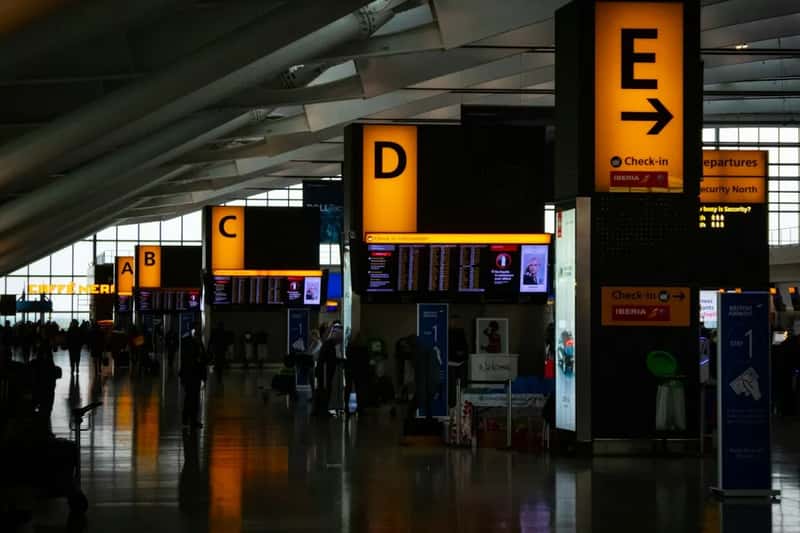
Forty five minutes doesn’t mean the same thing everywhere. A 45 minute connection at a small regional airport is very different from the same time at Heathrow or JFK.[12] Bigger airports mean longer walks and, often, a trip between terminals.
Different terminals matter even more when two airlines are involved. The extra time needed is especially true if the flights are operated by different airlines.[12] It helps to check the airport map before booking a tight connection that depends on a terminal change.[11] At JFK, for example, one guide notes that people often recommend padding to two and a half to three hours if terminals change or immigration is involved.[6]
Reacting Slowly Once the Connection Is at Risk

When a flight slips away, the first few minutes count. Go straight to the airline’s service desk or transfer counter[4] rather than waiting on the app or standing in a long phone queue. Agents can’t help with options you never ask about.
Asking the right questions pays off. Agents don’t always volunteer partner rebooking, so you often have to ask directly.[13] It’s also worth checking whether a faster option exists before you accept the first rebooking offered.[2] If your bag doesn’t travel with you, file a delayed baggage report before you leave the airport.[14]