Turning sixty used to mean settling in, not shipping out. These days it often means something closer to the opposite. A growing number of Americans are trading familiar zip codes for new addresses abroad, drawn less by escape than by arithmetic: lower costs, warmer weather, and residency programs that were practically built with retirees in mind.
The countries that tend to come up again and again share a few traits. They welcome pension income, they keep healthcare affordable, and they make the paperwork side of moving abroad less painful than people expect. Here are five places where a sixty-something American can realistically start over, along with what it actually takes to get there in 2026.
Portugal: The slow-paced European reset

Portugal remains one of the most talked-about retirement destinations for Americans, largely thanks to its D7 visa, sometimes called the Passive Income Visa. As of January 1, 2026, the Portugal D7 Visa minimum passive income requirement is €920 per month, totalling around €11,040 per year. That income can come from a pension, rental property, dividends, or other steady sources, which makes it flexible for people with mixed retirement portfolios.
The tax picture has shifted, though, and it’s worth knowing before you pack. As of 2026, new residents do not qualify for the NHR tax benefit, and foreign pension income is taxed under Portugal’s standard progressive IRS brackets of 13.25 to 48 percent. The upside is that the initial residence permit is valid for two years, renewable for three, with eligibility for permanent residency after five years, so the path forward is clear even if the tax perks aren’t what they once were. Portugal still scores well on quality of life and safety, which is why it keeps showing up on retirement shortlists despite the loss of its old tax shelter.
Panama: The easiest paperwork on the list
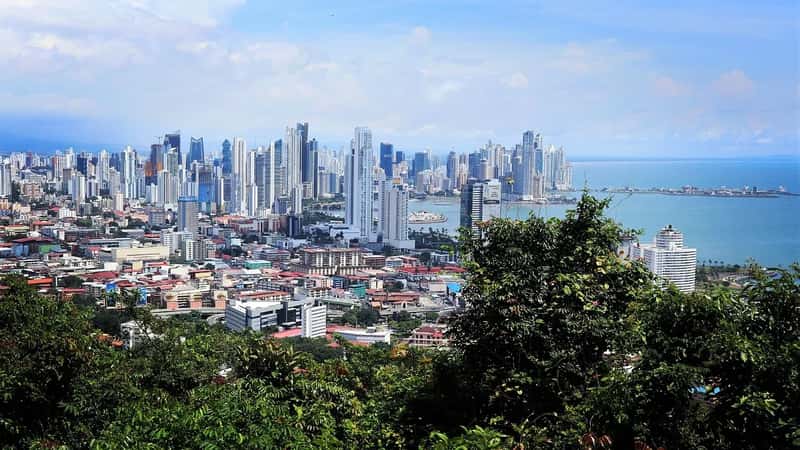
If bureaucracy is what scares you off retiring abroad, Panama’s Pensionado visa is worth a close look. The standard income threshold is US$1,000 per month for a single applicant from a guaranteed lifetime pension, and it grants permanent residency from day one with no minimum age requirement. Social Security counts, which matters because most American retirees are drawing exactly that kind of income.
What sets Panama apart isn’t just the low bar, it’s what you get once you clear it. Pensionado holders receive discounts of 20 to 50 percent on healthcare, hotels, flights, and restaurants, and no other country matches that combination of a low income bar and high perks. Add in a US dollar economy and zero tax on foreign income, and it’s easy to see why Boquete and Coronado have become unofficial retirement colonies for Americans.
Mexico: Familiar, but pricier than it used to be

Mexico has long been the default answer for Americans thinking about retiring abroad, and the numbers on why are straightforward. It’s home to over 1.6 million US citizens, the largest American expat community in the world, drawn by a cost of living roughly 50 to 70 percent lower than comparable US cities. Border proximity alone makes it an easier emotional leap than a move across an ocean.
That said, 2026 brought a real shakeup to the residency math. Temporary residency now requires roughly US$4,400 per month in income or US$74,000 in savings, while permanent residency requires roughly US$7,300 per month in income or US$294,000 in savings. Retirees living purely on Social Security may find the temporary route more realistic than the permanent one, and it’s worth budgeting for the paperwork too, since residency processing fees doubled on January 1, 2026. Mexico is still a strong option for people with pensions or investment income to show, just no longer the bargain-basement entry point it once was.
Costa Rica: Stability with a built-in health system
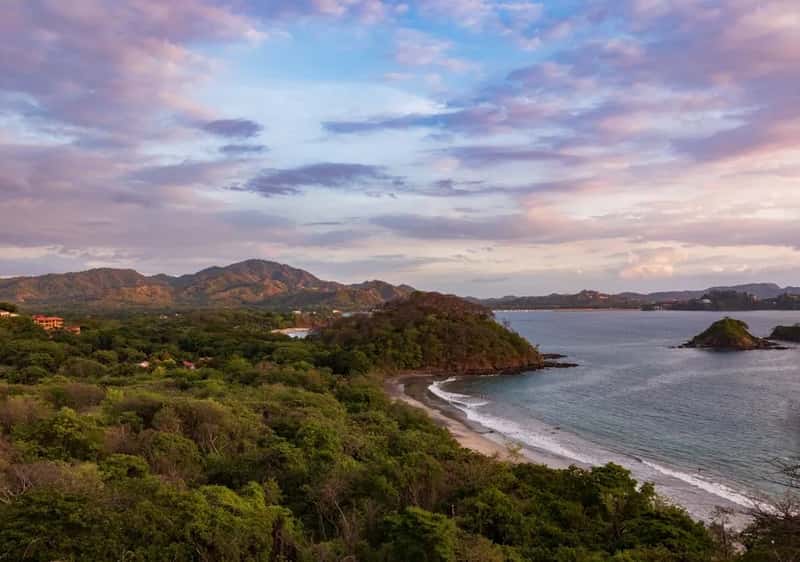
Costa Rica’s appeal has never really been about being the cheapest option. It’s about predictability. Three pathways cover most applicants: the Pensionado at $1,000 a month in lifetime pension income, the Rentista at $2,500 a month in passive income, and the Inversionista requiring a $150,000 investment. The Pensionado route is the natural fit for most American retirees since it lines up neatly with Social Security or a standard pension.
Healthcare is where Costa Rica quietly stands out. Every resident must pay into the public health system, known as the Caja, with contributions running roughly 9 to 11 percent of declared income, or about $90 to $150 a month for a Pensionado at the minimum $1,000 pension. That buys into a universal system in a country that, notably, abolished its military in 1948 and has never looked back, which says something about where its public spending priorities have landed instead. Permanent residency and eventual citizenship remain realistic goals too, since the pathway is well-worn after decades of use.
Ecuador: The dollar economy with the lowest entry bar

Ecuador rarely gets the headlines that Portugal or Mexico do, but for retirees watching every dollar, it deserves more attention than it gets. If you receive $1,446 or more per month in pension income, you qualify for the Pensioner Visa, with no age minimum, no employer needed, and no investment required. Since Ecuador uses the US dollar as its official currency, there’s no exchange rate risk to worry about either, which is a small but real convenience for anyone managing a fixed income from abroad.
The path forward is refreshingly simple once you’re in. After 21 months, you can apply for permanent residency, and unlike the temporary visa, permanent residency has no income requirement and no term limit. Healthcare is another quiet strength: IESS enrollment is voluntary for retirees, and at roughly $85 per month it provides comprehensive coverage with no pre-existing condition exclusions. For Americans coming from a system where a pre-existing condition can make private insurance either unaffordable or unavailable, that detail alone can change the entire retirement equation.