Moving to another country in your later years usually comes with a mental checklist, and near the top sits a nagging worry about communication. Will you be able to see a doctor, sign a lease, or just chat with a neighbor without months of language classes first? As it turns out, a handful of countries have built entire retirement economies around welcoming English speakers, and you can settle into daily life there with barely a hitch in how you communicate.
These five destinations combine genuine English usage with workable retirement visas, reasonable costs, and established expat communities. None of them require fluency in a second language to get through a normal week, though a few local phrases never hurt anyone.
Malta

Malta stands out because English is not just widely spoken there, it is one of the country’s two official languages alongside Maltese. English is an official language, making it easy for expats to adapt, and road signs, official documents, and most services are in English. That legal status means paperwork, banking, and healthcare conversations happen in English by default, not as a courtesy.
The retirement pathway here is the Malta Retirement Programme, which comes with a flat tax rate on foreign pension income. The Malta Retirement Programme is a tax residency scheme for EU and non-EU, EEA, and Swiss retirees whose main income is a pension, offering a 15% tax rate on foreign income remitted to Malta, with a minimum tax of €7,500 per year plus €500 per dependent. Add in over 300 days of sunshine most years and a compact island where nothing is ever too far away, and it is easy to see why so many British and American retirees have made Malta home.
Portugal
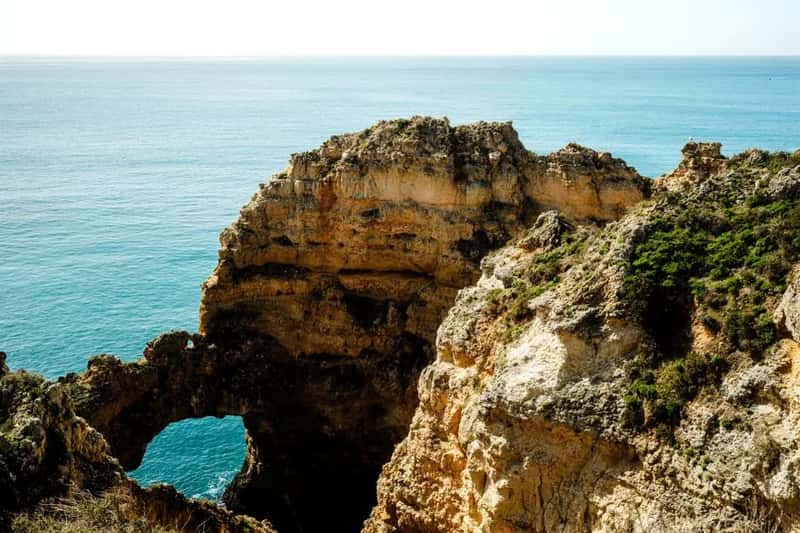
Portugal has become something of a poster child for retiring in Europe, and language is rarely the reason anyone hesitates. There are many English-speaking people in Portugal, and it is the seventh most proficient country in the world when it comes to speaking English as a second language. Coastal cities and the Algarve, long a favorite of British holidaymakers, tend to have the deepest pools of English speakers.
The main visa route for retirees is the D7, built around passive income rather than a big investment. To qualify, you will need to earn a stable passive income of €920 per month in 2026 and hold a minimum savings amounting to €11,040 annually. Notably, there is no language requirement to apply for the visa itself, and there is no English or Portuguese language requirement to apply for the D7 visa itself. Costs remain gentle by Western European standards too, with a relatively low cost of living compared to many Western European countries, where monthly expenses account for the average of €700 per person, excluding rent.
Panama
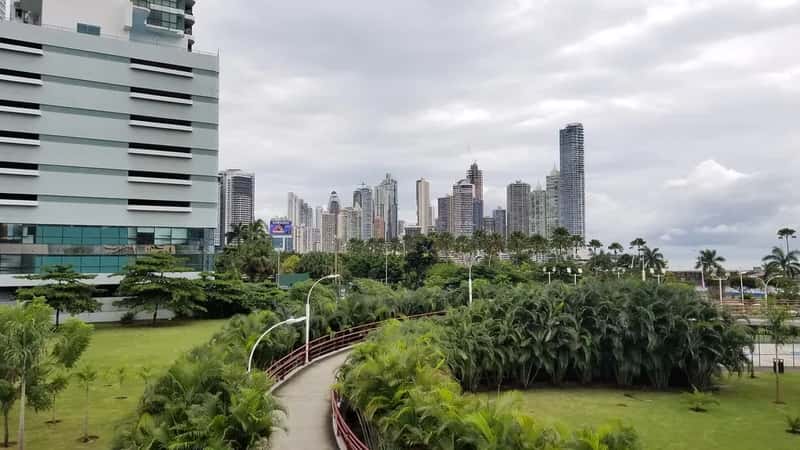
Panama’s appeal for English-speaking retirees goes beyond language into pure practicality. The country uses the US dollar alongside its own currency, which removes a layer of financial guesswork that trips up retirees elsewhere. In Panama City’s expat areas, many professionals speak English, and you can manage without Spanish, while in Boquete, the large expat community provides an English-speaking support network.
The Pensionado visa is one of the most established retirement programs anywhere in the hemisphere, and it rewards a modest pension rather than a fortune. The Panama Pensionado Visa is a residency permit that allows you to retire in Panama for life, so long as you have a lifetime pension or annuity of at least $1,000 USD per month. On top of that low bar for entry, Pensionado residents benefit from numerous discounts, including 25% discounts on utility bills, 20% discounts on medical services, and up to 50% discounts on entertainment and transportation. Government offices and banks are where Spanish still tends to dominate, so a translator or bilingual advisor comes in handy for the official side of things even if daily life runs comfortably in English.
Malaysia

Malaysia might not be the first country that comes to mind for English-speaking retirees, but its colonial history left a lasting linguistic footprint. English is one of the most commonly spoken languages, and the country ranks 24th out of 123 nations on the 2025 English Proficiency Index, with sizeable English-speaking communities in Kuala Lumpur, Penang, and Langkawi. Healthcare in particular leans heavily on English, since English is widely spoken in medical settings, and the healthcare experience for MM2H holders is one of the best value propositions in Southeast Asia.
The Malaysia My Second Home program, known as MM2H, has tightened its financial thresholds in recent years but remains the main door in for retirees. As of the 2026 structure, the current 2026 structure features two tiers, Silver and Gold, and for the Silver tier, applicants aged 50 and above must show a fixed deposit of RM 150,000, approximately $32,000 USD, monthly offshore income of at least RM 5,000, roughly $1,070 USD, and liquid assets totaling RM 150,000 or more. Daily living costs remain gentle, with a couple able to live comfortably on $1,500 to $2,500 per month, covering housing, food, utilities, and entertainment in cities like Penang or Kuala Lumpur, where street hawker meals cost under $2.
Belize
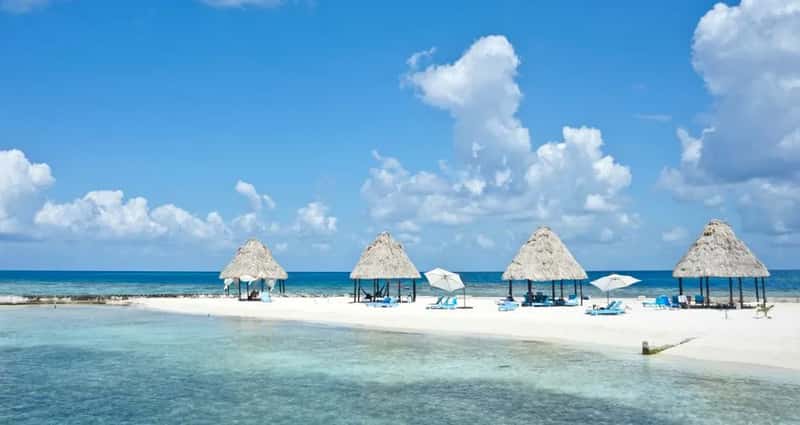
Belize holds a unique position on this list, being the only country in mainland Central America where English carries official status. Although it is the only Central American country with English as its official language, its just over 380,000 inhabitants speak predominantly Spanish and Creole. That mix means English works well in official settings and tourist areas, while Spanish and Creole dominate much of everyday street life, so retirees still benefit from English being the language of government, courts, and business.
The Qualified Retired Persons program, or QRP, is Belize’s dedicated retirement pathway, and it has actually gotten easier to qualify for in recent years. Under the Qualified Retired Person Incentive Program, the Belize Tourism Board grants resident visas to individuals aged 45 or older, who prove a foreign source pension or annuity or other acceptable source of income of at least USD2,000 per month. Recent reforms lowered the entry age and broadened what counts as qualifying income, since the age limit dropped to 40, and the qualifying revenue streams were expanded to include inheritance, investment income, and personal savings. The tradeoff is infrastructure that can feel patchy outside the main towns, so this suits retirees who value the language comfort more than polished amenities.
Weighing Language Against Everything Else

Language ease is rarely the only factor that makes a retirement destination work, and none of these five countries ask retirees to choose comfort over practicality. Malta and Portugal offer EU stability and healthcare systems that consistently rank well internationally, while Panama, Malaysia, and Belize trade some of that polish for lower costs and more relaxed pacing.
What ties them together is that English functions as a genuine tool for daily life rather than a rare courtesy extended to tourists. That distinction matters more than people expect once the excitement of moving fades and the actual business of living, banking, and seeing a doctor takes over.