Rent hikes have become the background noise of city life almost everywhere in Europe, but not every capital is playing the same tune. While Paris, London, and Dublin keep setting new records for what a one bedroom flat can cost, a handful of capitals on the continent’s eastern and southeastern edges are still renting apartments for a fraction of those prices.
Some of these cities are gaining attention from remote workers and students precisely because the math still works. Below is a closer look at five European capitals where renting an apartment in 2026 remains genuinely affordable, based on current cost of living data and local rental market reports.
Sarajevo, Bosnia and Herzegovina

Sarajevo consistently comes out as one of the least expensive capitals on the continent when it comes to renting a place to live. One-bedroom apartments in the city center rent for €300 to €500 per month, and prices drop further once you move a short distance from the historic core. Recent cost of living data puts the average city center rent even closer to the lower end of that range, with the average monthly rent for a 1-bedroom apartment in the city centre at £355, compared to £253 outside the centre.
What makes Sarajevo stand out isn’t just the rent figure itself but how far it stretches. A full dinner with drinks rarely tops €15 in the city, which keeps overall living costs low even for newcomers unfamiliar with the local market. The city’s mix of Ottoman old town streets and Austro-Hungarian boulevards adds character that many similarly priced cities simply don’t offer, and a modest but steady expat and digital nomad community has settled in around neighborhoods like Marijin Dvor and Grbavica.
Skopje, North Macedonia

Skopje’s rental market rewards anyone willing to look slightly outside the most fashionable districts. According to recent local data, Centar and Karpoš are the most expensive neighborhoods at €410 to €590, Aerodrom follows as a slightly cheaper option at €410 to €530, while Kisela Voda is the most affordable at €350 to €430. Even in the pricier central zones, the numbers stay well below what renters would pay in most EU capitals.
The price gap between central and peripheral neighborhoods is smaller than in many other cities, which changes the calculation for renters. A studio apartment in Centar costs €320, only 14% more expensive than the same type of apartment in Kisela Voda, where it costs €280. That narrow spread means paying a little extra for a central location in Skopje often makes practical sense, since the savings from choosing a further out neighborhood are fairly small.
Chisinau, Moldova
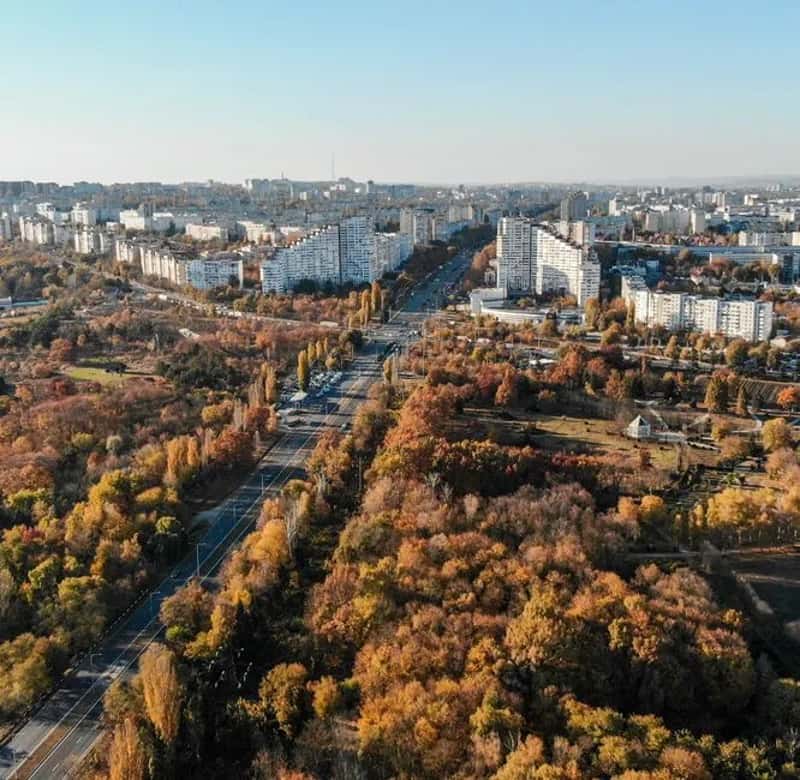
Chisinau doesn’t always make the shortlist of European capitals, largely because Moldova sits outside the EU, but geographically and culturally it belongs firmly on this list. Current cost of living figures show the average monthly rent for a 1-bedroom apartment in the city centre at £510, compared to £337 outside the centre. Even the higher end of that range remains modest compared to most Western European capitals.
Beyond rent, daily costs in Chisinau tend to stay low across the board, which helps explain why the city keeps appearing in comparisons of budget friendly places to live. A single person needs around £515 per month without rent, while a family of four requires roughly £1,726. For renters coming from higher cost economies, the combination of low rent and low everyday expenses can make a real difference in monthly budgeting.
Sofia, Bulgaria

Sofia has built a reputation as one of the more livable and affordable capitals within the European Union itself, which sets it apart from several other cities on this list. As of early 2026, rents in Sofia have increased by an estimated 5% to 8% compared to January 2025, with prime neighborhoods closer to the higher end of that range. Even with that uptick, a one bedroom apartment in a solid residential district still typically falls in the range of a few hundred euros a month.
Location within the city makes a noticeable difference in price. The three Sofia neighborhoods with the highest average rents are Lozenets, around €700 to €900 per month for a 1-bedroom, Iztok at €650 to €850, and Oborishte near Doctor’s Garden at €600 to €800. Renters willing to settle slightly further from those premium pockets can still find comfortable one bedroom apartments for noticeably less, particularly outside the most sought after central districts.
Bucharest, Romania

Bucharest rounds out this list as a capital where EU membership hasn’t yet pushed rents anywhere close to Western European territory. Recent market tracking shows the average monthly rent for a 1-bedroom apartment in Bucharest at approximately 3,030 RON, which equals around 610 EUR. That figure places Bucharest a notch above some of the other cities on this list, but still comfortably below what similarly sized capitals elsewhere in the EU charge.
Neighborhood choice plays a big role in the final number. Most 1-bedroom apartments in Bucharest rent within a range of 2,680 to 3,580 RON per month, with newer buildings and better locations commanding the higher end. Areas like Titan and Drumul Taberei sit at the more affordable end of that spread, while renters chasing proximity to the business district in Floreasca or Dorobanti should expect to pay closer to the top.
The bigger picture on European rents

Context matters here, because rent growth across the continent hasn’t stood still while these five capitals kept their prices low. Eurostat figures cited in recent market analysis show that in the third quarter of 2025, rents in the EU were 3.1% higher year on year, a pace that has pushed many Western capitals further out of reach for average earners. Against that backdrop, the affordability of Sarajevo, Skopje, Chisinau, Sofia, and Bucharest looks less like a temporary anomaly and more like a structural gap that has persisted for years.
None of this means these cities are frozen in time. Sofia’s rents, for instance, are already climbing at a faster clip than they did just a year earlier, and similar upward pressure shows up in local reporting from Tirana and Belgrade as well. Anyone weighing a move based purely on current price levels should treat these figures as a snapshot rather than a permanent guarantee, since the affordability gap between Eastern and Western Europe has a habit of narrowing gradually rather than staying fixed.