Remote work has quietly rewritten the rules of long-term travel, and dozens of governments have rushed to cash in on it with dedicated digital nomad permits. Most of these programs, however, come with application fees that can run into the hundreds of dollars once you add residency cards, biometric charges, and processing costs. A handful of countries have taken the opposite approach, keeping their entry costs almost symbolic so that income requirements, not paperwork fees, remain the real gatekeeper.
Below are five destinations where the visa itself will not put much of a dent in your travel budget. Some charge nothing at all, while others ask for a small administrative fee that stays comfortably under the fifty dollar mark, or very close to it depending on your nationality and where you apply. As always with immigration rules, figures shift from year to year, so treat these as a starting point rather than a final word before you book anything.
Georgia

Georgia’s “Remotely from Georgia” program has built a reputation as one of the most accessible remote work visas anywhere, largely because there is no fee to pay at all. Georgia’s “Remotely from Georgia” program is the easiest: free to apply, fully online, processed in about 10 business days, and only requires $2,000 per month income. That combination of speed, simplicity, and zero cost is hard to match, and it explains why the program keeps showing up on shortlists for budget-conscious nomads.
Beyond the free application, Georgia sweetens the deal with a light tax touch. The visa application is free, but you must have a monthly income of at least $2,000 or $24,000 in savings and health insurance, and digital nomads are exempt from taxes for the first six months, after which a 5 percent tax on income applies. Add to that a low cost of living, with $500 to $800 a month covering rent and local food in Tbilisi, and it is easy to see why this small Caucasus nation punches well above its size in the nomad conversation.
Mauritius
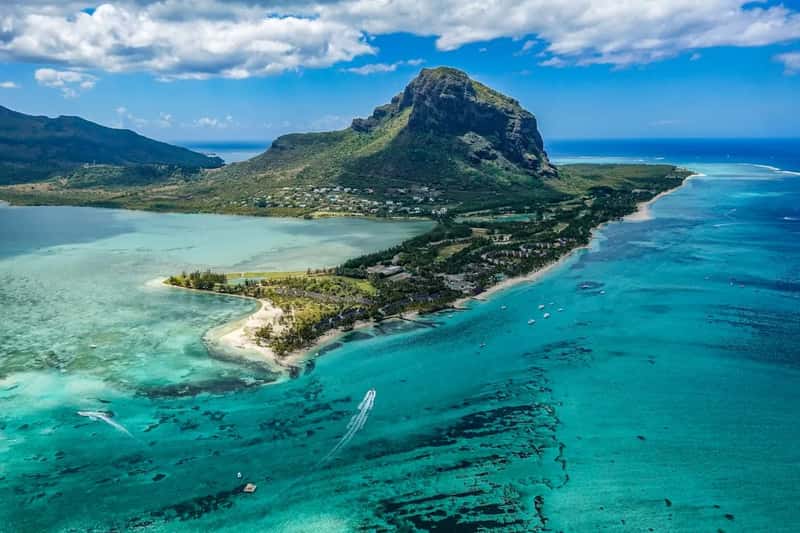
Mauritius took a similar zero-fee route with its Premium Visa, a program originally designed to attract long-stay tourists that has become a favorite among remote workers chasing beaches without the bureaucracy. Mauritius offers a Premium Visa, free of charge, valid for one year, and renewable. That renewability matters, since it means nomads are not forced into a one-time visit before having to plan a costly re-entry.
The trade-off is a slightly higher income bar than some competitors, though still manageable for most remote professionals. The official FAQ cites a minimum of $1,500 per month per adult applicant and $500 per month per dependent child. Industry guides that track visa affordability across the board single Mauritius out for exactly this reason, noting that if you’re looking for programs that charge little to no visa fee, Mauritius’ Premium Visa is ideal. Combined with year-round warm weather and improving coworking infrastructure, it is a compelling pick for anyone weighing island life against a shoestring visa budget.
Sri Lanka
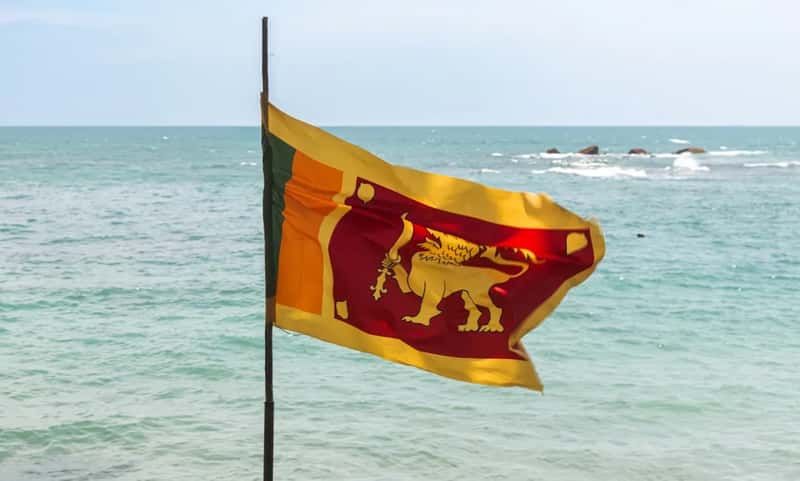
Sri Lanka has quietly built one of the cheapest entry points into a remote work stay anywhere in Asia, at least on paper. According to program breakdowns, the process is fast and the base cost is minimal: it uses an online application process with a processing time of about 120 hours, an application fee of $25 plus a work remotely permit fee of $1,000, and no minimum income requirement. That last detail, no income threshold, is unusual among nomad visas and makes Sri Lanka worth watching even for freelancers with irregular earnings.
It is worth being precise here, since the headline number can be misleading if you do not read the fine print. The $25 figure refers strictly to the initial application, while the separate permit charge pushes the realistic total well past fifty dollars for anyone who needs the full work authorization. Travelers who only require the basic entry application, rather than the extended remote-work permit, are the ones who will actually see costs stay near that lower figure, so it pays to confirm exactly which category applies to your situation before assuming the cheapest number is the final one.
Colombia

Colombia has become something of a poster child for affordable long-stay visas in Latin America, and its digital nomad program backs that reputation up on both income and fees. Colombia offers a digital nomad visa valid for up to two years, one of the longest options in the region, and applicants typically need to show a minimum monthly income of around $900 to $1,000, along with proof of remote work and valid health insurance. That income bar is among the lowest of any nomad visa in the world, which is a large part of why Colombia routinely appears on lists of the most accessible programs.
The visa fee itself sits right at the edge of our fifty dollar threshold, which still makes it one of the cheapest official government charges of any comparable program. Visa fees for the Colombia digital nomad visa generally range from $50 to $170, depending on nationality. For applicants from countries at the lower end of that scale, the cost lands squarely within budget, and even at the higher end it remains far cheaper than the several hundred dollar fees charged by many European counterparts.
Brazil
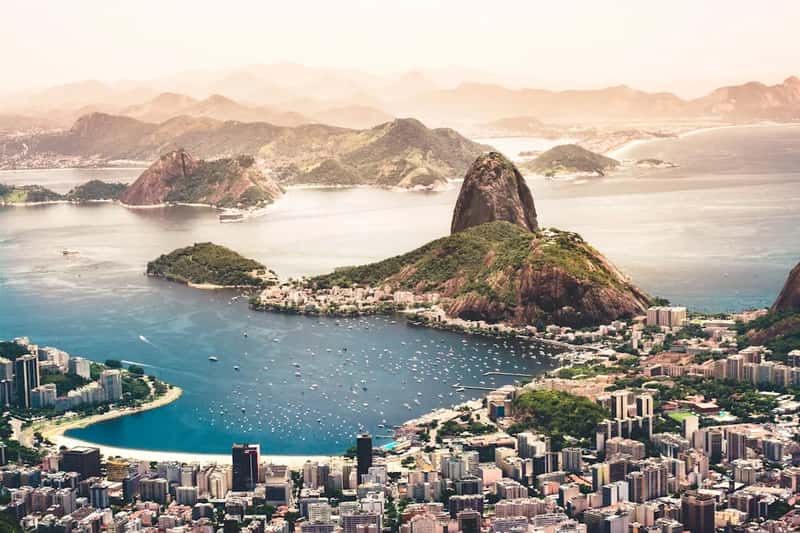
Brazil’s digital nomad visa, officially known as VITEM XIV, offers a genuinely low-cost route for people who are already inside the country and choose to regularize their stay locally rather than through a consulate abroad. According to immigration lawyers who process these applications regularly, the visa fee while applying in Brazil is under $40 at this time, and when applying in Brazil, the visa fee is less than $50. That is a notable difference from the consular route, where costs climb substantially higher.
The gap between applying from home and applying on the ground is significant, so it is worth planning ahead. When applying abroad at a Brazilian consulate, the visa fee is less than $300 in most countries. Income requirements stay modest either way, since applicants must be employed by a company registered outside of Brazil, or working as a freelancer or contractor for companies outside Brazil, and able to demonstrate a minimum income of $1,500 a month or at least $18,000 in savings. Nomads who can arrive on a tourist entry and switch status through the Federal Police stand to save the most on paperwork.
Cheap does not always mean easy, and every one of these five countries still asks for proof of income, valid health insurance, or a clean criminal record before handing over a residency stamp. Still, for anyone trying to stretch a remote work budget as far as it will go, the difference between a fifty dollar entry fee and a five hundred dollar one can fund weeks of coworking memberships or a decent chunk of rent. Georgia and Mauritius remain the clearest winners for anyone who wants to pay nothing at all, while Sri Lanka, Colombia, and Brazil show that even countries with slightly more complex fee structures can keep the door open at a very reasonable price, as long as you read past the headline number.