



Ask any recent graduate in the United States about their student loans and you’ll likely get a sigh before an answer. Meanwhile, a student in Berlin or Oslo might not even know what a tuition bill looks like. The gap between these two experiences has only widened in recent years, and it says a lot about how differently nations choose to fund higher education.
Germany: The gold standard for tuition-free public universities

Germany remains one of the clearest examples of a country that treats higher education as a public good rather than a private expense. Germany is one of the few countries where international students can study at public universities without paying tuition, and since 2014 all federal states scrapped tuition fees, so most Bachelor’s and many Master’s programmes are free for everyone. The only real exception involves one state that still charges a fee to students from outside the EU.
Baden-Württemberg remains the outlier, where non-EU students pay about €1,500 per semester. Everywhere else, students mainly cover a modest semester contribution rather than actual tuition. Semester contributions at public universities range from €100 to €400, roughly equivalent to between 104 and 416 US dollars. That fee usually bundles in administrative costs and sometimes a transit pass, which makes it feel more like a membership fee than a bill for education itself.
Norway: Free tuition with a caveat for newer international students

Norway built its reputation on the idea that a university degree shouldn’t come with a price tag, and for citizens and EU or EEA nationals, that’s still true today. Norwegian state universities and university colleges as a rule do not charge tuition fees to all students including international students, and this applies to all levels, including undergraduate studies, Masters programmes and Ph.D. programmes. Students typically only pay a small semester fee rather than anything resembling American-style tuition.
Things shifted somewhat for students arriving from outside Europe. Norway introduced tuition for most non-EU students in 2023, while EU/EEA students still study for free. Even so, the country’s living costs tend to draw more attention than tuition ever did. Students typically need between €1,000 and €1,400 per month to cover housing, food, and daily expenses.
Finland: Tuition-free education built on a philosophy of access

Finland’s education system rests on the belief that a person’s income or nationality shouldn’t determine whether they get a degree. Finnish higher education is free for citizens of all countries in many cases, though nuances apply depending on the applicant’s origin and program type. For students holding EU or EEA citizenship, tuition simply isn’t part of the conversation.
Non-EU applicants face a somewhat different picture, but the country compensates with generous support. In Finland and Norway, non-EU students usually pay fees, but scholarships can cover them. Finland charges non-EU students quite consistent fees, but also offers generous scholarships covering up to 100% of tuition. For many students, that scholarship layer effectively restores the tuition-free experience the country is known for.
Iceland: Open access regardless of nationality
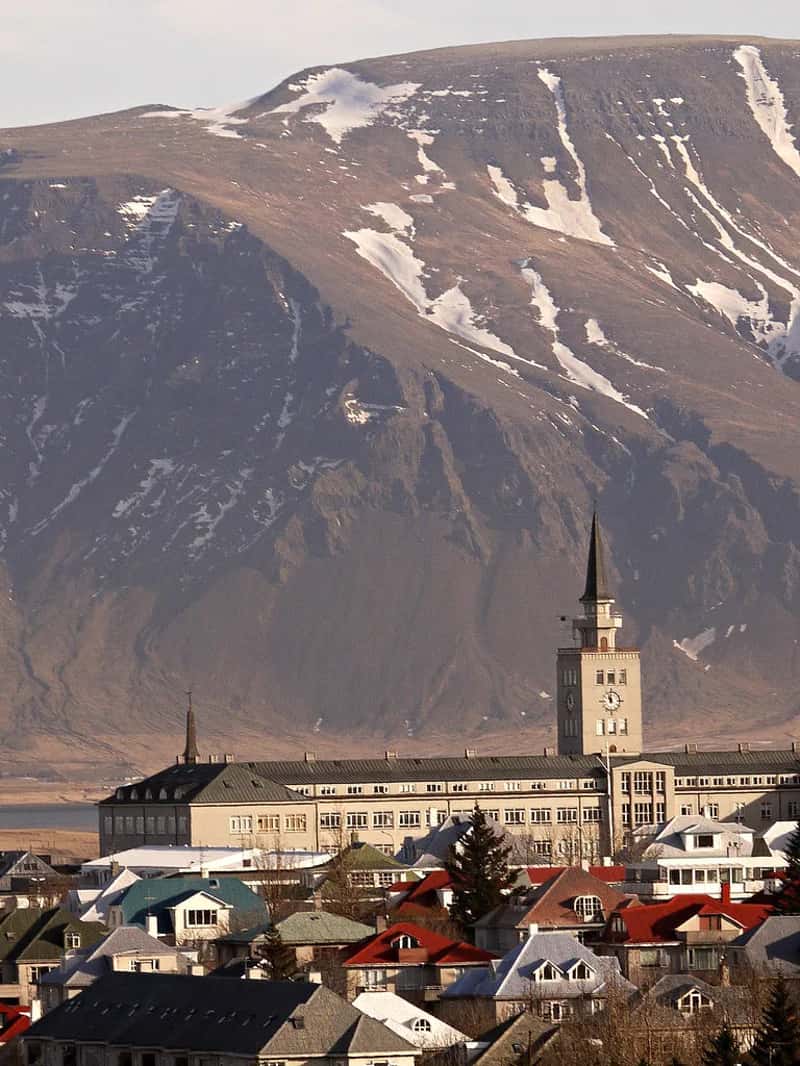
Iceland stands out because it doesn’t draw the usual line between EU and non-EU applicants that so many European countries maintain. All public universities in Iceland provide free education with an annual registration fee of $750 for international students. That single detail makes Iceland unusually welcoming compared to neighbors that reserve free tuition for EU citizens only.
The trade-off, as with most Nordic destinations, is the cost of simply living there. Housing, groceries, and transportation in Reykjavik run high by global standards, so students save on tuition but still need a realistic budget for daily life. Even so, for a country with only a handful of universities, Iceland’s open-door tuition policy remains a rare offer in global higher education.
Denmark and the broader Nordic pattern of public funding
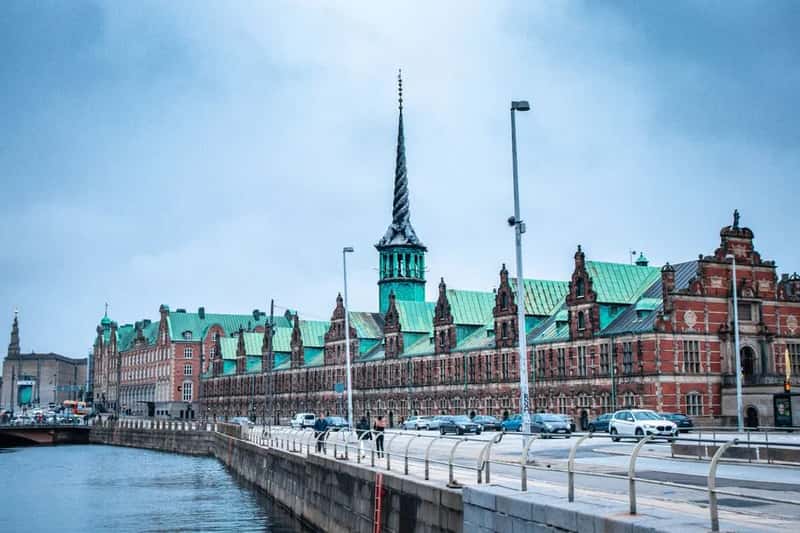
Denmark fits into the same regional pattern as Norway, Finland, and Sweden, where tuition-free education is treated as a basic extension of the welfare state. Danish and EU or EEA citizens generally do not pay tuition at public universities, since the system is funded through taxation rather than student fees. This mirrors an approach found across much of Scandinavia, where higher education is viewed less as a commodity and more as an investment in a shared future.
Non-EU applicants to Danish universities do pay tuition, which brings the country closer to Norway’s or Finland’s model than Germany’s fully open one. Still, the underlying principle across all these Nordic systems remains consistent. Higher education is seen as a public service, not a private business, and the idea is that everyone should have the chance to study, no matter their family income.
The United States: Where sticker prices keep climbing
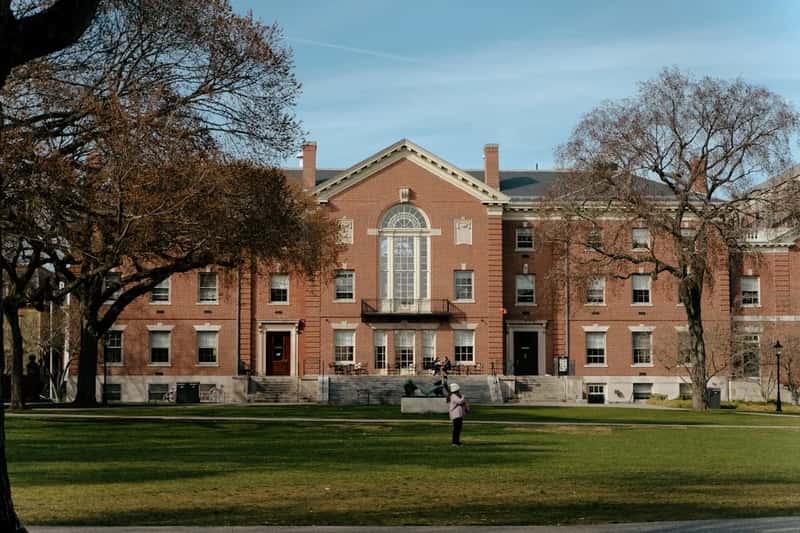
The United States sits at the opposite end of the spectrum, and the numbers make that obvious almost immediately. The United States often tops the list when it comes to expensive higher education, with tuition ranging broadly from a few thousand dollars per annum for certain state schools to over $50,000 at some private institutions. At the most selective private colleges, the total bill climbs even higher once housing and fees are added in.
Harvard College lists 2025–26 tuition, fees, housing, and food at $86,926. Meanwhile, at the University of Chicago, total annual costs reached $89,040 for the 2024–2025 academic year, reflecting its elite private status and extensive resources. Even public universities aren’t cheap for everyone, since public out-of-state tuition averages $27,020 per annum, compared to $10,560 for in-state students.
The United Kingdom: Rising fees for both domestic and international students
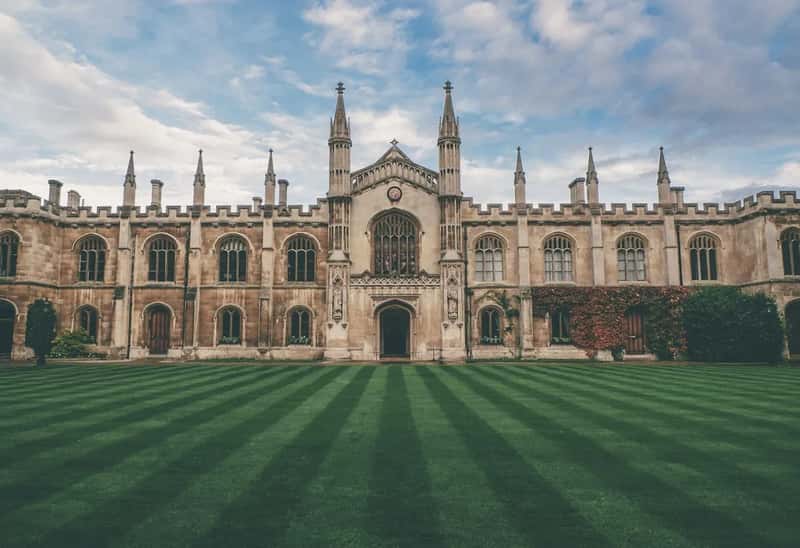
Britain’s universities carry a reputation for academic prestige, and that reputation comes with a matching price tag, especially for anyone arriving from outside the UK. The UK, particularly England, has one of the most expensive higher education systems for international students, who can expect to pay anywhere between £10,000 and £38,000 or more per annum. At the country’s most famous institutions, that range climbs considerably higher.
For the 2025-2026 academic year, the University of Oxford has announced tuition fees of US$45,000 to US$78,000, while Cambridge University will charge between US$35,000 and US$92,000. Domestic students face lower, government-capped fees, but the gap between UK and international pricing remains stark. Public universities in the UK charge up to £9,250 per year for domestic students, while private institutions can charge up to £10,000 per year.
Australia: High tuition paired with a high cost of living
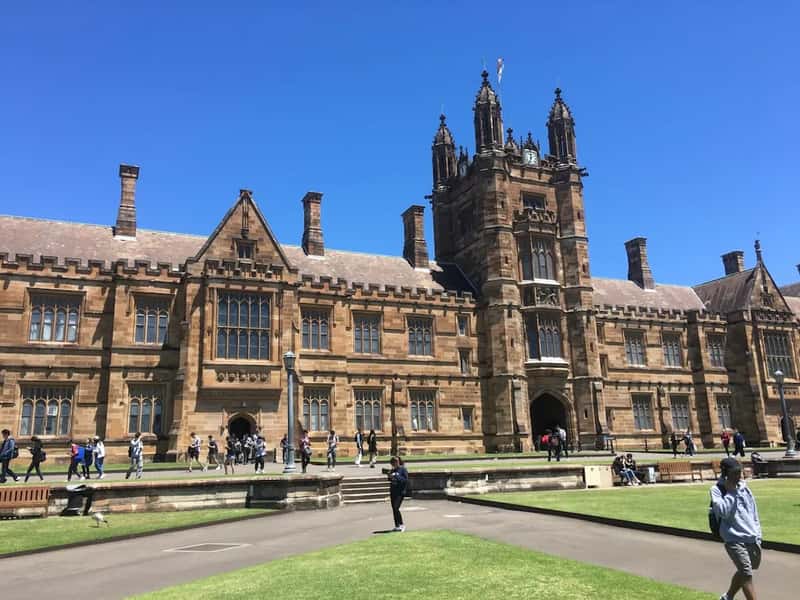
Australia has built one of the world’s largest international education sectors, but that popularity hasn’t kept prices down. Australia has been recognised as one of the most expensive countries in the world for international students, with bachelor’s degree costs ranging from 20,000 to 50,000 Australian dollars annually. Master’s programs push those numbers even further.
Master’s degrees run between 22,000 and 54,000 Australian dollars annually, with the potential to go higher for specialised degrees like medicine or engineering. Enrollment numbers show the demand hasn’t slowed despite the cost. In 2024, there were 1,095,298 international student enrollments in the country. Combined with Australia’s notoriously high cost of living, the total price of a degree there rivals or exceeds many American options.
What the gap between these systems really reveals

The contrast between tuition-free Europe and sky-high tuition in the US, UK, and Australia isn’t really about the quality of education on offer. It comes down to how each government decides to fund its universities. In most countries, government funds play a large role, while universities in Europe and Australia can offer great education at relatively lower prices because the government contributes massively, though this varies significantly by country.
For prospective students weighing their options, the decision often boils down to language requirements, program availability, and how much they’re willing to budget for daily living costs rather than tuition itself. A free degree in Norway still comes with a hefty grocery bill, while an expensive degree in the US or UK might come bundled with financial aid that softens the blow. Either way, understanding these systems before committing years and thousands of dollars to a decision is worth the extra research.



