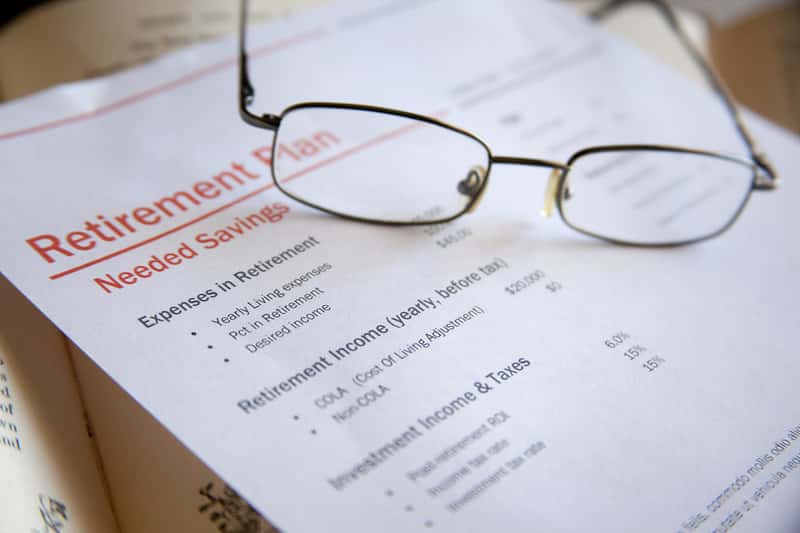
The average monthly Social Security check for a retired worker in the United States sits close to two thousand dollars this year, a number that barely dents rent in most American cities, let alone leaves room for medical bills. Yet that same fixed income, spent somewhere else, tells a very different story. In a handful of countries, two thousand dollars a month is enough to rent a decent home, pay into a functioning healthcare system, and still have a bit left over for daily life.
None of this is theoretical. Retirement researchers, relocation firms, and expat communities have spent the past year tracking exactly what a modest pension buys in these places, and the numbers hold up even as rents and visa rules shift. Here are five countries where that math still works in 2026.
Portugal

Portugal keeps showing up on retirement shortlists for a simple reason: the arithmetic still works outside the two big cities. The overall cost of living runs roughly thirty percent lower than elsewhere in Western Europe, and it is possible to retire there on around two thousand dollars a month, especially in the more affordable regions, covering basic needs like housing, food, transport, and bills. That budget stretches further in places like Coimbra, Braga, or the quieter towns of the Algarve than it does in central Lisbon.
Healthcare is the part that surprises most newcomers. The public system, known as the SNS, provides broad and accessible care with subsidized or low cost medication and treatment. For residency, the D7 visa requires a steady passive income based on Portugal’s minimum wage, which sits at roughly nine hundred and twenty euros a month as of 2026, a threshold a typical two thousand dollar pension clears without much strain.
Panama
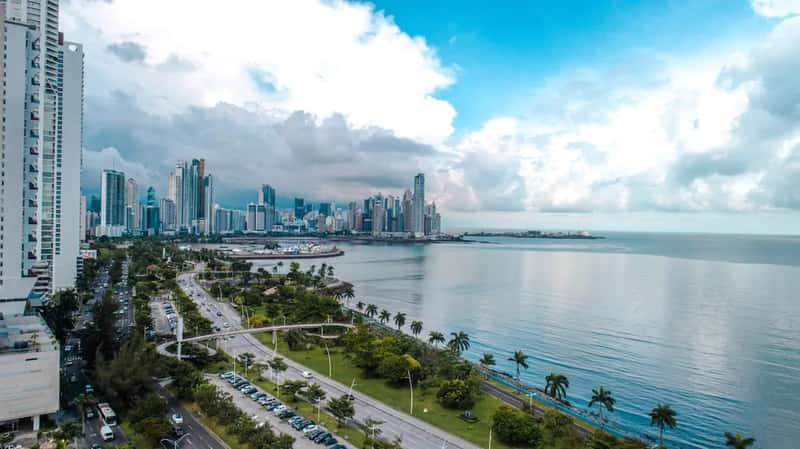
Panama built its reputation on one program: the Pensionado visa, and it still delivers. The visa requires just one thousand dollars a month in lifetime pension income, grants access to the public CAJA healthcare system for legal residents, and a couple can live comfortably on somewhere between two thousand and three thousand dollars a month. Because the country uses the US dollar as its currency, there is no exchange rate risk eating into a fixed pension either.
Housing costs vary a lot depending on where you settle. Along the coast, a modern beachfront condo can rent for around sixteen hundred dollars a month, while inland towns offer charming homes for as little as five hundred dollars. Combine a modest inland or mountain rental with the Pensionado discounts on medicine, utilities, and entertainment, and a two thousand dollar pension covers both housing and health coverage with room to spare.
Costa Rica
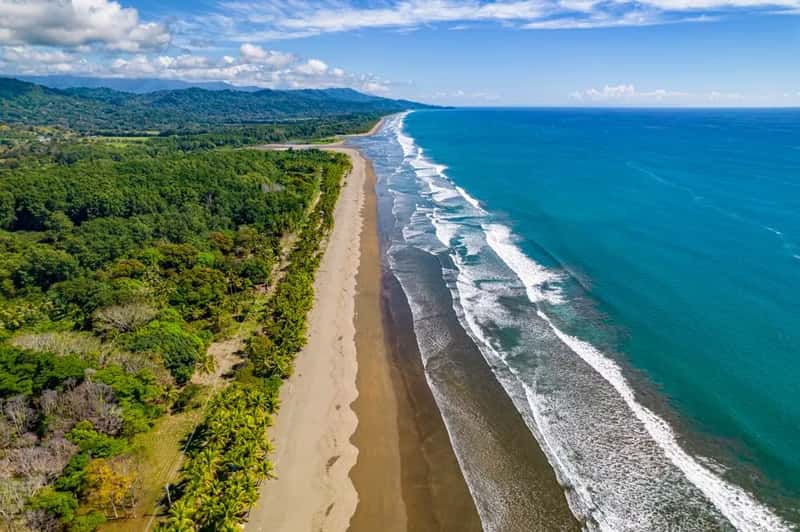
Costa Rica’s version of the same idea runs through its own Pensionado program. Applicants need just one thousand dollars a month in guaranteed lifetime income from a pension or Social Security to qualify, and the visa is a renewable two year temporary residency that can lead to permanent status after three years. Once that residency is granted, enrollment in the national healthcare system follows.
That system, known locally as the Caja, is where the real savings show up. It offers universal coverage at a low cost, typically somewhere around seven to eleven percent of your income, while private healthcare provides fast, high quality care at prices far below those in the US. On the housing side, a couple can live comfortably on around two thousand to three thousand dollars a month, with twenty five hundred often hitting the sweet spot, and in cooler mountain towns rent ranges from eight hundred to fifteen hundred dollars. Beach towns cost more, but plenty of retirees find the mountain option gives them the same lifestyle for less.
Mexico
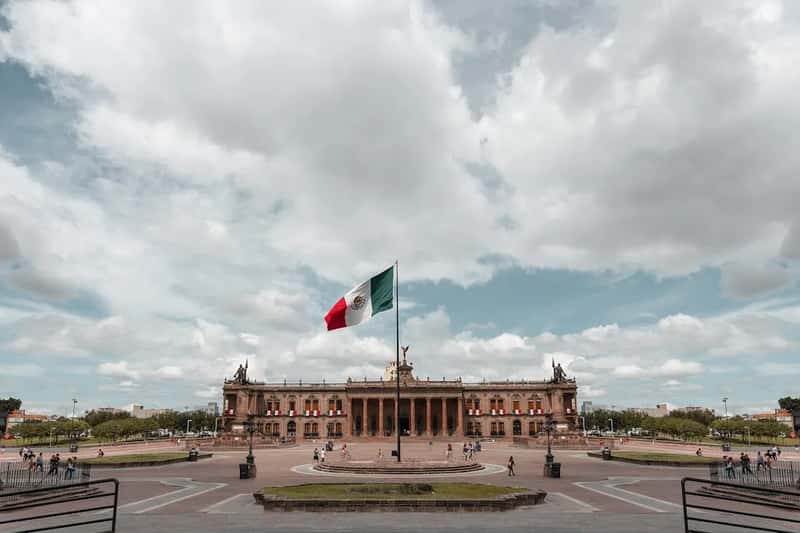
Mexico remains the single most popular retirement destination for Americans, and the numbers explain why. More than 1.6 million US origin residents already live there, and retirees can live comfortably on between twelve hundred and twenty two hundred dollars a month depending on location. Cities like Mérida and the Lake Chapala area sit toward the lower end of that range, while coastal tourist towns push it higher.
Healthcare costs are where Mexico really separates itself from its neighbors. IMSS, the public healthcare system, costs somewhere between five hundred and seven hundred dollars a year per person, and US Social Security is paid abroad without any reduction. On housing, a couple can typically retire on about two thousand to twenty five hundred dollars a month, and with roughly two thousand dollars you can cover a comfortable rental, utilities, regular meals out, and even some household help. It is worth noting that Mexico’s Temporary Resident visa carries its own income threshold, which can run higher than the day to day cost of living, so many retirees qualify through savings rather than pension income alone.
Thailand

Thailand offers a different flavor of affordability, built around a retirement visa that lines up almost exactly with the two thousand dollar figure. The visa’s financial requirements include a bank balance of about twenty four thousand five hundred dollars in a Thai account, a minimum monthly pension of roughly two thousand dollars, or a combined fund that meets the same target. That structure makes Thailand one of the few places where the visa math and the retirement budget math are almost the same number.
Day to day costs back that up. The overall cost of living is estimated to run thirty five to seventy five percent cheaper than in the US, and rents come in around seventy percent lower on average. Thailand’s healthcare system has also made medical care both affordable and of solid quality, which matters for retirees who want more than just cheap rent. Between the lower rents and the private hospital costs that stay well under Western prices, a two thousand dollar pension can cover a one bedroom condo, health coverage, and daily expenses with some cushion left.
What This Means for Retirement Planning

None of these figures are fixed. Currency swings, visa reforms, and local inflation all nudge the numbers up or down from one year to the next, and a budget that works in a quiet inland town rarely stretches the same distance in a capital city or a beach resort. The common thread across Portugal, Panama, Costa Rica, Mexico, and Thailand is not that life there is free, but that a modest, fixed income buys something closer to a full life rather than a survival budget.
For anyone weighing this kind of move, the smartest approach is still the oldest one: visit before you commit, price out healthcare and housing in the specific town you have in mind, and build in some margin rather than budgeting to the dollar. A two thousand dollar pension can cover healthcare and housing in each of these places, but it does so with far more comfort when the location is chosen with care rather than convenience.