Anyone who has ever stood at a pharmacy counter in the United States and watched the register total climb past a hundred dollars for a single prescription knows the frustration. Americans consistently pay more for medications than people almost anywhere else in the world, and the gap isn’t small. Prescription drug prices in the United States are significantly higher than in other nations, with prices in the United States averaging 2.78 times those seen in 33 other nations. For brand-name medications specifically, the disparity is even starker.
U.S. prices for brand drugs were at least 3.22 times as high as prices in the comparison countries, even after adjustments for estimated U.S. rebates. That reality has pushed millions of Americans to look beyond their own borders for relief, whether through cross-border pharmacy runs, mail-order services, or full-blown medical tourism. This piece looks at five countries where the same medications, often identical in formulation, routinely sell for a fraction of what they cost back home.
1. Mexico

For Americans living near the southern border, Mexico has become the go-to destination for affordable prescriptions, and the numbers explain why. The price difference is significant, as certain medications cost up to 80% less when procured in Mexico. The scale of this cross-border habit is enormous. The U.S. government estimates that close to 1 million people in California alone cross to Mexico annually for health care, including to buy prescription drugs.
Real-world examples make the savings tangible. According to International Living’s correspondent living in Mexico, Lipitor is $436 cheaper in Mexico or 28 times cheaper than in the U.S., and more broadly, most meds cost only about 25% to 30% of the cost of meds in the States. To do this legally, though, buyers still need to follow the rules. To legally purchase prescription drugs in Mexico, Americans must comply with the same protocols as they would in the United States, meaning obtaining prescriptions from a licensed Mexican physician and buying them at a registered Mexican pharmacy.
2. Canada
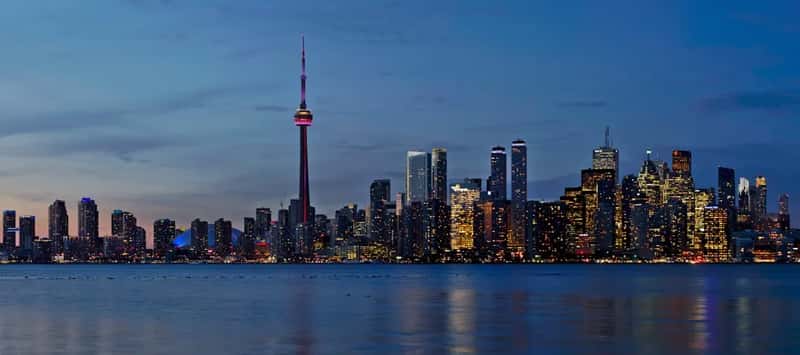
Canada has long been a favorite target for personal drug importation, largely because the country doesn’t let pharmaceutical companies set prices however they like. One factor that can influence medication pricing in Canada is the Patented Medicine Prices Review Board, a federal body that reviews the prices of patented medications sold in Canada. The effect on consumer wallets is substantial. A price comparison of the most sought-after brand-name prescription drugs reveals that average Canadian drug prices are 54% to 90% cheaper than leading U.S. pharmacy prices.
Those percentages translate into real annual savings for patients who order from licensed Canadian pharmacies. Americans importing prescription drugs save an average of $312 a month, or $3,744 a year, on medication from licensed Canadian pharmacies. Specific drug categories show just how wide the gap can be. Flovent inhalers cost around $355 in the U.S. but are available for $36 in Canada, saving up to 90%. Common antidepressants tell a similar story, with SSRIs such as Lustral ranging from $150 to $250 monthly in the U.S., while in Canada these medications are available for as low as $56 per month.
3. India

India has earned its nickname as “the world’s pharmacy” for good reason, and its scale of production keeps prices remarkably low both at home and for export markets. The country is known as “the world’s pharmacy” with its well-developed generic drugs industry supplying around 20% of global off‑patent medicines. Its footprint in the American market is bigger than most consumers realize. India supplies 40% of the US’s demand for generic drugs.
What makes India especially relevant right now is its aggressive move into newer, high-demand drug categories once thought untouchable by generics. In 2026, Sun Pharmaceutical launched a generic semaglutide for as low as 750 rupees, or about $8, for a weekly injection, or about 3,400 rupees per month. Competitors are following close behind, since Dr. Reddy’s Laboratories has so far launched semaglutide for treating diabetes at around 4,200 rupees per month and plans to expand to Canada, Turkey and Brazil this year. Even the original manufacturer has felt the pressure, cutting prices domestically as generic competition intensifies.
4. Costa Rica
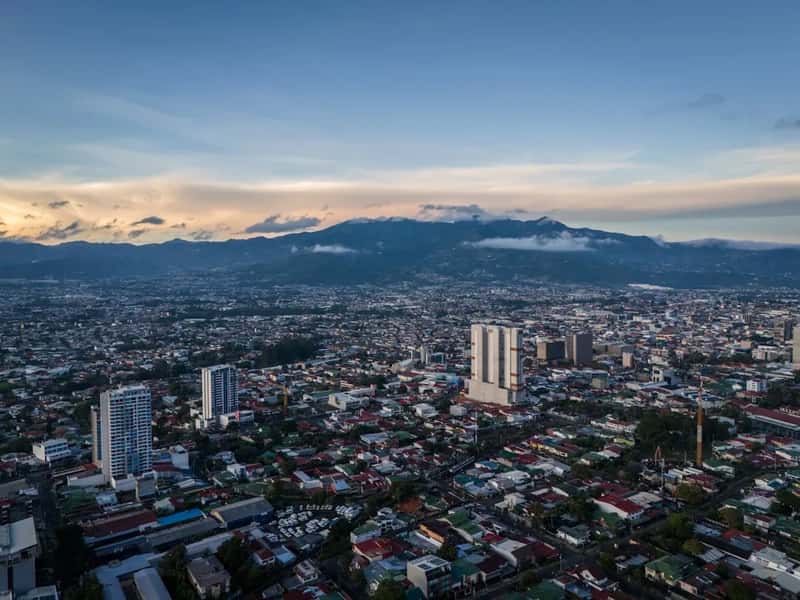
Costa Rica doesn’t get quite as much attention as Mexico or Canada in the drug-pricing conversation, but it belongs on this list for a simple reason: pharmacies there routinely sell common medications at a small fraction of U.S. retail prices. One frequently cited comparison found that most meds cost only about 25% to 30% of the cost of meds in the States across several Central American markets that expats and retirees rely on, Costa Rica included. Diabetes medication offers one of the clearer examples, where Glucophage is $22 cheaper in Costa Rica, or more than two times cheaper than in the U.S.
The country’s appeal isn’t just about individual drug prices either. It fits into a much broader pattern of Americans traveling abroad specifically to access more affordable care, a trend researchers have been tracking for years. Medical tourism, broadly defined as going beyond national borders to access more affordable medical care including lower-cost prescription drugs, is a market projected to grow from $13.98 billion in 2021 to $53.51 billion in 2028. Costa Rica’s combination of accessible pharmacies, English-speaking staff in many tourist areas, and lower baseline costs makes it a natural stop on that broader medical tourism map.
5. Australia

Australia rounds out this list as one of the countries government auditors have specifically flagged when documenting the U.S. drug pricing gap. A federal review compared American prices directly against Australian ones and found notable differences, a finding referenced in the Government Accountability Office’s own report titled “Prescription Drugs: U.S. Prices for Selected Brand Drugs Were Higher on Average Than Prices in Australia, Canada, and France.” That kind of government-to-government comparison carries weight because it strips away some of the marketing noise that surrounds pharmacy pricing claims.
Australia’s pricing advantage largely comes down to structure rather than geography. The country runs a national scheme where the government negotiates directly with manufacturers before a drug reaches pharmacy shelves, a model fundamentally different from the decentralized, largely unregulated pricing system used in the United States. This is consistent with the broader pattern researchers keep finding: in the U.S., drugs with no competitors can be more expensive than in other countries, in part because the U.S. does not directly regulate or negotiate the price of drugs. Countries that do negotiate, Australia among them, tend to end up with noticeably lower price tags for the exact same medications.
None of this means Americans should start booking flights purely to fill a prescription, since legal requirements, quality controls, and practical logistics vary a lot from country to country. Still, the pattern across these five nations tells a consistent story: when governments regulate or negotiate drug prices, or when manufacturing costs are simply lower, patients end up paying far less for the same relief. Until U.S. policy shifts more decisively on this front, that international price gap looks set to remain one of the more uncomfortable facts about American health care.