Not all passports are created equal, and the gap has never been wider. On one end of the spectrum, a booklet can get you into nearly every country on Earth without so much as a phone call to an embassy. On the other, a passport can mean weeks of paperwork, interviews, and rejections just to cross a single border.
The Henley Passport Index, which tracks visa-free and visa-on-arrival access across 227 destinations worldwide, has been charting this divide for two decades. What it shows in 2026 is a mobility gap so pronounced that some nationalities can visit seven or eight times as many countries as others without ever applying for a visa in advance. Here’s a closer look at the five passports that remain stubbornly difficult to upgrade, and the five that keep opening nearly every door on the planet.
1. Afghanistan: locked at the bottom of the index
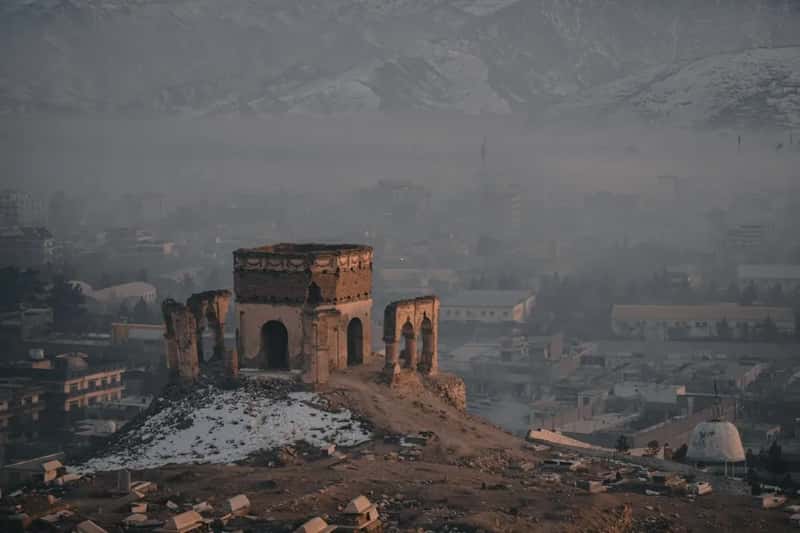
Afghanistan has held the last position on the Henley Passport Index for several consecutive years running, and 2026 is no exception. Afghanistan has held the last position in the passport rankings for several consecutive years, with ongoing political instability, international sanctions, and minimal diplomatic engagement with most of the world meaning Afghan passport holders can enter only 24 countries without a visa. That is a fraction of what top passports offer, and the number has barely moved in recent updates.
The scale of the divide is what makes Afghanistan’s case so striking. The 2026 passport rankings reveal a record mobility gap, with the difference between the strongest passport and the weakest now standing at 168 destinations, the widest divide in the 19 year history of the index. For ordinary Afghan citizens, that isn’t an abstract statistic. It translates into extensive visa applications, high refusal rates, and long waiting periods before any trip abroad can even be planned.
2. Syria: a passport shaped by years of conflict
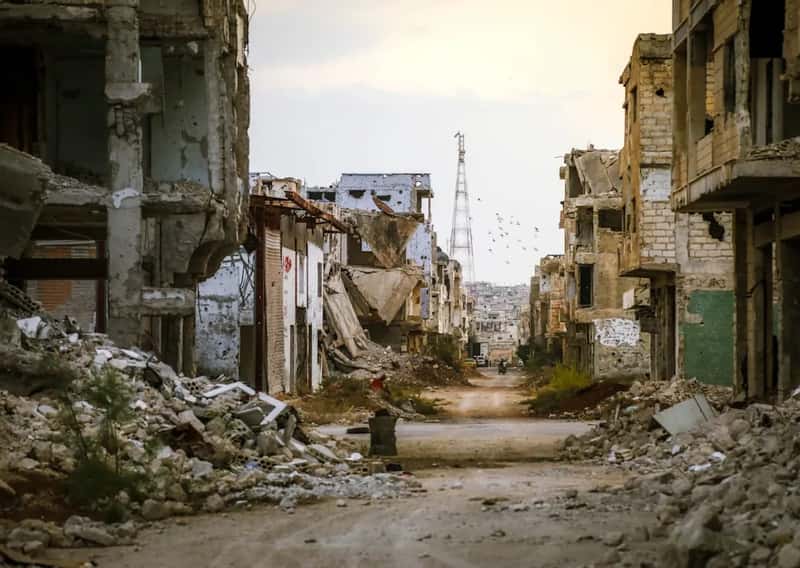
Syria sits just above Afghanistan in the rankings, and the reasons are strikingly similar. Years of civil war and economic sanctions have placed Syria near the bottom of global rankings, and Syrian citizens encounter extensive documentation requirements and visa scrutiny when traveling internationally. The passport currently grants visa-free entry to only a small number of destinations worldwide.
What makes Syria’s position so hard to shift is the mix of factors working against it at once. Sanctions, diplomatic isolation, and an unresolved conflict all limit the kind of reciprocal travel agreements that push other passports up the index. In 2026, a Singaporean citizen can visit over seven times as many countries without a visa compared to someone from Syria. That comparison captures just how far the Syrian passport would need to climb to close the gap.
3. Iraq: slow progress despite reconstruction efforts

Iraq ranks slightly above Syria and Afghanistan, but the improvement has been modest at best. In 2026, Iraq holds the 99th spot on the Henley Passport Index. Its visa-free access remains limited to a narrow band of destinations, most of them regional neighbors rather than the broader international community.
Rebuilding diplomatic trust takes far longer than rebuilding infrastructure, and that shows in Iraq’s passport standing. Countries weigh visa reciprocity against security assessments, economic stability, and past travel patterns, all of which still work against Iraqi applicants. Until those underlying conditions shift meaningfully, Iraq is likely to remain grouped with the world’s lowest ranked passports rather than climbing toward the middle of the table.
4. Pakistan: caught between size and mobility
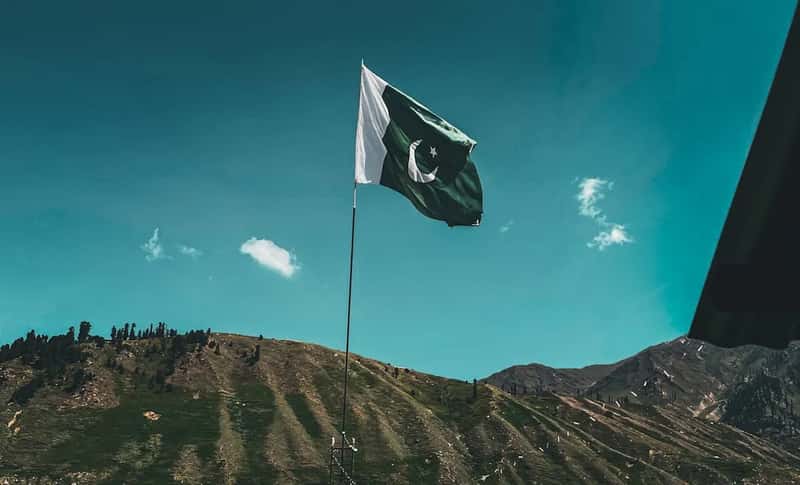
Pakistan is a reminder that population size and passport power don’t move together. Despite being one of the world’s most populous countries, its passport remains among the weakest in terms of travel freedom. Pakistan and Yemen tie at 31 destinations each in the latest data, a figure that has barely budged over the past several years.
The reasons echo those seen elsewhere on this list. Political volatility, security concerns among receiving countries, and a limited network of bilateral visa waiver agreements all keep Pakistan’s mobility score low. Unlike passports that have climbed dramatically through targeted diplomatic outreach, Pakistan’s position has stayed largely static, making it one of the harder passports in the world to meaningfully upgrade.
5. Yemen: conflict without a clear diplomatic path forward
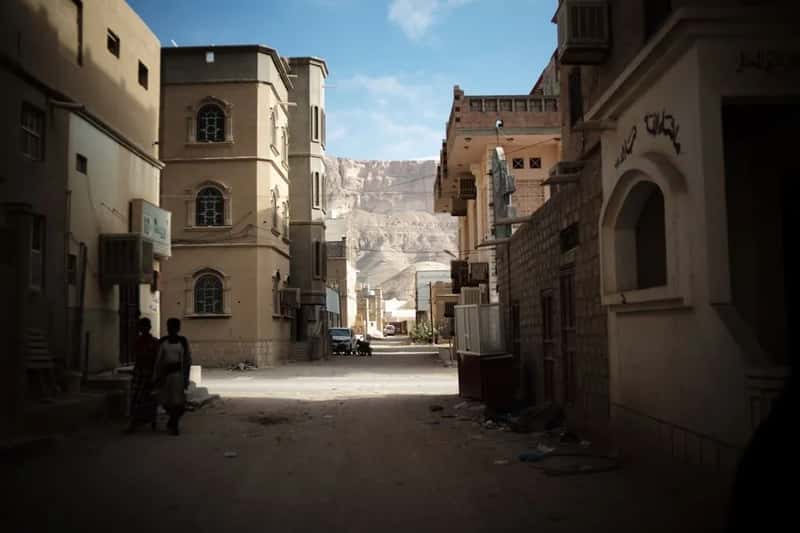
Yemen rounds out the group of the five hardest passports to upgrade, tied closely with Pakistan in overall access. Pakistan and Yemen tie at 31 destinations each, placing both nations firmly in the bottom tier of the Henley Passport Index. Years of internal conflict have made it difficult for Yemen to negotiate the kind of visa waiver agreements that typically drive a passport up the rankings.
What separates a passport that climbs from one that stays put often comes down to stable governance and consistent diplomatic engagement, neither of which Yemen has had the chance to build in recent years. Other countries that once ranked similarly low, such as parts of the Western Balkans, have shown that dramatic improvement is possible under the right conditions. For Yemen, that kind of turnaround remains a distant prospect rather than a near term possibility.
6. Singapore: the passport that opens the most doors
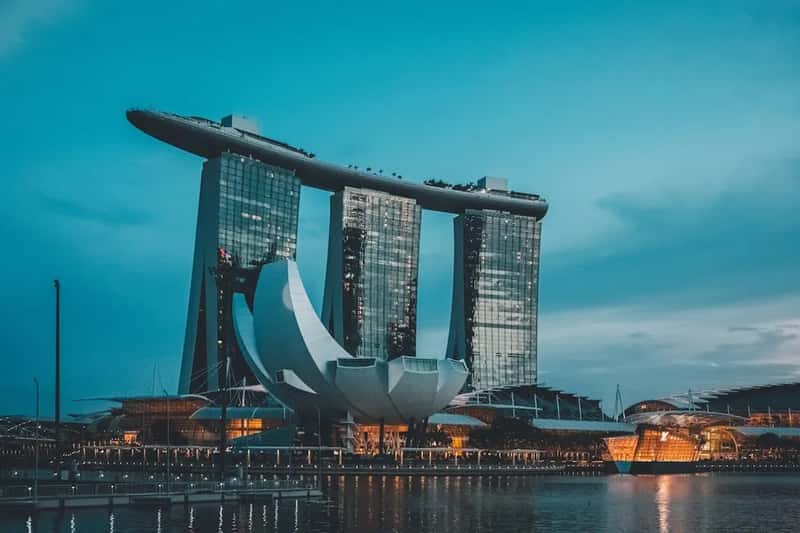
At the very top of the index sits Singapore, and it isn’t particularly close. Singapore has retained its position as the world’s most powerful passport, offering access to 192 destinations visa-free, according to the Henley Passport Index 2026. That figure has held steady across recent updates, cementing the city state’s status as the global benchmark for travel freedom.
Singapore’s position reflects decades of careful diplomatic strategy rather than luck. The city state’s passport now offers nearly five times more global mobility than the weakest ranked countries on the list. Small in size but outsized in influence, Singapore has built the kind of reciprocal trust with governments around the world that keeps its citizens moving with minimal friction.
7. Japan: consistency at the very top
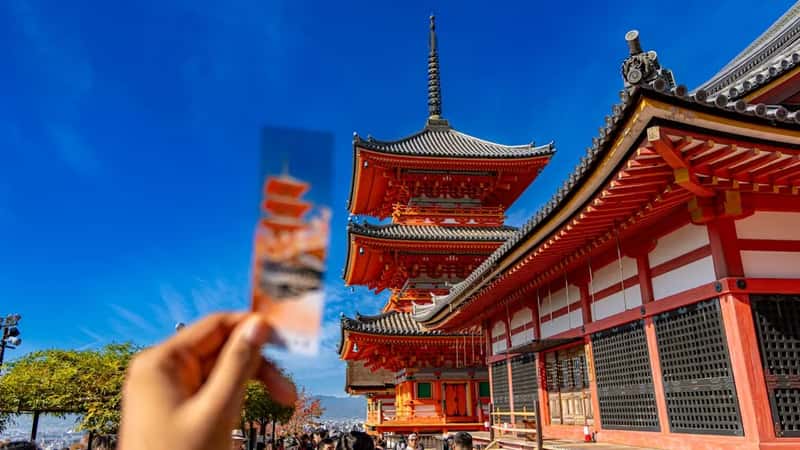
Japan has spent years trading the top spot with Singapore, and even when it slips to second place, the gap is razor thin. Japan and South Korea rank joint 2nd, each offering visa-free access to 188 destinations, reinforcing Asia’s long standing leadership at the top of the global mobility rankings. For Japanese travelers, that means nearly the entire world is open without advance paperwork.
What keeps Japan near the summit isn’t a single policy but a broad pattern of trust built over decades of stable governance and extensive diplomatic ties. Few countries hesitate to grant Japanese citizens visa free entry, and that consistency has made Japan a fixture at the top of the index rather than a temporary visitor there. It’s the kind of steady performance that other nations spend years trying to replicate.
8. South Korea: Asia’s other mobility powerhouse
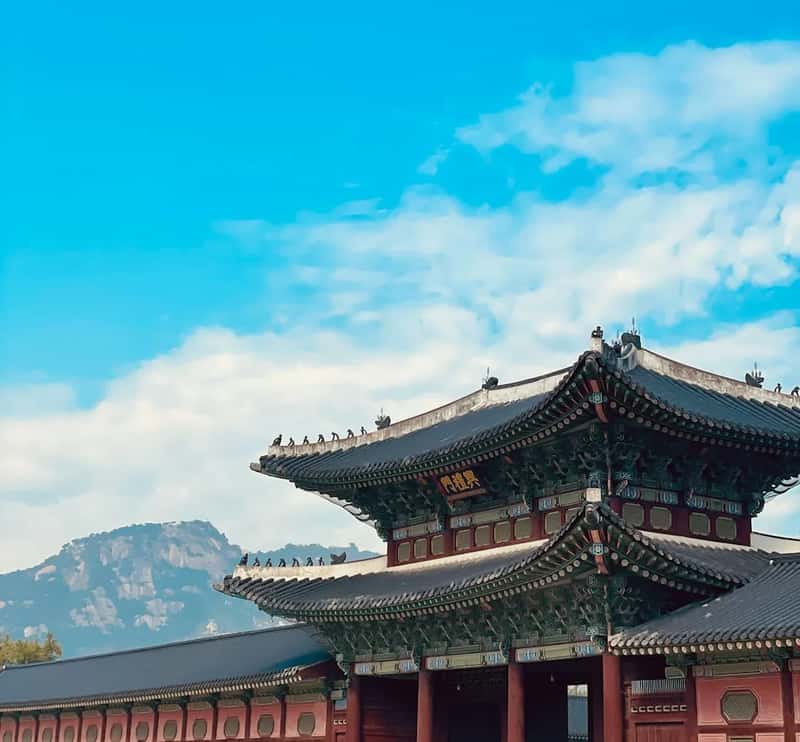
South Korea shares its position with Japan, and the two countries have become something of a matched pair at the top of the rankings. South Korea offers visa-free access to 188 destinations, a figure that places it firmly among the most powerful passports anywhere in the world. That kind of access didn’t happen overnight.
South Korea’s climb up the index over the past two decades mirrors its broader rise as a global economic and cultural force. Trade relationships, tourism partnerships, and a strong diplomatic corps have all played a role in convincing other nations to waive visa requirements for Korean citizens. The result is a passport that now rivals any in the world for sheer reach.
9. United Arab Emirates: the fastest riser in passport history
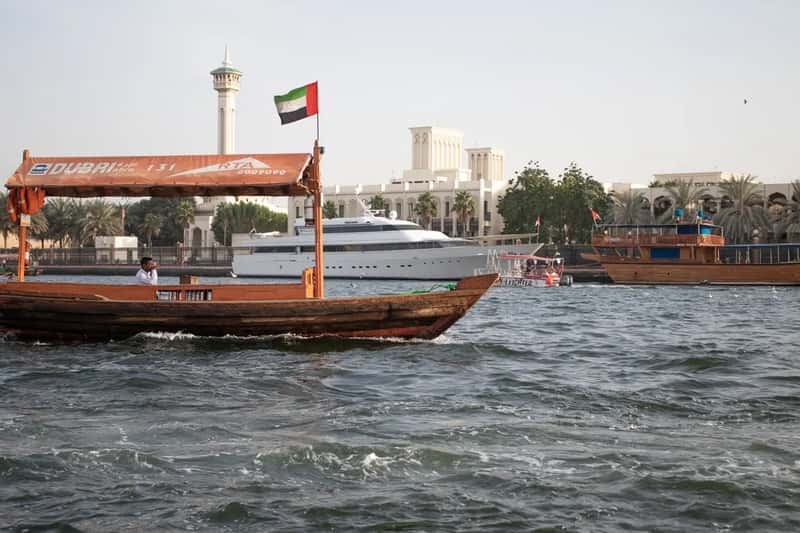
No passport has transformed its standing more dramatically than the UAE’s. The UAE stands out as the strongest performer on the Henley Passport Index over the past 20 years, adding 149 visa-free destinations since 2006 and climbing 57 places to 5th on the rankings with access to 184 destinations visa-free, driven by sustained diplomatic engagement and visa liberalisation. That is one of the most aggressive climbs the index has ever recorded.
The UAE’s rise offers a useful counterpoint to the countries stuck at the bottom of this list. It shows that passport power isn’t fixed. It can be built deliberately through trade agreements, tourism investment, and active diplomacy, even for a country that ranked far outside the top tier just twenty years ago.
10. Germany and the European cluster: strength in numbers
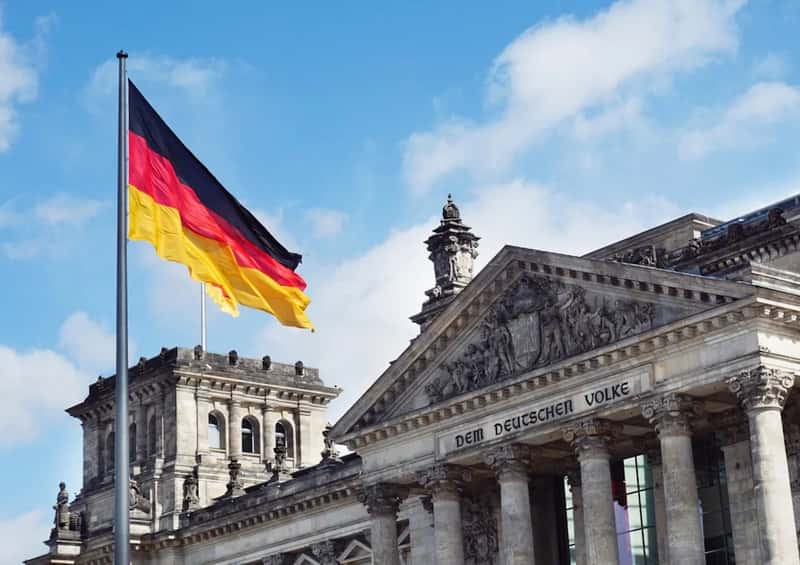
Germany represents a wider pattern rather than standing alone, since much of Western Europe now clusters together near the top of the index. An unprecedented group of 10 European countries, including Austria, Belgium, Finland, France, Germany, Greece, Ireland, Italy, Netherlands and Norway, are tied for 4th place. That kind of collective strength is unusual, and it reflects the European Union’s decades long push for reciprocal open borders.
What makes the European cluster notable isn’t just the raw number of visa free destinations. It’s the consistency across so many countries at once, something no other region has managed at this scale. For a German, French, or Italian traveler, that consistency means a passport that opens nearly every door without much variation from one neighboring country to the next.