Passport rankings rarely make headlines the way stock markets or election results do, yet they quietly tell a story about diplomacy, trade deals, and shifting global alliances. Every quarter, Henley & Partners updates its index using International Air Transport Association data, and 2026 has produced some genuinely striking movement. While Singapore has kept its grip on the top spot, the more interesting drama is happening further down the list, where a handful of countries have rewritten their travel access in ways that took some of the world’s biggest economies decades to achieve.
1. United Arab Emirates

No passport tells a more dramatic story this year than the UAE’s. Henley identifies it as the index’s strongest climber over the past two decades, up 57 places and adding 149 destinations since 2006. By the middle of 2026, the biggest climber of the past 20 years is the United Arab Emirates, which now ranks second, having climbed 60 places in that time and with access to 153 more destinations, after being in 10th place just a year earlier.
The scale of that jump is hard to overstate. The UAE passport has recorded a historic climb, rising five spots to fifth place, with its surge reflecting sustained diplomatic engagement and visa liberalisation, surpassing countries including New Zealand, Australia, the UK, Canada, Iceland, and the US. Different quarterly snapshots place the UAE anywhere from joint second to joint fifth depending on exactly when the data was pulled, but every version of the 2026 index agrees on one thing: no country has closed the gap with the traditional travel elite faster than the Emirates.
2. Kosovo
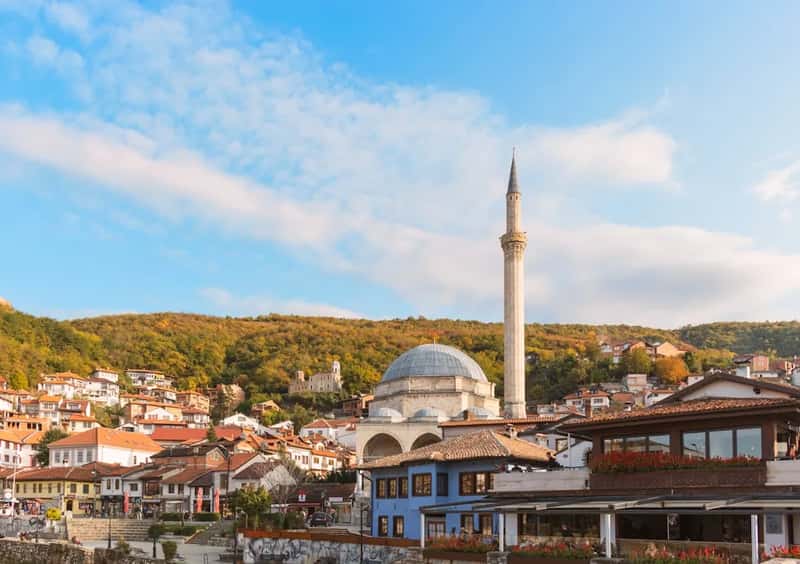
Kosovo’s rise has been slower and steadier than the UAE’s, but no less remarkable given where it started. If we just consider the last decade, Kosovo has seen the biggest rise in the ranking, up 38 places, from 97th to 59th since 2016, with access to an additional 43 destinations. That kind of movement usually takes a country decades of careful diplomacy, not ten years.
Part of the explanation lies in Kosovo’s push toward European integration and its expanding network of bilateral agreements. Passport holders from Kosovo have visa-free access to 83 countries, ranking them 60th, and while there is still a long way to go before reaching the global average, Kosovo has made significant gains in recent years, rising 35 places in the rankings since 2016. For a country still working to normalize diplomatic recognition with a number of United Nations members, that trajectory stands out as one of the more unusual mobility success stories of the decade.
3. China

China’s climb has been driven less by broad global liberalization and more by a targeted series of reciprocal deals with specific regions. China has risen 28 places, from 87th to 59th, over the past 10 years, adding an additional 31 destinations to its total score of 141 countries that its citizens can now visit without a prior visa. Much of that momentum traces back to a wave of mutual visa exemption agreements signed in early 2024.
The turning point came when from February 9, 2024, citizens of China and Singapore were permitted to travel visa-free between each country for stays of up to 30 days, a policy that applies to tourism, visiting friends and relatives, and business travel. Around the same period, Thailand and Malaysia struck similar arrangements, and Beijing has continued layering on more agreements since. The result is a passport that, while still far from the global elite, now opens doors that were firmly shut just a few years ago, including easier access for Chinese travelers heading into Gulf and South American markets.
4. India

India’s gains in 2026 have been smaller in absolute terms but noteworthy given the size of the population involved. India’s passport rose to 75th position in the Henley Passport Index for February 2026, up from 85th last year and 80th at the start of 2026, with citizens now able to visit 56 countries visa-free or with visa-on-arrival. That is a jump of ten places in just a matter of weeks, an unusually fast move for an index that typically shifts gradually.
Curiously, the climb happened even as India’s raw destination count dipped slightly. Even though India lost two countries compared with 2025, the ranking improved because other countries experienced larger declines, since the Henley Passport Index ranks passports relative to each other, not just by absolute visa-free destinations. It’s a reminder that passport rankings are always a relative game. Sometimes moving up the table has less to do with what you gained and more to do with what everyone else lost.
5. Saudi Arabia
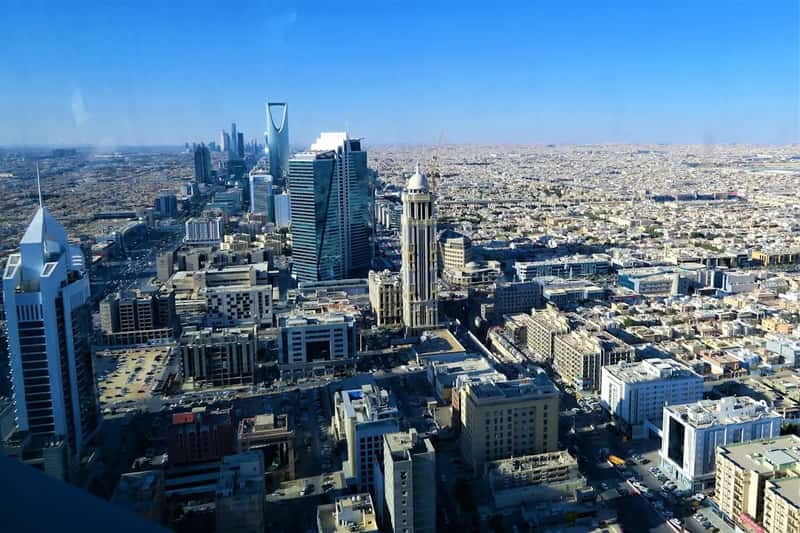
Saudi Arabia’s movement in 2026 has been steady rather than spectacular, but it fits a broader Gulf trend of expanding travel access through targeted diplomacy. Saudi Arabia’s passport jumped four places to 54th in the Henley Passport Index 2026, with access to 91 destinations through visa-free, visa-on-arrival, or ETA entry. That places it among the fastest-moving passports in the Middle East outside of the UAE.
Analysts tie the gains directly to Riyadh’s ongoing diplomatic outreach. Saudi Arabia moved four places up to 54th by adding four new destinations, a pattern consistent with the kingdom’s broader Vision 2030 push to normalize relations and deepen trade ties across Asia, Africa, and Latin America. It’s a modest climb compared to the UAE’s leap, but it fits a regional pattern of Gulf states quietly building out their travel networks year after year.