There’s a strange irony playing out across the travel world right now. The very places that spent decades building glossy ad campaigns to lure visitors are now spending money and political capital trying to slow them down. It’s not that these destinations have stopped wanting tourism altogether, but rather that they’ve hit a point where the sheer volume of visitors is straining housing, water supplies, wildlife, and the patience of the people who actually live there.
Venice, Italy
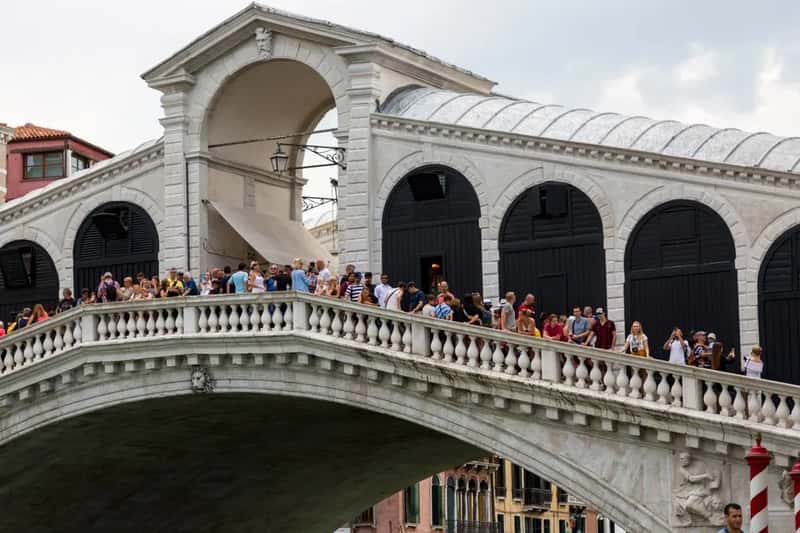
Venice has become something of a case study in what happens when a city’s charm outpaces its capacity. Since 2024, the Italian city has become known for its tourist tax, and it’s back again in 2026, running on 60 designated days between April and July. The city welcomes nearly 30 million visitors a year, and roughly seventy percent of them are day-trippers who leave the same evening without staying overnight.
That matters because those quick visits contribute little to the local economy while adding enormously to congestion. On peak dates, the city has attracted nearly 25,000 tourists in a single day, equivalent to half its resident population. Meanwhile, Venice’s actual population has dwindled to just around 50,000 over the past couple of decades. Day-trippers now pay five euros if booked in advance, or ten euros for last-minute entry, though the fee hasn’t dramatically reduced the crowds so far.
The Canary Islands, Spain
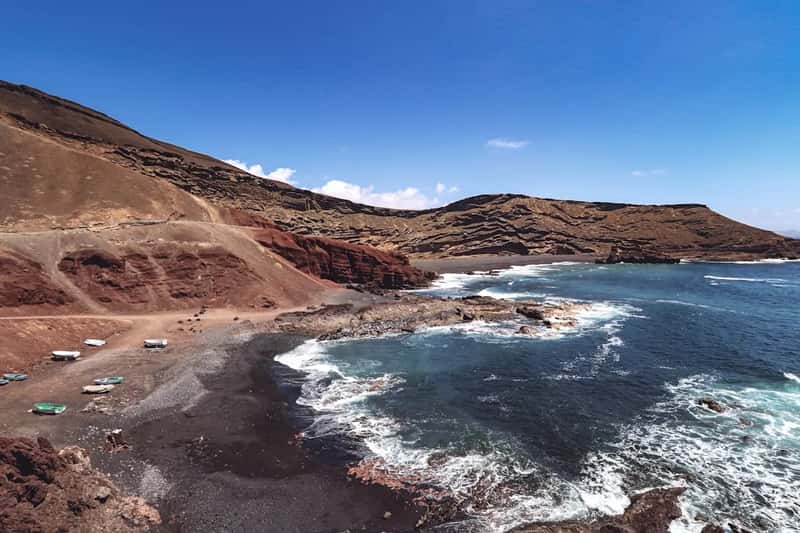
Spain’s Canary Islands have become one of the most visible fronts in Europe’s pushback against mass tourism. Thousands marched through the streets of Tenerife, Gran Canaria, and Lanzarote under the banner “Canarias tiene un límite,” meaning “The Canaries have a limit.” Their message centered on booming tourism, soaring housing costs, and mounting environmental strain threatening the foundations of island life.
The numbers help explain the frustration. In 2025, the islands saw an overwhelming influx of 7.8 million visitors, while airports handled over 27 million passengers in just the first six months alone. Tourism now contributes more than a third of the Canary Islands’ GDP and employs roughly forty percent of the population, yet that success has come at a real cost for locals. Residents have described being priced out of neighborhoods once filled with traditional homes as more properties convert into short-term holiday rentals.
Bali, Indonesia
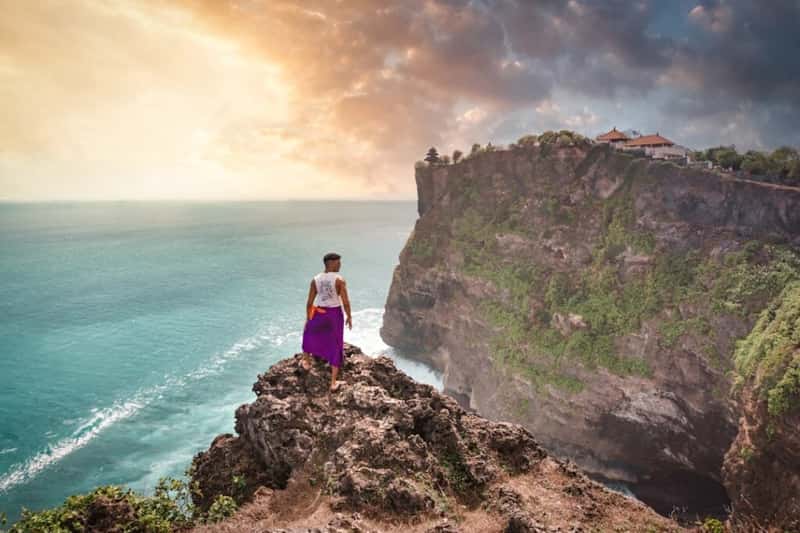
Bali’s overtourism story is less about entry fees and more about enforcement, or the lack of it. Indonesia has intensified enforcement of its roughly ten dollar tourism levy for all international visitors arriving in Bali, a fee that’s been on the books since early 2024. Despite that, compliance has been surprisingly weak.
Despite being in effect for over two years, only a fraction of tourists are fulfilling the payment requirement, with a reported thirty-five percent compliance rate. Part of the problem is structural. Only five out of 37 international airlines flying into Denpasar currently inform passengers about the tax during booking or on arrival. Beyond the tax itself, only about seven percent of Bali’s roughly 303,000 tonnes of annual plastic waste gets recycled, a figure that underscores just how far the island’s infrastructure lags behind its tourism boom.
Antarctica
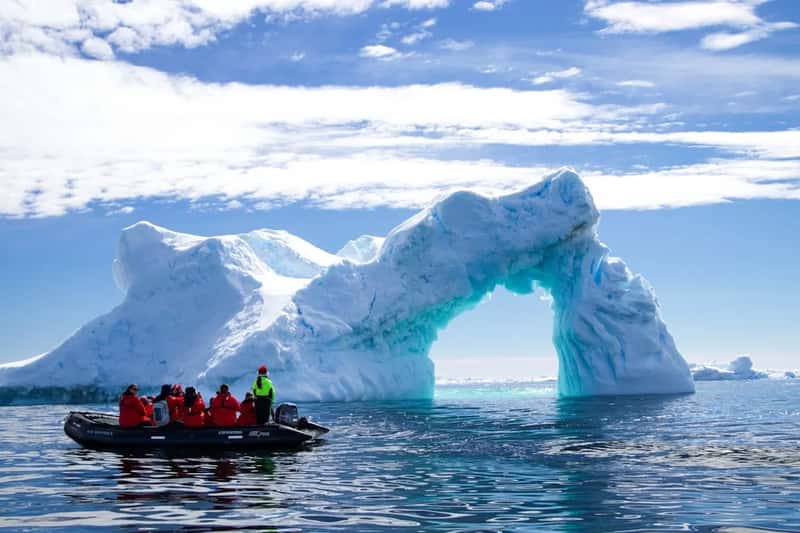
It sounds almost absurd on paper: how does a frozen, largely uninhabited continent become a poster child for overtourism? Yet Antarctica tops travel guide Fodor’s most recent “No List” for exactly that reason. Antarctica topped the list this year, with tourist numbers having risen tenfold in thirty years, bringing a high carbon footprint and disturbing local wildlife.
The scale of future growth is what worries scientists most. According to Fodor’s, the number of people coming to view the glaciers could double by 2033. Scientists have warned that this mass tourism is unsustainable for the fragile polar landscape. Every cruise ship, every zodiac landing, and every footprint on the ice adds pressure to an ecosystem with almost no natural defenses against human traffic.
Mount Everest, Nepal and Tibet
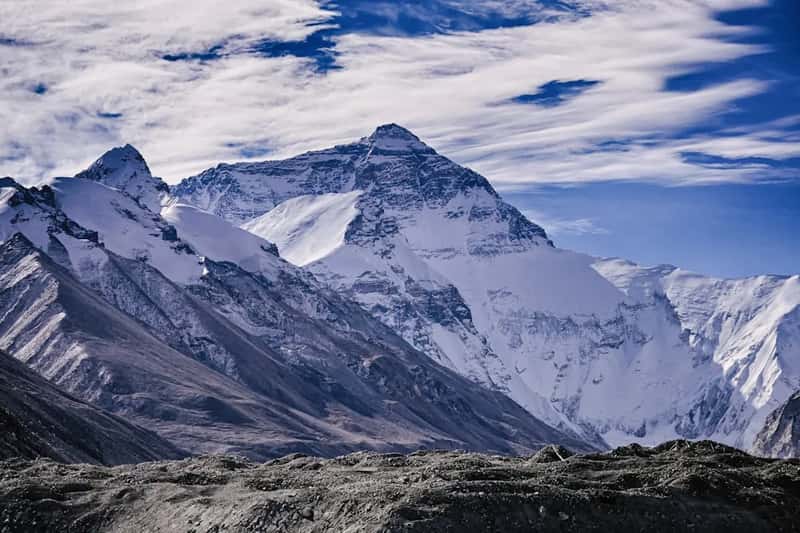
Even the world’s tallest peak isn’t immune to the crowding problem. Climbers now queue in long lines near the summit during narrow weather windows, and the mountain’s popularity has created an unglamorous side effect that rarely makes it into adventure photography. Mount Everest, situated in the Himalayas between Nepal and China, generates nearly 2,000 pounds of human waste and other rubbish daily due to unchecked climbing permits and rising tourist numbers.
That waste problem sits alongside broader concerns about permit numbers, guide safety, and the strain on Sherpa communities who support the climbing economy. Nepal has periodically discussed capping permits or raising fees, though enforcement has lagged behind the demand from climbers eager to check the summit off their list. The mountain’s fragile, high-altitude environment simply wasn’t built to absorb the current volume of foot traffic, oxygen canisters, and camp waste that modern expedition tourism produces.
Where This Leaves Travelers
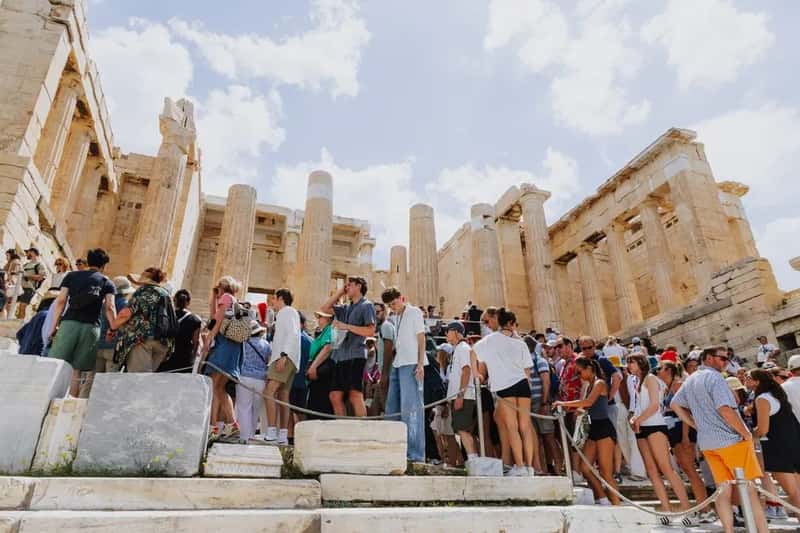
None of these five places are asking to be erased from bucket lists entirely. What they’re asking for, in different ways and through different policies, is a bit more thought before booking, whether that means paying a modest entry fee, timing a visit outside peak weekends, or simply spending a night rather than rushing through for an afternoon. The measures vary wildly, from Venice’s day-tripper charge to the Canary Islands’ rental crackdowns to Antarctica’s looming visitor caps, but the underlying message is consistent.
Popularity, it turns out, has a ceiling. These five destinations are living proof that even the most beloved places on Earth can reach a point where the crowds themselves become the biggest threat to the very qualities that made them worth visiting in the first place.