Breathing clean air sounds like something everyone should get to take for granted, but that’s not the reality for most Americans. The American Lung Association’s newest “State of the Air” report found that 44% of Americans – 152.3 million people – are living in places that get failing grades for unhealthy levels of ozone or particle pollution[1]. Against that backdrop, a small handful of cities stand out as genuine bright spots, places where the air is consistently clean by national and even global standards.
This ranking draws on the Lung Association’s 27th annual report, a project that has analyzed data from official air quality monitors to compile the “State of the Air” report for 27 years[2]. The rankings below reflect the most recent edition, which graded counties using EPA monitoring data collected between 2022 and 2024. From a wind-swept Wyoming valley to a Pacific island metro, here are the five U.S. cities currently leading the pack on clean air.
1. Bozeman, Montana
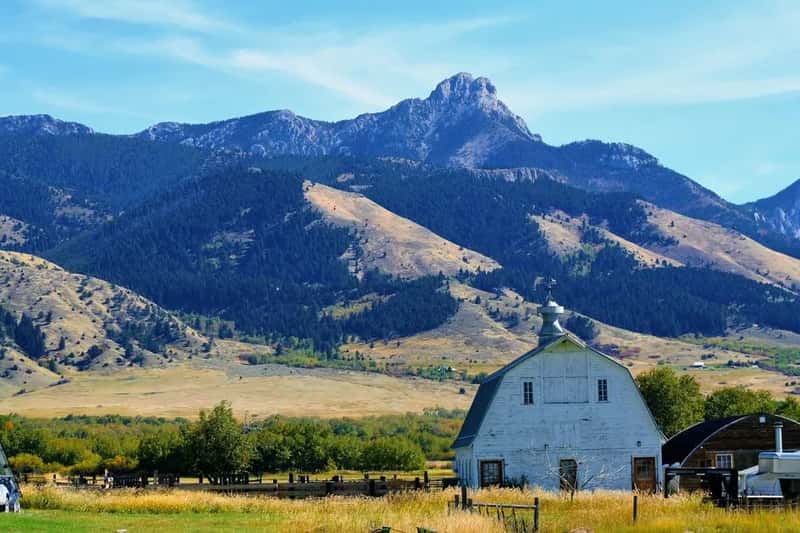
Bozeman claimed the top spot nationally in the latest cycle of rankings for year-round particle pollution, a title that had belonged to other cities in previous years. Reporting on the 2026 “State of the Air” findings noted plainly that Bangor earned an “A” for ozone and short-term particle pollution exposure and came in 10th on the list of 25 cities with the lowest year-round particle levels, while Bozeman, Montana, took the top spot there this year[3]. That distinction places Bozeman ahead of every other metro area in the country for average fine-particle concentrations, the pollutant most closely tied to long-term respiratory and cardiovascular harm.
Coverage of the report specifically singled out Bozeman as one of the country’s standout performers this cycle, describing it alongside other top finishers as part of a broader look at where Americans breathe the cleanest air. Weather.com’s rundown of the report framed it this way, noting the “State of the Air” report reveals the cleanest cities and air quality rankings across the country, from top-ranked metro areas like Bozeman, Montana and Casper, Wyoming to standout performers like Bangor, Maine[4]. Montana’s relatively low population density and limited heavy industry give the region a natural advantage that’s hard for larger metro areas to replicate.
2. Casper, Wyoming
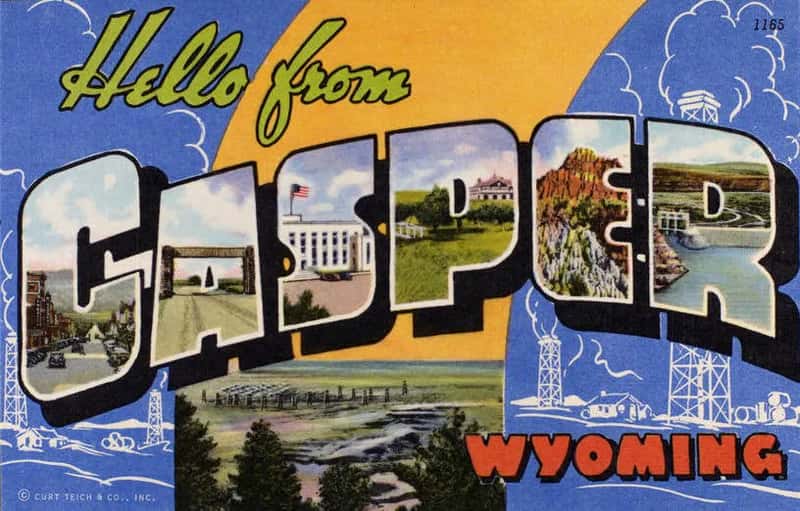
Casper has been a fixture near the top of these rankings for several years running, and it climbed even higher in the latest report. The Lung Association’s own state-level release confirmed the improvement, stating that the Casper, WY metro area ranked 210th worst in the nation, or 2nd best among the nation’s cleanest cities, which was better than the area’s ranking in last year’s report of 207th worst in the nation, tied for best among the nation’s cleanest cities[5]. In other words, Casper has gone from a tie for first place to a solid second, still firmly among the cleanest air in the country.
The city’s success is often credited to geography rather than policy alone. A Cowboy State Daily interview with the Lung Association’s senior director for clean air advocacy pointed out that Wyoming’s open terrain plays a major role, noting the role of strong winds in Casper and Cheyenne that help clear out pollution, an advantage over cities in more stagnant valleys like Salt Lake City, Utah[6]. That constant air movement keeps particle pollution from settling and accumulating the way it does in valley-bound cities elsewhere in the West.
3. Bangor, Maine
No city can match Bangor’s consistency across every single measure the Lung Association tracks. In the 2026 report, it was the only metro area in the entire country to earn top marks on all three of the “cleanest cities” lists. As one health reporter summarized it, Bangor, Maine, is the last city standing on all three of its “cleanest cities” lists, with zero days of unhealthy ozone and short-term particle pollution, and some of the lowest year-round concentrations of dangerous particle pollution in the country[3]. That’s a rare sweep, since most clean-air cities excel in one or two categories but slip in another.
Bangor’s ozone performance in particular has been remarkably steady. The city’s local report card shows the Bangor metro area ranked among the nation’s cleanest cities for ozone pollution for its 9th year in a row, based on zero unhealthy days per year in Penobscot County, for which it earned an A grade[7]. City officials have leaned into the reputation, too. Bangor’s community and economic development director told CNN that residents often cite the clean-air ranking as a reason they wanted to move there in the first place.
4. Honolulu, Hawaii
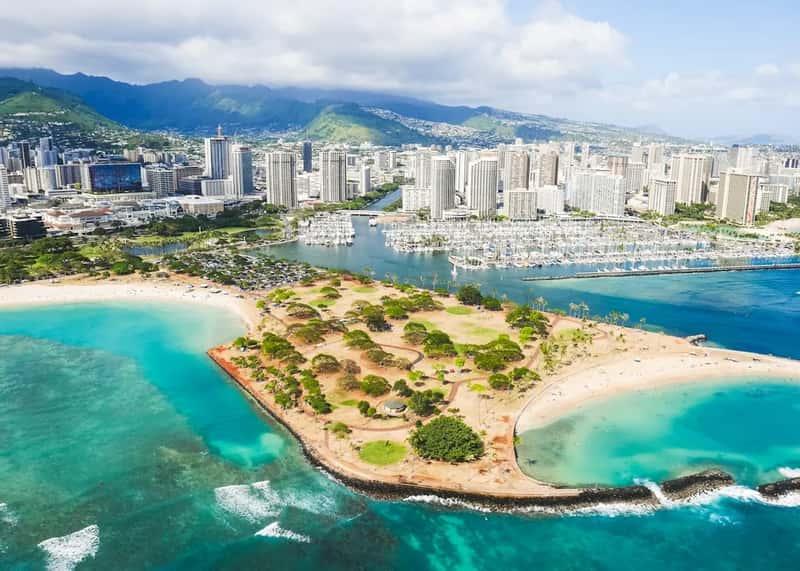
Honolulu holds a distinction few other cities can claim: it shows up on multiple cleanest-city lists at once, not just one. The Lung Association’s Hawaii-focused release for the 2026 report stated directly that the Urban Honolulu, HI metro area appears on the list of cleanest cities in the nation for ozone pollution and annual particle pollution[8]. Being recognized for both smog and soot in the same year is unusual, and it reflects consistently favorable conditions rather than a single good year.
Much of that consistency comes down to geography. Reporting on Hawaii’s air quality has noted that consistent trade winds push pollutants away from the city and help maintain fresh air conditions[9] across the island. Combined with limited heavy industry and a climate that discourages the kind of stagnant, trapped air common in landlocked cities, Honolulu has built a long track record as one of the country’s most reliably clean urban areas.
5. Cheyenne, Wyoming
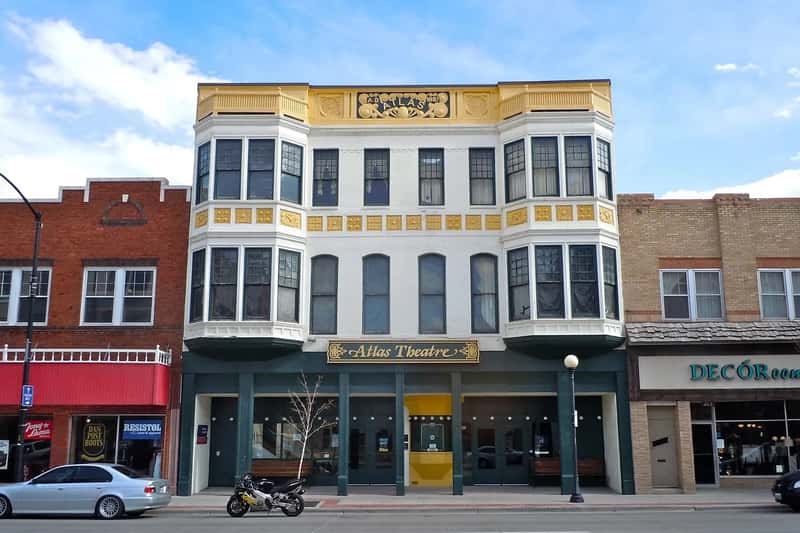
Wyoming’s capital rounds out this list, often mentioned in the same breath as Casper for its unusually clean air. The Lung Association’s own headline for its 2026 Wyoming release made the pairing explicit, titled “New Lung Association Report Ranks Casper and Cheyenne Among Cleanest Cities in the US for Soot,” underscoring that Cheyenne’s low particle pollution levels aren’t a one-off. In an earlier edition of the rankings, local coverage noted that both Casper and Cheyenne landed in the top ten for cleanest U.S. cities based on year-round particle pollution, with Casper taking the number one spot nationwide and Cheyenne coming in at number eight[10].
Cheyenne benefits from the same wind-driven dispersal that helps Casper, sitting in open, high-elevation terrain rather than a pollution-trapping valley. That geographic advantage, paired with a relatively small industrial footprint and low population density, keeps particle concentrations well below the levels seen in more congested or valley-bound metro areas. It’s a pattern that shows up again and again across Wyoming’s cleanest cities, and it’s a big part of why the state as a whole keeps posting some of the lowest particle pollution averages in the nation.
What ties these five cities together isn’t luck. Wide open geography, steady wind patterns, low industrial density, and, in some cases, deliberate local investment in green space all show up again and again in the data. Air quality can shift year to year depending on wildfire activity, weather, and even changes in federal monitoring priorities, so a city’s spot on this list isn’t guaranteed to stay fixed forever. Still, for anyone chasing cleaner air, whether for health reasons, outdoor recreation, or simply peace of mind, these five metro areas currently represent the gold standard in American air quality.