Europe still carries a reputation for being expensive, and in cities like Paris, Zurich, or Amsterdam, that reputation holds up just fine. Yet a look at 2026 cost of living data tells a different story once you move away from the continent’s priciest capitals.
Several countries manage to combine EU healthcare standards, decent infrastructure, and genuinely pleasant daily life with monthly budgets that would barely cover rent elsewhere. For a single person planning a move, a sabbatical, or simply a fresh start, these six destinations deserve a closer look.
Portugal: Atlantic charm without the Western European price tag
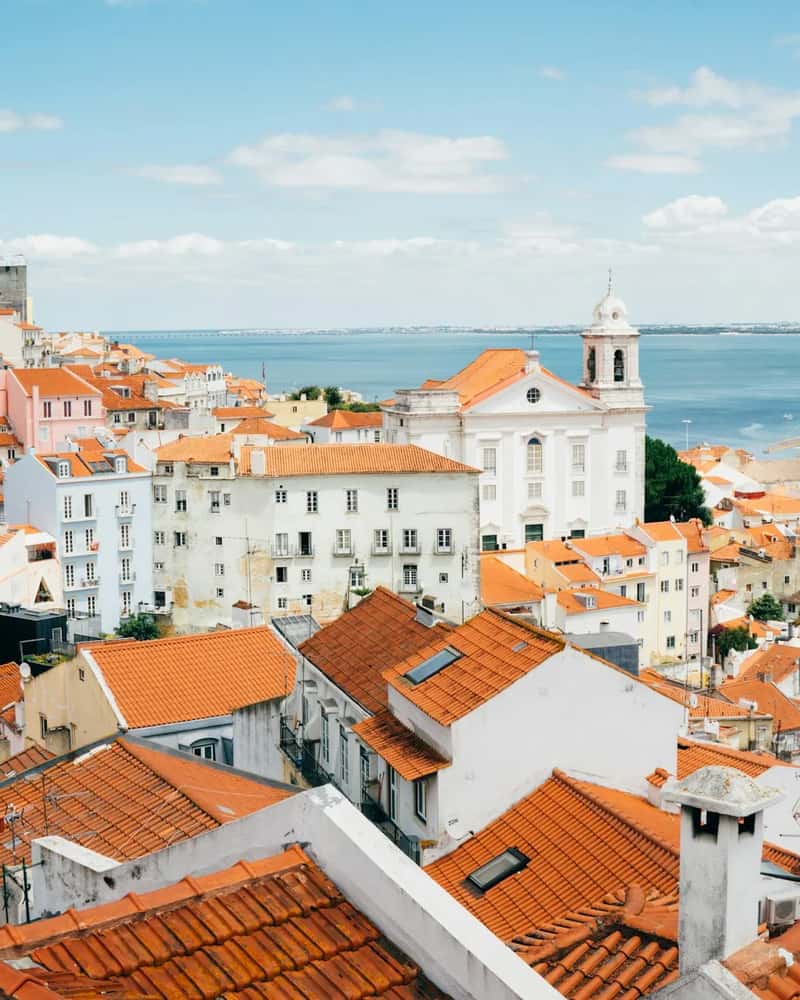
Numbeo’s latest Portugal page estimates monthly living costs for a single person at about €674 excluding rent. Wages have also been climbing steadily, with the national minimum wage standing at €920 per month as of January 1, 2026, up from €870 in 2025, and the most recent INE data showing average gross monthly earnings of €1,741 in Q2 2025. Compared to bigger Western economies, the gap is striking, since the UK’s overall cost of living including rent runs 36.6% higher than Portugal’s, with rents 28.7% higher and groceries 35.3% higher.
Skip the coastal hotspots and the savings multiply. The most affordable cities in Portugal are Aveiro, Castelo Branco, Evora, Santarem, and Viseu, where a modest apartment and a normal grocery run go a long way. On the healthcare side, all legal residents, including expats, can use Portugal’s national health service, which provides access to care with little to no co-payments, a benefit that quietly removes one of the biggest financial worries people carry when relocating.
Greece: Mediterranean living on a modest single income

Greece often gets filed under “expensive Mediterranean escape,” but the real numbers say otherwise. The monthly cost for one person in Greece is €809 without rent, while a family of four spends €2,777 per month, and monthly rent starts at €397 for a one-bedroom apartment outside the city centre. Set against other Western economies, Greece is 30% lower than in the USA and 20% more affordable than in the UK.
What makes Greece stand out isn’t just the price tag, it’s what that price still buys. With a cost-of-living index of 51, Greece is cheaper than other European countries, yet healthcare in Greece is free for citizens and expats who contribute to the Social Insurance Institute. Longevity figures back up the quality-of-life claim too, since Greece is ranked 32nd out of 200 countries by life expectancy, at 84 years for women and 79 for men.
Poland: Central European value that keeps improving
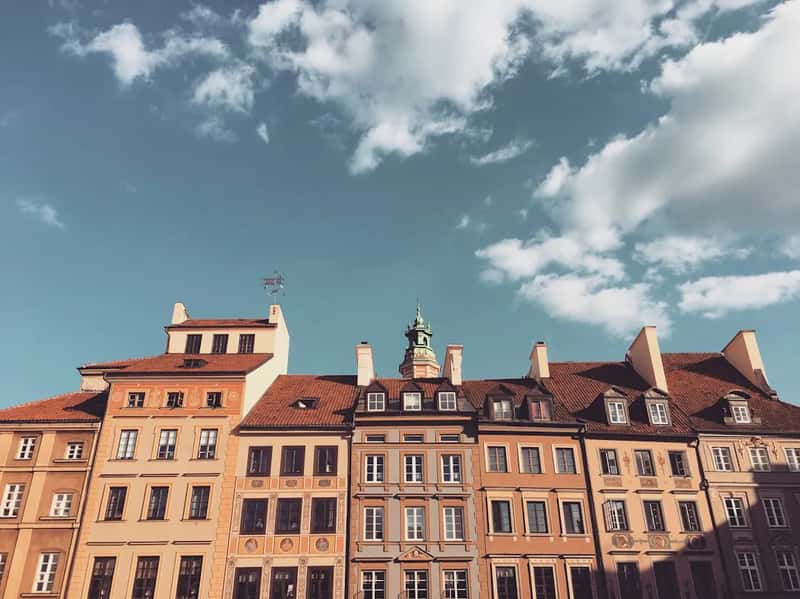
Poland has quietly become one of the more comfortable budget options in the EU, especially outside the capital. In Warsaw itself, around 9,000 to 11,000 PLN net per month is comfortable for a single person, covering a one-bedroom apartment near the centre, regular dining out, gym, entertainment and savings. That is still noticeably cheaper than equivalent Western European capitals for a similar lifestyle.
Head to a smaller city and the numbers drop further. A single expat in Krakow spends roughly 5,780 PLN per month, about 1,350 EUR, for a comfortable lifestyle with their own apartment, and other Polish cities are typically 15 to 40% cheaper than Warsaw. Broadly speaking, Poland offers one of the most affordable EU living options, with monthly costs of roughly €1,100 to €1,800, all while sitting inside the EU’s legal and healthcare framework.
Bulgaria: The EU’s best-kept budget secret
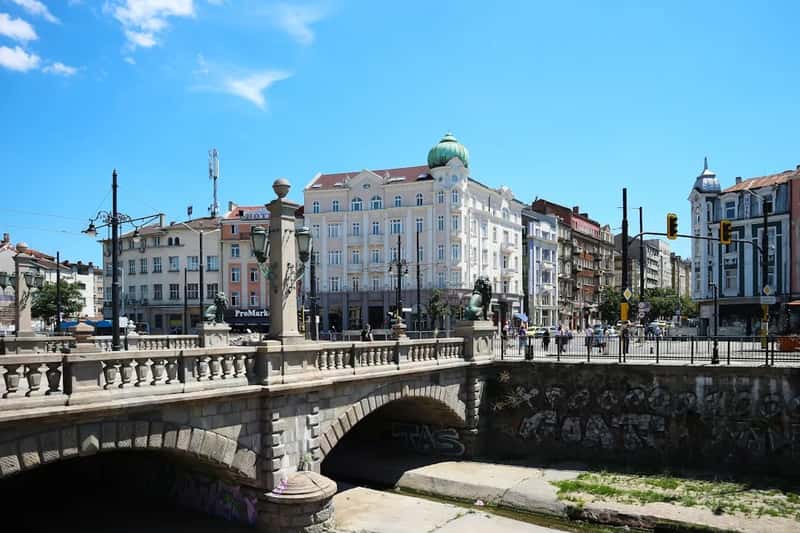
Bulgaria rarely tops general “move to Europe” lists, which is part of why it remains so affordable. Currency stability helps here too, since the Bulgarian Lev is officially pegged to the Euro at exactly 1.956 BGL/EUR, meaning residents don’t have to worry about wild currency fluctuations. On the broader EU scale, Bulgaria and Romania have prices around 57% of the EU average, making them the cheapest within the EU.
Sofia, the capital, illustrates just how far a single budget stretches. Average rent for a one-bedroom apartment sits around $473 a month, and depending on lifestyle, a single person needs between $1,130 and $1,557 per month in Sofia. The city’s Anchor Cost Index of 29 out of 100 confirms what the raw numbers already suggest: this is one of the more genuinely low-cost capitals left in the EU.
Slovakia: Low bills tucked inside the eurozone
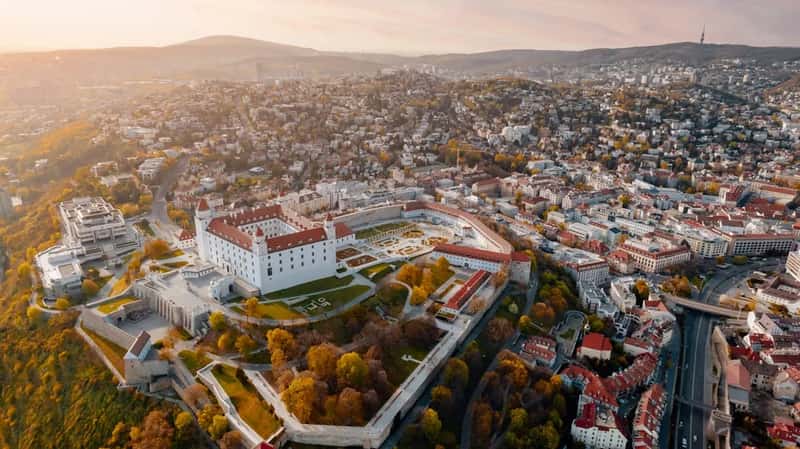
Slovakia doesn’t get the same attention as its neighbors, but it belongs firmly in this conversation. Monthly living costs for a single person in Slovakia run around €740, excluding rent, which places it among the more budget-friendly eurozone members rather than the fringe of Europe’s economy.
Housing adds to the appeal, since across this tier of affordable countries, one-bedroom apartments are available for under €500 per month in several destinations. Slovakia’s advantage is that this affordability comes with full eurozone membership, meaning no currency conversion headaches and the kind of banking and travel convenience that non-euro neighbors can’t offer.
Slovenia: Small country, outsized comfort
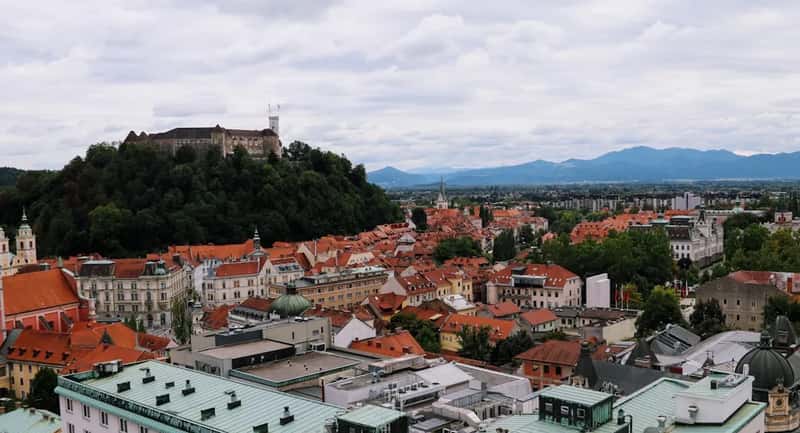
Slovenia sits in an interesting middle ground, cheaper than Western Europe but not quite as bargain-priced as the Balkans. Most expats report spending more, but locals prove it doesn’t have to cost that much, since most expats spend €1,800 to €2,500 a month, though a local-style budget can sit near €1,000. Slovenia sits between the affordable Balkans and pricier Western Europe, which sums up its appeal fairly well.
Housing costs are concentrated almost entirely in the capital. At the beginning of 2026, the average rent per square meter in the capital is around €18 per month, yet rents in Ljubljana are also 30 to 50% higher than in cities like Maribor or Celje. For anyone willing to skip the capital, Slovenia offers clean cities, easy access to nature, and a noticeably calmer pace of life without the price tag of Austria or Switzerland next door.
Final thoughts

None of these six countries are secret anymore, but they remain underused by people who assume Europe automatically means high prices. Portugal and Greece offer Mediterranean warmth and EU healthcare, Poland and Slovakia combine solid infrastructure with low bills, while Bulgaria and Slovenia round things out with currency stability and quiet, livable cities.
The common thread across all six is simple: a single, modest income goes noticeably further here than in most of Western Europe, without asking anyone to sacrifice safety, healthcare, or day to day comfort.