There’s a particular kind of relief that comes with stepping outside after sunset and not having to calculate every move. For solo female travelers, that feeling isn’t guaranteed everywhere, which is exactly why nighttime safety has become one of the biggest factors shaping travel decisions in 2026. Search interest in solo female travel has surged in recent years, and with that growth has come a much sharper focus on which cities actually deliver peace of mind once the streetlights come on.
Crime perception data, transit safety records, and firsthand traveler feedback all point to a short list of cities that consistently outperform the rest after dark. These aren’t just places with low crime statistics on paper. They’re cities where public transportation runs reliably late, streets stay lit and populated, and the general rhythm of daily life doesn’t shut down the moment the sun goes.
Taipei, Taiwan
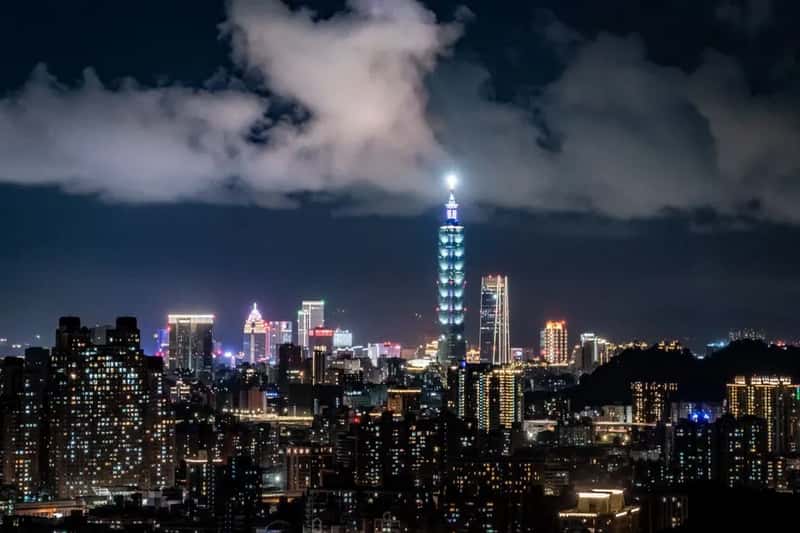
Taipei has emerged as something close to the gold standard for nighttime safety among solo female travelers. According to InsureMyTrip’s 2026 analysis of the Numbeo Crime and Safety Index, Taipei has been ranked the number one safest city for solo female travelers in 2026, praised specifically for its efficient public transportation, low crime rates, and overall sense of order that makes navigating solo feel straightforward even after dark. That combination of order and reliability is rare, and it shows in how travelers describe the city.
Reports consistently note that public transportation is reliable and convenient, including late at night, and that it is not uncommon for women to be out alone in the evenings. Night markets stay busy well past dark, sidewalks remain well lit, and the general culture of respecting personal space adds another layer of comfort. It’s the kind of city where a late dinner or a solo walk back to a hotel doesn’t require much second-guessing.
Tokyo, Japan
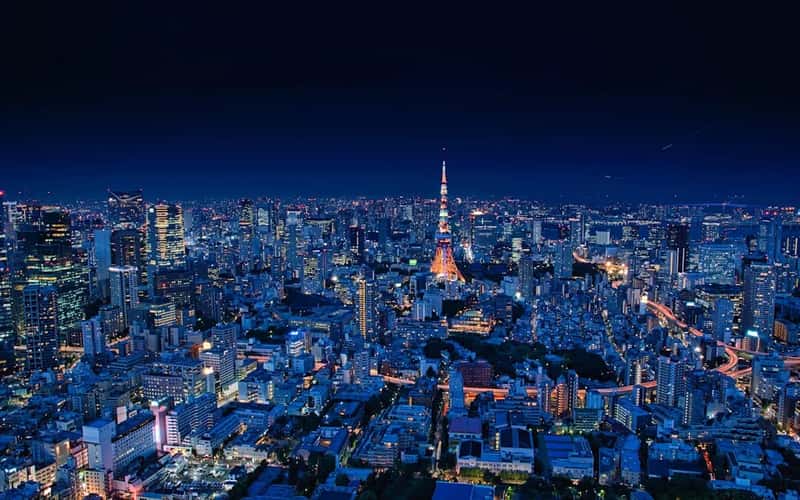
Tokyo’s reputation for nighttime safety isn’t new, but it remains one of the most consistently cited examples among frequent travelers. As one longtime traveler put it when comparing roughly a hundred cities they’d visited, the safest of the 100 or so cities they’d spent time in was surely Tokyo, where women alone and children go about their business and travel freely and safely on the subways at all hours. That kind of firsthand impression tends to carry weight because it comes from direct comparison rather than a single data point.
What makes Tokyo distinct is the sheer density of activity that continues well into the night. Convenience stores stay open around the clock, train stations remain staffed, and the city’s low tolerance for public disorder keeps streets calm even in busy nightlife districts. Solo travelers often mention that the biggest adjustment isn’t safety concerns at all, but simply getting used to how normal it feels to be out late alone.
Zurich, Switzerland
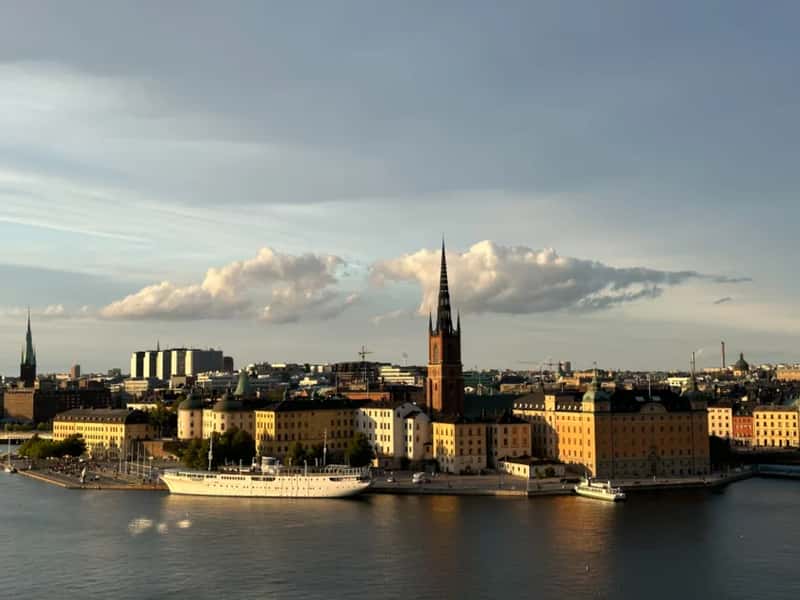
Switzerland as a country scores exceptionally well on nighttime safety metrics, and Zurich sits at the center of that reputation. Recent data shows that clean, compact cities, punctual transit, and a culture of rule-following help explain why about 85% of women report feeling safe at night in Switzerland. That’s a notably high figure compared to most European countries.
Zurich itself blends that national safety culture with a manageable, walkable layout that makes it easy to orient yourself even in unfamiliar neighborhoods. The city’s lake promenades and old town streets stay active with locals well into the evening, which adds a natural layer of visibility and reassurance. Multilingual services and reliable late-night transit options round out why it’s frequently recommended for first-time solo travelers to Europe.
Copenhagen, Denmark
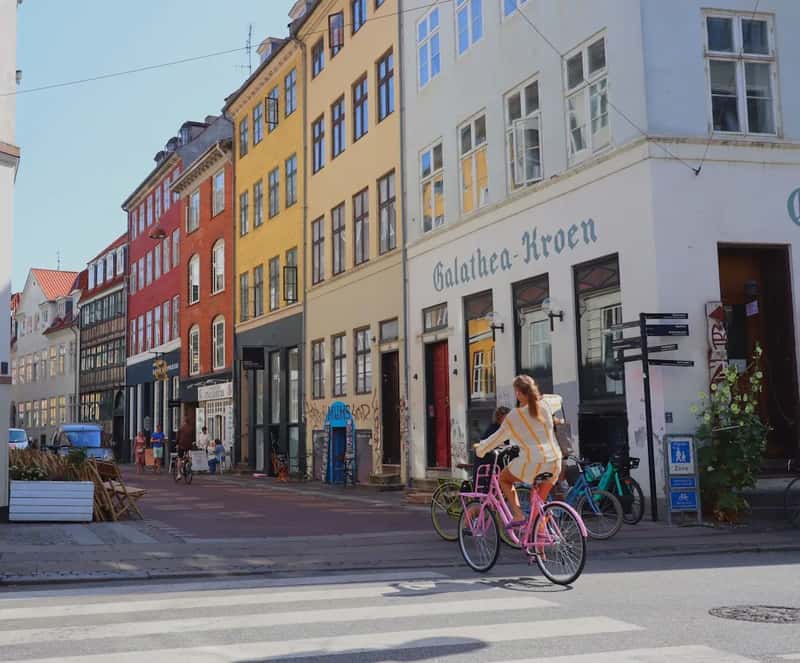
Copenhagen tends to show up on nearly every list of safe destinations for women traveling alone, and the reasoning goes beyond crime statistics. Travel researchers note that Copenhagen feels emotionally safe as much as physically safe, with the city’s hygge culture prioritizing comfort, warmth, and everyday connection. That distinction matters, since feeling safe is often as much about atmosphere as it is about statistics.
The city’s cycling infrastructure means streets are busy with commuters at almost any hour, which naturally discourages the kind of isolated, poorly lit corners that make other cities feel riskier at night. Public transit runs late and reliably, and Denmark’s broader reputation for gender equality and social trust filters down into how the city is experienced day to day. Many solo travelers describe Copenhagen as a place where the guard comes down faster than expected.
Montreal, Canada
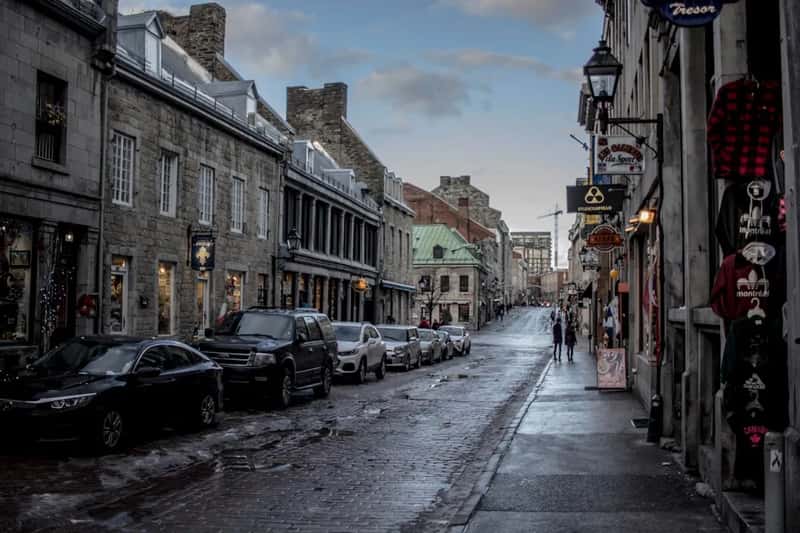
Montreal has built a strong case as one of North America’s most reassuring cities for women traveling solo after dark, particularly around how well its streets are lit. According to Holidu’s safety analysis, Montreal has taken the crown as the safest city to visit as a solo female traveller, scoring highly across the board, especially for how bright it is at night and how safe women feel when walking alone after dark. Lighting might sound like a small detail, but it consistently ranks among the top predictors of how safe a street feels once the sun goes down.
The data backs this up further, with the city ranking 12th out of all cities for radiance levels, meaning that many of its streets are likely to be illuminated at night and therefore safer for women to walk around when on their own. Combined with a comparatively low crime rate for a city of its size, Montreal offers a rare mix of European-style walkability and North American infrastructure. Its late-night café culture and active downtown core mean there are usually plenty of people around, even well past midnight.
Ljubljana, Slovenia
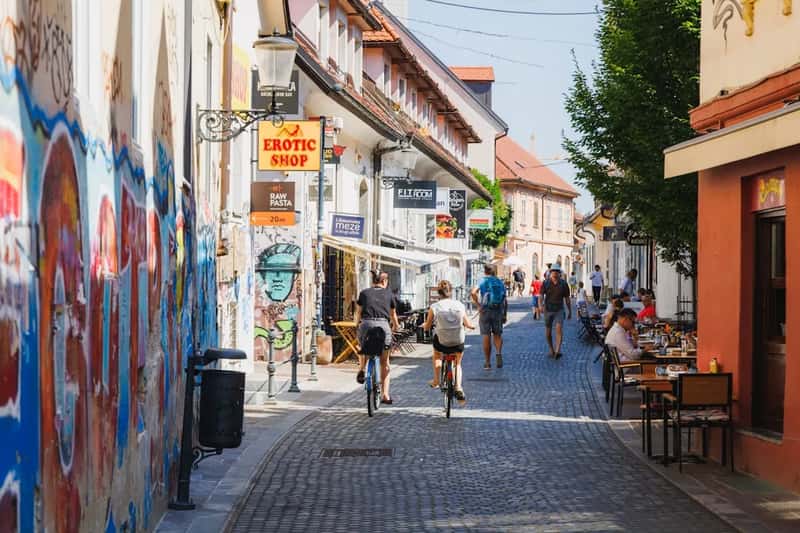
Slovenia’s compact capital has quietly become one of Europe’s most trusted destinations for solo women, particularly for evening walks. Survey data indicates that Slovenia is considered a very safe place for females to walk around alone at night, with 76% of women saying that they feel safe when doing so. That figure places it well above many larger, more heavily touristed European capitals.
Ljubljana’s small scale works in its favor here. The entire old town is walkable in under twenty minutes, riverside paths stay lively with locals in the evening, and the general absence of large crowds means fewer opportunities for the kind of chaos that can make bigger cities feel unpredictable at night. It’s worth noting that the city isn’t particularly bright or flashy after dark, but that low-key atmosphere seems to contribute to the sense of calm rather than detract from it.