Coastal living has a reputation problem. Say the words “beach house” or “waterfront property” and most people picture a price tag with too many zeros, the kind of number that puts salt air and sunset views firmly out of reach for anyone without a trust fund.
That assumption holds up in plenty of places, but not everywhere. Scattered along the Gulf Coast and the Great Lakes shoreline, a handful of small towns have quietly stayed affordable while the rest of the coastal real estate market climbed. Here is a closer look at six of them.
Pascagoula, Mississippi
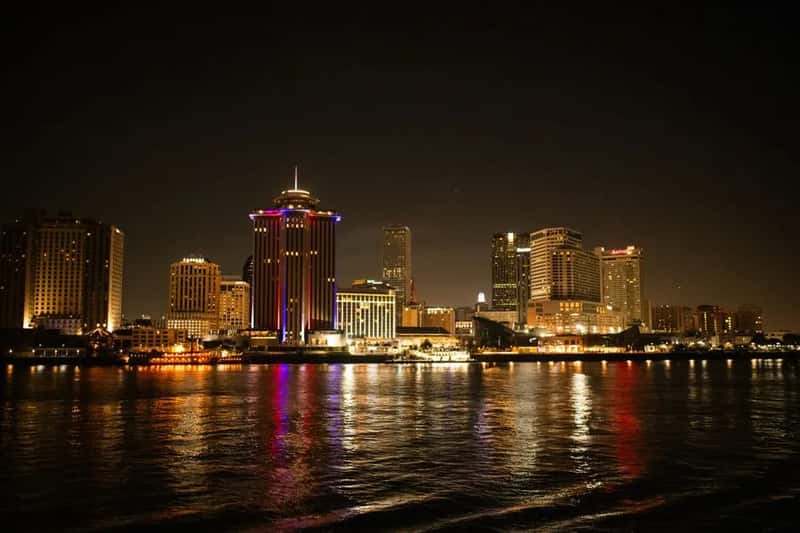
Pascagoula sits on the Mississippi Sound, and it has become something of a poster child for affordable coastal living. Pascagoula has a median home price of about $142,000, with a housing stock comprising single-family homes and older waterfront homes. That figure has actually come down from where it stood just a couple of years earlier, when Pascagoula led national affordability rankings with a median list price closer to the mid-$160,000s.
The town is not a sleepy backwater either. Mississippi’s “Flagship City” has antebellum architecture, a thriving job market, with Chevron and Ingalls Shipbuilding leading the charge. The walkable downtown, local amenities, quiet beaches, and small community provide coastal living and a laid-back community-style lifestyle, which is practical for year-round residents.
Port Arthur, Texas
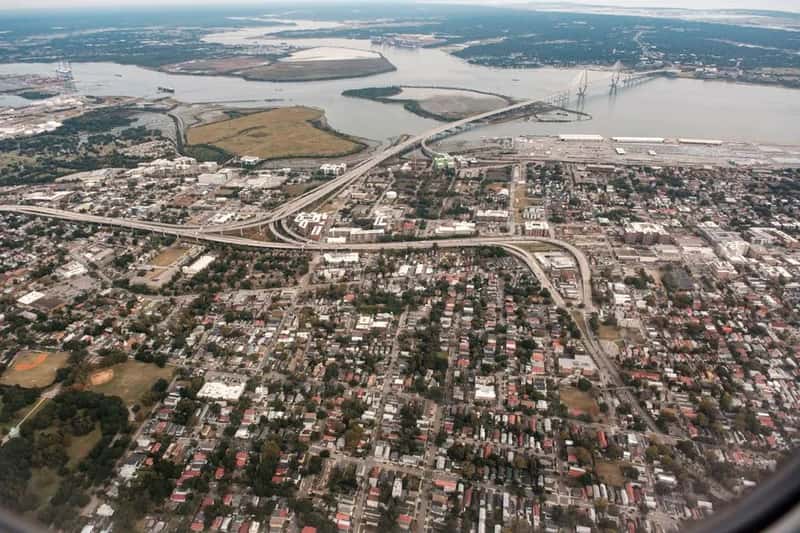
Port Arthur, on the Gulf Coast near the Louisiana border, has long been one of the cheapest places in Texas to buy near water. The median sale price of a home in Port Arthur was $150K last month, down 11.2% since last year. Other data sources push that figure even lower, with listing prices recently hovering in the $130,000s, which puts a real chunk of the market comfortably under the six-figure-plus threshold most coastal buyers expect.
The town’s economy is tied to heavy industry rather than tourism. Oil production, particularly the massive Motiva refinery, one of the largest in the world, is a major part of life. As part of the larger Beaumont metro area, Port Arthur has a population of about 55,000, and the cultural mix of Cajun and Creole influences gives the place a distinct personality that sets it apart from typical Gulf Coast resort towns.
Bayou La Batre, Alabama
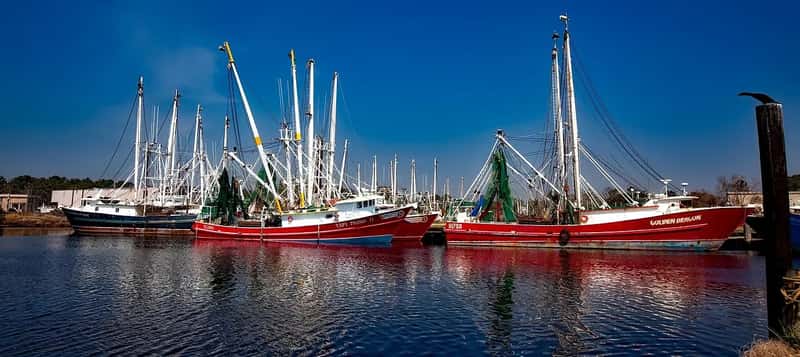
Bayou La Batre calls itself the fishing capital of Alabama, and it lives up to the name with a working waterfront lined with shrimp boats. The median sale price for homes in Bayou La Batre over the last 12 months is $131,375, down 15% from the median home sale price over the previous 12 months. That decline has made an already affordable town even more accessible to buyers priced out of nearby Mobile or the Alabama beach communities further south.
Housing stock here reflects a town built around a working port rather than vacation rentals. Home styles include Craftsman bungalows, ranchers and cottages, older homes built in the 1800s, manufactured homes and contemporary waterfront houses. Waterfront properties are typically raised on stilts to guard against storm surge, a practical nod to life on the Gulf that also gives many homes a distinctive look.
Moss Point, Mississippi
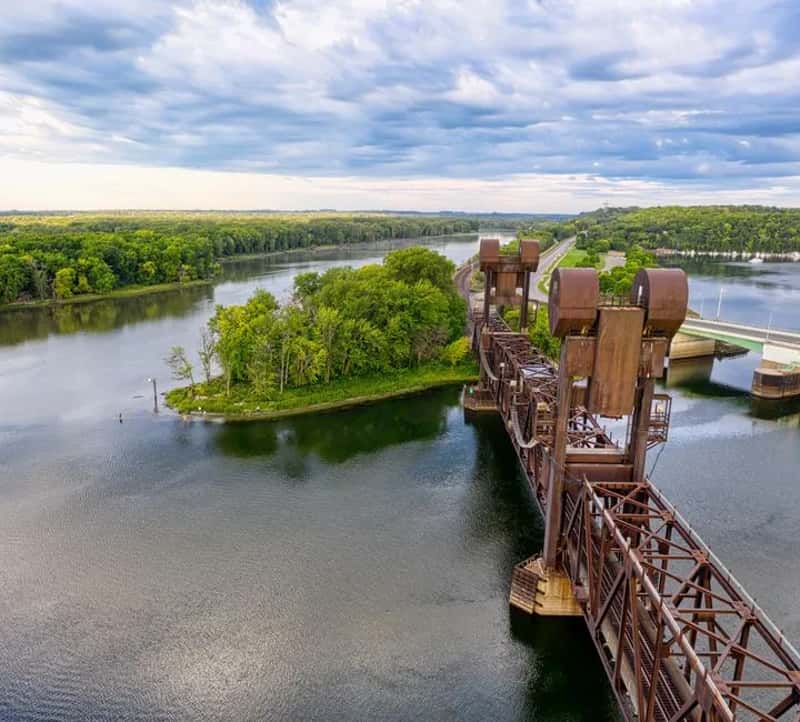
Moss Point sits just a few miles up the road from Pascagoula, tucked along the Escatawpa and Pascagoula Rivers where they meet the Mississippi Sound. It shares the same Jackson County economy built around shipbuilding and industrial employment, which has kept housing costs low even as coastal markets elsewhere in the state have crept upward. Buyers looking at this stretch of the Gulf Coast often find that Moss Point’s listings run at or below the prices seen in its better-known neighbor.
The town does not draw the tourist traffic that Gulfport or Biloxi see, and that is part of the appeal for people who want quiet over crowds. Fishing, boating, and a slower pace of life define the area more than resort amenities do. For buyers focused purely on staying under budget while staying near open water, it remains one of the more overlooked options on the northern Gulf.
Gary, Indiana

Gary sits on the southern shore of Lake Michigan, part of the Chicago metropolitan area but a world apart from that city’s real estate prices. Once one of the country’s largest steel-producing hubs, home to the sprawling U.S. Steel Gary Works, the city has spent decades dealing with population loss and industrial decline. That history has left it with some of the lowest housing costs of any lakefront city in the country, with typical home values that have repeatedly ranked among the most affordable in national housing surveys.
What Gary offers is genuine Great Lakes coastline within commuting distance of a major metro area, something almost impossible to find at this price point anywhere else in the region. The Indiana Dunes National Park lies just to the east, giving residents access to beaches and hiking trails without a long drive. It is not a polished resort town, but for buyers who prioritize water access and low cost over curb appeal, it is worth a serious look.
Ashtabula, Ohio

Ashtabula anchors the far northeastern corner of Ohio along Lake Erie, built around a historic harbor that once handled iron ore and coal shipped in from across the Great Lakes. The town’s economy has diversified since its industrial peak, but the housing market never caught up with the price surges seen in bigger lakefront cities like Cleveland or Erie, Pennsylvania. Homes here have consistently ranked among the most affordable in Ohio, a state that already sits well below the national median for housing costs.
The Ashtabula River winds through a historic covered bridge district, and the harbor area has been slowly revitalized with small restaurants and marinas. Winters are long and lake-effect snow is a real consideration, but for buyers who want genuine waterfront character without waterfront prices, Ashtabula delivers a version of coastal living that is hard to match on the Eastern Seaboard.
What This Means for Coastal Buyers

These six towns will not satisfy anyone dreaming of a polished beach resort with boutique shops and a marina full of yachts. What they offer instead is something more practical: real access to open water, working communities with actual economies, and price points that have not been swallowed by the speculation driving up coastal real estate almost everywhere else. For buyers willing to trade postcard perfection for genuine affordability, that trade-off is still very much on the table.