Names carry weight. They show up on passports, maps, news broadcasts, and school textbooks, and changing one is never as simple as swapping a label. Yet over the past five decades, a handful of nations have done exactly that, sometimes to shed colonial baggage, sometimes to settle a decades old diplomatic feud, and sometimes just to sharpen their brand on the world stage. Here is a closer look at six countries that made the leap, why they did it, and how the change actually played out.
Eswatini (formerly Swaziland)
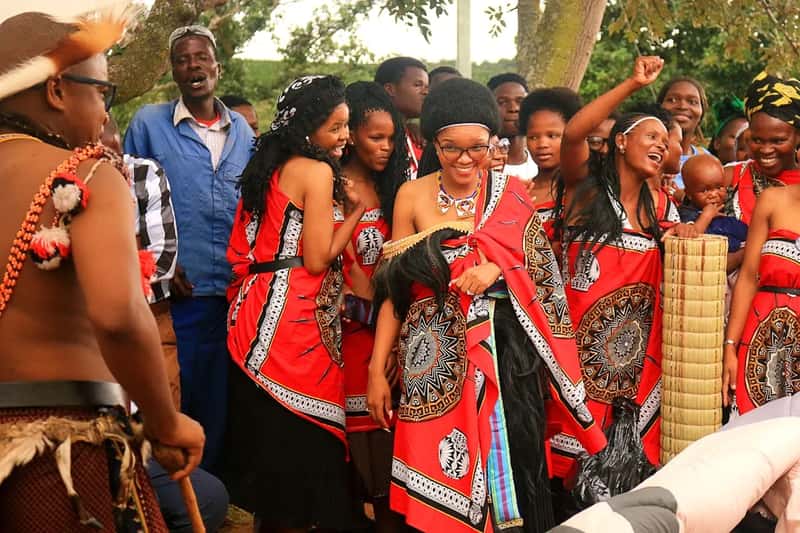
In April 2018, the king of Swaziland announced that his country’s name had changed to Eswatini, with the declaration made during celebrations marking the monarch’s birthday as well as 50 years of independence from British colonial rule. King Mswati III framed it as a return to the country’s roots rather than a fresh invention. He told the crowd that Swaziland would revert to its original name, noting that African countries on gaining independence had often reverted to their ancient names before colonization, so the country would officially be known as the Kingdom of Eswatini.
The change became legally binding soon after. The name change was made official by Legal Notice No. 80 of 2018, published in the Gazette on 11 May 2018, with the notice deemed to have come into force on 19 April 2018. Part of the practical motivation was simple confusion. The change reflected the 50th anniversary of Swazi independence, as the name means “land of the Swazis,” and part of the reason for the change was to avoid confusion between Swaziland and Switzerland. The United Nations logged the switch not long after, and by mid 2018 the new name had made its way into international databases and standard country code lists.
North Macedonia (formerly Macedonia)
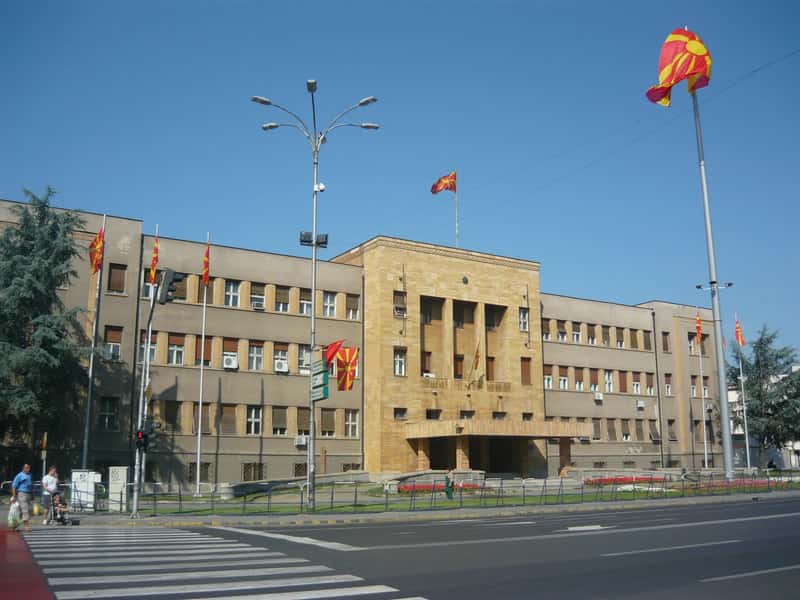
Few name disputes have run as long or as bitterly as the one between Macedonia and Greece. On January 11, 2019, the parliament of North Macedonia approved the constitutional amendments that changed the country’s name to Republic of North Macedonia, at last ending a 27 year old dispute with Greece, which has its own region called Macedonia. The agreement behind the change, signed the previous year, is known as the Prespa Agreement.
The deal was not just about semantics, it had real strategic stakes. The country’s prime minister had promoted the change as a key step toward improving relations with Greece and eventually entering the European Union and NATO, following decades of dispute with the Greek government in Athens over use of the name Macedonia. The agreement formally took effect once both countries notified the UN, and it went into force on 12 February 2019, when the two countries notified the UN of the deal’s completion, following ratification of the NATO accession protocol for North Macedonia on 8 February. NATO membership followed within months, though the country’s path toward the EU has moved more slowly since.
Türkiye (formerly Turkey)
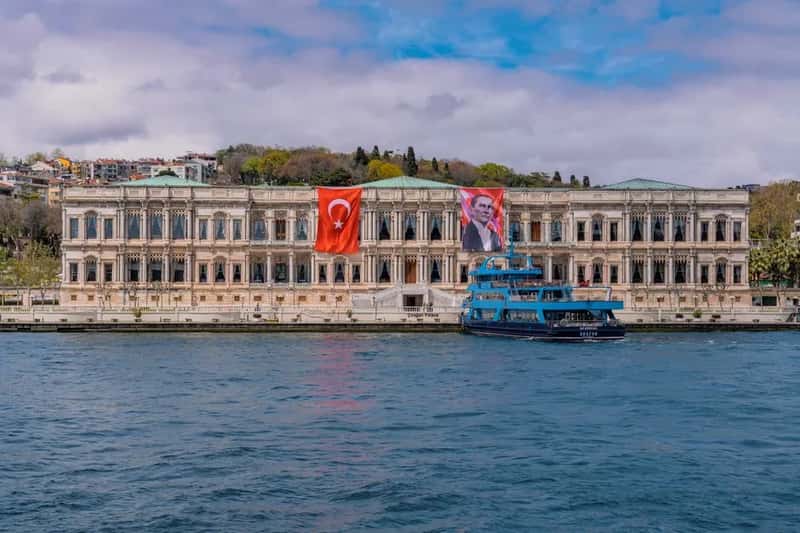
This one is more recent and, in some ways, still settling into everyday use. The Republic of Türkiye changed its official name from the Republic of Turkey on 26 May 2022, in a request submitted to the Secretary General by the country’s Minister of Foreign Affairs. The move capped a branding campaign that had been building for months.
Officials were candid about part of the motivation. In 2021, President Recep Tayyip Erdoğan issued a circular emphasizing the use of Türkiye in international contexts to better represent the country’s culture and identity and to avoid the pejorative associations of the English word turkey, the bird. The Turkish government framed it as a matter of national branding as much as anything else, with the country’s foreign minister describing the effort as part of increasing the country’s brand value. Adoption outside official channels has been uneven, though; many international news organizations still use Turkey in everyday reporting even as diplomatic documents shift to the new spelling.
Myanmar (formerly Burma)
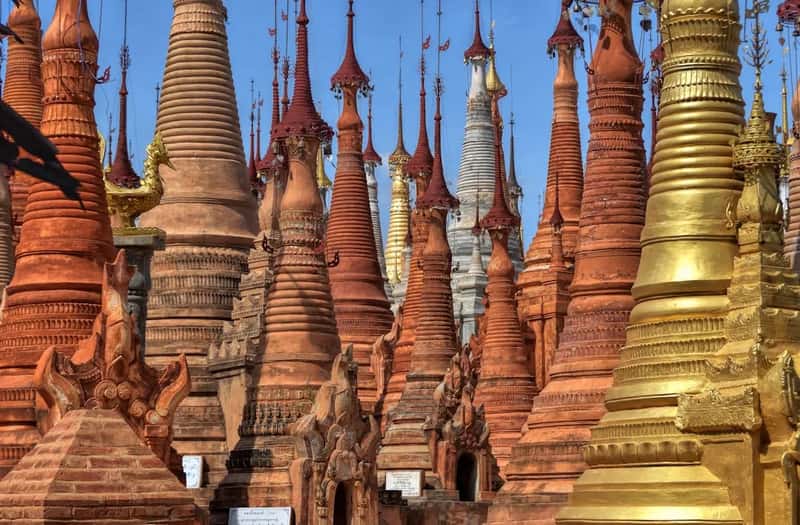
Of the six changes covered here, this is the oldest and arguably the most politically charged. In 1989, the new military regime changed the country’s name from the Union of Burma to the Union of Myanmar, and the capital, Rangoon, was renamed Yangon. The junta’s justification centered on ethnic inclusivity. The junta argued that the name Burma was a vestige of the colonial era that favored the Burman ethnic majority, and that Myanmar was more inclusive.
Not everyone accepted the reasoning, and the debate over which name to use has never fully faded. In the words of Aung San Suu Kyi, she preferred Burma because the name was changed without any reference to the will of the people, which is why nearly all opposition groups, many Burmese citizens, and several key nations, including the US, still refer to the country as Burma. That split persists today, with most of the world using Myanmar diplomatically while some governments and dissidents continue to favor the older name as a form of political protest.
Czechia (formerly used only as Czech Republic)
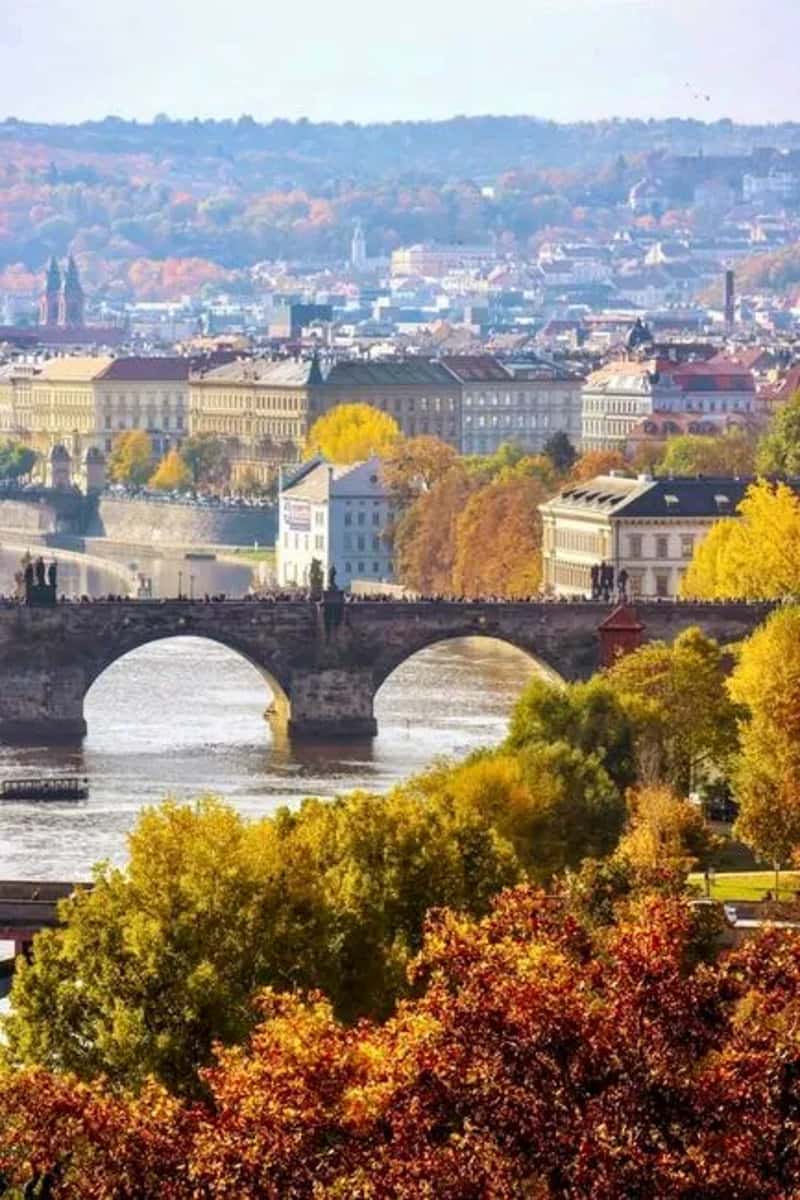
This case is a little different from the others, since the country’s full legal name never actually changed. What shifted was the short form used in everyday conversation, sports, and branding. In April 2016, the Czech Republic’s government approved the use of Czechia as the English language country name, and on 1st July 2016 this new short name was included in the United Nations terminology database.
The reasoning was mostly practical rather than political. The Czech Republic name worked for treaties and diplomacy but was less convenient for sports jerseys, tourism campaigns, product labels, and everyday conversation, so in 2016 the government registered Czechia as the country’s official short form English name at the United Nations, reasoning that France is not called the French Republic in casual use. Officials were careful to note the long form still had its place. The full country name Czech Republic remained the country’s official political name, with Czechia used only as the English version of the short country name.
Cabo Verde (formerly Cape Verde)
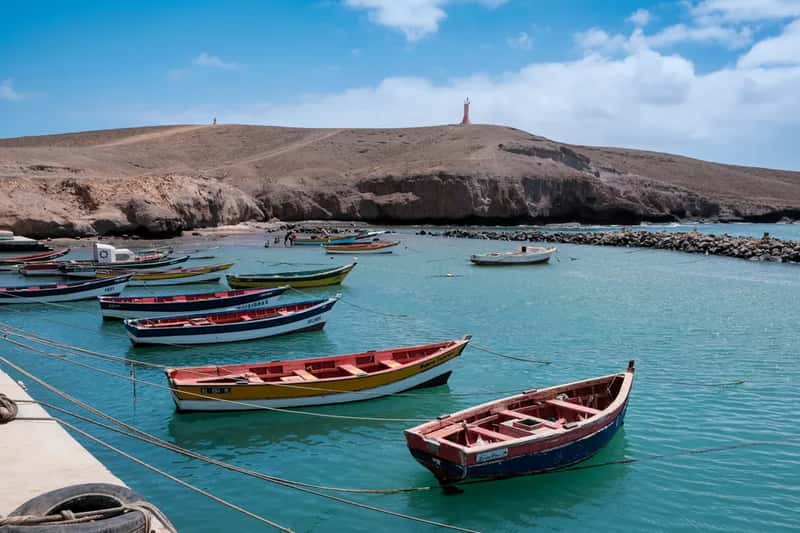
This African island nation made its switch even earlier than Czechia, and its reasoning leaned heavily on cultural identity. On October 25, 2013, this West African island country changed its official English name at the UN, from Cape Verde to Cabo Verde. Unlike some of the other cases on this list, the change touched both the short and long forms of the name. Cape Verde changed its short form official name as well as the long form one, with the long name shifting from Republic of Cape Verde to Republic of Cabo Verde.
The motivation traced back to language and heritage rather than politics. In 2013, the government declared that going forward the Portuguese name would be its official one, with the goal of creating a unique global identity for both diplomatic and tourism purposes and preserving the islands’ Portuguese heritage. It is worth noting that the country’s own citizens had always used Cabo Verde among themselves, since in its own official language of Portuguese the country has always been known as Cabo Verde, meaning green cape. The change simply asked the rest of the world to catch up.
Why these changes matter beyond the map
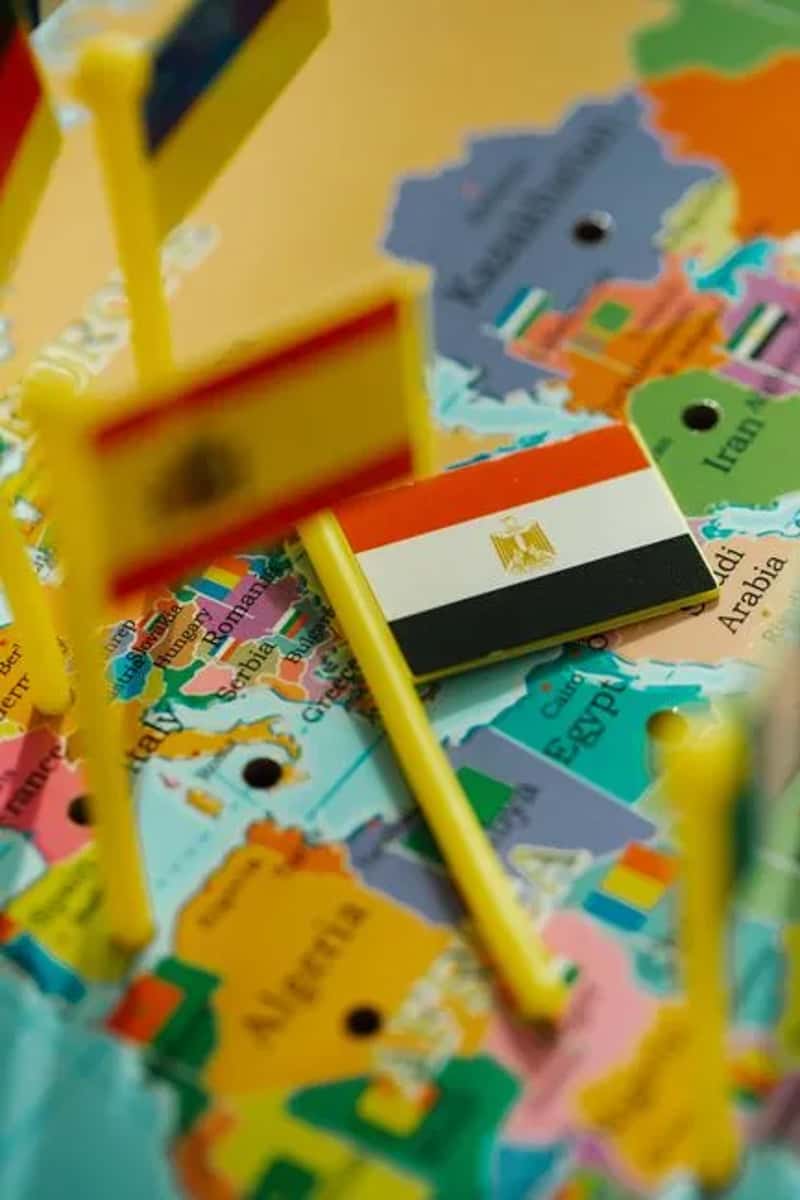
Each of these six cases tells a slightly different story about what a name is supposed to do. Eswatini and Myanmar reflect efforts to shed colonial or foreign-imposed labels, even if the circumstances behind each announcement, one from a monarch, one from a military junta, could hardly be more different. North Macedonia’s change was a diplomatic settlement forged under international pressure, aimed squarely at unlocking NATO and EU doors that had been closed for nearly three decades.
Czechia and Türkiye, meanwhile, lean closer to branding exercises, attempts to make a country easier to say, market, or distinguish from an unrelated word or nation. Cabo Verde sits somewhere in between, a quiet correction rooted in linguistic pride rather than political urgency. Together, these six changes show that a country’s name is rarely just a label. It is a small, ongoing negotiation between history, identity, and how a nation wants to be seen by the rest of the world.