Grab a flat white in London, Lisbon or Kuala Lumpur and you’ll likely pay more than some people pay to sit across from a licensed physician. It sounds almost too good to be true, yet in a handful of countries, seeing a doctor for a routine complaint costs pocket change rather than a paycheck. These systems didn’t happen by accident. They’re the product of decades of public health policy built on the idea that basic medical care shouldn’t be a luxury item.
What follows is a tour of six places where the numbers genuinely back up the claim. Some make care completely free at the point of use. Others charge a token fee designed to discourage frivolous visits without ever becoming a real financial barrier. Either way, the contrast with private, out-of-pocket medicine elsewhere is striking.
1. Malaysia: A Government Clinic Visit For The Price Of Loose Change

Malaysia’s public healthcare system is often cited as one of the cheapest functioning models on the planet, and the numbers support that reputation. A doctor’s visit and tests at a public clinic in Malaysia can cost as low as RM1, around 0.25 US dollars, while a hospital visit costs RM15, around 4 US dollars. That single ringgit typically covers the consultation itself, with medicine dispensed on top at minimal or no extra charge for citizens.
This isn’t a recent discount or a pandemic-era emergency measure either. At Ministry of Health facilities, outpatient visits cost RM1 and specialist clinic visits cost RM5 for Malaysian citizens, while non-citizens pay considerably more at RM40 for outpatient and RM120 for specialist care. The gap between public and private care is enormous too, since private hospital consultations for general practitioners run between RM30 and RM125, and specialist consultations between RM80 and RM235. The government has kept this floor deliberately low as a safety net, even as it has recently allowed private clinic fees to rise.
2. Thailand: The Legendary “30 Baht” Scheme Lives On
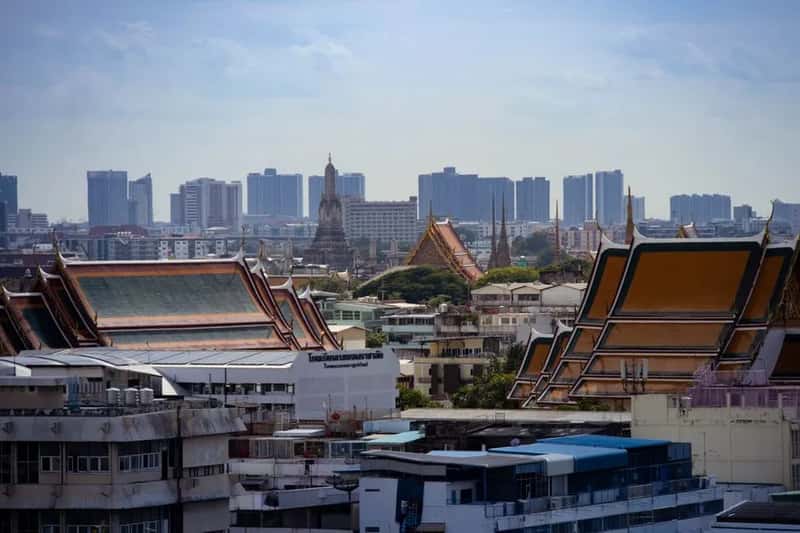
Thailand’s Universal Coverage Scheme became famous worldwide precisely because of its price tag. Under this scheme, people pay 30 Baht, approximately one US dollar, per visit or admission, first fully implemented in April 2002 to provide coverage for the rest of the population. That single coin-sized fee opened the door to a doctor’s consultation, tests, and follow-up care for tens of millions of Thai citizens who previously had no reliable access to formal medicine.
The scheme has evolved since its launch but the spirit, and often the literal fee, has stuck around. Thailand’s Prime Minister launched the fourth and final phase of the “30 Baht Universal Healthcare Access for All Thai Citizens” program in late 2024, extending coverage nationwide by January 1, 2025. The updated “30 Baht Treat Anywhere” program maintains the affordable fee while expanding access and modernizing service delivery through digital integration. For public hospital visits more broadly, a GP consultation in a public hospital can cost around 30 to 200 baht depending on the tests and procedures needed, a figure that still sits well below the price of a fancy iced coffee in Bangkok.
3. United Kingdom: Seeing Your GP Costs Precisely Nothing

The National Health Service takes the “cheaper than coffee” idea to its logical extreme by charging nothing at all for the core service. In 2025, patients across the UK do not pay to see their GP for NHS services, and consultations with a GP, whether face-to-face, by phone, or by video, are completely free. Nurse appointments for things like blood tests and vaccinations fall under the same umbrella, meaning the actual act of getting medical advice never generates a bill for residents.
That said, the system isn’t entirely without cost elsewhere in the chain. Prescriptions in England cost £9.90 per item as of 2025, though they’re free for children, pensioners, and people on benefits. Dental checkups and eye tests carry their own separate charges too, but the consultation with the doctor who diagnoses you in the first place remains free at the point of use, which is the part that matters most for this comparison.
4. Spain: Public Consultations Without A Bill In Sight

Spain runs a tax-funded public health system that residents access through the Seguridad Social, and the visit to your assigned family doctor comes without a co-payment. Even when your doctor visit is free, prescriptions are where you feel the system financially, since Spain uses a subsidy and copay structure where the percentage you pay depends on your employment status. In other words, the appointment itself doesn’t cost a euro, though the pharmacy counter afterward might.
For those outside the public system, or tourists comparing options, the private market shows exactly how much value that free public consultation represents. The average cost of a doctor’s visit in Spain is free with a European Health Insurance Card, otherwise around 100 euros out of pocket. Residents who qualify for the public system essentially get an unlimited number of visits to their assigned doctor for the price of their existing social security contributions, which is about as close to “less than a coffee” as a bill of zero can get.
5. Portugal: A Modest Co-Payment Built Into A Universal System

Portugal’s Serviço Nacional de Saúde runs on a similar tax-funded model to its Iberian neighbor, but it retains a small, symbolic co-payment known as the taxa moderadora for many outpatient consultations. The fee is intentionally kept low, designed more to nudge people toward sensible use of the system than to actually cover the cost of care, and it typically amounts to just a handful of euros for a standard family doctor appointment. That’s roughly the price of a cappuccino in a Lisbon café, if not less.
What makes the Portuguese model especially generous is the long list of exemptions built into it. Pregnant women, young children, pensioners below certain income thresholds, and people with chronic conditions are commonly exempt from paying the moderating fee at all. For everyone else, the charge is capped low enough that it rarely functions as a genuine barrier to seeing a doctor when something feels wrong.
6. Cuba: Primary Care Without Any Charge At The Door
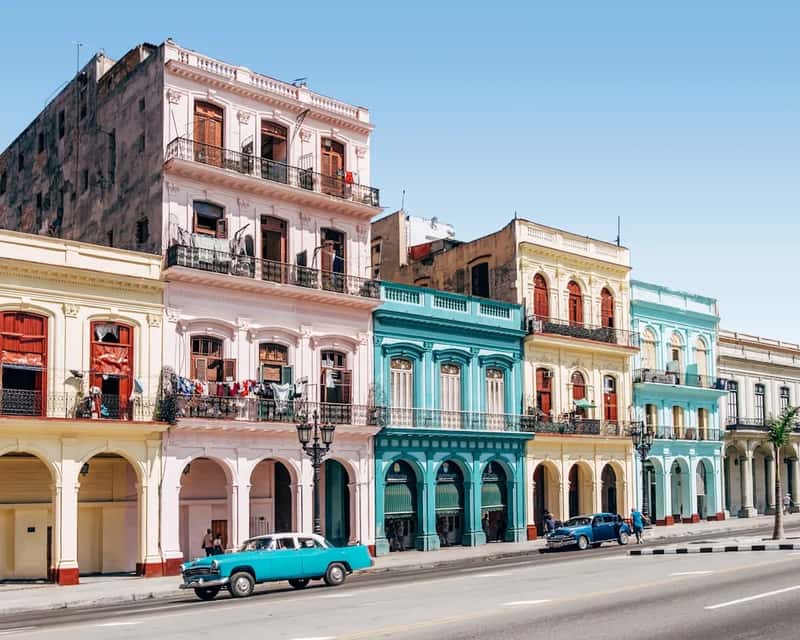
Cuba stands apart from every other entry on this list because its healthcare system was built from the ground up around the principle that medical care is a right rather than a purchasable service. The country’s neighborhood-based family doctor model, in which a physician is assigned to a specific block or community, means that seeing a doctor for a routine issue involves no billing counter, no co-payment, and no insurance card to present. Primary care visits simply don’t carry a price tag for Cuban citizens.
This structure has made Cuba a frequent reference point in global health policy discussions, even as the country faces well-documented shortages of medicine and equipment tied to its broader economic constraints. The doctor’s time and expertise remain free regardless, which is a meaningfully different model from systems where a modest fee still applies. For anyone measuring cost against a cup of coffee, zero is about as clear a winner as it gets.