Retirement planning used to mean one simple question: how much did you save? These days, for a growing number of retirees, the more useful question is where you plan to spend it. A pension that feels tight in London, Toronto, or Sydney can stretch into something genuinely comfortable once you cross a border, and the gap between those two realities has only widened as living costs at home keep climbing.
What follows isn’t a list of exotic hideaways or luxury enclaves. These are places with functioning healthcare systems, established expat communities, and legal pathways that don’t require six figures in the bank. Some ask for as little as a thousand dollars a month in proof of income. Others ask a bit more but offset it with tax breaks that leave more of that pension in your pocket.
Portugal
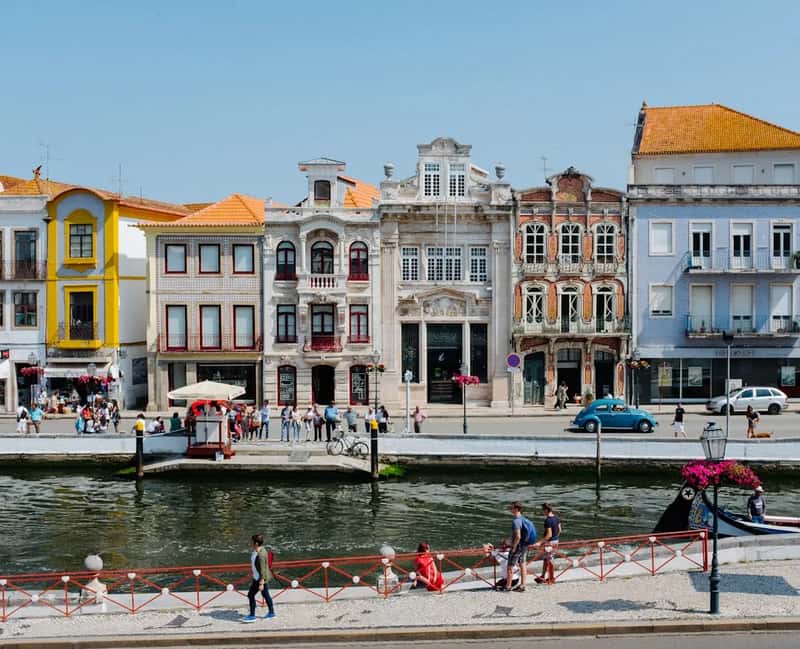
Portugal’s D7 visa remains one of Europe’s most accessible routes to residency for retirees living on passive income. As of January 1, 2026, the Portugal D7 Visa minimum passive income requirement is €920 per month, totalling around €11,040 per year, and there’s no age requirement despite its reputation as a retirement visa. That figure is tied directly to the country’s minimum wage, so it moves a little each year, but it has stayed within reach for anyone drawing a modest state or private pension.
Bringing a spouse or children along raises the bar only slightly. The requirement increases for dependents, with applicants expected to demonstrate roughly €1,380 for a spouse and €1,196 for each dependent child per month. The visa starts as a two year residence permit and, the initial residence permit is valid for two years, renewable for three, with eligibility for permanent residency after five years. Add in Portugal’s mild climate, excellent private healthcare, and large English speaking expat pockets in the Algarve and around Lisbon, and it’s easy to see why the country still tops so many retirement shortlists.
Panama
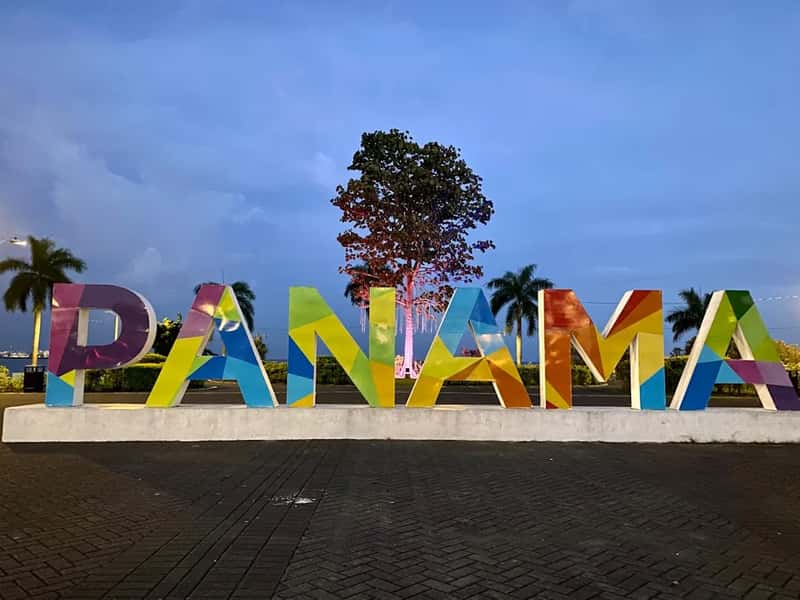
Panama’s Pensionado program has been around for decades, and it remains one of the most generous retiree schemes anywhere in the world. With just $1,000 in monthly pension income (or $1,250 for couples), you unlock a lifestyle filled with perks such as half-price entertainment, discounted travel, reduced medical bills, and savings on everything from dining out to utilities. Few countries pair such a low income threshold with that many everyday discounts.
Day to day costs back up the pitch. A couple can live comfortably on around $2,000 to $3,000 per month, with $2,500 often hitting the sweet spot, while rent in cooler mountain towns ranges from $800 to $1,500. On top of that, Panama’s tax system works in a retiree’s favor: Panama’s territorial tax system means foreign income, including pensions and Social Security, is simply not taxed at all. Between Panama City’s modern infrastructure and quieter mountain or beach towns, there’s enough variety here to suit almost any retirement style.
Costa Rica
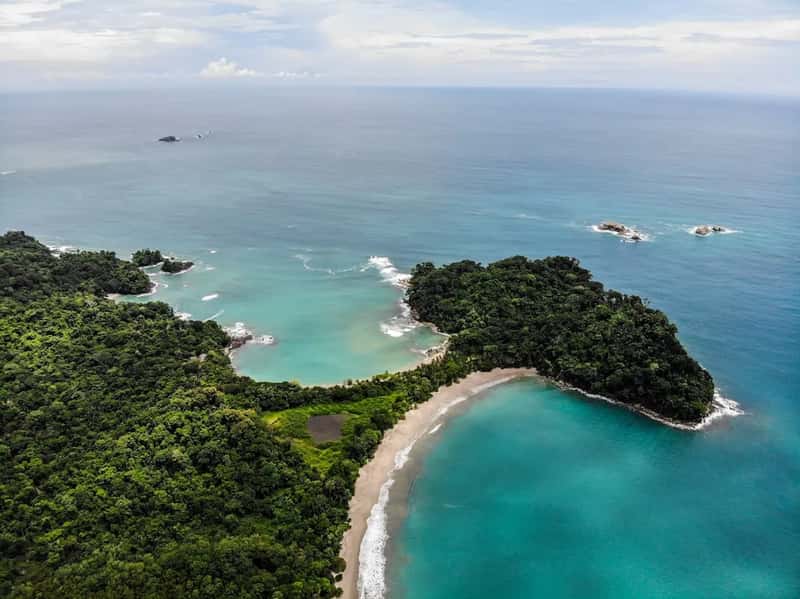
Costa Rica offers several residency paths, but the Pensionado route stays closest to what a modest pension can support. Costa Rica’s Pensionado program requires a minimum $1,000 a month in pension income, which keeps the door open to retirees who aren’t sitting on large investment portfolios. The country’s reputation for calm, green living continues to draw a steady stream of newcomers each year.
That reputation shows up in the rankings too. Costa Rica ranks No. 2 in International Living’s 2026 Global Retirement Index, thanks to its ease, comfort, and extraordinary value. Retirees who stick around long enough also gain extra perks once they hit a certain age, since retirees over 65 qualify for Ciudadano de Oro, or Golden Citizen, benefits, which include free local bus rides and senior discounts. Combine that with a healthcare system regularly praised for quality, and Costa Rica earns its long standing spot on retiree lists.
Greece

Greece is the newest name to break into the top tier of retirement destinations, and it did so in dramatic fashion. Greece has claimed the top spot in International Living’s 2026 Annual Global Retirement Index, a historic first, thanks to its combination of affordable Mediterranean living, EU membership benefits, and a uniquely attractive tax deal. That tax deal is a genuine differentiator among European options.
Specifically, Greece offers a flat 7% tax rate on all foreign-source income for up to 15 years, and a comfortable budget for a couple runs between $2,000 and $2,700 a month. Add to that a climate defined by 300-plus sunny days a year and living costs around one third of what many Americans pay back home, and the appeal becomes obvious. Healthcare access is strongest around Athens and Thessaloniki, so retirees drawn to the quieter islands often keep private international coverage on hand as a backup.
Thailand
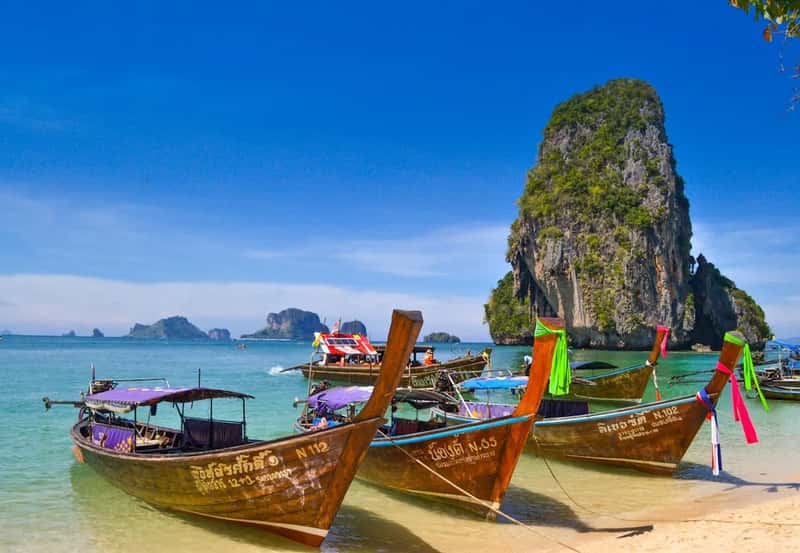
Thailand has attracted retirees for so long that its systems for foreigners feel genuinely mature at this point. Thailand has long been a favourite retirement destination and remains highly affordable, with retirees benefiting from a low cost of living, excellent private healthcare, and a culture known for its hospitality. Bangkok covers the high end medical needs, while smaller cities keep monthly budgets low.
Popular bases split neatly by lifestyle. Cities such as Chiang Mai and Hua Hin are especially popular for their affordability, safety and retiree friendly lifestyle, while Bangkok offers access to top tier medical facilities. Costs bear this out at the ground level, since retirees in Thailand or Colombia can live comfortably on as little as $1,500 a month. The retirement visa itself asks for more proof of income than the Pensionado style programs in Latin America, but for retirees who clear that bar, the day to day cost of living does the rest of the work.
Malaysia

Malaysia takes a different approach than most countries on this list, since it doesn’t offer a dedicated retirement visa at all. Instead, Malaysia doesn’t have a specific retirement visa, but it offers the Malaysia My Second Home visa, or MM2H, which allows retirees to stay as long as they can fulfill the visa’s requirements. The entry point, known as the Silver tier, asks for capital rather than monthly income proof.
Specifically, for the Silver tier, applicants aged 50 and above must show a fixed deposit of RM 150,000, approximately $32,000, along with liquid assets totaling RM 150,000 or more. Once settled, life stays inexpensive, since a couple lives comfortably on $1,500 to $2,200 a month including rent, food, and private healthcare. Malaysia also sweetens the deal with its tax treatment, because there is no tax on foreign income, including pensions. Between widespread English proficiency and hospitals that rival anything in the region, Malaysia rewards retirees willing to look past the missing “retirement visa” label.