There’s a persistent assumption that owning property abroad is a privilege reserved for the wealthy, tangled in bureaucracy, or blocked outright for non-citizens. In reality, a handful of countries have built legal systems that welcome foreign buyers with open arms, sometimes offering full ownership rights identical to those of locals. Property prices in these places have not caught up with Western Europe or North America, which means a modest budget can still stretch into something genuinely livable.
What makes this moment interesting is timing. Currency swings, shifting residency rules, and new infrastructure projects are reshaping who can afford what, and where. Some of these markets are quietly heating up while others remain overlooked bargains, at least for now.
Bulgaria: the European Union’s best-kept pricing secret

Bulgaria is often seen as the cheapest country to buy a house in the European Union, and the numbers back that reputation up. Bulgaria is often seen as the cheapest country to buy a house in the European Union, with home prices in small towns and rural areas very low, and in some places houses can still be found under $70,000. That is a striking figure for a country that carries all the legal protections of EU membership.
Sofia, the capital, tells a similar story on a slightly larger scale. As an EU member, Bulgaria offers buyers the legal security of European property standards without the European price tags, and most apartments in Sofia are priced between $78,000 and $125,000. Foreigners generally enjoy full ownership rights here, which removes one of the biggest headaches that trips up buyers elsewhere.
Turkey: Mediterranean living at a fraction of the cost
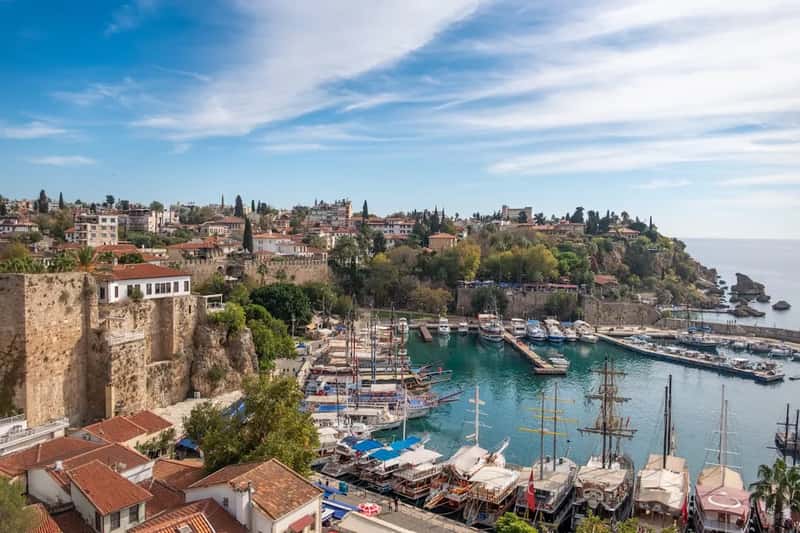
Turkey keeps showing up on affordability lists for a simple reason: the price per square meter is remarkably low given the lifestyle on offer. Turkey continues to attract bargain hunters who want a Mediterranean lifestyle without Mediterranean pricing, and many consider it the cheapest country to buy a house in 2026 because homes cost very little per square meter, with cities like Antalya and Istanbul also offering strong rental markets. That combination of low entry cost and rental demand is rare.
Turkey also runs one of the most accessible citizenship-by-investment programs tied to real estate anywhere in the world. The minimum investment requirement for Turkish citizenship is $400,000 in real estate, and this amount must be maintained for at least three years from the date of acquisition. Currency volatility is worth watching, since Turkish Lira volatility has produced unusual dynamics, with USD-denominated buyers seeing Turkish property appreciate strongly in TRY but more modestly in USD, though the market remains active for international investors from the Gulf, Russia, Central Asia, and increasingly Europe.
Colombia: full ownership rights and a currency in flux
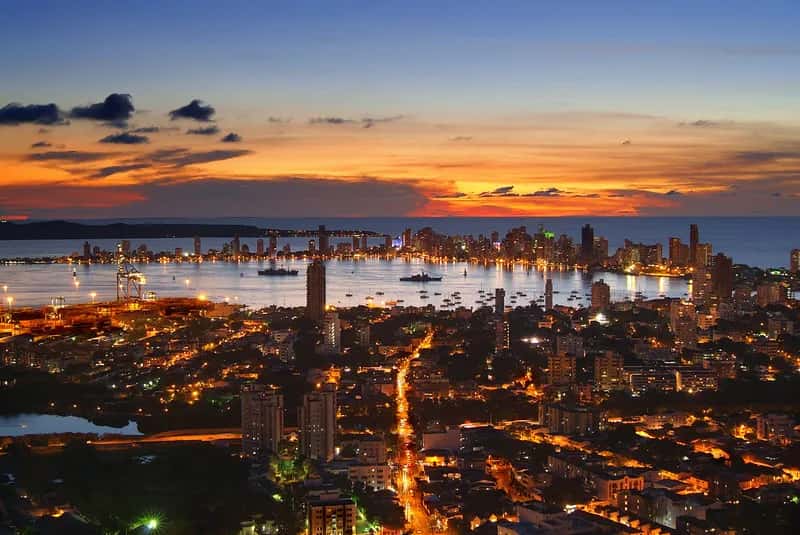
Colombia has become one of the more talked-about markets for foreign buyers, largely because there are almost no legal hurdles standing in the way. The country offers full legal access for foreign purchasers without needing local partners or corporate structures, and the Colombia real estate market in 2026 offers full property ownership rights to foreigners with no nationality restrictions on most purchases. That kind of clarity is unusual outside of a handful of countries.
Prices vary sharply by city, and that variation is where the real value hides. Coastal gems like Cartagena offer vibrant colonial charm with condos starting around $40,000, while properties in Cali can be found for under $20,000. Beyond Medellín’s popular, pricier neighborhoods, Cali and Bello remain noticeably cheaper alternatives for buyers who find Medellín’s popular neighborhoods a bit pricier than expected. One caveat worth noting: the peso has strengthened meaningfully, which has narrowed the exchange-rate discount that once made Colombia feel like an even bigger bargain.
Mexico: proximity, variety, and low property taxes
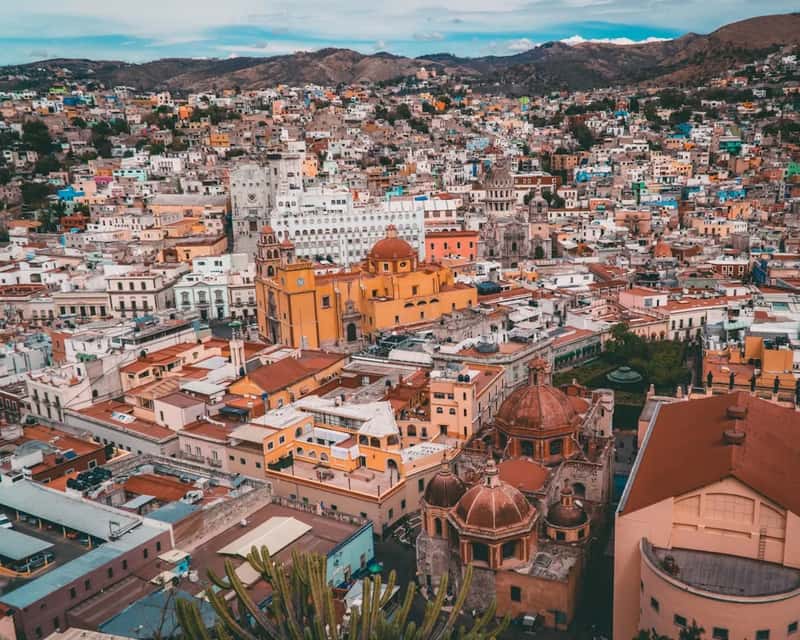
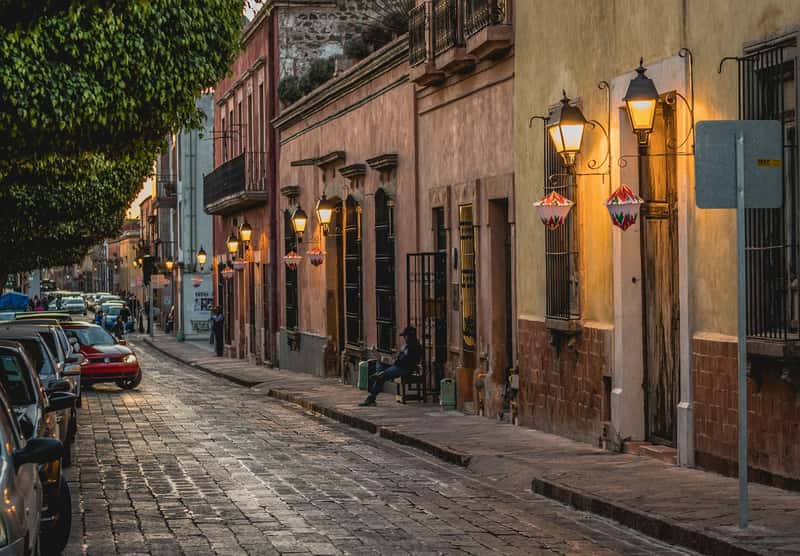
For North American buyers especially, Mexico remains hard to beat on convenience and value. Mexico offers exceptional value, particularly for North American buyers, with diverse real estate options, favorable climate, and affordable cost of living, and buyers can find everything from modern beachfront condos in tourist hubs to charming colonial homes in historic cities, often at a fraction of the price found north of the border. That range of choice is a big part of the appeal.
The actual price points make the case on their own. The market is incredibly varied, with condos in Playa del Carmen available from $45,000, colonial homes in Merida starting at $35,000, and apartments in Puerto Vallarta from $60,000. Combined with this affordability, combined with low property taxes and a robust tourism sector, presents a strong case for both lifestyle buyers and investors looking for rental income, it’s easy to see why established expat pockets like Lake Chapala keep growing.
Panama: strong legal protections at a moderate price
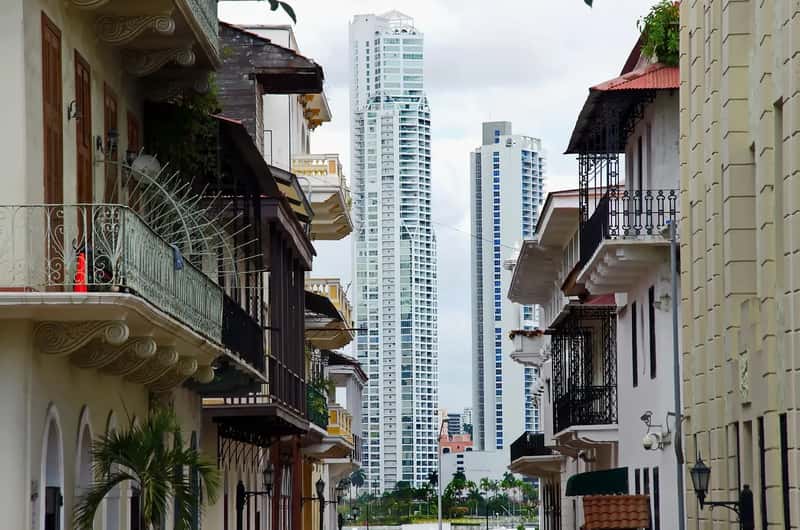
Panama offers something increasingly rare in Latin America: near-total legal parity between foreign and local buyers. Foreigners can own property in Panama, and international buyers enjoy the same property rights as Panamanian citizens, without restrictions such as mandatory local partners or foreign ownership limits, making it one of the strongest legal environments for real estate investment in the region. Prices remain moderate outside the very top tier of neighborhoods.
Average residential prices in Panama City are around $1,804 per square meter, while properties in prime neighborhoods typically sell for $2,700 to $4,150 per square meter. Buyers eyeing residency should note that the qualifying investment threshold is changing soon. A residency-linked purchase currently requires a minimum investment of $300,000, though that minimum is expected to increase to $500,000 in October 2026. There’s also a tax shift to factor in, since Panama’s Law 468, signed in April 2025, eliminated the historic transfer tax exemption for first sales of new residential properties, effective January 1, 2026.
Albania: Europe’s fastest-changing bargain market
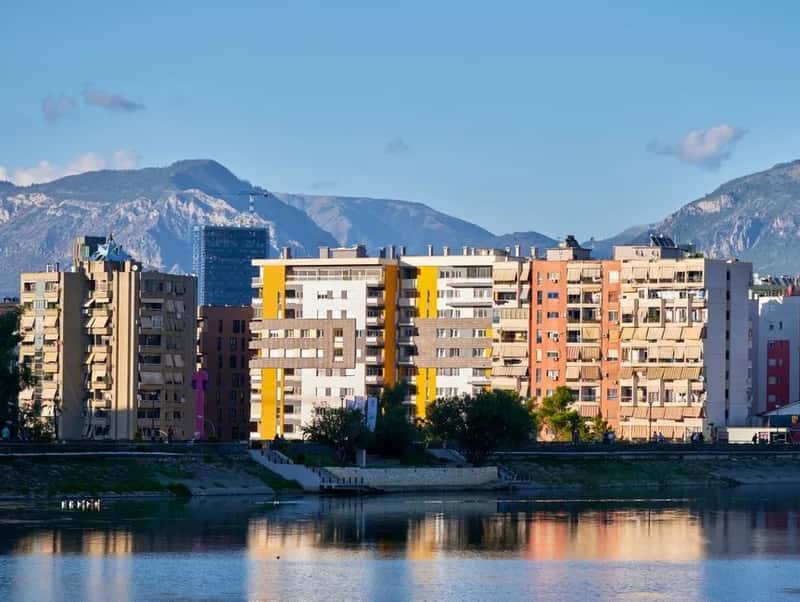
Albania has spent the last few years shifting from hidden gem to genuine talking point among European property buyers, though it still holds real value outside the coastal hotspots. Foreigners can freely buy real estate in Albania on the same terms as citizens of the country, which removes any legal ambiguity from the start. Secondary cities are where the affordability really shows.
Secondary cities like Shkodër, Fier, and Elbasan offer the most budget-friendly options at €600 to €1,200 per square meter, a fraction of what buyers now pay in Tirana’s trendier districts. Buying also comes with a practical bonus: buyers of properties of any value with an area of more than 20 square meters can get an Albania residence permit. Annual holding costs are light too, since property owners pay an annual tax of just 0.05% of the cadastral value.
Final thoughts
None of these six countries offer a free lunch. Legal systems, currency risk, and local market quirks all demand attention before anyone wires a deposit. Still, the underlying pattern is worth sitting with: full or near-full ownership rights for foreigners, paired with price points that would be unthinkable in most of Western Europe or North America, still exist in 2026.
The window on some of these markets, particularly Albania’s coast and parts of Turkey, is narrowing as prices climb. Others, like Bulgaria and pockets of Colombia and Mexico, still feel comparatively untouched. For anyone seriously weighing a purchase abroad, the smartest move remains the least glamorous one: hire a local lawyer, verify the title, and read the fine print before falling for the view.