Walk into a bakery in Stockholm or a convenience store in Seoul and try paying with a crumpled banknote. There’s a decent chance the cashier will look at you like you just handed over a foreign currency nobody recognizes. Physical money hasn’t vanished everywhere, but in a handful of countries it’s edged so close to irrelevance that entire generations are growing up without ever really needing it.
Sweden: The Country That Started It All

Sweden has spent more than a decade positioning itself as the world’s most obvious test case for a cash free future. Sweden and Norway have the world’s lowest amount of cash in circulation as a share of GDP, and in Sweden only about one in 10 in-store purchases is made with cash, compared to about half in the euro area. That gap says a lot about how far ahead the country has moved compared to its European neighbors.
The shift isn’t just about convenience, it’s generational. A Crunchfish Digital Cash executive noted that younger generations in Sweden have never used cash, adding that he himself hadn’t used physical money in over a decade. Apps like Swish have become the default way people split a dinner bill or pay a babysitter, and digital payments and Sweden are terms that go hand in hand, driven by local services Swish and Qliro, and internationally known Klarna. Interestingly, the country has recently started pulling back slightly, worried that going fully digital leaves people exposed if the power grid or networks ever fail.
Norway: Cash as a Backup Plan, Not a Habit

Norway often edges out Sweden in rankings of the world’s most cashless economies, and the numbers back that up. Norway leads the ranking with a score of 96, making it the world’s most cashless country, maintaining a cashless transaction share of 97.76 percent while keeping cash transactions at only 4 percent, with a mobile payment adoption rate of 66.74 percent. That’s about as close to fully digital as a national economy gets.
Yet the transition hasn’t been entirely smooth. Norway’s finance ministry asked Oslo’s Financial Supervisory Authority to devise a plan ensuring banks still offer cash to customers, after consumer backlash over many Norwegian banks denying it was their responsibility to do so. It’s a reminder that even the most digitally advanced countries still have to keep a cash option alive for people who need or simply prefer it.
China: A Cashless Economy Built on Phones, Not Cards

China skipped the card era almost entirely and went straight to mobile. Cash accounted for only 3.95 percent of the total money in circulation in October 2024, even as nearly 9.86 billion bank cards had been issued by mid 2024, mostly used just for ATM withdrawals rather than everyday spending. QR codes at market stalls and street vendors have replaced coins and small bills almost everywhere.
The scale of this shift is genuinely hard to overstate. China has gradually transformed into a mostly cashless society, especially with the rise of smartphones and mobile internet, allowing tech giants like Alibaba and Tencent to build vast digital ecosystems with mobile payments at their core, and the country processed roughly 340 trillion yuan, or about 48 trillion dollars, in third-party online payments in 2023. Alipay and WeChat Pay aren’t just apps in China, they’re closer to the plumbing of daily commerce.
South Korea: E-commerce Habits Bleeding Into Everyday Life
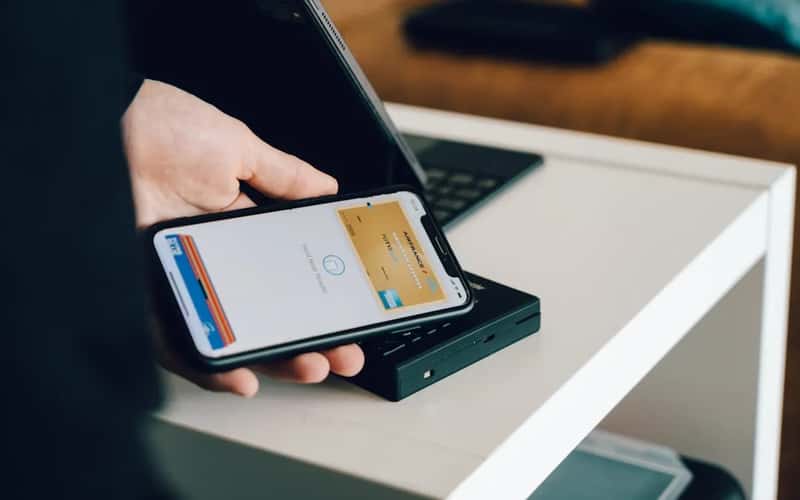
South Korea approached its cashless shift from a slightly different angle, building on an already card-heavy culture and layering mobile wallets on top. In 2024, over 75 percent of online purchases happened on mobile devices, with platforms like Naver Pay, Kakao Pay, Toss, and Samsung Pay becoming a normal part of daily life, reflecting a clear shift toward smartphone first shopping. It’s less about rejecting cash outright and more about cash simply falling out of habit.
The projections suggest this trend has real staying power rather than being a passing fad. Cash’s share of point of sale transactions in South Korea is expected to decline to 5 percent by 2030, comparable with other low-cash markets like China, Denmark, Hong Kong, and Sweden. Kakao Pay alone shows how deep this has gone, with the number of Kakao Pay users expected to exceed 46.5 million by 2026.
The Netherlands: Quietly One of the Least Cash Reliant Nations on Earth
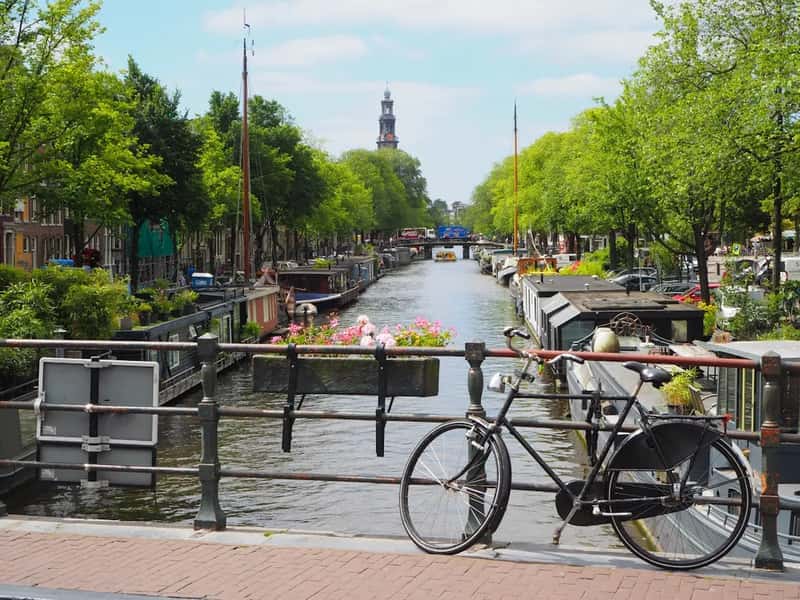
The Netherlands rarely gets the same headlines as Sweden or China, but the underlying numbers are just as striking. The Netherlands ranks second globally with a cashless score of 97, featuring the highest cashless transaction share among top countries at 98.31 percent, supported by mobile payment adoption at 37.43 percent, with only 3 percent of transactions conducted in cash. That puts it ahead of most of its European neighbors by a wide margin.
Card infrastructure here has been unusually consistent for years. The Netherlands has one of the lowest cash usage rates in Europe, at approximately 20 percent of point of sale payments, while countries like Malta still rely on cash for around 67 percent of transactions. Dutch shoppers have simply come to expect that a debit card or phone tap will work everywhere, from supermarkets to street markets.
Denmark: Low-Cash by Design, Not by Accident
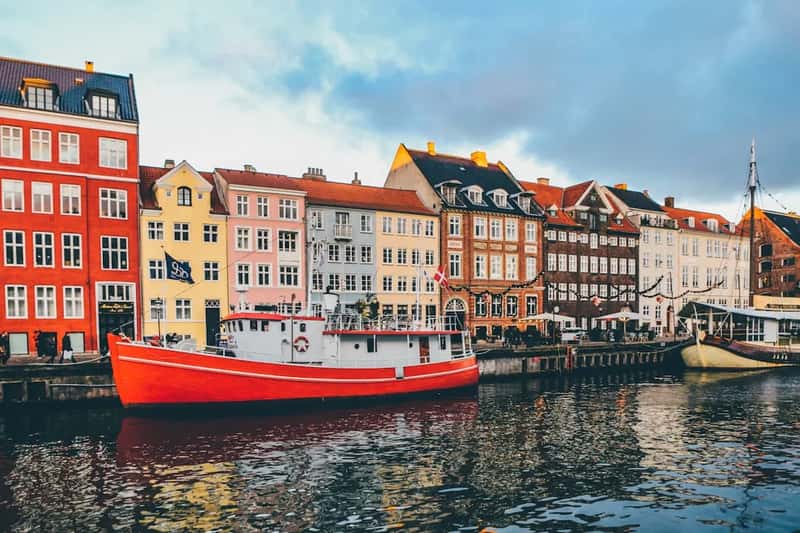
Denmark doesn’t always make the top of cashless rankings, but it’s consistently grouped with the countries where physical money has become the exception rather than the rule. Denmark is regularly cited alongside China, Hong Kong, and Sweden as one of the lowest-cash markets in the world, with point of sale cash use projected around 5 percent. That places it firmly in the same category as its Nordic neighbors.
Consumer surveys back up how normal a cashless routine has become for Danes. Around eleven percent of people in Denmark and Finland say they never use cash as a means of payment. Combined with strong mobile banking penetration and a culture that already leaned heavily on card payments before the smartphone era, Denmark’s shift away from cash has felt less like a revolution and more like a slow, steady default.