Imagine a world where women and men share equal opportunities across every dimension of life, from boardrooms to parliaments. Sounds like an ideal scenario, right? Well, some countries have gotten remarkably close, while others remain stubbornly distant. The gaps aren’t random. They reflect deep cultural patterns, economic structures, and political priorities that vary wildly across continents.
When you look at the latest research from the World Economic Forum, the picture becomes clearer yet more complex. According to the Global Gender Gap Report 2025, it will take 123 years to reach gender parity, though in 2024 that figure was 132 years, showing we’ve come 11 years closer in the past 12 months. Let’s explore which nations are leading the charge toward equality and which are falling behind.
Iceland Reigns Supreme After 16 Years on Top
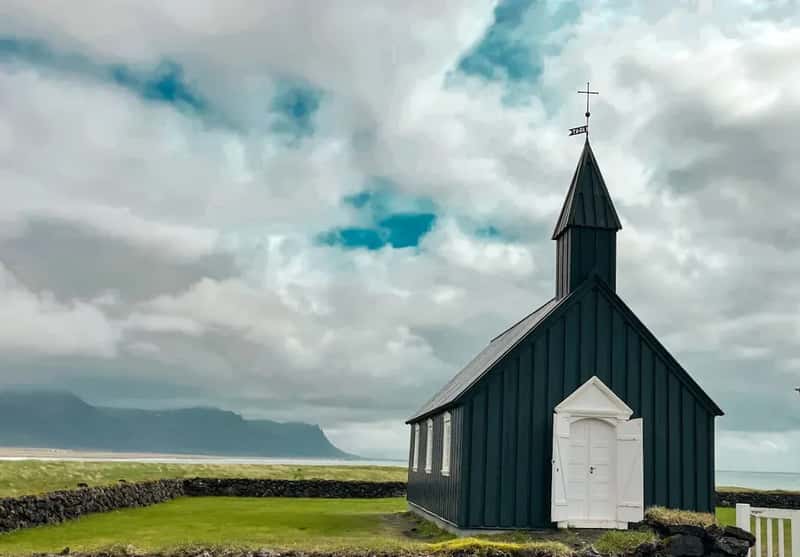
Iceland tops the ranking for the 16th year in a row and remains the only economy to have closed more than 90% of its gender gap since 2022. This Nordic island nation has become the gold standard for gender parity, though honestly, it’s hard to say for sure whether their small population makes transformations easier or if they’ve simply cracked the code. What’s undeniable is that Iceland’s economic parity score returned to its peak from 2015, reaching 81.5%, with parity among legislators, senior officials, and managers rising from 38.9% in 2006 to 62.4% in 2025. Their perceived wage equality has also hit record highs. While other nations struggle to balance politics and economics, Iceland appears to have mastered both dimensions with equal intensity.
Finland, Norway, and Sweden Form the Nordic Powerhouse
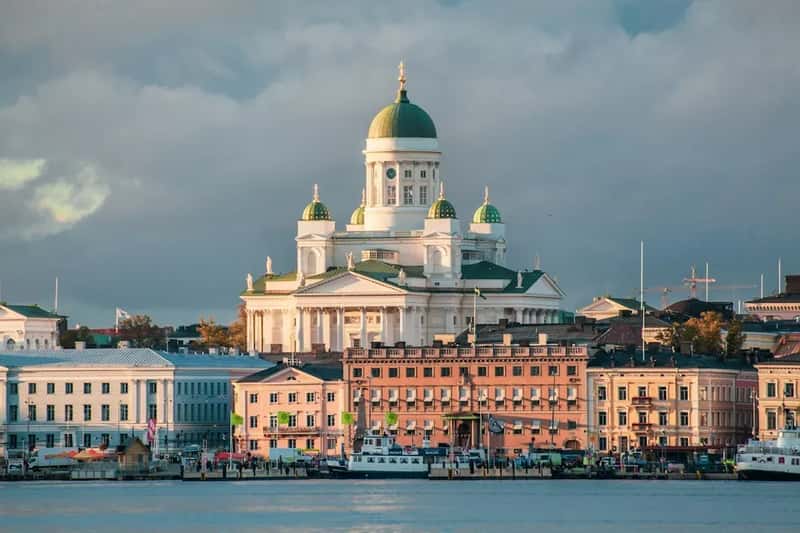
The top three economies are all Nordic nations, with Finland and Norway ranked second and third, respectively, while Sweden sits at sixth, all of whom have consistently ranked in the top 10 in every edition since 2006. It’s impossible to ignore the pattern here. The Nordic countries seem to have woven gender equality into their social fabric rather than treating it as an afterthought.
The United Kingdom Makes a Historic Leap

Something remarkable happened in Britain recently. The United Kingdom rose to 4th in the Global Gender Gap Index, marking the first time it has closed over 80% of its overall gender gap (83.8%) and secured a position among the top 5, primarily driven by a historic gender-equal cabinet. This jump is significant because it represents rapid progress in political representation. The share of women among senior roles at the workplace has improved over time, with parity in legislators, senior officials, and managers standing at 67.3% in 2025, up from 58.3% in 2024 and 49.3% in 2006. The UK’s transformation shows that intentional policy changes can accelerate progress within just a few years.
New Zealand Champions Equality in the Pacific

New Zealand ranked 5th in 2025, with an overall gender parity score of 82.7%, marking a slight decline from its peak of 85.6% in 2023. Despite this minor backslide, New Zealand remains a beacon in the Asia-Pacific region, where gender disparities tend to be wider. The country has made notable strides in balancing economic participation with political empowerment, creating pathways for women in leadership that many nations still struggle to establish. Their consistent top-10 presence demonstrates that cultural commitment matters as much as legislation.
Namibia Leads the African Continent
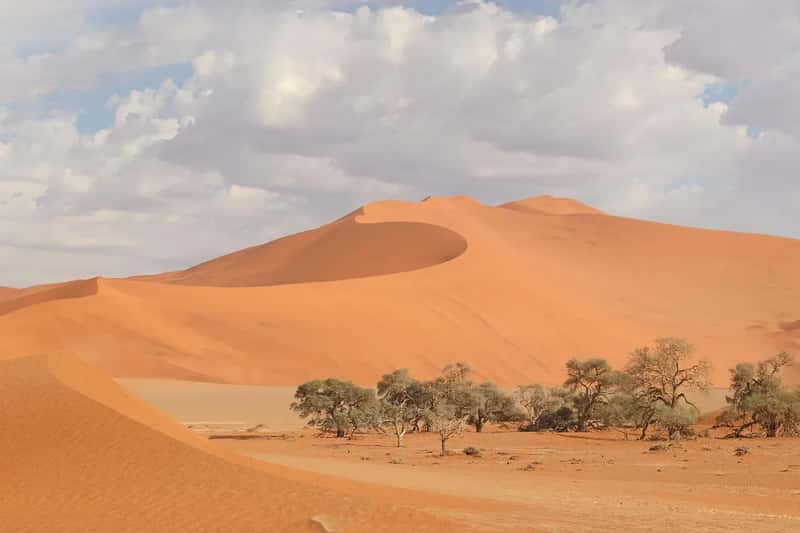
Namibia, representing Sub-Saharan Africa, ranks 8th globally with 81.1% of its gender gap closed and has held a top-10 position each year since 2021. This southern African nation stands out remarkably among its regional neighbors, where gender inequality remains entrenched. Here’s the thing: Namibia shows that geographic or economic disadvantages don’t automatically prevent progress. Their sustained commitment to women’s political participation and educational access has propelled them ahead of far wealthier nations. It’s proof that political will can overcome structural barriers when leaders prioritize equality.
Germany Joins the European Elite
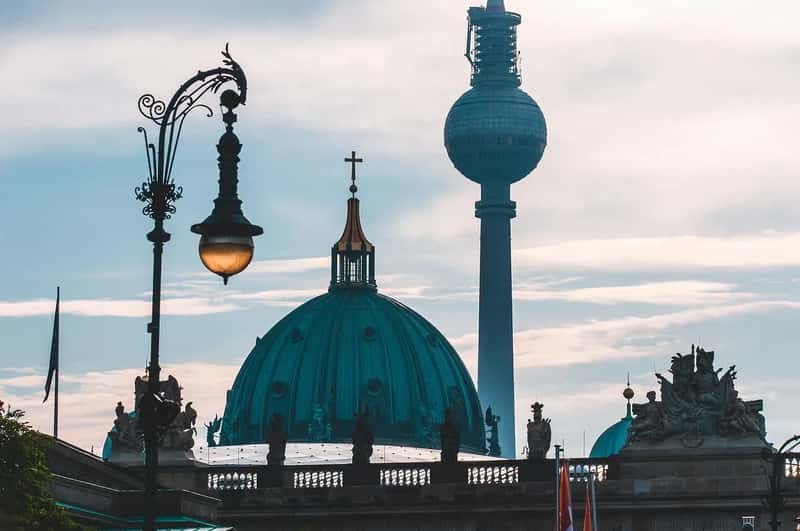
Germany ranks 9th with 80.3% of its gender gap closed and is among the top 10 this year, marking their 7th appearance. Europe’s largest economy has steadily chipped away at barriers in education and economic participation, though challenges remain in senior leadership representation. Germany’s progress illustrates how major economies can shift despite complex bureaucracies and diverse regional variations. Their focus on workplace policies, parental leave reforms, and educational equity has created tangible results across multiple dimensions measured by the index.
Pakistan Struggles at the Bottom of Rankings
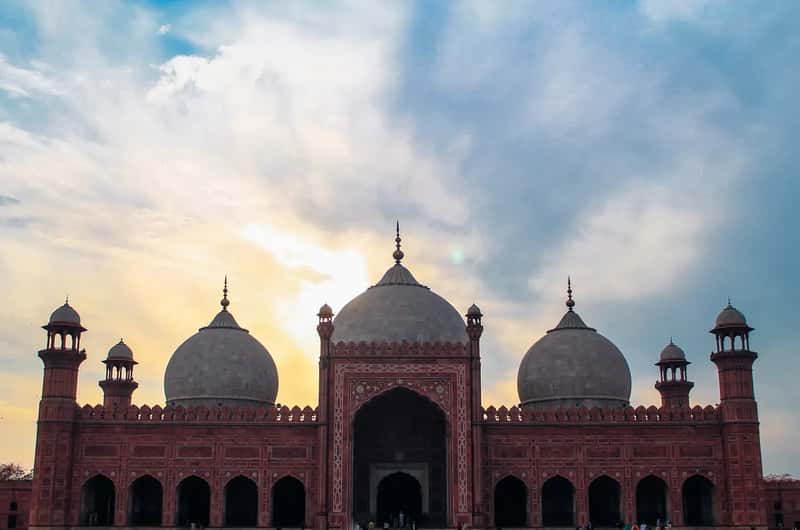
The picture shifts dramatically when we examine countries lagging furthest behind. Pakistan ranks 148th with only 56.7% of its gender gap closed, placing it at the bottom of the 2025 Global Gender Gap Index. Pakistan is considered one of the furthest from what the WEF would consider full gender parity of the 146 countries and territories analyzed. The barriers facing Pakistani women span every measured dimension, from literacy rates to political representation to economic opportunity. This ranking reflects deeply embedded cultural norms that restrict women’s autonomy and participation in public life.
Sudan Faces Compounding Crises

Sudan is ranked as the least gender equal country in the world, with conditions worsening significantly after a civil war broke out in April 2023, with girls and women especially suffering and becoming victims of sexual violence. Conflict has intensified existing inequalities to catastrophic levels. The intersection of violence, displacement, and institutional collapse has created an environment where women’s rights have deteriorated rapidly. The Middle East and North Africa region has the largest gender gap as of 2023, just ahead of South Asia, and Sudan exemplifies the worst outcomes within this broader regional pattern.
Chad, Iran, and Guinea Round Out the Bottom Five
The lowest-ranked economies in the 2025 edition include Chad at 146th with 57.1% of its gender gap closed, the Islamic Republic of Iran at 145th with 58.3%, and Guinea at 144th with 59.5%. These countries share common patterns of restricted educational access, limited economic opportunities, and minimal political representation for women. Niger has one of the world’s highest rates of underage marriages, with 76.3% of women aged 20-24 entering into marriage before age 18, illustrating how social practices perpetuate inequality. The gaps aren’t merely statistical. They represent millions of women denied fundamental opportunities to participate fully in society.
Looking at these contrasts, the global landscape of gender equality reveals both progress and persistent challenges. The Nordic nations and select European countries prove that comprehensive equality is achievable, while bottom-ranked nations face compounding barriers of tradition, conflict, and economic constraints. What becomes clear is that gender parity requires sustained commitment across political, economic, and social dimensions simultaneously. Did you expect such dramatic differences between the highest and lowest-ranked countries? Share your thoughts in the comments.