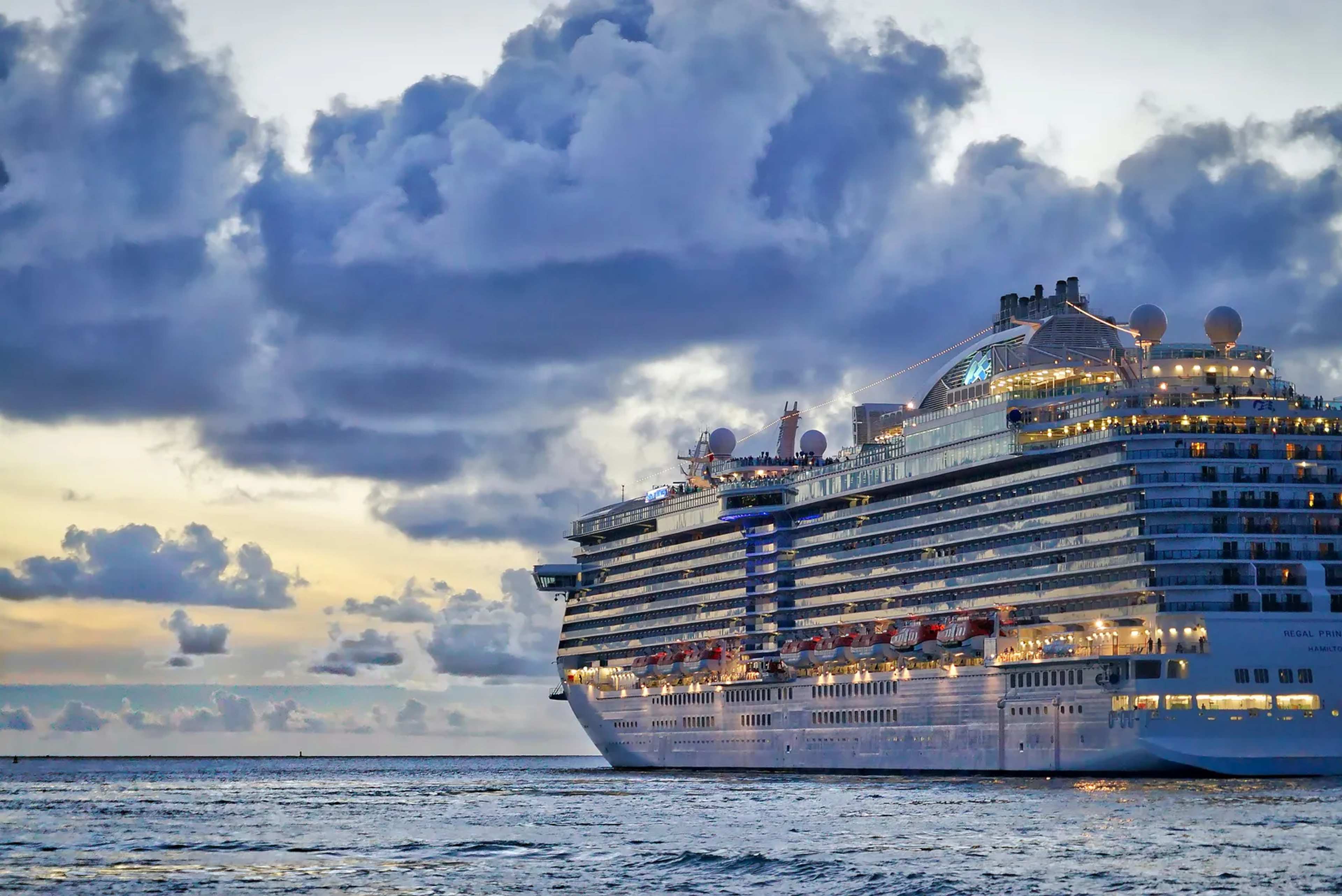
Summer used to mean crowded beaches and packed museums, a familiar kind of inconvenience tourists shrugged off and locals tolerated. That balance has shifted. In cities from Barcelona to Bali, residents are now organizing protests, city councils are rewriting housing rules, and governments are experimenting with fees that didn’t exist five years ago, all because the sheer volume of visitors has started reshaping daily life for the people who actually live there.
Spain: protests, Airbnb crackdowns, and a housing squeeze

Spain has become the clearest example of what happens when tourism growth outpaces a city’s capacity to absorb it. Spain ranks first among 30 countries analyzed for anti-tourism protests, registering demonstrations in more than 40 cities nationwide, from Barcelona to the Canary Islands. The frustration isn’t abstract: one Barcelona resident described his rent rising over 30 percent, with apartments in his neighborhood continually rented out for short-term vacation use instead.
Officials have responded with real policy, not just rhetoric. The Spanish government removed 65,000 Airbnb listings and introduced a tax on foreign buyers, while Catalonia intends to phase out short-term rentals in Barcelona entirely by 2028. Meanwhile, tourist taxes keep climbing; Barcelona now stacks a regional Catalan tourist tax with a municipal surcharge, so a guest in a five-star hotel pays roughly 7.50 euros per person per night. Out in the Canary Islands, the numbers explain the anger: the archipelago received 7.8 million visitors in the first half of 2025 alone, with locals chanting “Canarias tiene un límite” and demanding limits tied to housing and ecosystem strain.
Italy: entry fees spread from Venice to the Dolomites
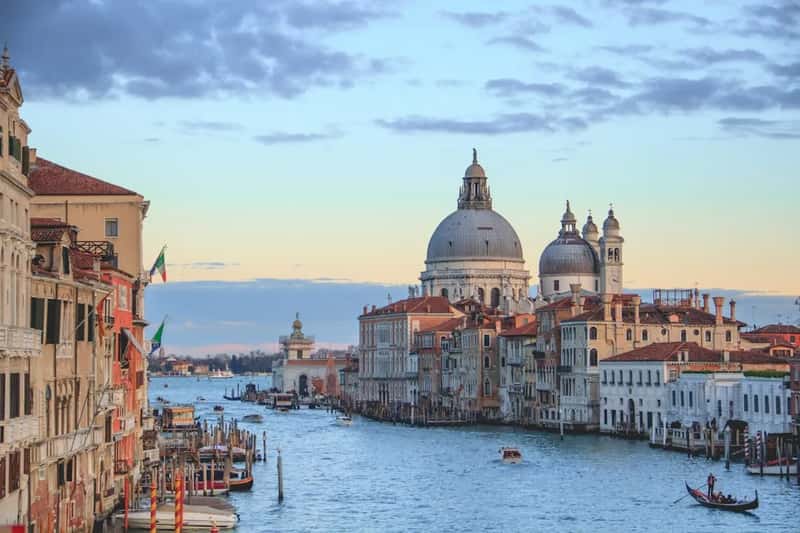
Italy’s tourism boom is arriving faster than its infrastructure can absorb it. The country was expecting a 12 percent rise in visitor numbers in June 2026 compared with the year before, the steepest projected increase among Europe’s major destinations. That growth is landing hardest in a handful of familiar hotspots, since the biggest flashpoints are Venice, Rome, and the Amalfi coast, alongside overcrowded sites elsewhere in southern Europe.
City governments have moved beyond warnings and into enforcement. Venice is keeping its summer tourist entry tax, introduced in 2024, while Florence has reduced outdoor dining space and the Dolomites have cut back on available ski passes. Protests haven’t stopped either; Italy has seen demonstrations in Venice, Rome, Florence, Naples, and Milan. The pattern suggests Italy isn’t trying to turn tourists away outright, but it is trying to slow the pace and spread the pressure more evenly across its cities.
Greece: cruise ship caps and a pricier Acropolis
Greece’s islands have long carried an outsized share of the country’s tourism traffic, and 2026 brought some of the sharpest regulatory responses yet. Passenger loads on cruise ships are now counted at 100 percent of a ship’s capacity rather than the 80 percent assumption used in 2025, so a 3,000 berth ship counts fully against local limits. Santorini, the island most associated with overtourism in the Mediterranean, has taken the most direct approach.
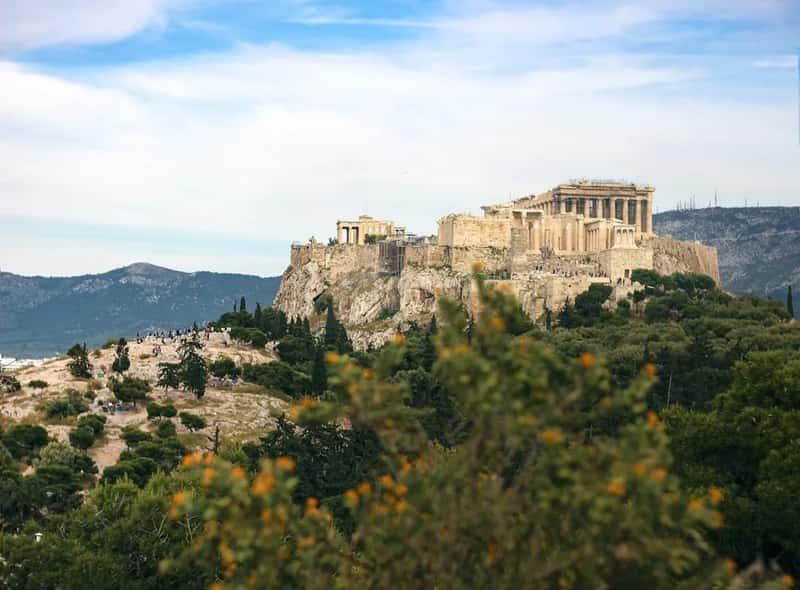
For the 2026 season, Santorini enforces a daily cap of 8,000 cruise visitors, a hard limit meant to keep the island’s narrow streets and cliffside villages from becoming unmanageable during peak months. On the mainland, the government has also raised the cost of visiting its most famous monument: a standard timed-entry ticket to the Acropolis rose to 30 euros as of April 2025, under a national pricing overhaul that scrapped the old winter discount and set five tiers ranging from 5 to 30 euros. Together, these measures reflect a government trying to manage flow rather than simply collect more revenue.
Japan: taxing hotels and rationing access to Mount Fuji
Japan’s tourism boom has been driven partly by a weak yen, and the country is now scrambling to manage crowds that arrived faster than anyone anticipated. Japan welcomed more visitors than ever in 2024 and 2025, with international arrivals surpassing pre-pandemic records and concentrating heavily in Tokyo, Osaka, Kyoto and Hokkaido. Kyoto has responded with one of the most dramatic tax increases anywhere in the country.
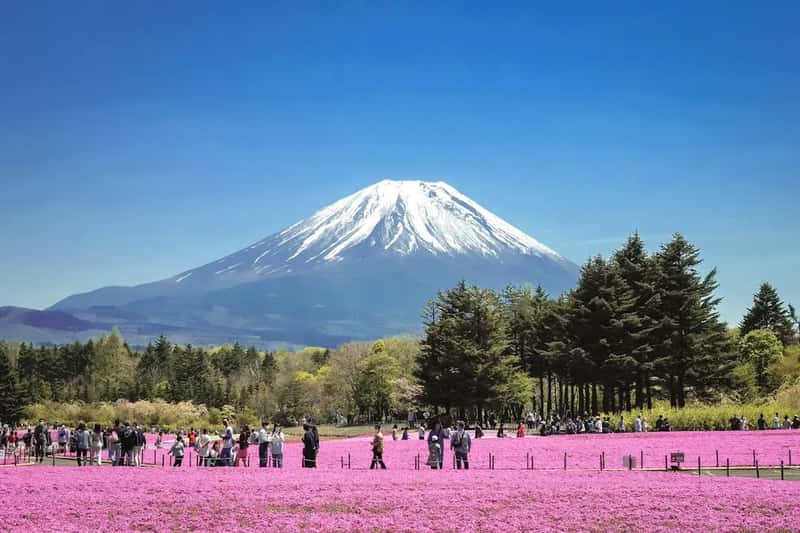
To tackle overtourism, Kyoto will impose an accommodation tax of up to 10,000 yen starting in March 2026, an increase of up to 900 percent that makes it Japan’s highest local lodging tax. Mount Fuji has taken a different approach, limiting physical access rather than just raising prices. Climbers on the Yoshida Trail are now capped at 4,000 per day, with the permit fee raised to 4,000 yen from the previous 1,000 yen. One town near the mountain even erected a black wall to try to stop tourists from deluging the area to take photos in front of Mount Fuji as a backdrop.
Indonesia: Bali’s water crisis and traffic gridlock
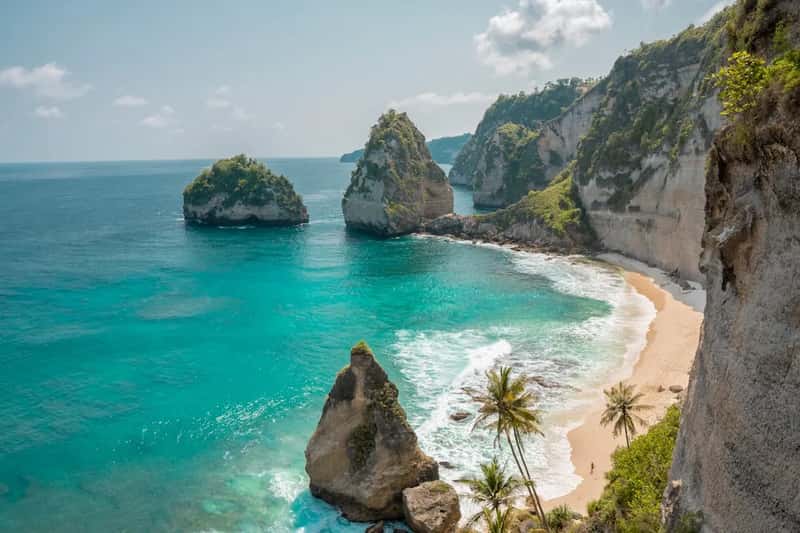
Bali’s tourism numbers have climbed to a point where the island’s basic resources are struggling to keep pace. In 2026, Bali was crowned the world’s top travel destination after a record 2025 that brought nearly seven million international visitors and more than 16 million total arrivals. That volume is concentrated almost entirely in one part of the island, since most visitors crowd into the southern tourism belt stretching from the airport through Seminyak, Canggu and Ubud, while northern areas like Lovina remain comparatively quiet.
The strain shows up most visibly in water and traffic. Rapid visitor growth is intensifying pressures on Bali’s water resources, waste systems and cultural landscapes, often in ways less visible to tourists passing through its beaches and cafes. Traffic has become its own daily ordeal, with congestion often occurring in the Kuta area due to narrow roads and the increasing number of vehicles. Local experts have started describing the issue less as simple overcrowding and more as a geographic imbalance, since development keeps piling into the same few square miles of the island.
Mexico: gentrification protests in Mexico City
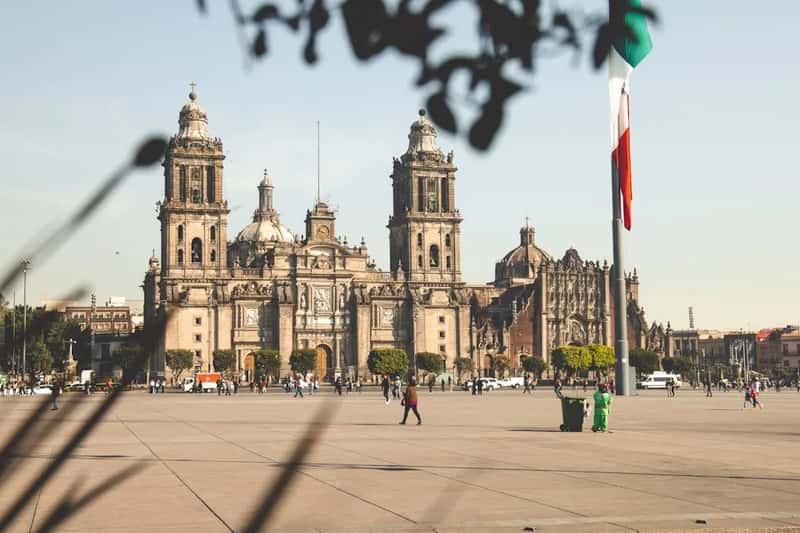
Mexico City’s overtourism story looks different from the others on this list, because the crisis isn’t really about beaches or landmarks. It’s about rent. Mexico City has experienced a surge in tourism that has driven up rents and led to gentrification, pushing out longtime residents.
That frustration turned into open conflict in the summer of 2025. Large protests erupted across the city calling for “Mexico for Mexicans” and “Gringos out,” with some demonstrations turning violent. Many residents point to a specific cause behind the shift, arguing that the surge has been fueled by the “Instagram, Airbnb, and Uber” generation, creating a commodification of community life and fueling displacement. Unlike Spain or Italy, Mexico City hasn’t yet rolled out major new taxes or visitor caps, which leaves the tension between newcomers and longtime residents largely unresolved for now.
A pattern with no single fix

What ties these six countries together isn’t a shared policy, since Japan is taxing hotel rooms while Greece is capping cruise ships and Mexico is dealing with a housing crisis that has no easy regulatory lever. What they share is timing. Travel expenditure across Europe rose 9.7 percent in 2025, while visitor arrivals grew just 3.2 percent, which suggests governments are increasingly trying to attract fewer, higher-spending travelers rather than simply more of them.
That shift, sometimes called “quality tourism,” sounds reasonable on paper. In practice, it mostly changes who gets priced out. Locals in Barcelona, Kyoto, and southern Bali aren’t waiting for a global consensus on sustainable travel. They’re already living with the consequences, one tax hike, one water shortage, one displaced neighbor at a time.