For a couple of decades, the assumption seemed settled: swiping apps and self-selected romance were quietly replacing family-arranged unions, matchmakers, and centuries-old wedding rituals almost everywhere. Yet in several countries, that trajectory has bent, sometimes sharply, as dating app fatigue, falling marriage rates, and a hunger for cultural identity push people back toward customs their grandparents would recognize.
The countries below are not turning back the clock entirely. Instead, they are blending old structures with modern life, often with governments, tech platforms, and young people themselves pulling in the same direction.
China: matchmaking becomes policy, tradition becomes fashion
China’s declining marriage rate has turned matchmaking from a family tradition into something closer to a national project. Universities have even created programs to teach students how to navigate relationships, with one Beijing university enrolling students in China’s first marriage-related degree program in March 2025, a course that reportedly includes matchmaking alongside counseling. A Xi’an Jiaotong University professor has gone further, urging authorities to create a more supportive environment for marriage by promoting family values and improving matchmaking services.
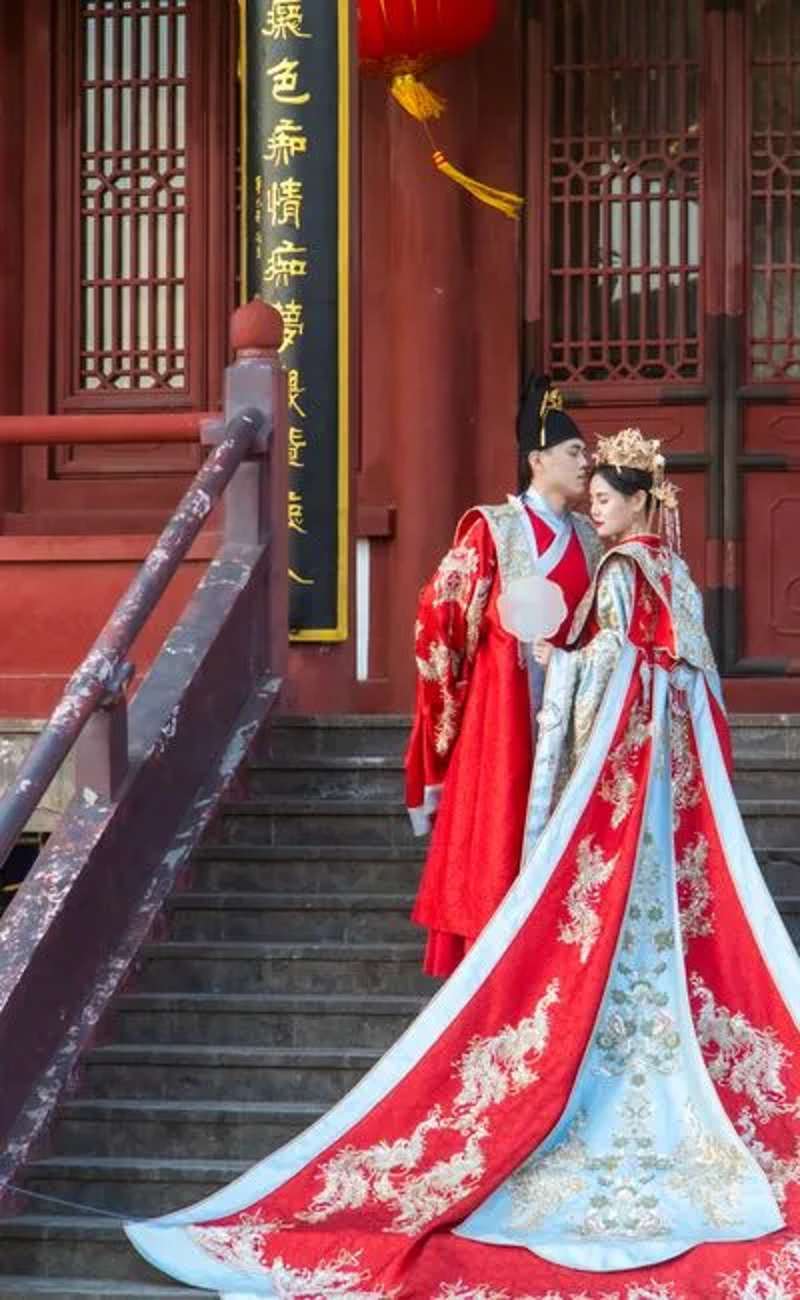
Alongside the policy push, a quieter cultural shift is playing out at the wedding itself. In recent years, Hanfu has witnessed a new surge of popularity in China. Chinese-style weddings today are mainly divided into “new Chinese-style” celebrations and weddings inspired by different dynasties, each blending ancient customs and rituals with adaptations for modern life. Couples who once might have defaulted to a Western gown and suit are increasingly choosing ceremonial robes tied to specific dynasties, turning what used to be a niche hobby into a mainstream wedding option.
Japan: omiai finds new relevance in a low-marriage era
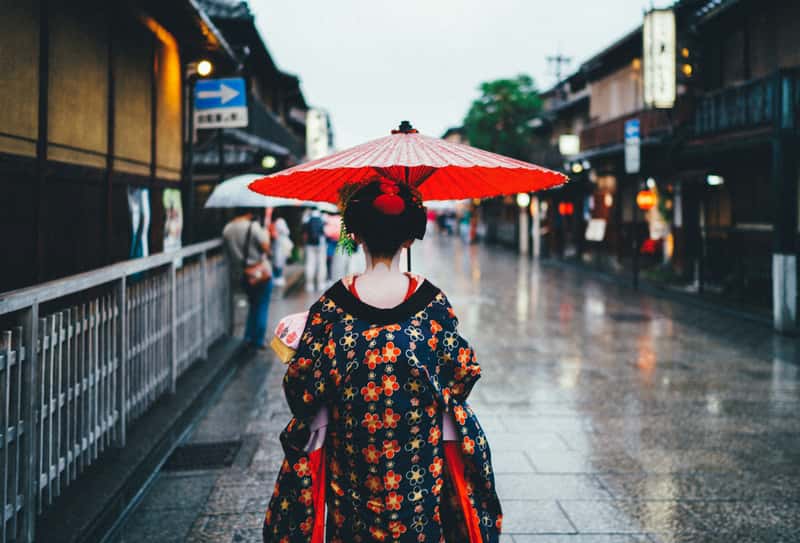
Japan’s traditional matchmaking practice, omiai, never disappeared, but it has been rebooted for an era of demographic alarm. The custom traditionally works through a go-between who arranges introductions between prospective partners, and today there are even companies and businesses that offer these dating and matchmaking services. The practice was once close to universal, before falling out of favor for generations as personal choice took over.
In the 1930s and 40s, omiai practices accounted for roughly seven in ten marriages in Japan, a figure that had dropped to just over five in a hundred by 2010. That decline once looked permanent, yet economic pressure and the isolation many young adults felt during the pandemic years have made structured introductions appealing again. Government support has followed, with matchmaking events now treated as a practical tool for a country worried about its shrinking population rather than a relic of an older social order.
South Korea: the state steps in as matchmaker of last resort

South Korea’s marriage rate has fallen so sharply that the state has effectively become a matchmaker of last resort. Across the country, local governments are organizing dating events, offering marriage incentives, and designing matchmaking programs that resemble reality television shows, with couples in Hampyeong County who meet through a government-sponsored event and eventually marry able to receive up to 10 million won, while a Seoul city-backed dating event on the Han River reportedly drew more than 3,000 applicants for just 100 spots. The demand for these programs suggests something other than simple curiosity about free events.
Not every program has worked, and some districts have logged large budgets with almost no resulting weddings, which suggests younger South Koreans remain skeptical of state-run romance even as they welcome the structure it offers. Still, the demographic trend line has nudged slightly upward. In 2023, South Korea’s birthrate stood at 0.72 per woman, and as of January 2026 it had climbed to 0.99. Beyond government programs, South Korea has turned matchmaking into something closer to a formal industry than a family favor, with private consulting services now treated as a normal first step rather than an admission of failure.
India: family networks reclaim ground from dating apps
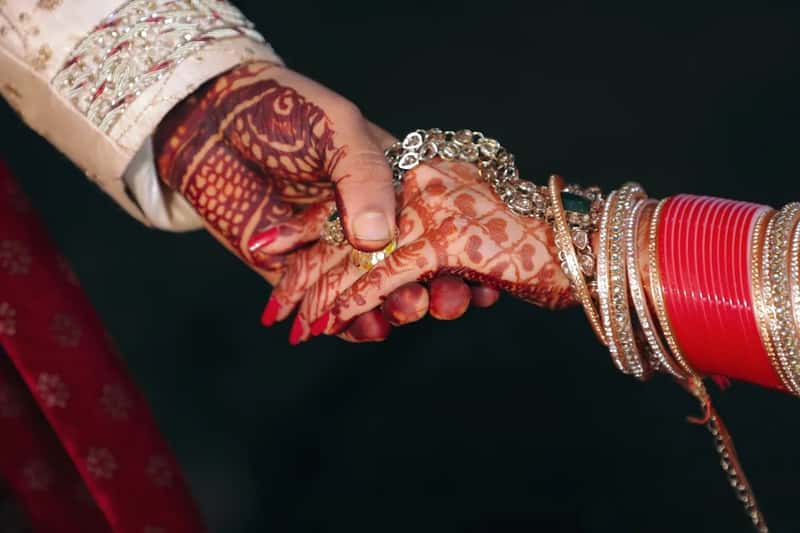
India has always had the world’s largest concentration of arranged marriages, but what’s shifting is who young Indians are turning to when apps stop working. It is estimated that roughly four out of five marriages in South Asia are arranged by the bride and groom’s parents, a figure that has held remarkably steady even as smartphone dating exploded across the country. Commentary from late 2025 points to a generation that tried dating apps, tried matrimonial websites, and then circled back toward community networks and paid matchmakers who function much like the aunties and uncles of old.
Regional institutions built for exactly this purpose have quietly outlasted the apps meant to replace them. Gujarat’s Patidar Vivah for Kadva and Leva Patels, and Maharashtra’s Vadhu Var Suchak Kendra network, with Pune’s Anuroop Wiwaha Sanstha alone claiming over five decades of work and more than 130,000 marriages made, are proving more durable than the apps that were supposed to replace them. Meanwhile the apps themselves have felt the pinch, since Tinder’s revenue fell roughly four percent year-on-year in its 2025 financial year, the first annual drop in the app’s history, with paying subscribers dropping to about 8.8 million by the end of 2025, down some eight percent on the year. It is a case of old infrastructure quietly picking up new customers.
Israel: the shadchan’s quiet return
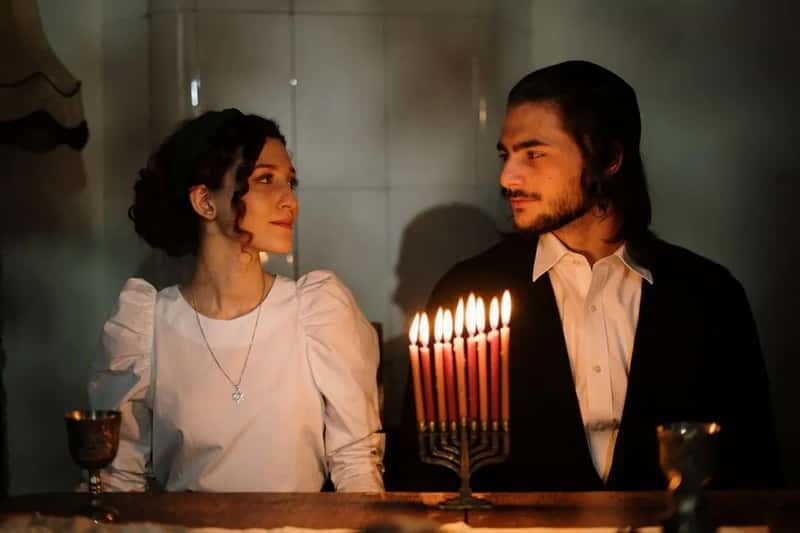
In Orthodox Jewish communities, formal matchmaking never really went anywhere, but interest has been widening beyond its traditional base. The matchmaker, or shadchan, remains central to the whole arrangement, guiding introductions between families who are often looking for a specific set of shared values rather than a chance encounter. In formal Orthodox matchmaking, the shadchan is usually compensated by the parents, receiving around 1,000 dollars upon a couple’s engagement, although higher-end services charge more.
What has changed is who is asking for the service. Outside strictly Orthodox circles the system loosens considerably, but even secular and Reform Jewish communities in Israel and the diaspora have shown renewed curiosity about structured introductions, partly inspired by television coverage of the tradition. That crossover interest has turned a once tightly bounded religious custom into something closer to a broader cultural conversation about how people actually want to meet a future spouse.
Iran: state-backed matchmaking rooted in tradition

Traditionally, arranged marriages in Iran are initiated by the groom’s family through a formal marriage proposal, a structure that has shaped Iranian courtship for generations. To keep up with modern times, the Iranian government introduced a state-approved app specifically designed to preserve Iranian family values and culture rather than replace them. The platform, known as Hamdam, was built by a body tied to the country’s Islamic Propaganda Organization and positioned as the only legally sanctioned matchmaking service in the country.
The urgency behind the project is demographic as much as cultural. There are about 13 million single people aged 18 to 35 in Iran, according to Associated Press reporting, and officials have pointed to rising marriage ages and falling birth rates as a national concern. Users on the platform go through an identity check and a psychological screening before any match is suggested, after which families are brought into the process together rather than leaving the two individuals to sort things out alone, a structure clearly modeled on older, family-centered courtship rather than a typical Western dating app.