Every spring, researchers quietly publish a ranking that reshuffles how the world thinks about a good life. The World Happiness Report asks people a simple question on a scale from zero to ten: where do you personally stand right now on the best possible life you can imagine? The answers, gathered from Gallup interviews across nearly 150 countries, produce a league table that rewards trust, health, and social support far more than raw income.
The 2026 edition, released around the United Nations’ International Day of Happiness, sticks with its usual formula of averaging three years of survey data to smooth out short term noise. What makes this year’s numbers worth a closer look is not just who sits at the very top, since that answer rarely changes anymore, but how wide the gap has grown between the most content societies and the most troubled ones.
Finland: nine years and counting at the top
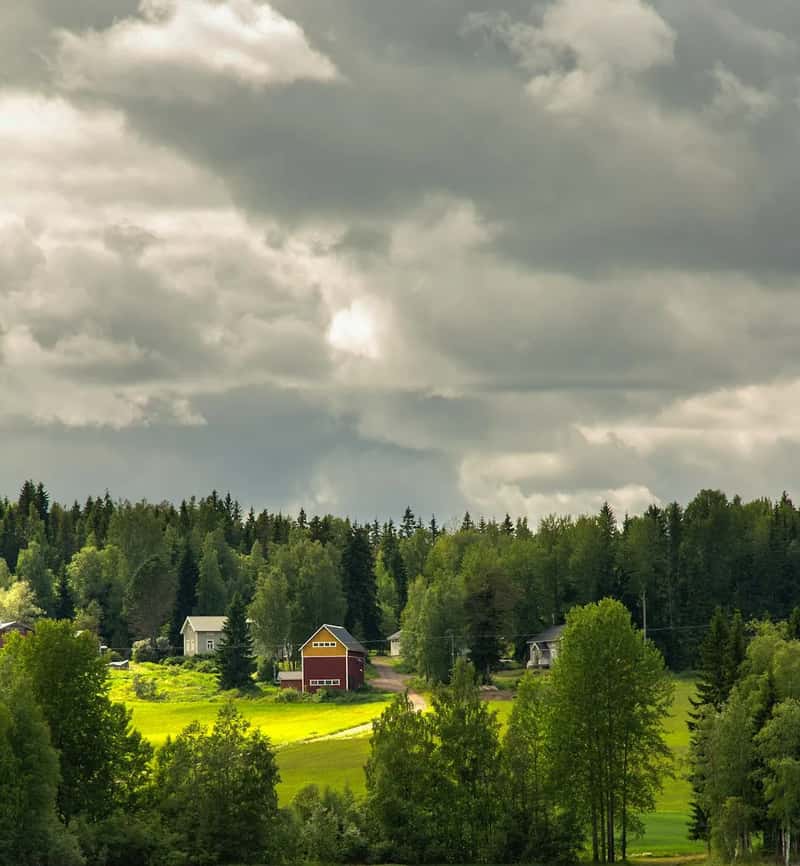
Finland has become almost synonymous with the word happiness in these rankings, and 2026 is no exception. Finland takes first place for the ninth consecutive year with a score of 7.764.[1] That is not a narrow win either; the gap between Finland and the next country is far larger than the gaps separating most other nations in the top twenty.
What keeps Finland ahead of everyone else is not flashy wealth or perfect weather, since long dark winters are hardly a selling point. Its lead is associated with trust, dependable public institutions, high quality education, access to nature, personal freedom and a strong social support system.[2] Finns tend to describe contentment less as excitement and more as a quiet sense that things will be fine even when life gets hard, and the data backs that feeling up year after year.
Iceland: a razor thin climb into second place
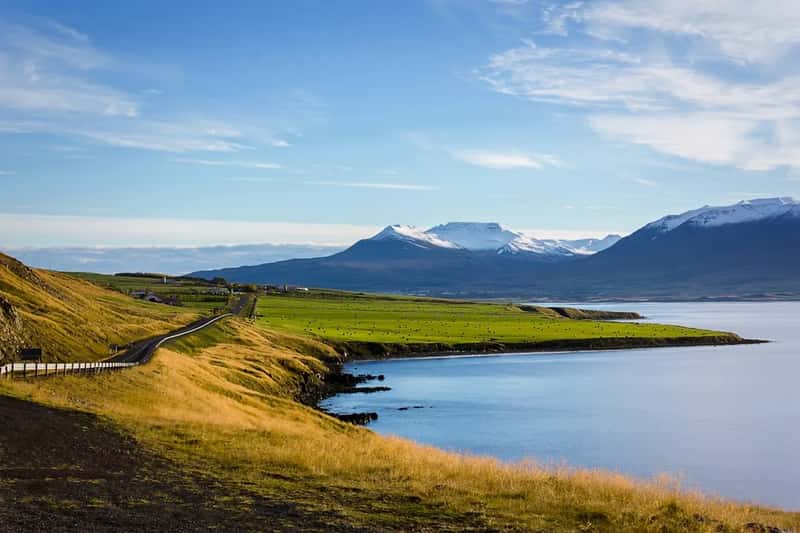
Iceland made one of the more interesting moves in this year’s report, overtaking Denmark by the smallest possible margin. Iceland moved ahead of Denmark by only 0.001 points, scoring just 0.001 points above its Nordic neighbor.[2] Given how volatile life can be on a small volcanic island with a population under half a million, that kind of statistical consistency says something about how tightly knit the society really is.
The explanation researchers point to has less to do with income and more to do with community texture. Strong social connections, gender equality, safety, and community resilience are central features of Icelandic life.[2] Icelanders also benefit from one of the highest social support scores recorded anywhere, meaning people genuinely believe they have someone to call in a crisis, which turns out to matter enormously for how satisfied people feel with their lives overall.
Denmark: the quiet original at the top of the table
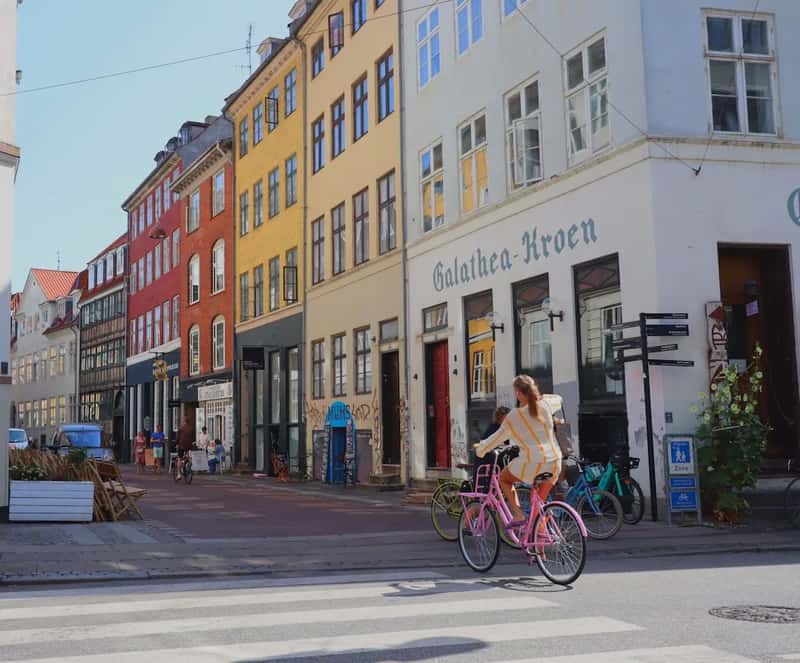
Denmark has a longer history at the summit of this ranking than any other country, and losing one spot this year barely dents that legacy. Denmark topped the list in the first World Happiness Report in 2012, and again in 2013 and 2016, and after coming in as the runner up for seven years in a row, it has lost one notch in the new edition.[3] Third place, in other words, is still a remarkably comfortable spot for a country that has essentially never left the top tier.
Danes consistently point to fairness as much as comfort when explaining their satisfaction. Danes score high when it comes to work life balance, the environment, and healthcare, and they also pride themselves on having one of the smallest wealth gaps in the world.[3] That sense of shared burden and shared benefit shows up in survey after survey, and it appears to matter just as much as the country’s generous welfare programs.
Costa Rica: Latin America’s historic breakthrough
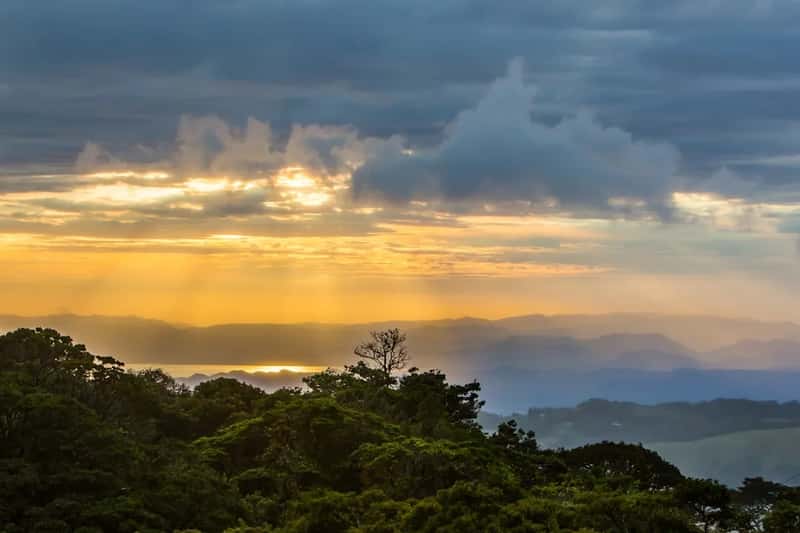
If there is one genuine surprise in this year’s rankings, it is Costa Rica, and the climb has been remarkable to watch unfold. For the first time in the report’s fourteen year history, a Latin American country made its way into the top five, as Costa Rica continued its multi year rise to fourth place, jumping from 23rd in 2023.[4] Few countries move that fast through a ranking built on three year averages, which makes the trend line even more striking than the single year snapshot.
What sets Costa Rica apart from its Nordic neighbors is the mix of ingredients behind the score. Costa Rica is the strongest money is not everything case in the top tier, since its GDP is far below the Nordic leaders, but freedom is extremely high and positive affect is also strong.[5] Strong family ties and a widely shared sense of community appear to be doing a lot of the heavy lifting that income alone cannot explain.
Sweden: steady, if no longer the outright leader
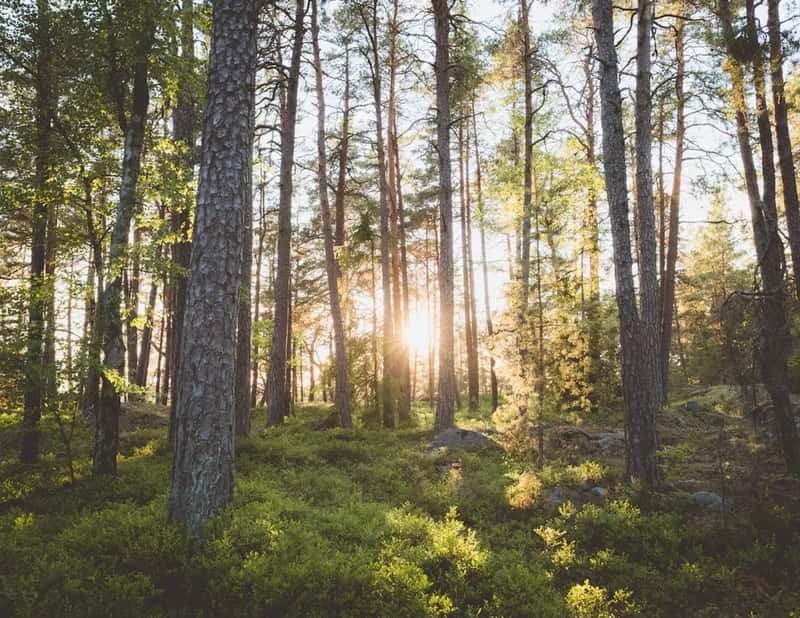
Sweden rarely grabs headlines in these reports anymore simply because its position has become so predictable. It sits comfortably inside the top five without the drama of Costa Rica’s rise or Iceland’s narrow overtaking move, which in its own way is a sign of a very stable society. Sweden stays in the global top five with strong health, social support, and freedom, even if it no longer sits at the absolute top of the table.[5]
Swedes benefit from many of the same structural advantages as their Nordic neighbors, including reliable healthcare and low corruption, but with a slightly larger and more urbanized population than Iceland or Denmark. That scale has not dented the numbers much, and the country continues to sit well above nearly every large economy in the world on the same measure. It is a reminder that happiness rankings do reward consistency almost as much as they reward improvement.
Norway: the all rounder that rarely slips
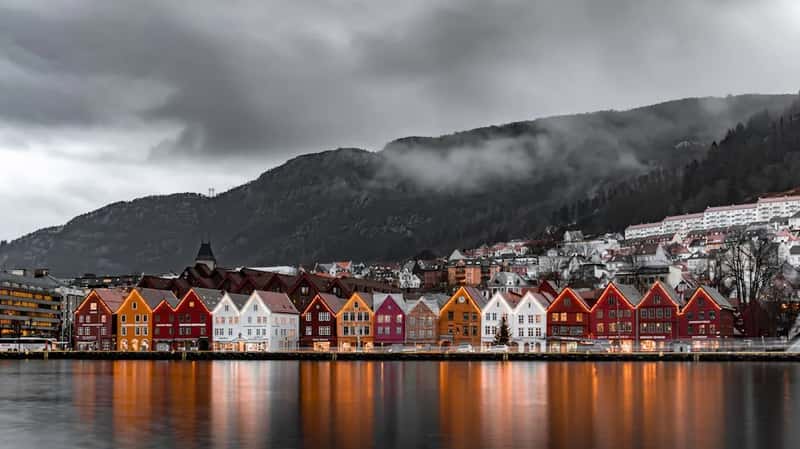
Norway rounds out the Nordic sweep of the top six, and its profile looks about as balanced as any country in the dataset. Norway remains one of the strongest all rounders in the dataset, especially on income, health, support, and freedom.[5] Oil wealth certainly helps fund Norway’s social programs, but researchers are careful to note that money alone rarely explains a country’s happiness score.
What stands out about Norway is how little it fluctuates from year to year, even as countries further down the list swap positions constantly. That stability points to something researchers keep emphasizing across the Nordic bloc generally, which is that predictable institutions and low corruption tend to matter more than short term economic swings. It is a quieter kind of success story than Costa Rica’s climb, but a durable one all the same.
Afghanistan: the steepest decline on record
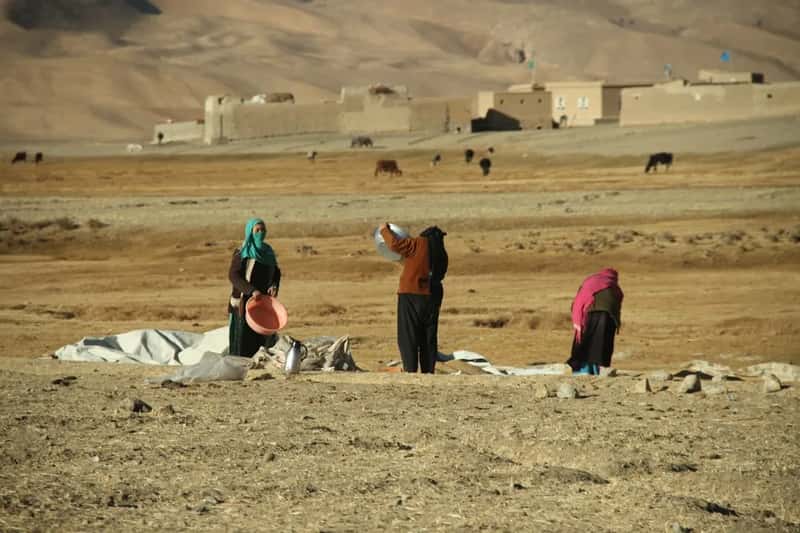
At the very bottom of the 2026 rankings sits Afghanistan, and the numbers there are genuinely stark. Afghanistan remains the world’s unhappiest country for yet another year, scoring just 1.4 out of 10, a dramatic collapse from 3.8 in 2016.[6] Few countries in the report’s history have fallen this far this fast, and researchers describe the drop as closer to a collapse than a gradual decline.
The reasons behind the score are not particularly mysterious given the country’s recent history. Decades of war, Taliban restrictions on women’s education and employment, and a near total breakdown of trust in institutions have left the population facing extreme hardship.[6] Among women specifically, the picture is even bleaker, since Afghan women report an average life evaluation of 1.26, the lowest of any population subgroup ever recorded in the Gallup World Poll.[1]
Sierra Leone: rebuilding without much traction
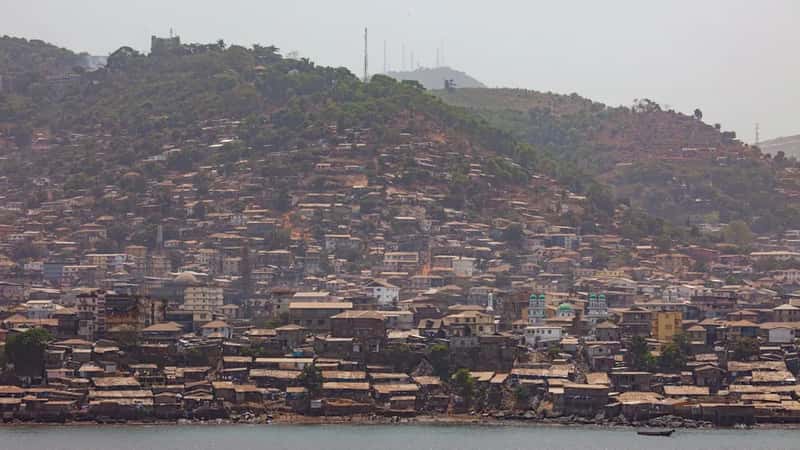
Sierra Leone lands just above Afghanistan in the 2026 report, and its trajectory looks less like a single crisis and more like years of stalled progress. Sierra Leone, ranked 146, records a score of 3.251 with a drop of negative 1.067.[7] That kind of decline, occurring over a relatively short survey window, tends to reflect eroding confidence rather than one dramatic event.
The country has spent much of the past two decades recovering from civil conflict and public health emergencies, and that history still shapes how residents evaluate their lives today. The country has spent years trying to rebuild from past crises, yet progress appears uneven.[7] Limited access to steady employment and basic infrastructure continues to weigh on how people answer the ladder question, even when things are not actively falling apart.
Malawi: poverty and thin state capacity
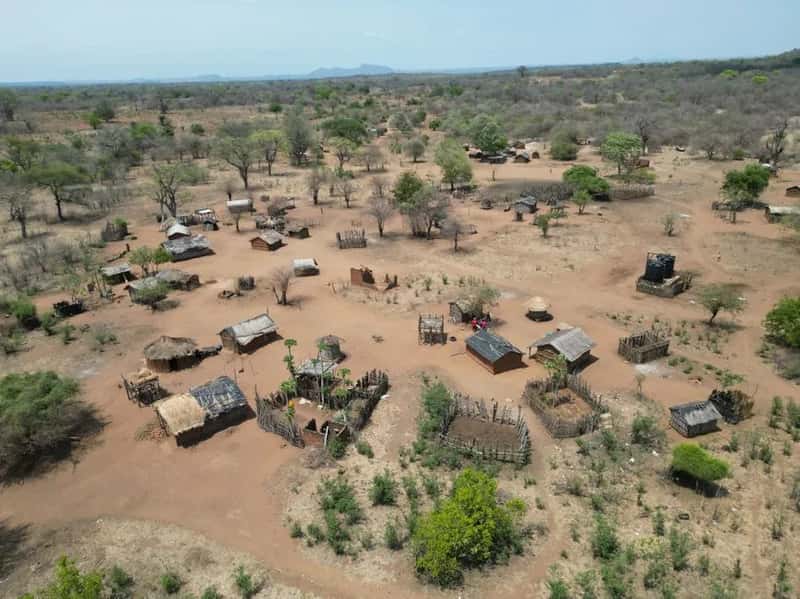
Malawi sits among the lowest ranked countries in this year’s report, part of a cluster of nations where structural poverty rather than active conflict drives the low scores. Afghanistan remains the unhappiest country globally, followed by Sierra Leone and then Malawi.[8] Unlike Afghanistan or Sierra Leone, Malawi has not experienced recent war, which makes its low ranking a somewhat different story about chronic underdevelopment rather than sudden crisis.
Researchers group Malawi together with several other sub Saharan economies facing similar pressures. The bottom of the rankings is dominated by two clusters, conflict affected states and sub Saharan African economies with severe poverty and low state capacity, a group that includes Malawi, Zimbabwe, Botswana, and Zambia.[1] Limited government resources for healthcare, education, and infrastructure show up repeatedly in survey responses, even among people who are not personally facing violence or displacement.
Lebanon: a country still absorbing an economic collapse
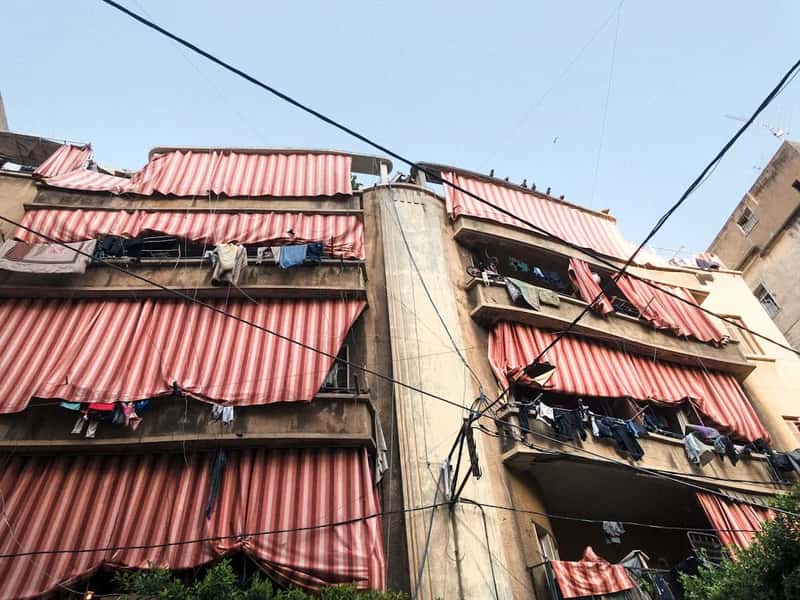
Lebanon’s presence near the bottom of the rankings tells a different kind of story than most of its neighbors on the list. Rather than decades of war or chronic poverty, Lebanon’s decline traces largely to a financial system that unraveled in recent years. Lebanon rounds out the list, driven largely by economic collapse rather than active conflict.[6]
The country continues to grapple with currency instability, banking restrictions, and political paralysis that have made everyday financial planning nearly impossible for ordinary households. Lebanon appears among the ten lowest ranked countries alongside Tanzania, Egypt, the Democratic Republic of the Congo, Yemen, Botswana, and Zimbabwe.[9] What makes Lebanon’s case notable to researchers is that the country was not always near the bottom of these rankings, which suggests how quickly an economic crisis can undo years of relative stability in people’s life evaluations.