Corruption and tourism sound like they should cancel each other out, yet in practice they rarely do. Some of the world’s most visited destinations also rank among the lowest scorers on global corruption indexes, and travelers keep showing up anyway, often without ever noticing the difference. The gap between a country’s institutional reputation and its street-level experience for a visitor can be surprisingly wide.
This list looks at six countries that consistently land near the bottom of corruption rankings, based largely on Transparency International’s Corruption Perceptions Index, while still functioning as places tourists visit every year with reasonable precautions. The corruption here tends to show up in bribery, weak law enforcement, or shady officials rather than in street violence aimed at foreigners. Knowing where that risk actually lives makes a real difference when planning a trip.
Venezuela
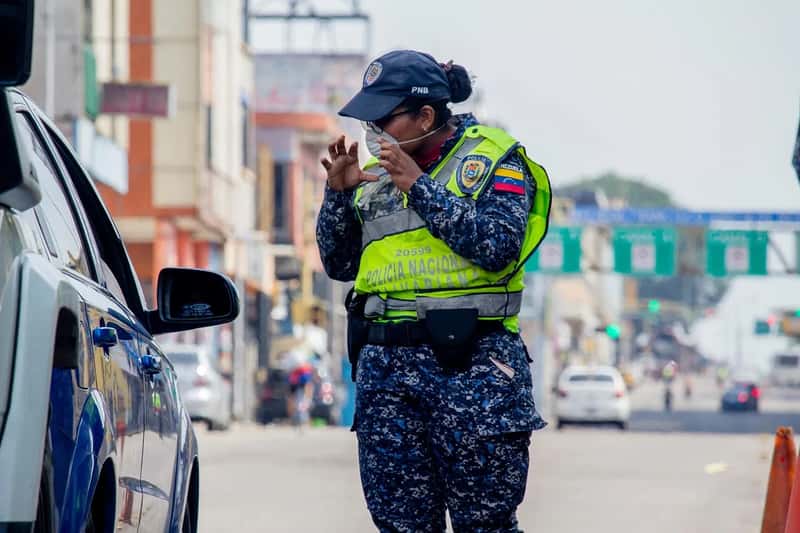
Venezuela sits near the very bottom of global corruption rankings, and the numbers back that up in stark terms. In the 2024 index, Venezuela scored just 10 points, placing it 178th globally, a level normally associated with collapsed states rather than a country with beaches, waterfalls, and a functioning tourism sector. Corruption here isn’t abstract policy talk. It shows up directly at airports, checkpoints, and roadside stops where officials look for an excuse to ask for cash.
Travelers who have gone recently describe a pattern that’s almost predictable. Corrupt police do pose a threat to tourists, often in the form of bribery, with reports of foreign visitors being stopped for no good reason and threatened with arrest if they don’t pay up. One recent account from a traveler passing through security described the situation bluntly, noting that “that’s how deep corruption runs in Venezuela.” Carrying small denominations of US dollars, staying calm, and avoiding isolated public transport routes are the practical tools that keep most visits uneventful.
Cambodia
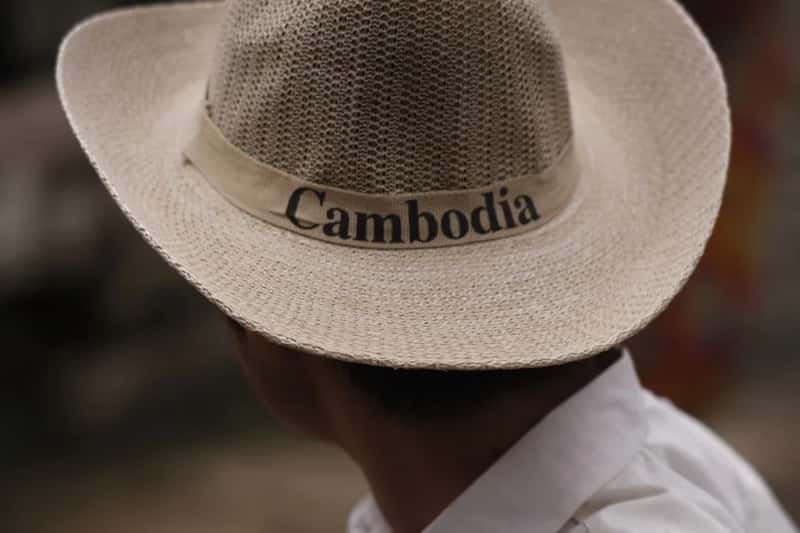
Cambodia’s corruption problem is less about physical danger and more about friction, the kind that slows things down or costs a few extra dollars here and there. Police corruption remains a real issue, and tourists could easily find themselves dealing with bribes and issues if they need help from law enforcement. Visa scams add another layer, particularly at land borders, where tourists will often get asked to pay excessive sums of money for tourist visas, especially when entering land borders.
Despite this, Cambodia remains one of Southeast Asia’s most visited countries, and for good reason. Violent crime against foreigners is genuinely rare, with most serious safety concerns concentrated near contested border zones rather than in Siem Reap or Phnom Penh. One recent account from someone living in Siem Reap noted that visitors often arrive worried and within a day are left wondering “why were we worried?” Sorting out a visa online in advance and keeping valuables tucked away solves most of the practical headaches.
Nigeria
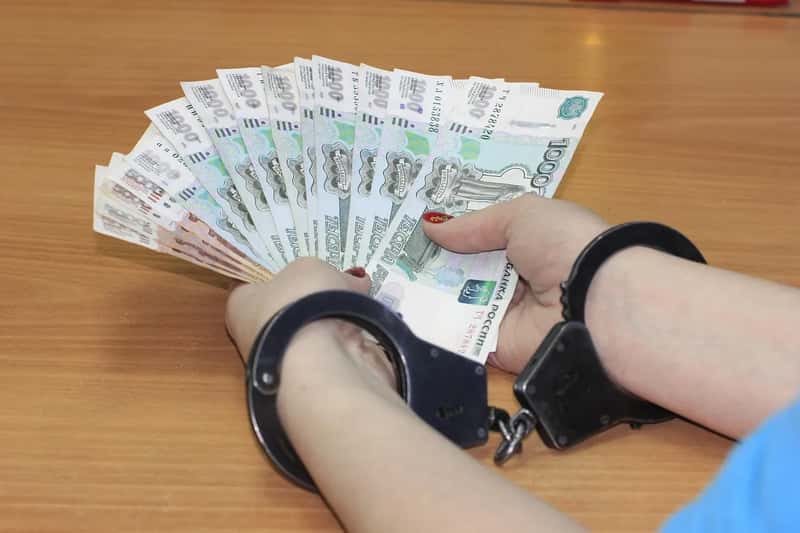
Nigeria’s corruption ranking has been sliding rather than improving. In the most recent assessment, Nigeria ranked 142nd out of 182 countries, scoring 26 out of 100, down two places from its previous position. That score puts the country well below the global average of 43, and it places Nigeria behind dozens of other African nations on the same measure.
What that means for a visitor is mostly a matter of dealing with checkpoints, permits, and the occasional official who expects something extra for doing their job. Lagos and Abuja have functioning tourist infrastructure, hotels, and organized tours, and most travelers who stick to well trodden routes and reputable guides get through without serious incident. The bigger risk in Nigeria tends to be regional security concerns in the north and northeast rather than corruption itself, so route planning matters more than usual here.
Iraq
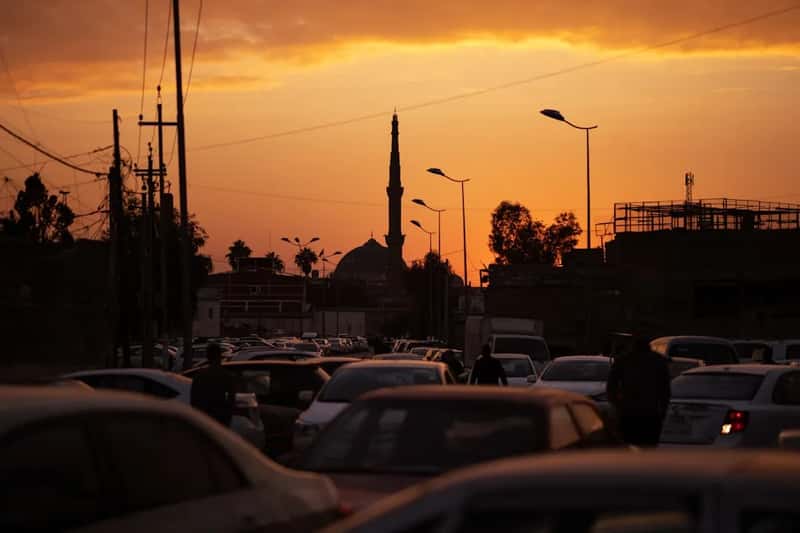
Iraq’s corruption score has remained stubbornly low for years, currently sitting at 28 points, a level that places it among the more troubled entries on the global index. Iraq is among the countries flagged as particularly dangerous for journalists reporting on corruption, which gives a sense of how entrenched the problem is at an institutional level. For an ordinary visitor, though, that story plays out very differently than it does for someone digging into government contracts.
Tourism to Iraq, particularly the Kurdistan region in the north, has grown steadily as organized tour groups have opened up access to historic sites and cities like Erbil. Corruption there tends to surface as slow bureaucracy, occasional requests for informal payments at checkpoints, or inconsistent enforcement of rules depending on who you’re dealing with. Traveling with a licensed guide and sticking to established routes remains the standard advice, and it works.
Russia
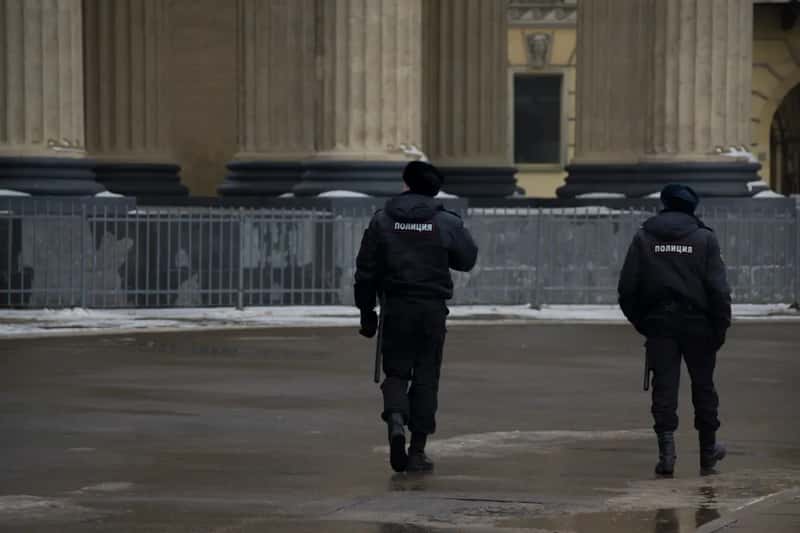
Russia’s corruption problem is well documented and, by most measures, deeply structural rather than incidental. Russia is far from a safe place for many, with rampant corruption and government crackdowns on political opponents shaping much of how the system functions. Police corruption also touches everyday interactions, and police in Russia are known for corruption and won’t always be a help if a taxi driver tries to scam you at the end of a ride.
Even so, day to day life in the major cities looks calmer than the geopolitical headlines might suggest. Reporting from 2026 notes that millions of tourists from Asia, the Middle East, and Latin America visit Russia each year without incident, and daily life in major cities continues normally. Western sanctions have made banking and payments genuinely difficult, since Western payment cards still do not work in Russia, so cash and local payment apps are essential rather than optional for visitors.
Bangladesh
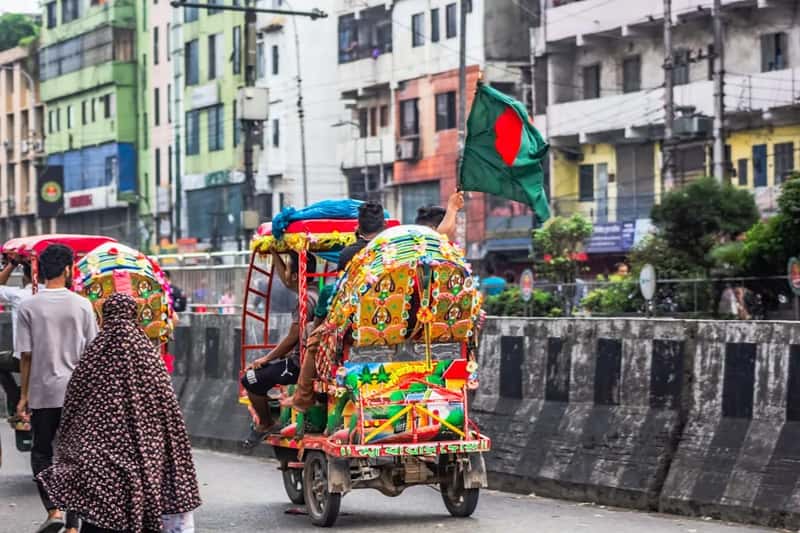
Bangladesh’s corruption ranking has been drifting in the wrong direction for several years running. The country slipped two positions in the 2024 Corruption Perceptions Index, ranking 151st out of 180 countries and recording its lowest score in 13 years at 23 out of 100. That places it near the bottom of the South Asia region, ahead of only Afghanistan on the same measure.
For travelers, this corruption tends to manifest as inconsistent customs procedures, occasional demands for small unofficial fees, and a general sense that rules get applied unevenly depending on the situation. Dhaka and Chittagong have decent tourist infrastructure for those exploring temples, riverboats, or the Sundarbans mangrove forest. Most visitors report that patience and a firm but polite refusal to pay unofficial fees resolve the majority of friction points without escalating into anything dangerous.