Tuition bills have a way of sneaking up on families long before graduation day arrives. What starts as a modest deposit can balloon into a six figure commitment once housing, fees, and years of inflation are factored in. Some countries have built entire economic sectors around educating the world’s students, and the price tags reflect that reality in ways that surprise even well prepared applicants.
1. United States
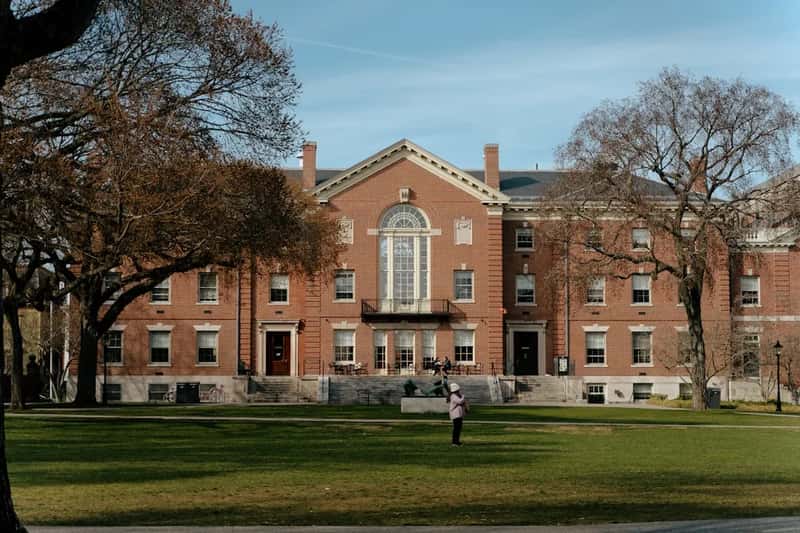
The United States sits at the top of nearly every global cost comparison, and for good reason. Harvard College lists 2025 to 2026 tuition, fees, housing, and food at 86,926 dollars.[1] That figure covers a single elite private school, but it illustrates just how steep the ceiling can climb for students who attend the most selective institutions in the country.
Public universities offer some relief, though not much for those coming from outside the country. US private universities charge 40,000 to 65,000 dollars per year in tuition, while public universities run 25,000 to 45,000 dollars per year for international students.[2] Add four years together and a four year bachelor’s degree totals 100,000 to 260,000 dollars in tuition alone, with living costs pushing the full spend to somewhere between 160,000 and 360,000 dollars.[2]
2. United Kingdom
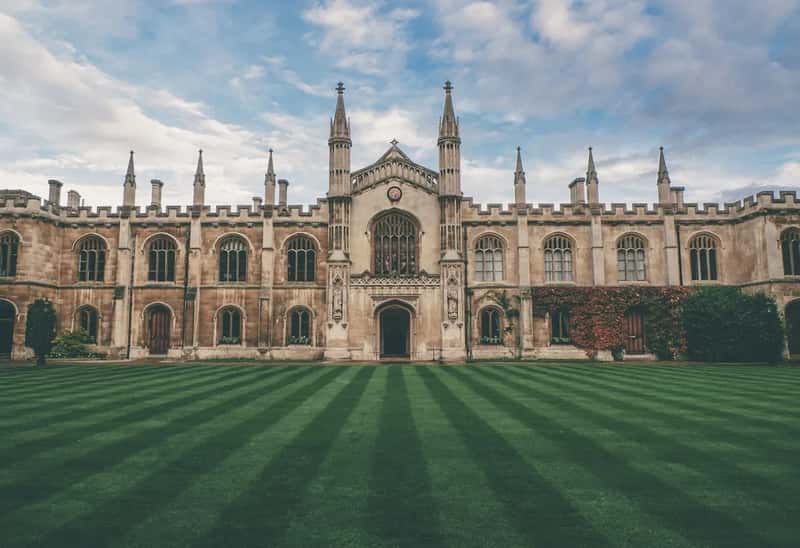
Britain has long positioned itself as a premium destination for higher education, and the pricing matches that ambition. The UK, particularly England, has one of the most expensive higher education systems for international students, with costs ranging anywhere between 10,000 and 38,000 pounds or more per annum depending on the university and subject.[3] London institutions tend to sit at the upper end of that range.
The advantage for UK bound students is time rather than tuition. UK bachelor’s degrees take three years, saving one full year of tuition and living costs compared to the USA or Canada, with tuition at Russell Group universities running 22,000 to 38,000 pounds per year.[2] Shorter programs help offset the sticker price somewhat, though the annual cost still lands among the highest in the world.
3. Australia
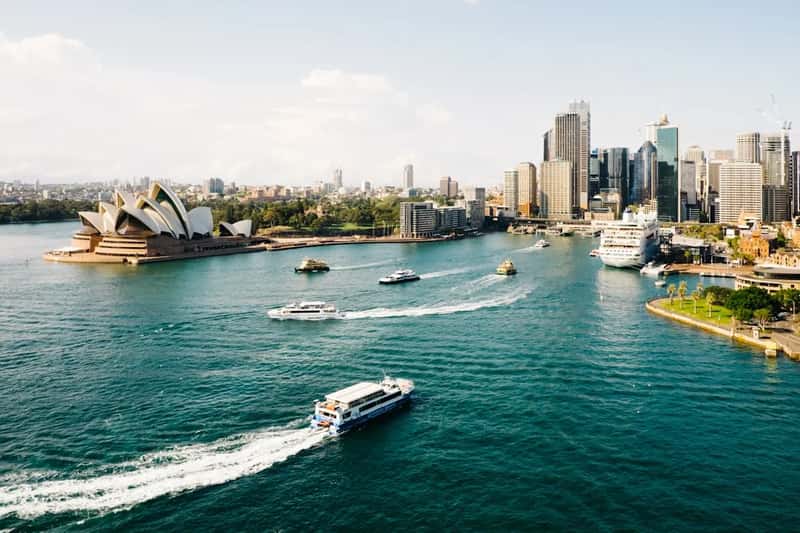
Australia has built one of the largest international education industries on the planet, and it charges accordingly. Australia has been recognized as one of the most expensive countries in the world for international students, with bachelor’s degrees running roughly 20,000 to 50,000 Australian dollars annually.[4] That range covers everything from regional universities to prestigious institutions in Sydney and Melbourne.
Graduate study pushes the numbers even higher in many cases. Postgraduate tuition in Australia ranges from 22,000 to 50,000 Australian dollars per year, with professional degrees like law and medicine at the higher end, and MBA programs typically running 30,000 to 45,000 Australian dollars annually.[5] Living costs in major Australian cities add substantially to that total, since accommodation and everyday expenses there rank among the highest in the region.
4. Singapore
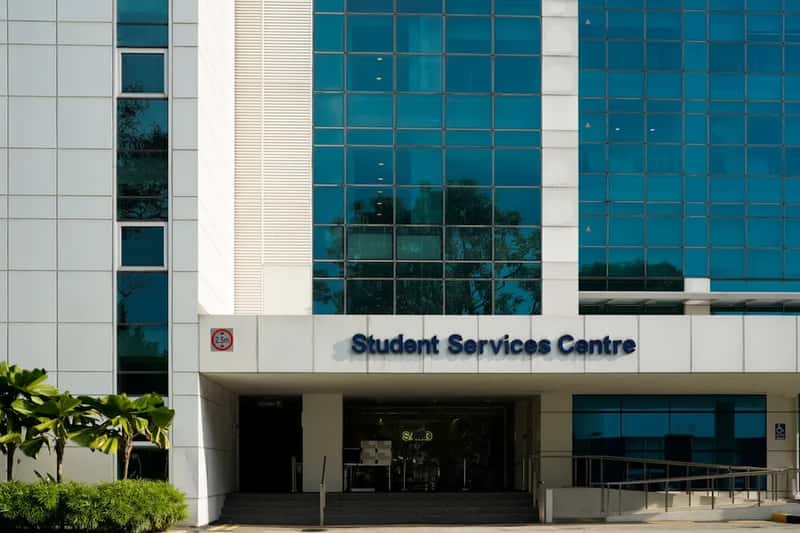
Singapore blends elite academic reputation with genuinely high costs of living, a combination that lands it firmly on this list. The country is home to top ranked institutions, with the National University of Singapore placed eighth in the QS World University Rankings 2025.[4] That prestige comes with a price structure that treats different students very differently.
Fees depend heavily on residency status rather than a single flat rate. Subsidized fees to study at a Singaporean public university cost an estimated 8,000 to 9,000 Singapore dollars per year, but for non subsidized and international students, the cost climbs to 10,000 Singapore dollars or more annually.[4] Once monthly living expenses in one of Asia’s priciest cities are added on top, the total cost of a degree in Singapore rivals many Western destinations.
5. Canada
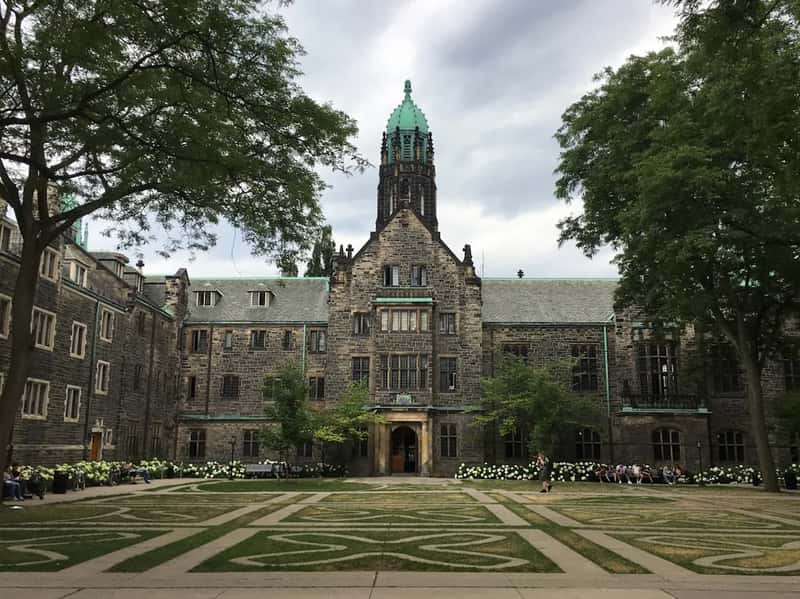
Canada often gets described as the moderate alternative to the United States, and for domestic students that reputation holds up well. For the 2025 to 2026 academic year, the average annual undergraduate tuition fee for full time Canadian students is about 7,734 Canadian dollars, though this varies by province, ranging from around 3,746 dollars in Newfoundland and Labrador up to nearly 9,988 dollars in Nova Scotia.[6] That gap disappears almost entirely once international status enters the picture.
Foreign students face an entirely different fee schedule. International undergraduate students pay significantly higher rates, averaging around 41,746 Canadian dollars per year in 2025 to 2026.[6] Combined with the cost of Canadian housing in cities like Toronto and Vancouver, a full degree can rival costs seen in the US or UK, even if the sticker shock arrives more gradually.
6. Switzerland
Switzerland presents an unusual case among the countries on this list, since its university tuition itself is remarkably modest by international standards. Average tuition fees for bachelor’s and master’s programs cost between 400 and 3,700 euros annually at Swiss public universities, while PhD degrees cost between 100 and 900 euros per year.[4] On paper, that makes Switzerland look like one of the cheapest options in Europe.
The real expense shows up outside the lecture hall. Living costs in Switzerland are high, making it one of the most expensive countries for international students, with a recommended monthly budget of around 1,300 to 1,700 euros to cover housing, food, transportation, supplies, and leisure activities.[4] Multiply that across a three or four year program, and Switzerland’s overall cost of earning a degree climbs well past what the tuition figures alone would suggest, landing it firmly among the priciest places to study despite its low sticker price for classes themselves.