Every summer, millions of Americans pack their bags convinced that the price tag on a trip somehow guarantees the quality of the memory. Sometimes that’s true. Often, though, the gap between what a place advertises and what it actually charges once you’re standing at the checkout counter is wide enough to make anyone wince.
Some destinations have simply built their entire business model around that gap. Resort fees appear out of nowhere, parking costs more than a decent meal, and a “starting at” price rarely resembles what actually lands on the final bill. Here’s a ranked look at six spots where the math tends to work out worse for the visitor than the brochure suggests.
1. The Las Vegas Strip
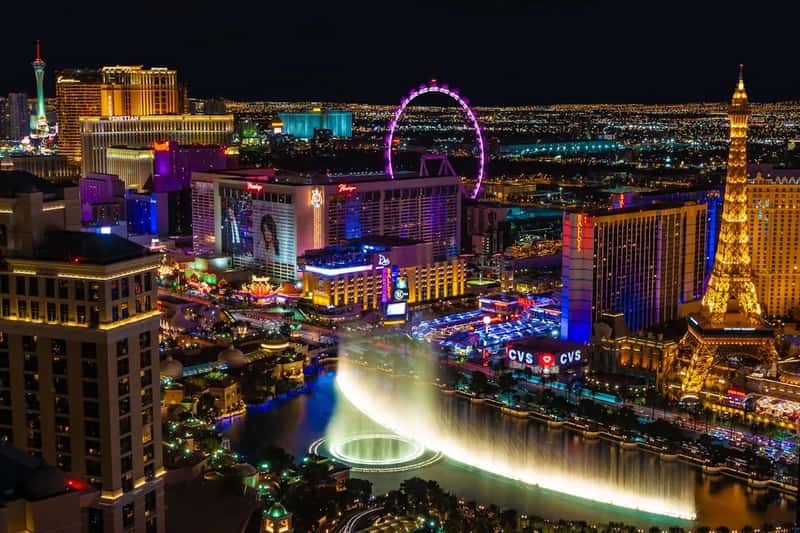
Las Vegas has turned the resort fee into an art form. Las Vegas resort fees have increased dramatically over the past decade, rising from around $25 to $30 per night in 2015 to roughly $52 per night by 2026, with luxury properties charging even more.[1] As of April 2026, every major Strip hotel charges a resort fee ranging from $39.00 to $62.36 per night, with the Four Seasons Las Vegas standing out as the only notable exception.[1]
The fees are just the start. Parking has become another added expense as several major resorts have moved away from free parking, and travelers also face early check-in fees, late check-out charges, and gratuities at restaurants and nightlife venues.[2] By the time a “$149 a night” room shows up on the final invoice, the number can look startlingly different, which is exactly why so many visitors leave the Strip feeling nickel and dimed rather than dazzled.
2. Walt Disney World, Orlando
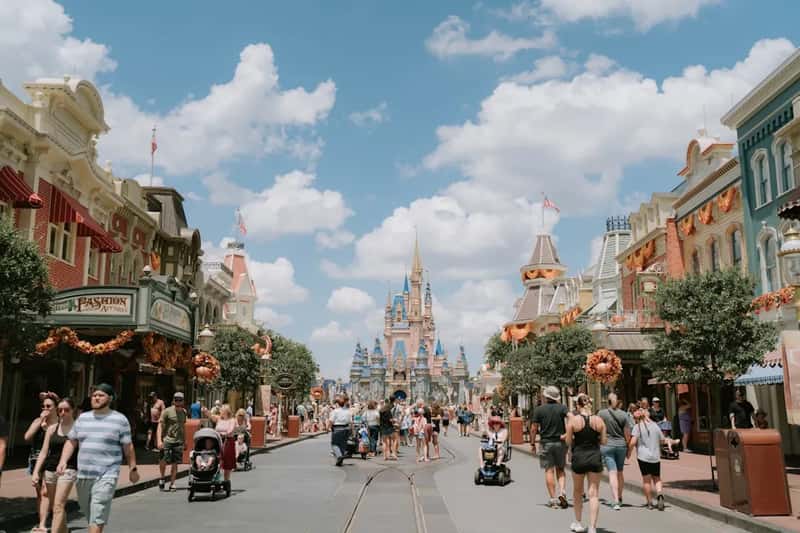
Disney World has never been cheap, but 2026 marked a genuine milestone. Animal Kingdom remains the least expensive park while Magic Kingdom is consistently the priciest, having crossed the $200 threshold for the first time in 2026, with EPCOT and Hollywood Studios sitting in between.[3] The 2026 single-day Magic Kingdom ticket ranges from $129 on a value date up to $209 on an ultra-peak date for guests ages ten and up, making it the only park in the resort to cross that $200 line.[4]
What makes the math sting even more is how much the gap between smart planning and blind booking can cost a family. The difference between a value-date five-day ticket and an ultra-peak-date five-day ticket runs more than $600 per person, and stacking discounts like Florida resident or Disney Vacation Club rates can save another $200 or more per person.[4] Add parking, hotel rates, Lightning Lane upgrades, and the inevitable souvenir purchases, and a week in the parks can rival the cost of an international vacation.
3. Maui, Hawaii
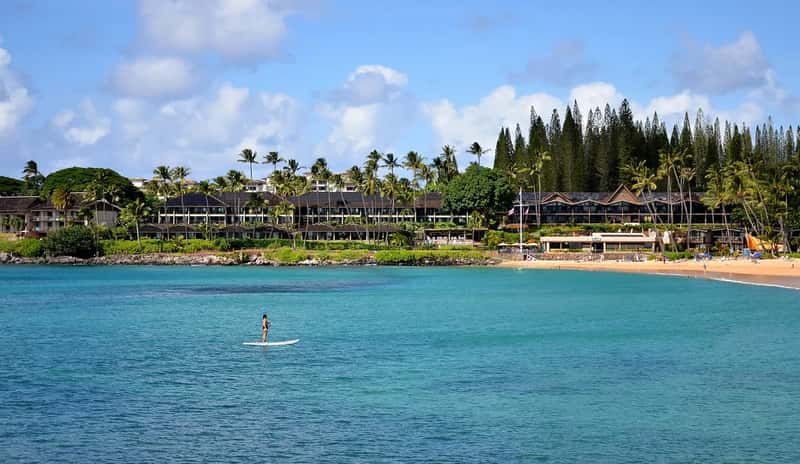
Maui’s prices aren’t really a tourist trap in the traditional sense, they’re closer to a geography problem. Maui earned its reputation as one of America’s most expensive vacation destinations through a mix of geographic isolation, limited supply, and extraordinary demand, with nearly every item arriving by container ship or cargo plane.[5] That logistics reality trickles into everything from a rental car to a bottle of sunscreen.
Hotel rates only make the picture starker. In May 2026, the average room rate across the West Maui resort area hit $412 per night.[6] Layer on resort fees, and the surprises keep coming, since Hawaii resort fees are also taxed heavily, so a hotel advertising $250 a night can actually cost around $342 once fees and tax are added, a roughly 37 percent jump over the advertised price.[7]
4. Nantucket and Cape Cod, Massachusetts
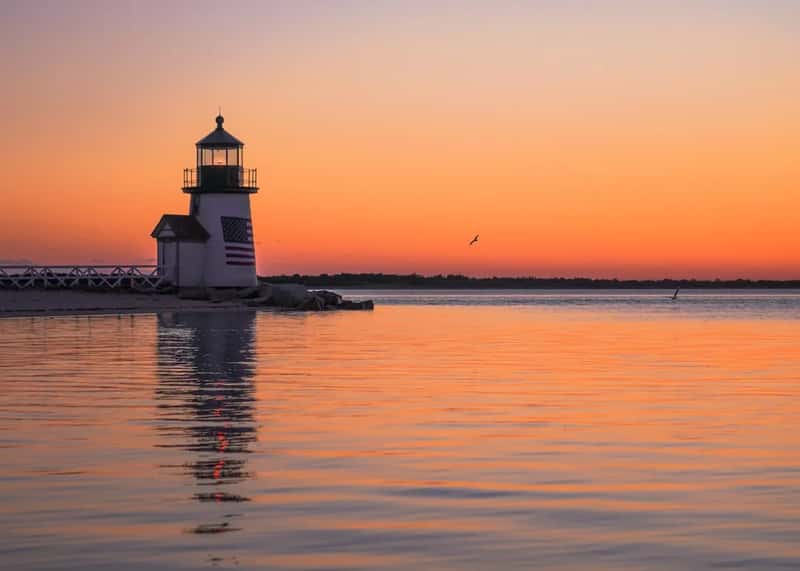
New England’s coastline has a reputation for charm, lighthouses, and eye watering hotel bills. Beyond Boston, Massachusetts is home to sixteen National Park Service sites, and resort destinations such as Cape Cod and Nantucket remain longtime favorites for their lighthouse studded beaches, charming villages, and seafood, though they carry a notoriously pricey reputation.[8] That reputation isn’t exaggerated marketing copy, it’s backed by actual numbers.
Nantucket in particular has earned a rather unusual global title. A 2023 report named Nantucket the world’s most expensive seaside resort, with the cheapest available hotel rooms near the beach averaging $694 per night.[8] A weekend getaway to a quiet island can quietly turn into one of the priciest short trips a traveler takes all year, seafood dinners and ferry tickets included.
5. Hollywood Boulevard, Los Angeles
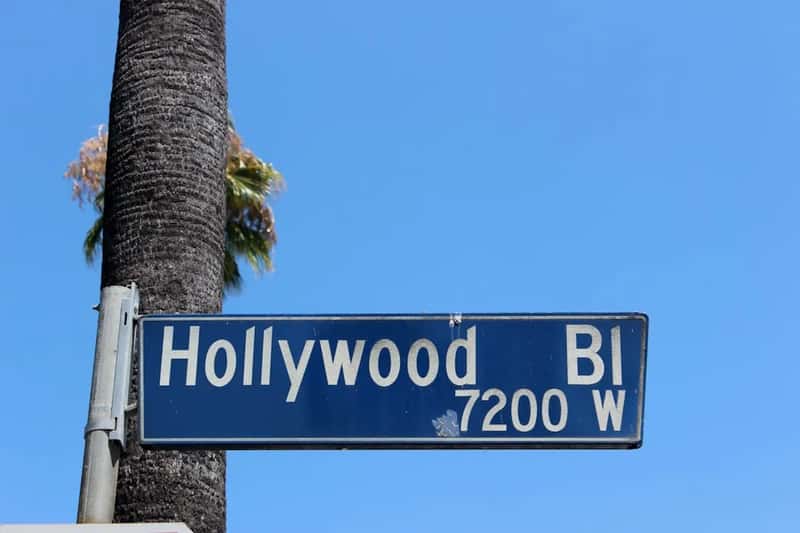
Hollywood Boulevard sells an idea of glamour that rarely survives contact with the actual street. Travelers say the boulevard isn’t glamorous at all, describing it as overpriced, dirty, and unsafe feeling, with TripAdvisor reviews warning others to steer clear of a disappointing spot where shops geared toward tourists drive up prices.[9] Walking the Walk of Fame ends up costing more, in both money and patience, than most visitors expect going in.
Even the practical logistics carry a premium. While entry to the area is free, self-park rates in nearby lots range from $21 for under an hour to $65 for a full day.[9] Most locals and seasoned travel writers suggest steering the budget elsewhere, since money is generally better spent in the Arts District, Griffith Park, or Westwood Village.[9]
6. Fisherman’s Wharf, San Francisco
Fisherman’s Wharf trades on nostalgia, and it charges accordingly. Expectations of the waterfront rarely match reality once the bill arrives, with warnings about potential scammers, expensive food, and locals saying the area isn’t what it used to be.[9] The sourdough bread bowls and clam chowder photograph beautifully, but the price per bowl often surprises first time visitors.
The good news is that better, cheaper food sits just a short walk away. For a more authentic San Francisco food experience, travel guides recommend venturing into surrounding neighborhoods such as the Mission District or North Beach.[9] A short detour off the main tourist strip usually means better meals for less money, and a lot less pressure to buy a souvenir sweatshirt on the way out.