Ask ten well-traveled people to name the most beautiful country in the world and you’ll get ten different answers. Beauty is personal, and a snowy fjord can leave one person cold while a whitewashed island village moves another.
Still, some countries keep turning up near the top of reader polls, travel magazines and survey-based studies. This ranking leans on those 2025 and 2026 lists, plus the facts that explain why these places earn their reputations.
1. New Zealand: Many Landscapes in One Small Country
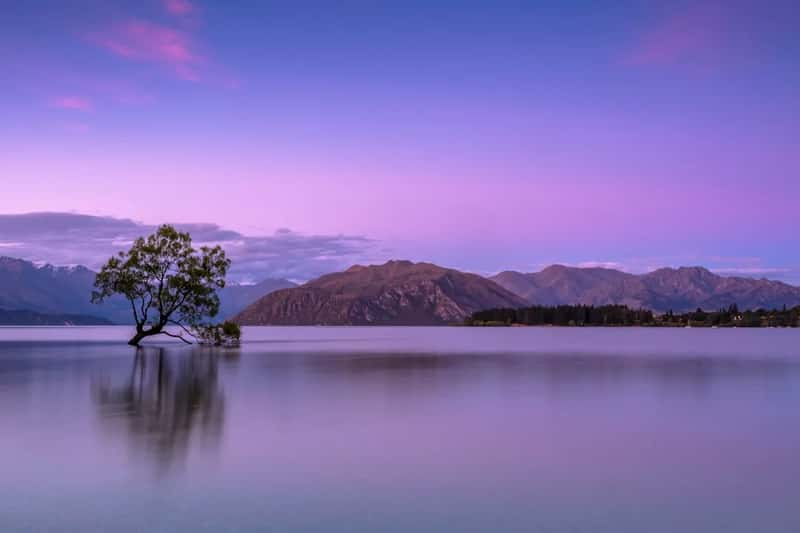
Rough Guides’ recent reader poll named New Zealand the most beautiful country in the world for 2026.[1] It also placed second in the World Population Review’s 2026 ranking, which was compiled from several international travel publications. That list put Greece first, ahead of New Zealand and Italy.[2]
The scenery is hard to match for variety. The South Island alone moves from beaches and rainforest to glaciers, alpine lakes and fjords, while the North Island adds volcanic and geothermal scenery.[3] People are noticing: overseas visitor arrivals reached 3.51 million in the December 2025 year, up 6 percent on the year before.[4] That was still about 90 percent of the level seen in 2019[4], so the country isn’t yet back to its pre-pandemic crowds.
2. Greece: Islands, Cliffs and Ancient Stone
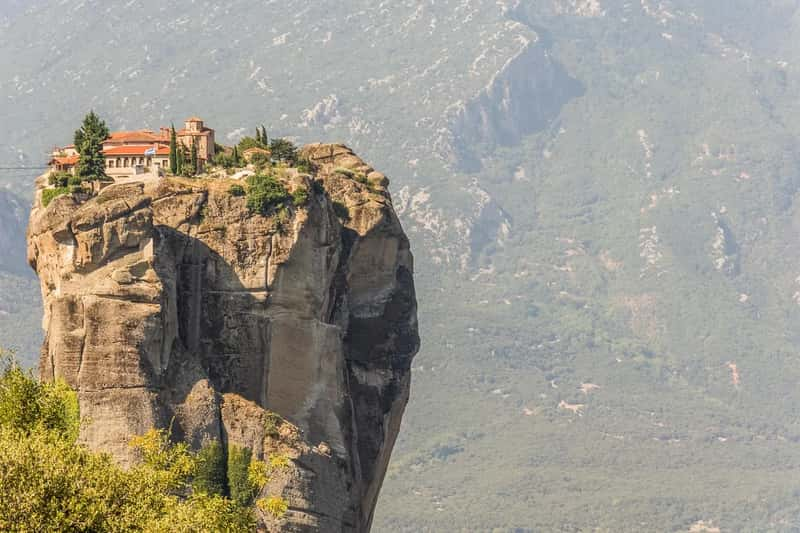
Greece was named the world’s most beautiful country for 2026 in a World Population Review report.[2] It placed first in the 2025 US News “Most Scenic Countries” list and third in Condé Nast Traveler’s most beautiful countries list.[2] Those are different methods pointing the same way.
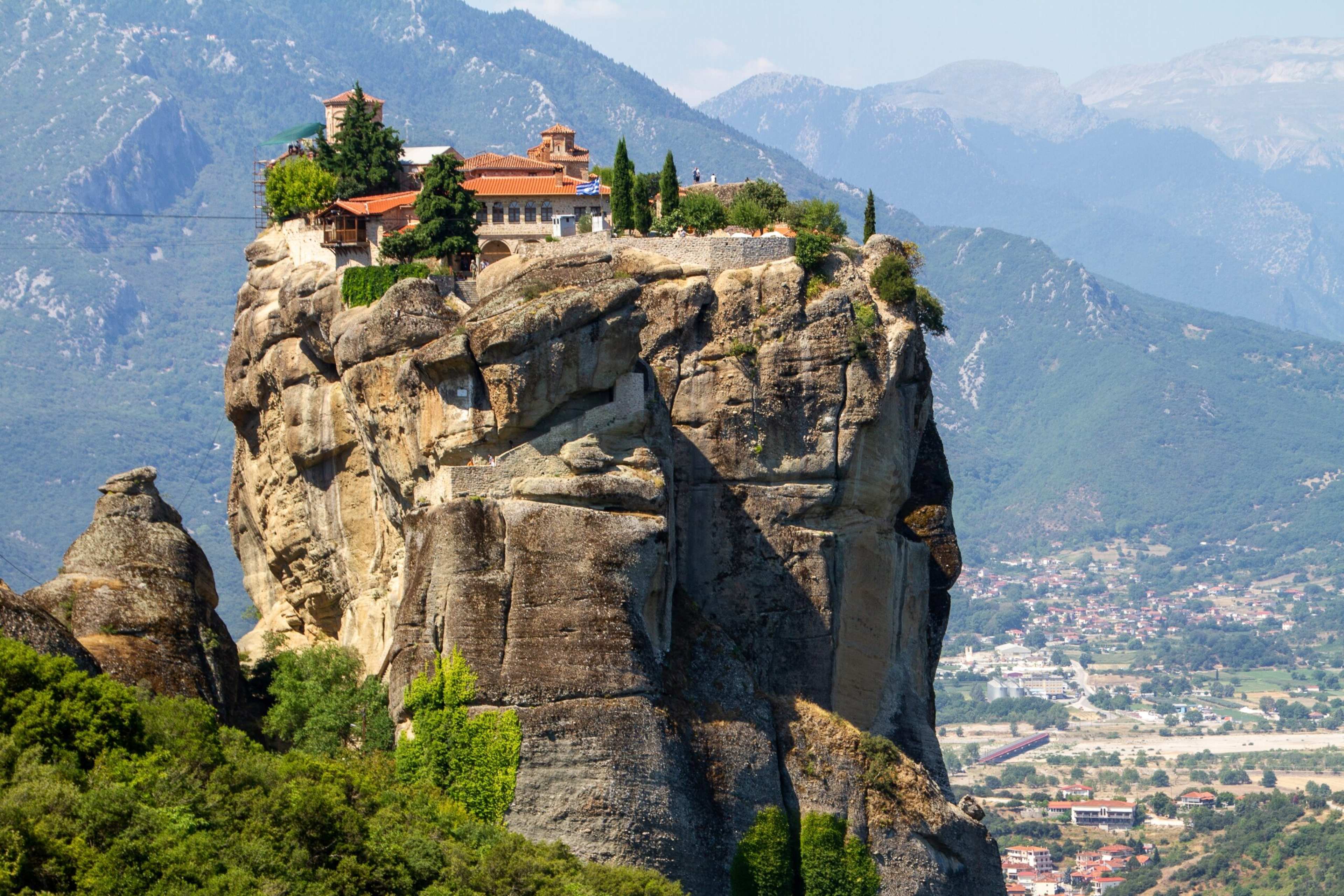
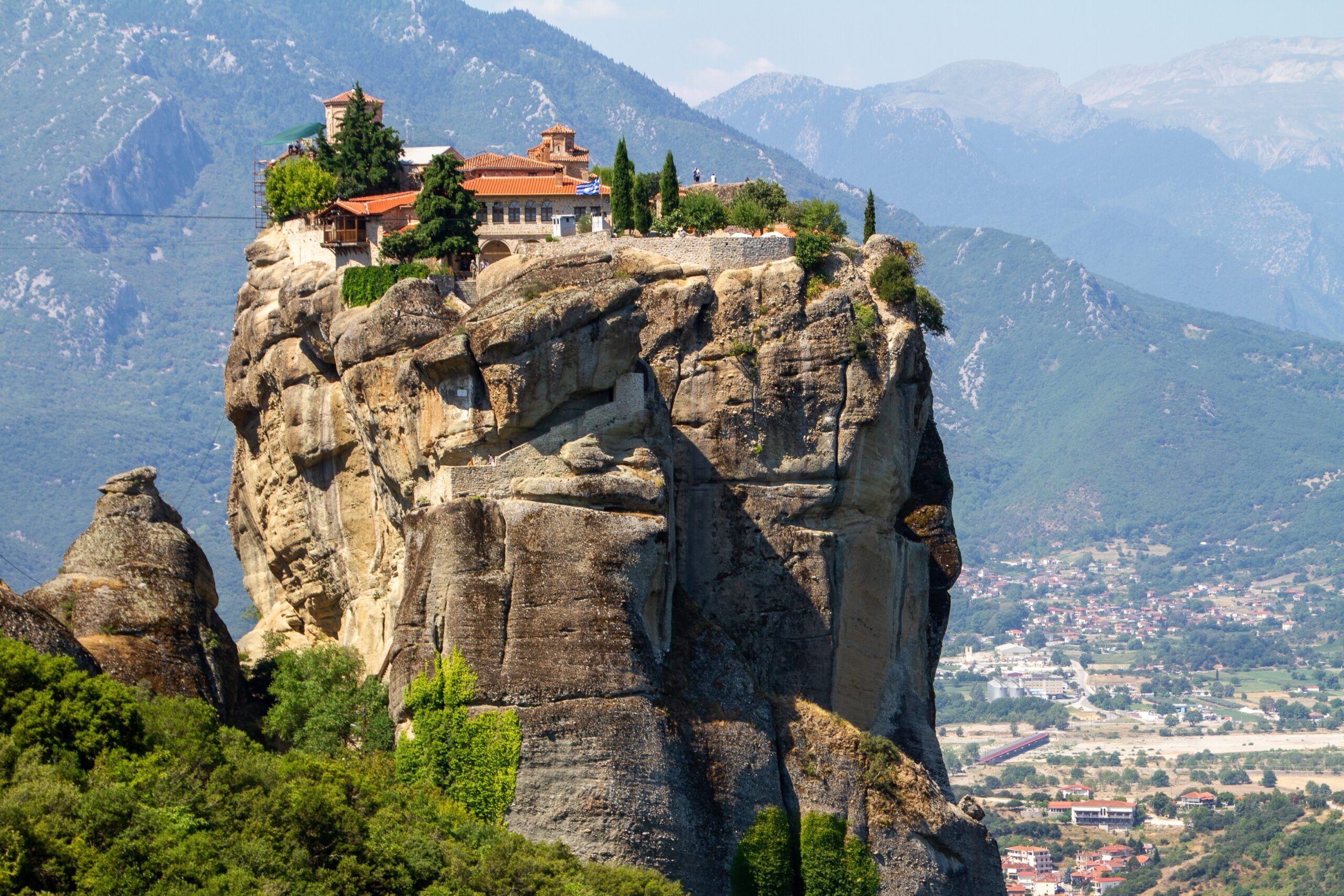
The appeal comes from combining several kinds of beauty. Its landscape mixes thousands of islands, rugged mountains, clear Mediterranean waters, whitewashed villages and some of the world’s most recognisable ancient monuments.[5] Inland, the monasteries of Meteora are known for their dramatic clifftop setting.[2] Few places put sea, rock and history so close together.
3. Italy: Where Scenery and Culture Overlap
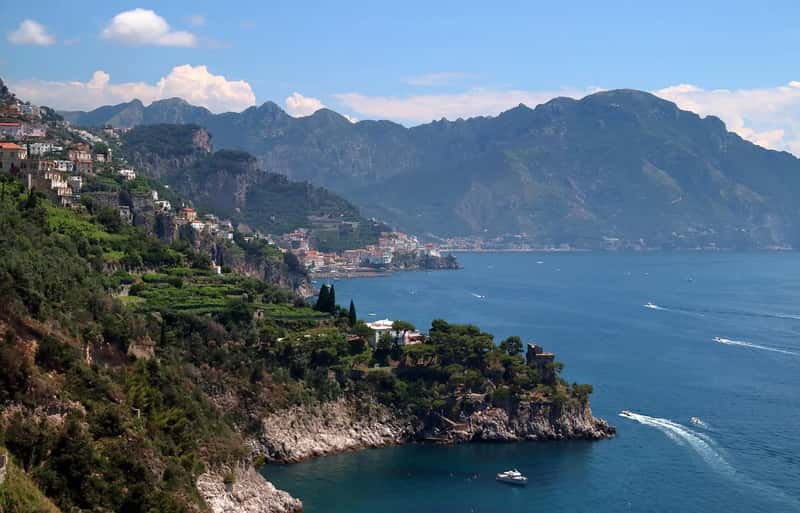
Italy ranks third in the World Population Review’s 2026 list, recognized for its lush natural beauty and rich cultural heritage.[2] One scoring index published this year even put it first, with a beauty score of 98, thanks to its mix of historic cities, coastal towns and scenic countryside.[6] Scores like that depend heavily on how a list defines beauty, so treat them as a guide rather than a verdict.
That definition is where Italy shines. One 2026 comparison argues that New Zealand wins on uninterrupted wilderness, while Italy wins when mountains, villages, architecture, vineyards and coastline are weighed together.[3] Italy also holds more UNESCO World Heritage sites than any other country, which says a lot about how much of its landscape has been shaped by people.
4. Switzerland: The Alps at Full Volume
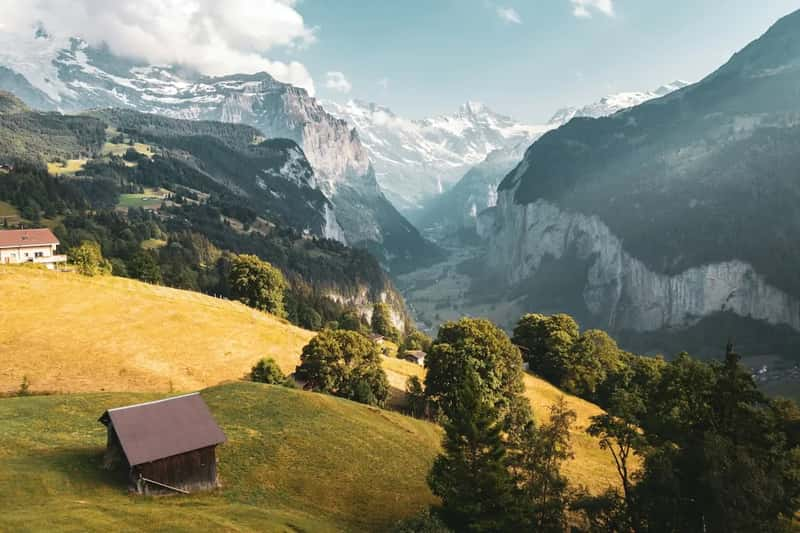
Switzerland made the top group in a US News study that evaluated eighty-nine countries by surveying nearly 17,000 people.[1] The results listed Greece, New Zealand, Italy, Switzerland, Spain and Thailand[1] as the leading six. Switzerland is the only landlocked country in that group, which makes its showing more striking.
The Swiss Alps Jungfrau Aletsch area shows why. It was approved for the UNESCO World Heritage List in 2001, making it the first natural heritage site in the Alpine region.[7] About 85 percent of the area lies above 2,000 metres, and nine of its peaks rise above 4,000 metres.[7] It also holds the largest glaciated area in the Alps.[8]
5. Norway: Mountains That Drop Straight Into the Sea
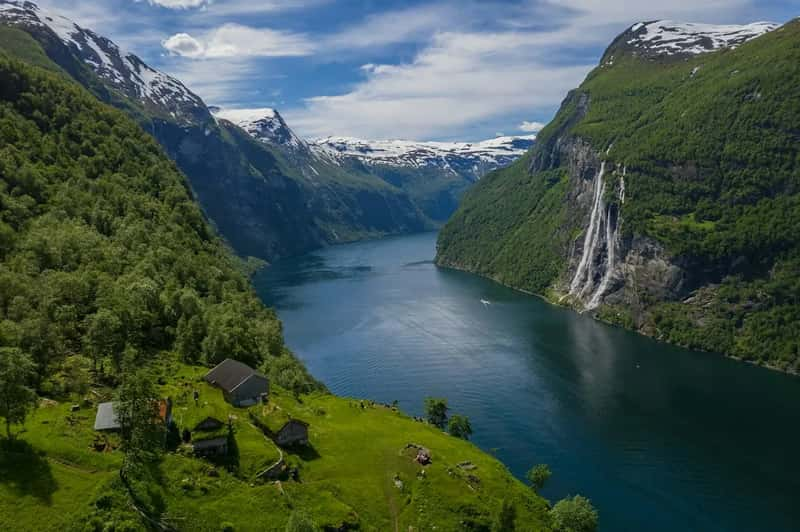
Norway sits in the top ten of the 2026 lists, and one roundup describes it as delivering some of Europe’s most dramatic fjords.[5] Another calls it the best pick if your idea of beautiful scenery is mountains dropping directly into the sea.[3] The West Norwegian Fjords, including Geirangerfjord and Nærøyfjord, have been on the UNESCO World Heritage List since 2005.
Timing matters here. The same 2026 comparison notes that going outside the busiest summer weeks improves the experience noticeably.[3] Shoulder seasons bring quieter viewpoints and softer light, though some mountain roads and ferry routes run on reduced schedules, so it pays to check ahead.
6. Iceland: A Volcanic Island With a Loyal Following
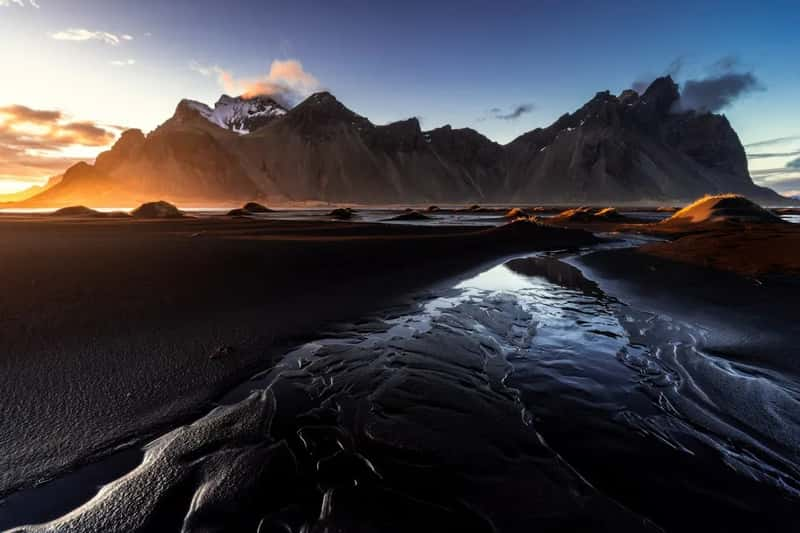
Iceland rounds out the top ten in the 2026 lists, with one roundup saying it brings volcanic beauty.[5] Glaciers, lava fields, black sand beaches and geothermal pools all sit within a country of roughly 390,000 people. That contrast between small population and huge scenery is part of the draw.
The numbers show steady demand. Iceland welcomed just under 2.3 million foreign overnight visitors in 2025, according to the Icelandic Tourist Board.[9] Foreign visitor numbers have stayed around 2.3 million annually for three consecutive years.[10] August is the busiest month for foreign visitors, and has held that title every year since 2022.[9]
How the Ranking Was Built
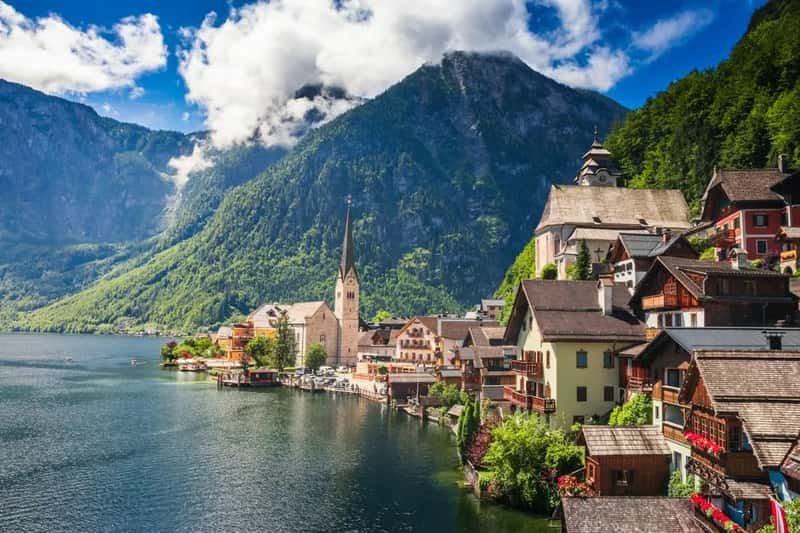
The order above reflects how often and how high each country appears across 2025 and 2026 sources. These include the World Population Review list, compiled from Condé Nast Traveler, Ranker, Rough Guides and Travel + Leisure[2], and the US News study of perceived scenery. Spain and Thailand also appear on several of those lists, though this ranking favors countries whose appeal rests mostly on landscape.
Different surveys produce different orders. One 2026 synthesis, for instance, listed New Zealand, Italy, Switzerland, Canada, Norway, Japan, Iceland, Australia, Greece and South Africa.[11] Beauty rankings rest on perception, so no single list settles the question.