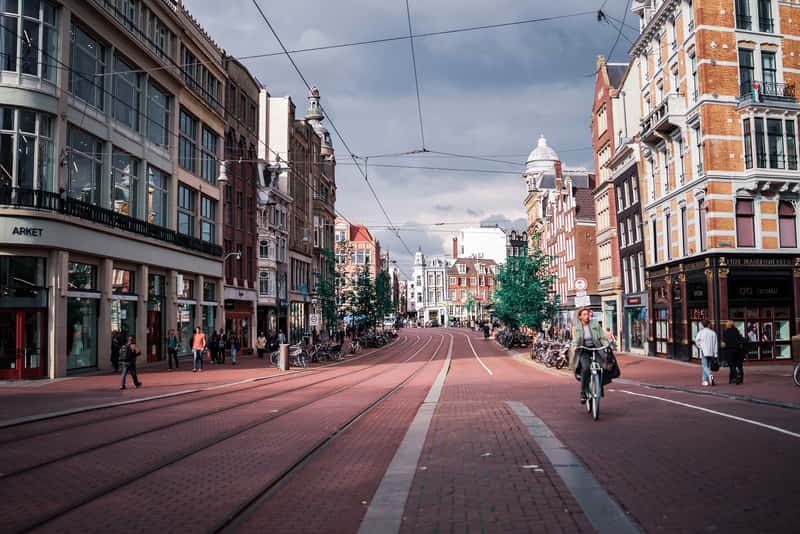
There’s a particular kind of relief that comes from realizing you no longer need a car to live well. For a lot of retirees eyeing a move abroad, that realization tends to arrive somewhere in Europe, on a quiet street where the only traffic is a bicycle bell or a tram gliding past. The cities on this list weren’t picked for their postcard views alone. They earned their place because daily life there, the groceries, the doctor’s visit, the evening walk, genuinely works without a set of car keys.
Vienna, Austria
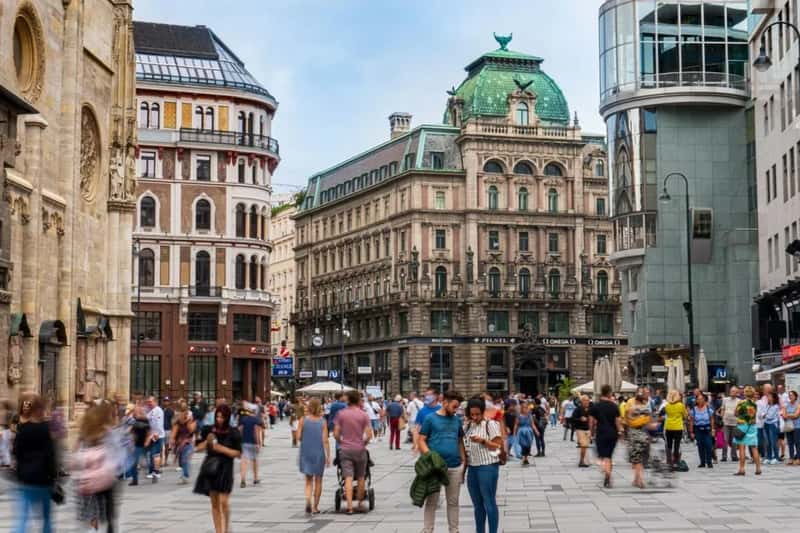
Vienna has spent years quietly reshaping itself around pedestrians rather than vehicles, and the numbers back that up. 75% of trips by Viennese residents are made by public transport, on foot or by bike, while only 25% of trips were by car, according to an official statement from Vienna Town Hall. The city has also been steadily expanding its car-free zones, and Vienna’s pedestrian zones reached about 383,000 square meters in 2023, an over 14% increase in the last 10 years.
For retirees, accessibility matters just as much as charm, and Vienna delivers there too. As of November 2024, 95% of Vienna’s bus and tram stops were fully accessible, making it one of the most accessible cities in Europe. Combine that with an efficient U-Bahn network and neighborhoods like Josefstadt, known for quiet streets and traditional coffee houses, and you get a city where a car genuinely becomes optional rather than assumed.
Copenhagen, Denmark
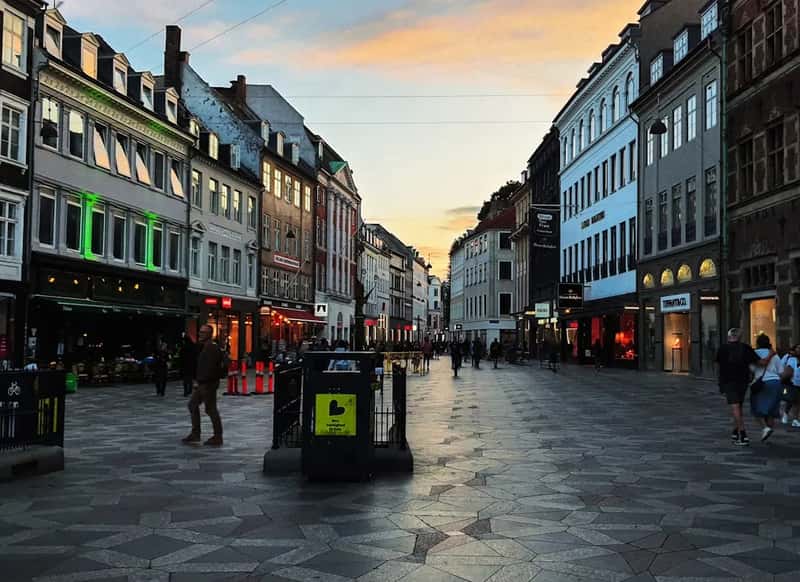
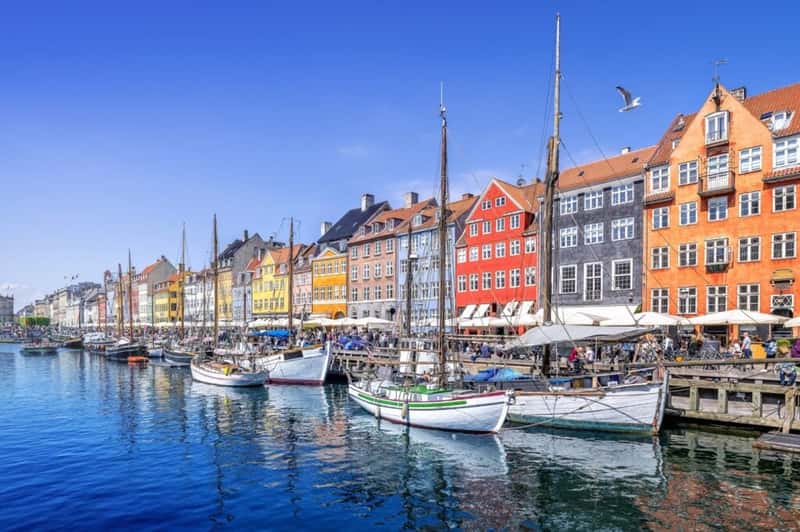
Copenhagen consistently ranks near the top of walkability surveys, and locals seem to agree with the data. Compact, mostly flat and notoriously safe, these are just a handful of characteristics that helped Copenhagen secure a 90 percent approval rating from locals for its walkability. Much of that comes down to infrastructure choices made decades ago and reinforced ever since. The streets here have clearly marked pedestrian zones and elevated pavements, and the Danish capital is home to Europe’s first, and one of the longest, pedestrian-only streets, Strøget.
That street network isn’t just for show. Strøget encompasses a chain of streets connecting central squares like Nytorv, Gammeltorv and Amagertorv, functioning as one sprawling, car-free network where you can browse shops, check out attractions, and watch street performers. Copenhagen was also recognized as the world’s most liveable city in 2025, a title that reflects how well its transit and pedestrian systems serve residents day to day, including older ones who value flat terrain and short distances between errands.
Porto, Portugal
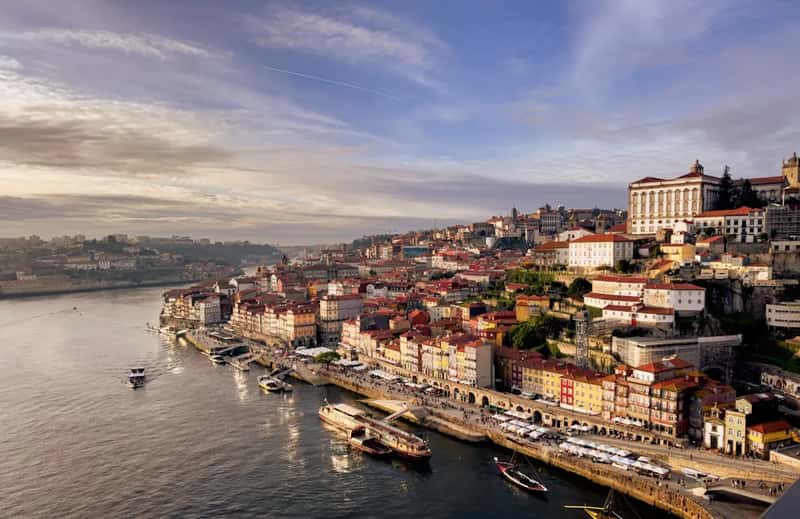
Porto often gets overshadowed by Lisbon, but for retirees on a tighter budget, that’s part of the appeal. Porto offers a more authentic and affordable alternative to the capital, and as Portugal’s second city, a single person can live comfortably on around 900 to 1,200 US dollars per month. The city’s layout rewards walking, even if the hills demand a bit of stamina. Its dramatic, walkable cityscape, defined by steep hills and the Douro River, provides a backdrop for a sustainable, car-free lifestyle.
What makes Porto workable long term is how it handles the terrain rather than ignores it. The city itself is highly walkable, though its steep hills can be a challenge, and the funicular and historic tram lines offer a low-impact way to navigate the inclines. Add in strong rail links to Lisbon and northern Spain, and Porto becomes a base where you can skip car ownership entirely and still get around the wider region with ease.
Bruges, Belgium
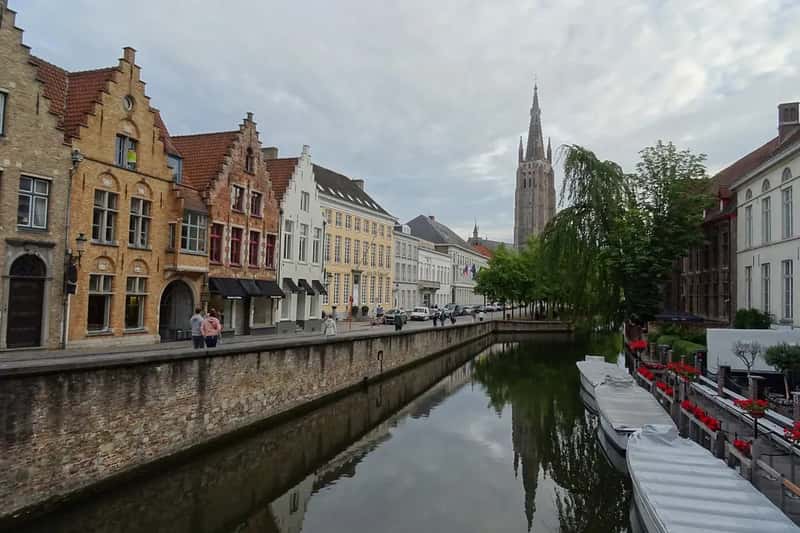
Bruges trades hills and hustle for something calmer, and that’s exactly why it suits retirees who want to walk without straining. Bruges joined Amsterdam, Copenhagen, and Barcelona on the 2026 step-free European cities list, with a historic center that is largely flat with manageable cobblestones. At a modest size, it’s a city you can actually finish exploring rather than one that overwhelms. At 35 square miles, it’s compact enough to experience fully in two to three days without excessive walking.
Bruges also offers a rest option that most walkable cities lack. Canal boats provide an accessible, seated sightseeing alternative, which matters on days when legs need a break but curiosity doesn’t. Between the medieval architecture and the canal network threading through it, Bruges feels less like a tourist stop and more like a place built at a genuinely human pace.
Valletta, Malta
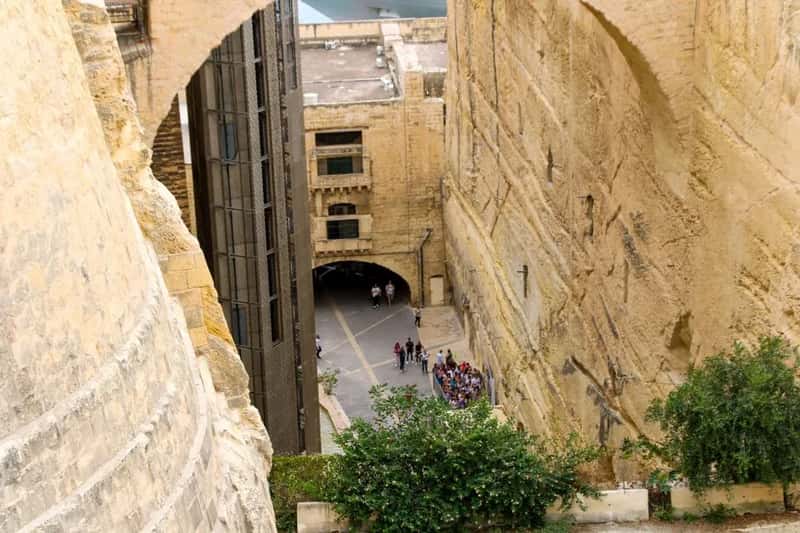
Valletta is tiny by capital city standards, and that turns out to be its biggest advantage. At just 0.3 square miles, the walled city is entirely walkable in a day and requires no transit once inside. For someone weighing whether to bother with a car at all, that’s about as clear an answer as a city can give. Every major attraction is within comfortable walking distance across the UNESCO walled city.
Language is often the quiet dealbreaker for retirees considering Europe, and Valletta removes that hurdle. English has been a co-official language since British rule, used in every shop, restaurant, government office, and hospital. There’s also a practical lift connecting different elevations of the city, since the Barrakka Lift connects the upper and lower city step-free, sparing residents from the steepest climbs while still keeping everything within walking reach.
Ljubljana, Slovenia
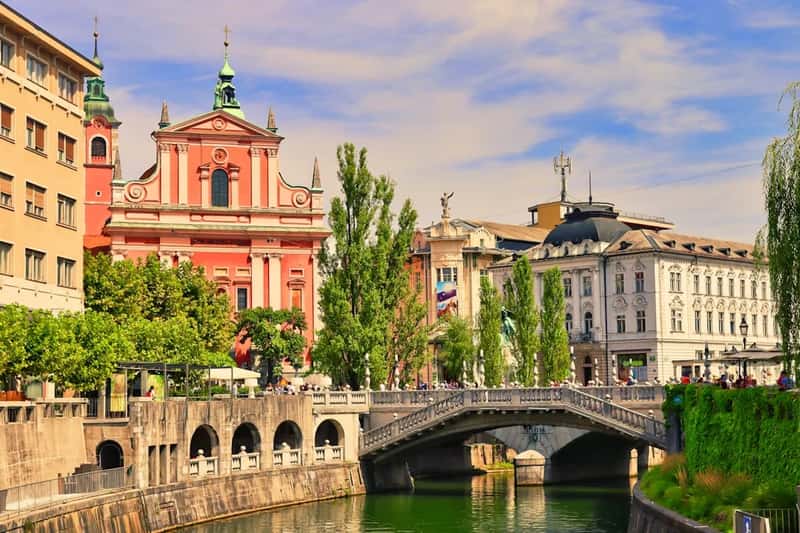
Ljubljana took a more dramatic approach than most European capitals when it came to reclaiming its center. Over a decade ago, the city completely banned cars from its historic core, resulting in a quiet, pristine oasis where the sounds of traffic are replaced by outdoor cafes and street musicians along the river. The scale of the place makes that ban easy to live with rather than restrictive. Ljubljana is incredibly compact.
What stands out here is how little you have to plan around transportation. You can stroll along the willow-lined emerald water, cross the historic Triple Bridge, and head right up to the castle hill without ever having to look over your shoulder for oncoming traffic. For retirees who want a slower rhythm without sacrificing culture or good food, Ljubljana offers a version of city life where the absence of cars barely registers as a sacrifice.
Weighing your options
None of these six cities solve every retirement priority on their own. Vienna and Copenhagen lean toward efficient, well-funded transit systems, while Bruges and Valletta favor sheer compactness over network complexity. Porto and Ljubljana sit somewhere in between, offering affordability or a slower pace alongside genuine walkability.
The right choice usually comes down to what a retiree values most day to day, whether that’s flat terrain, low cost of living, English-language ease, or simply a city small enough that walking never feels like a chore. Visiting before committing remains the most reliable way to know which of these places actually fits, since walkability on paper and walkability in daily life for a compact core with a full transit backup can carry a retirement further than any single ranking suggests.