A passport is just a booklet with a photo and a few stamps, until you try to cross a border with the wrong one. The gap between the strongest and weakest travel documents has never been wider, and the latest Henley Passport Index update, released in its 20th-anniversary edition this year, shows just how much movement there’s been at the top.
Some countries have spent decades quietly negotiating visa waivers, one bilateral deal at a time, while others have leapt up the rankings in a matter of years. Here’s a look at the six passports currently giving their holders the freest run of the planet, and why each one earned its spot.
Singapore
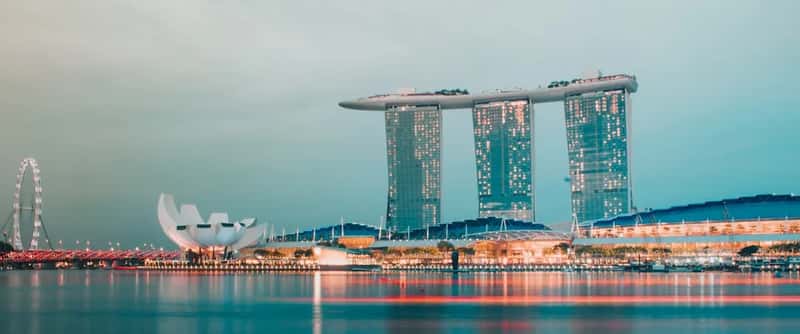
Singapore holds the top spot on the Henley Passport Index for a second consecutive year, and it isn’t close. Singapore is once again at the top of the index, with visa-free access to 192 of the 227 countries and territories tracked by the company. That single number puts it well ahead of every other nation on the list, including several that were tied with it just a few years back.
Singapore clung onto the number one spot for the second year in a row, a run that reflects the country’s dense web of trade relationships and diplomatic ties built over decades. It’s a small city-state, but its passport carries outsized weight, a reminder that land size has nothing to do with travel freedom. For Singaporean citizens, most of the world genuinely is just a flight away, no advance paperwork required.
Japan
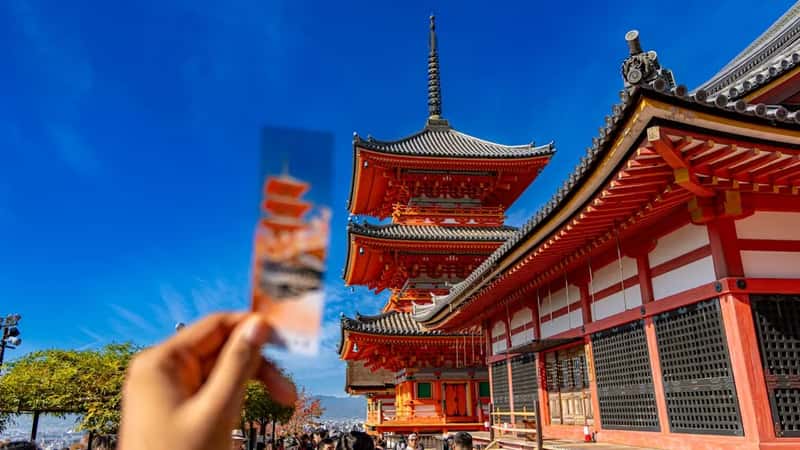
Japan has spent years trading the top spot with Singapore, and even now that it’s slipped to second, the gap is razor thin. The top three passports, says the latest report by the Henley Passport Index, are Asian countries: Singapore at No. 1 and Japan and South Korea tied at No. 2. Japan and South Korea are just behind with visa-free access to 188 destinations.
That kind of access didn’t happen overnight. Japan built its reputation through steady, low-drama diplomacy and a passport that border agents rarely question. It also happens to sit among the countries that combine high mobility with high domestic stability, which isn’t a coincidence Henley’s researchers have pointed to before.
South Korea

South Korea shares that second-place tie with Japan, and its climb up the index over the past twenty years has been almost as steady as Singapore’s dominance at the top. Seoul’s passport holders can travel to 188 destinations without arranging a visa in advance, putting the country firmly in the same tier as some of the world’s oldest diplomatic powers.
What’s notable about South Korea’s position is how it got there. Unlike some nations that inherited favorable travel terms through colonial-era agreements, South Korea negotiated much of its current access within a single generation. It’s a case study in how fast passport power can shift when a government makes visa diplomacy a consistent priority rather than an afterthought.
United Arab Emirates

No country’s passport story in the past two decades compares to the UAE’s. The United Arab Emirates’ passport power has made a remarkable jump, from 38th in 2016 to number 2 as of July 2026. The UAE is the country with the strongest performance in the 20-year history of the Henley Passport Index, adding 149 visa-free destinations since 2006 and climbing 57 places up the rankings.
That’s not a gradual improvement, it’s a complete transformation. A passport that once required visas for most of the world now opens nearly as many doors as Japan’s or Singapore’s, largely through an aggressive, sustained push on bilateral visa waiver agreements. Few governments have treated passport strength as a deliberate policy goal quite as openly as the UAE has, and the results now show up plainly in the rankings.
Germany and the western European bloc
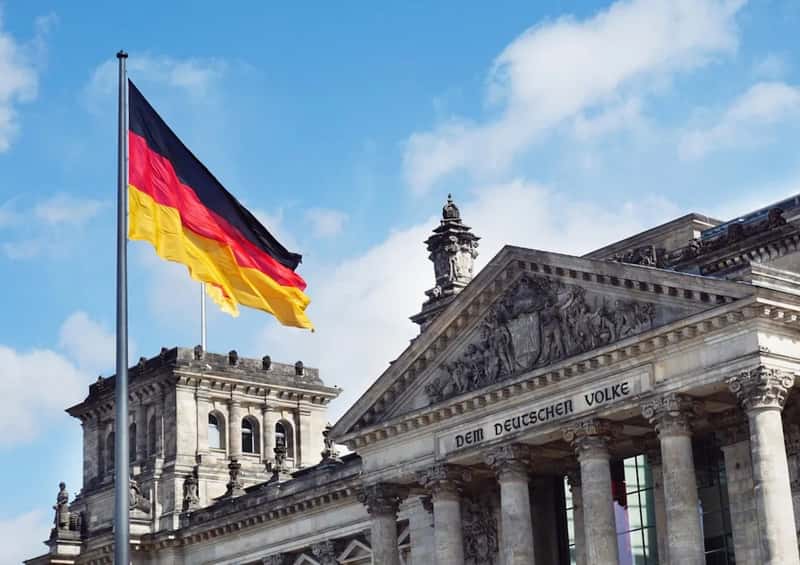
A large cluster of western European countries sits just behind the leaders, close enough that a single visa agreement can shuffle their order from one month to the next. Belgium, Denmark, Finland, France, Germany, Ireland, Italy, Luxembourg, the Netherlands, Norway, and Spain all sit together with access to 186 destinations. Germany is often used as the shorthand for this group, since it’s the largest economy among them and one of the most recognized passports in the world.
This kind of tie is common at the top of the index, since so many European Union countries share near-identical trade and diplomatic relationships built through the bloc itself. It means a French, Dutch, or German passport holder faces almost the same list of visa requirements, which is unusual given how differently sized these economies are. The European Union’s collective diplomatic weight, rather than any single country’s individual deals, is really what keeps this whole group near the very top.
Switzerland

Switzerland rounds out the list, sitting just below the big European cluster with a score that’s still remarkably strong. Switzerland keeps a high score of 185 destinations, though it now appears in fifth place after being part of the fourth-place group earlier this year. That small shift illustrates how competitive the upper tier of the index has become, where a single country adding one new visa waiver can bump a rival down a spot without either side’s actual access changing much at all.
Switzerland’s mobility ties into something broader than travel convenience. Several of the highest-ranking passport countries, including Singapore, Japan, Switzerland, Ireland and New Zealand, also feature among the most peaceful nations on earth. It’s a pattern that shows up again and again in these rankings, stable, low-conflict countries tend to build the kind of long-term diplomatic trust that eventually translates into fewer visa requirements for their citizens.