Few travel experiences feel as quietly Japanese as sinking into a steaming outdoor bath while the air around you is cold. It looks effortless, yet a lot of first timers hover at the changing room door wondering what they’re supposed to do.
The good news is that the customs are fairly consistent from one hot spring to the next. Learn a handful of them and you’ll blend in with the regulars, which is really all anyone wants.
Wash Thoroughly Before You Get In
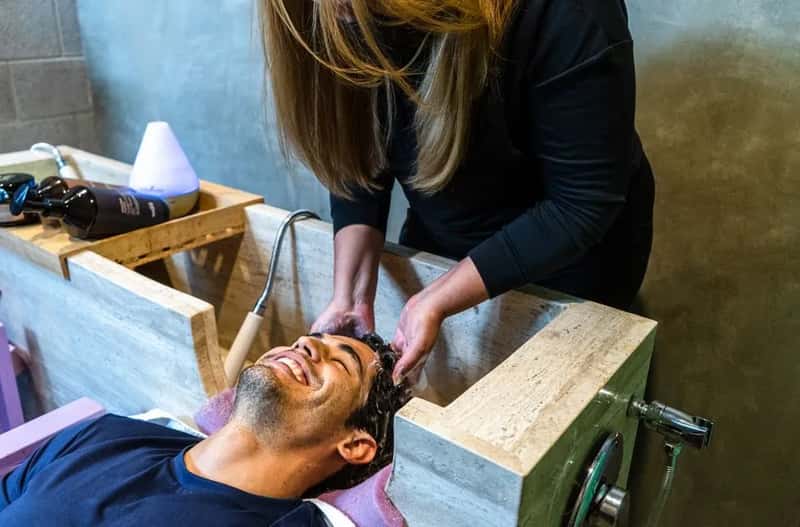
This is the rule that matters most. You must wash your entire body before entering the onsen water, because the bath is for soaking, not for cleaning.[1] Most facilities have a row of washing stations with stools, soap and shampoo already set out.
Sit on a stool, since washing while standing and splashing others is considered rude.[1] Rinse off every trace of soap before you head to the bath.[1] Once you’re finished, rinse your plastic stool and bucket with hot water so the station is clean for the next person.[2] Washing your hair is optional, though it’s appreciated[3].
Bathe Nude and Keep Your Small Towel Out of the Water

There’s no special onsen clothing in the bathing area. You bathe completely nude, and swimsuits aren’t allowed.[4] Most people leave their clothes and the large towel in a locker or basket. Only the small towel comes in with you.[5]
That little cloth has one hard rule attached to it. It must never go into the bath water.[1] You can fold it neatly at the edge of the bath, or do as locals do and place it on your head.[1] Bringing it at all is optional, so don’t stress if you’d rather leave it behind.
Tie Up Long Hair and Keep Movements Calm
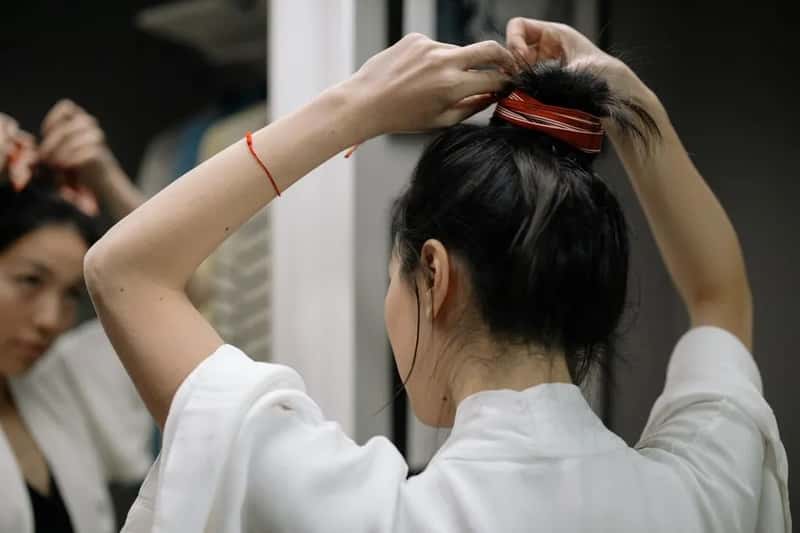
Hair follows the same logic as the towel. If your hair is long, tie it up so it doesn’t touch the water.[4] It’s worth packing your own hair tie, because it’s safer not to assume one will be provided.[6]
An onsen isn’t a swimming pool, and nobody treats it like one. Don’t splash, swim or dive.[3] Most places also expect you not to dunk your head.[6] The floors around the baths get wet, so walk carefully in the bathing area.[7]
Keep Your Voice Down and Your Phone Away
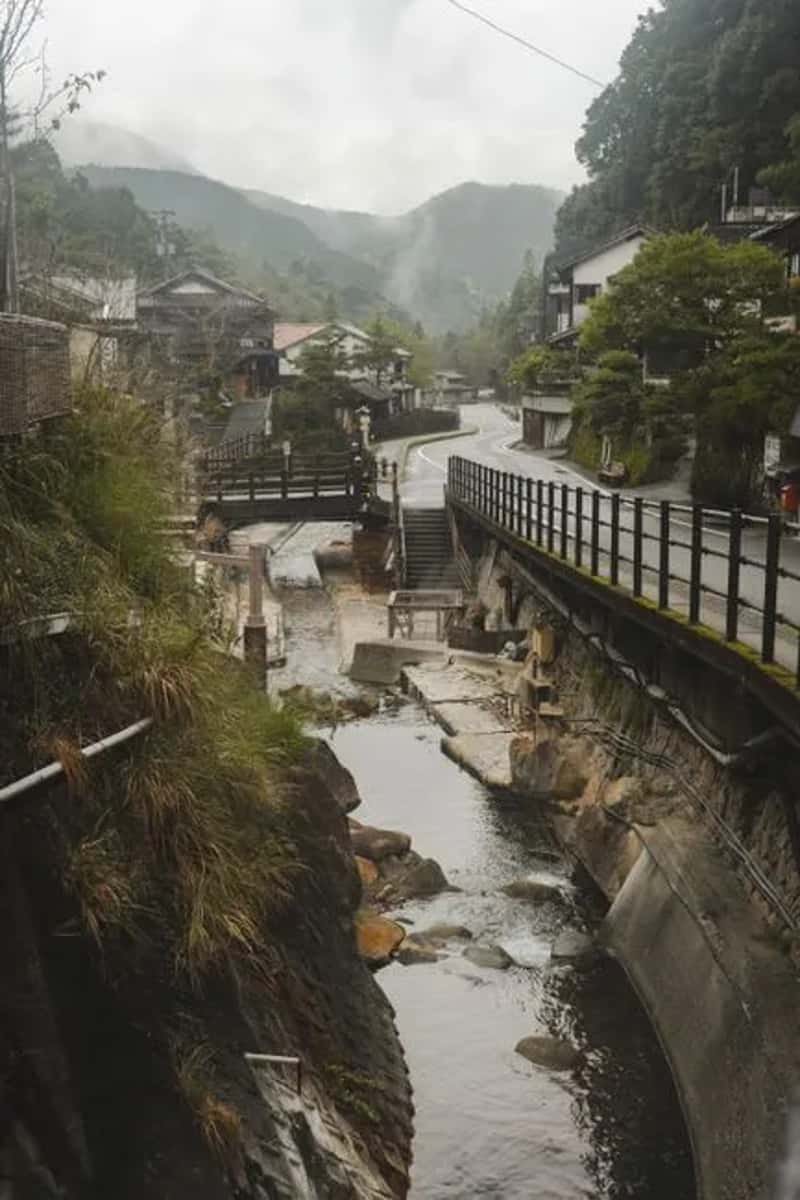
Onsen are quiet spaces, and the atmosphere is part of the appeal. Loud conversation, especially in groups, is one of the most common faux pas.[6] A low murmur with a friend is fine. Belting out a song in the open air bath is not, however tempting it feels.
Cameras and phones are a separate issue. Photos are off limits from the changing room onward, and most facilities don’t want you carrying a phone past reception.[6] That protects the privacy of everyone else in the water, so it’s worth taking seriously.
Check the Tattoo Policy Before You Go
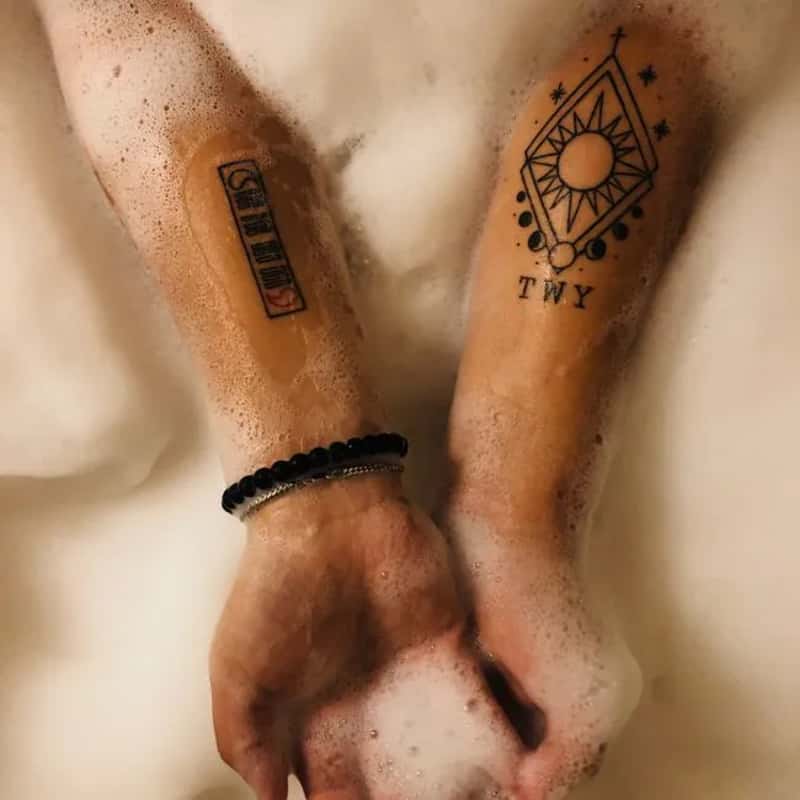
Tattoos are legal in Japan, yet each onsen sets its own entry policy.[6] The restrictions trace back to an old association between tattoos and organised crime.[8] More places are making exceptions, and tourist areas tend to relax the rules, but it’s still wise to check ahead at a traditional bath.[8]
Small tattoos sometimes have a workaround. You can cover one with a plaster or body tape, and some onsens even hand them out.[8] Be careful with assumptions, though, because many onsens apply all or nothing policies regardless of tattoo size.[9] In a private onsen, tattoos are completely acceptable.[4] Many ryokans and hotels offer these baths to their guests.
Ease In, Soak Sensibly, and Dry Off Before Leaving
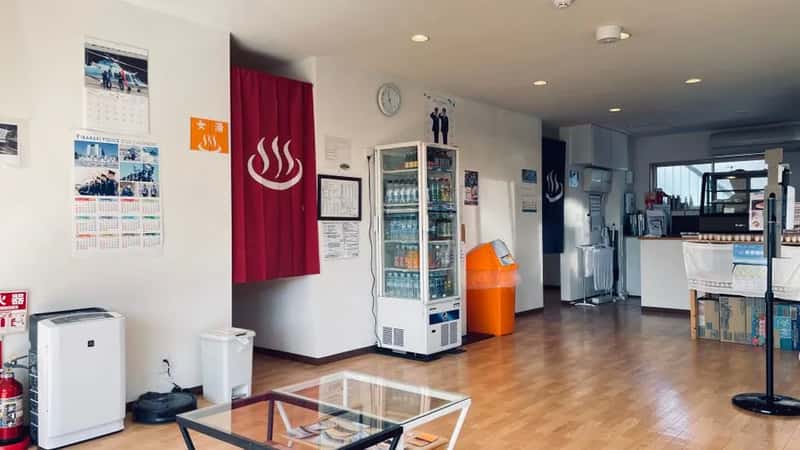
Onsen water can be very hot, often between 40 and 42°C.[1] Step in slowly and quietly, and keep your first soak short. If you feel dizzy or unwell, get out, drink water between dips, and skip the bath after drinking alcohol.[6]
Timing around meals matters too. Leave at least thirty minutes between a big meal and getting in.[9] When you’re done, give yourself a quick wipe down at the edge of the bath, since you only need to avoid dripping across the changing room floor.[9] The larger towel is waiting in your locker for a proper dry off.