Turning fifty doesn’t mean settling for less. For a growing number of Americans, it means finally choosing where to live based on what actually matters: lower bills, better weather, a slower pace, or simply a fresh start that doesn’t drain a retirement account before it’s even begun.
The good news is that affordable relocation doesn’t require sacrificing comfort or community. Some of the most livable, budget-friendly towns in the country are quietly welcoming newcomers who want more space and fewer financial headaches. Here’s a closer look at seven places where a modest budget still stretches surprisingly far.
Midland, Michigan

Midland has quietly become one of the most talked about retirement towns in the country. Forbes calls this a graceful river city of 43,000, 130 miles northwest of Detroit, and it was also the No. 1 Best Place for Retirement 2026 in the latest U.S. News & World Report rankings for its affordability and low taxes. That kind of recognition from two separate outlets in the same year says something about how consistently the numbers hold up.
The housing math is hard to argue with. The median home price sits at $247,000, which is 40% below the national median. Midland also brings an excellent ratio of primary care doctors per capita, an extremely low serious crime rate, good air quality, a favorable retiree tax climate, and relatively low FEMA vulnerability to natural hazards, though anyone considering it should know upfront that the winters here run cold.
Green Valley, Arizona

For anyone drawn to desert light and warm winters, Green Valley offers a different kind of affordability story. It sits in the foothills of the Santa Rita mountains, 20 miles south of Tucson and just 70 miles north of Mexico, close enough to a real city for healthcare and shopping, far enough to feel unhurried. The area is made up of 130 mostly age-restricted developments, so it’s genuinely built around the needs of people starting a new chapter later in life.
Arizona’s tax setup adds to the appeal for anyone watching every dollar. State income tax is a flat 3.8%, with no tax on Social Security or other retirement income, and there’s no state estate or inheritance tax. Combine that with a lower cost of living than most of Southern California or the Pacific Northwest, and it’s easy to see why longtime residents describe a strong pull toward the region’s blend of nature and culture.
Appleton, Wisconsin
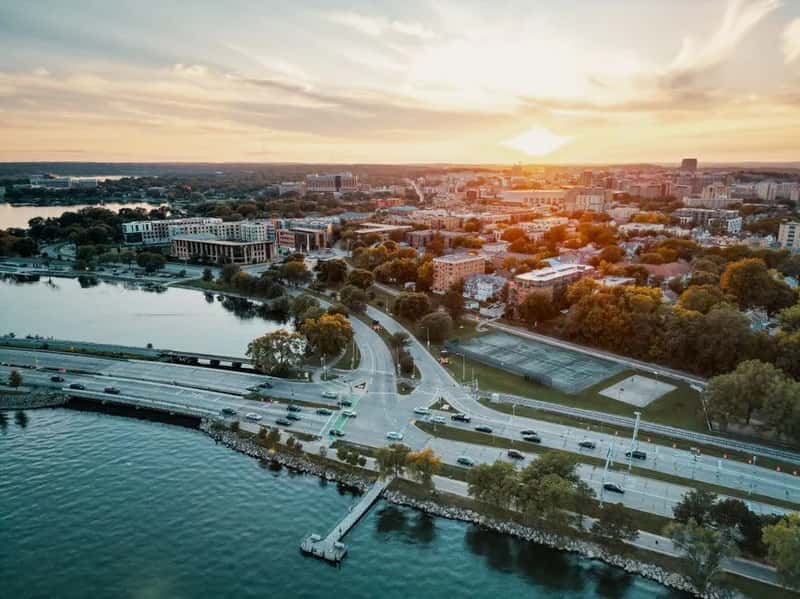
Appleton doesn’t get the same national attention as Sun Belt destinations, but it earned a fresh look in 2026 for good reason. It’s an outdoorsy city and college town, home to Lawrence University, with about 75,000 residents on the Fox River, roughly 100 miles north of Milwaukee. That combination of small city energy and access to a larger metro area makes it appealing for people who don’t want total isolation but also don’t want big city prices.
The numbers back up the appeal. The median home price is $291,000, 29% below the national median, and the overall cost of living runs 12% below the national average. Wisconsin also sweetens the deal with no state income tax on Social Security or government retirement plans, and no state estate or inheritance tax, on top of a genuinely low crime rate.
Columbus, Ohio

Columbus proves that a low cost of living and a lively cultural scene aren’t mutually exclusive. The median home value in Columbus is $248,749, compared with the U.S. average of $368,198, according to Zillow. That’s a meaningful gap, especially for anyone selling a home in a pricier coastal market and looking to bank the difference.
What makes Columbus stand out beyond the price tag is what’s still available once you’re settled in. Comparably low costs don’t equate to a lack of activities, since the city is home to Ohio State University and its academic culture, including big sporting events, concerts, and cultural diversions. There’s also a practical perk built specifically for older residents: Program 60 invites Ohio residents age 60 and older to take university courses for free. That’s the kind of detail that turns a budget-friendly move into an actual lifestyle upgrade.
Pittsburgh, Pennsylvania

Pittsburgh has managed something unusual: staying affordable while remaining a genuine big city with real amenities. Pittsburgh is the most affordable big city in 2026, with a median home price of $250,000, which is more than $150,000 less than the national median. For anyone coming from a coastal metro, that’s not a small saving, it’s the difference between renting forever and actually owning something outright.
The city’s staying power on retirement lists isn’t a fluke either. Pittsburgh, which also has frosty winters, is another long-time favorite, on the list for the ninth year in a row, and the scenic Pennsylvania city of 310,000 is brimming with rivers and colleges including Carnegie Mellon University, University of Pittsburgh, Duquesne University, and Chatham University. That academic density means healthcare, continuing education, and cultural programming are all close at hand, even if the crime rate runs a bit above average in certain neighborhoods.
Decatur, Illinois
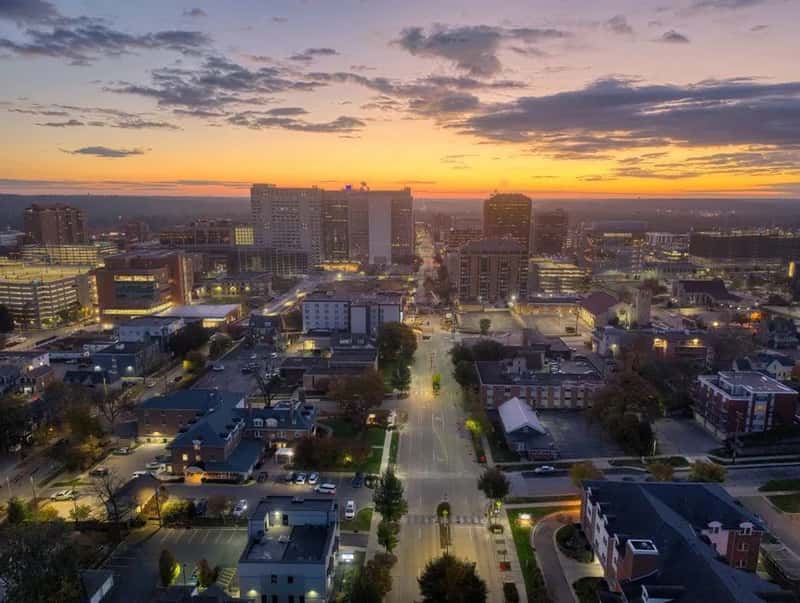
Decatur rarely makes anyone’s bucket list of glamorous destinations, and that’s part of its appeal. It’s a place where the numbers do the talking rather than the scenery. Decatur is the most affordable city in the U.S. News rankings, with a median home value of about $89,855 and a cost of living at 90% of the national average.
That kind of housing price is almost unheard of anywhere else on this list, and it opens the door for people who might otherwise feel priced out of homeownership entirely after fifty. It’s a Midwestern town built around practicality rather than prestige, which for many people starting over is exactly the point. Lower overhead means more breathing room for travel, hobbies, or simply not worrying about the mortgage every month.
Hattiesburg, Mississippi

Hattiesburg combines Southern warmth with some of the friendliest retirement tax policy in the country. Mississippi doesn’t tax Social Security, 401(k), or IRA withdrawals, the cost of living runs 15% below the national average, and low-maintenance new construction starts around $250,000. That tax structure alone can add up to thousands of dollars a year left in someone’s pocket compared to neighboring states.
Healthcare access is another selling point that often gets overlooked in cheaper towns, but not here. Two major hospital systems mean quality healthcare is minutes away, not hours. Add in FestivalSouth, a multi-week celebration of the arts in South Mississippi held every June, and Hattiesburg starts to look less like a fallback option and more like a genuine destination for a slower, more affordable life near the Gulf Coast.
Weighing the trade-offs before you pack

None of these towns are perfect, and that’s worth saying plainly. Cold winters show up on more than one list, crime rates vary block by block, and a lower cost of living sometimes means fewer flight connections or specialty shops nearby.
What ties these seven places together isn’t glamour, it’s balance. Each one offers a genuine combination of affordable housing, reasonable taxes, and enough infrastructure, whether that’s hospitals, universities, or simple everyday convenience, to support a real life rather than just a cheap one. Starting over after fifty is rarely about finding a perfect place. It’s about finding one that fits the life someone actually wants to build next.