Everyone knows the usual suspects when it comes to budget travel or cheap living in Europe. Portugal, Bulgaria, maybe Romania if you dig a little deeper. But there’s a second tier of countries that rarely make those lists, even though they often beat the “affordable” favorites on almost every measure that matters: rent, food, transport, and daily comfort.
These seven countries sit mostly in the Balkans and the eastern edge of the continent, places that get overlooked partly because they’re not in the Eurozone, partly because tourism boards haven’t marketed them as hard. That’s starting to change in 2026, but for now the value is still there for anyone willing to look past the obvious picks.
Moldova
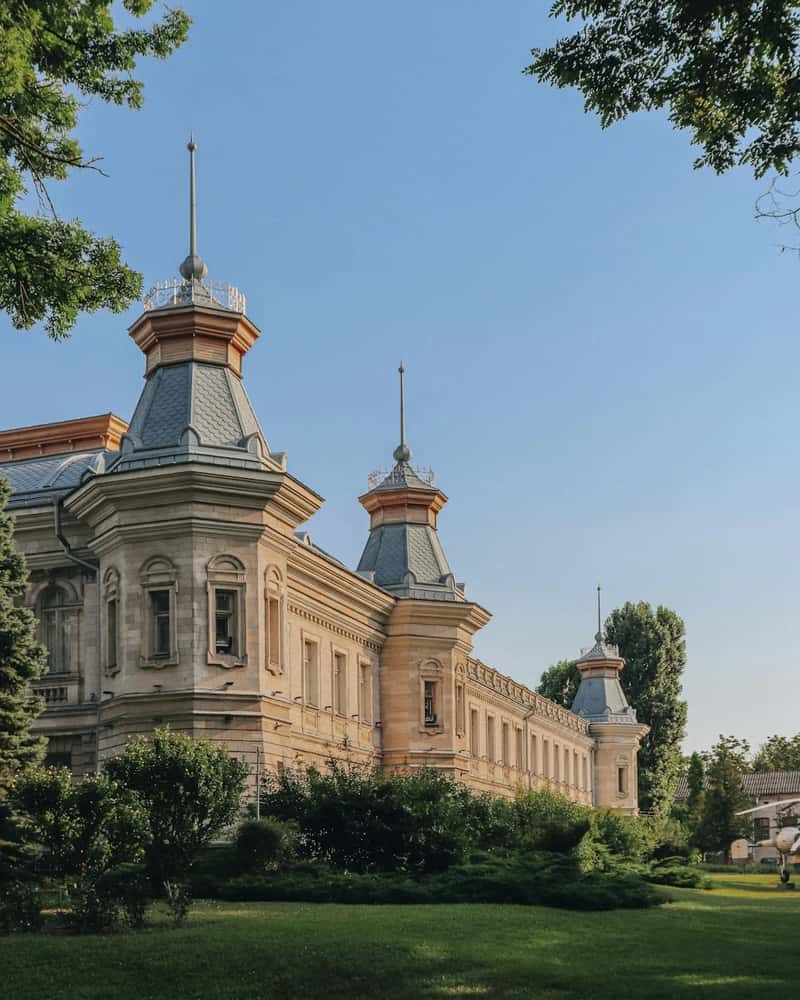
Moldova rarely enters the conversation about cheap Europe, yet it consistently ranks among the least expensive countries on the continent. According to Numbeo’s 2026 data, the estimated monthly costs for a single person are $622.4, excluding rent, and the cost of living in Moldova is on average 48.2% lower than in the United States. Rent follows the same pattern, with rent in Moldova on average 63.8% lower than in the United States.
Wise’s 2026 breakdown puts a one-bedroom apartment in a Moldovan city center at an average monthly rent of $599, compared to $414 outside the centre. Dining out barely dents a budget either, since a meal at an inexpensive restaurant costs approximately $9, while a three-course meal for two at a mid-range restaurant costs around $35. Chisinau has cafes, parks, and a walkable center that feels more Central European than most people expect from a country that rarely gets a second thought.
North Macedonia
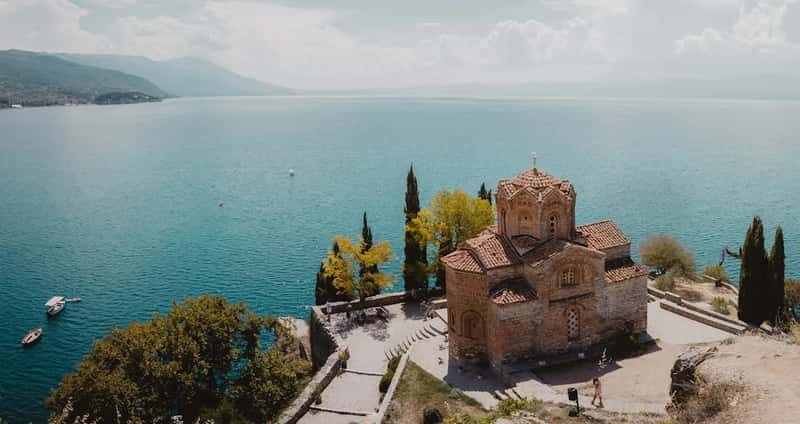
North Macedonia gets overshadowed by its Balkan neighbors, but the numbers make a strong case for attention. Wise reports that on average, a single person needs £435 per month without rent, while a family of four requires £1,455. Numbeo backs this up, noting that the cost of living in North Macedonia is on average 50.6% lower than in the United States, and rent is 81.5% lower.
Skopje is the obvious base, but the real draw for many visitors is Ohrid, a lakeside town that could easily pass for a pricier Mediterranean destination. As one cost guide put it, “The best thing about North Macedonia is that it has Ohrid – one of the favorite destinations in Europe during summer,” and the prices around the lake stay low even in peak season. Add in cheap gym memberships, low utility bills, and inexpensive dining, and it’s easy to see why long-term visitors keep coming back.
Bosnia and Herzegovina
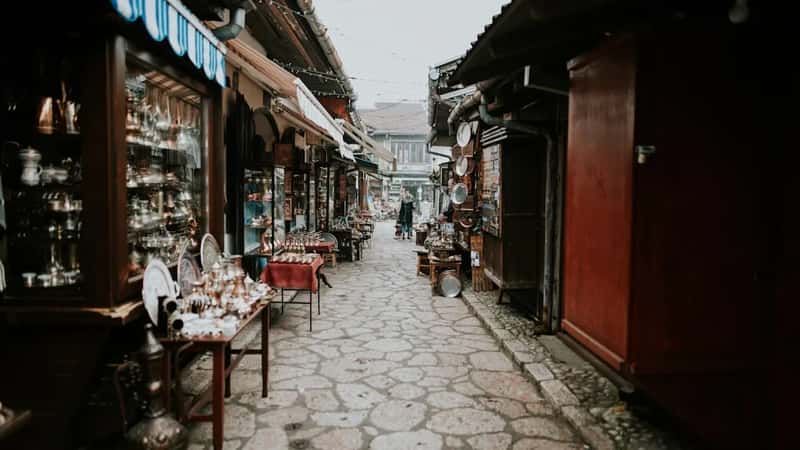
Bosnia and Herzegovina sits quietly near the top of nearly every European cost-of-living ranking, without the marketing push that Croatia or Slovenia get next door. Global Citizen Solutions notes that in Bosnia and Herzegovina, a single person spends around €572 per month, excluding rent, while a family of four spends about €2,005. Housing stays reasonable too, since a detailed 2026 breakdown found that a 1-bedroom apartment averages €380 per month and a single person spends about €687 per month on rent plus essentials.
Sarajevo blends Ottoman-era streets with a genuinely low cost of living, something that’s hard to find together anywhere else in Europe. One guide summarized it plainly: “Sarajevo has living costs that are 50% lower than in the USA.” Prices vary a fair amount between the capital and smaller towns, but even Sarajevo undercuts most Western Balkan capitals on rent and daily expenses.
Albania
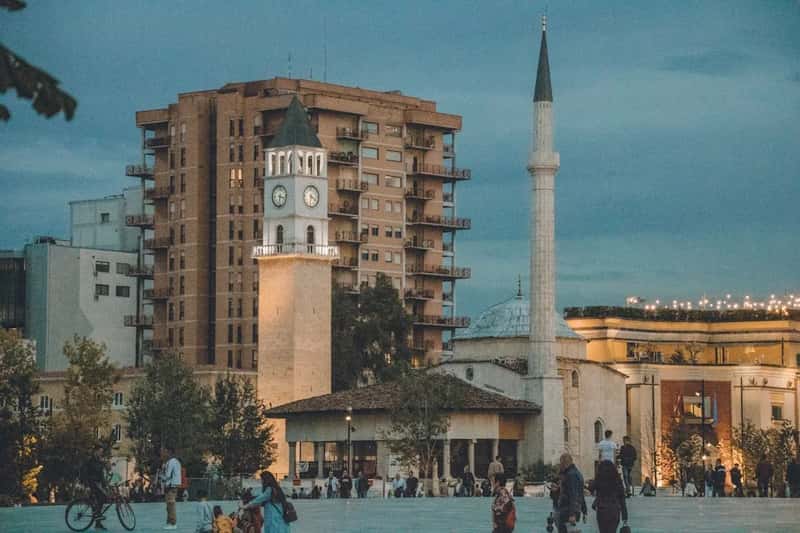
Albania has picked up more attention from remote workers over the past few years, but it still doesn’t get mentioned nearly as often as it should. One 2026 ranking placed it at the very top, noting that “Albania takes the №1 spot among the cheapest European countries to live in 2026 with an average monthly cost around €900” for a single person. Housing is a huge part of why, since in the capital Tirana, a one-bedroom apartment averages only about €350 per month in the city center, and in smaller towns you can rent for as little as €200–250.
Eating out barely registers as an expense either. A recent breakdown of Tirana living costs found that “eating out at a local restaurant will cost you just €4–€8, and the internet and mobile data are both excellent and incredibly cheap.” The Albanian Riviera and the mountains up north add a layer of scenery that most budget destinations simply don’t have, which makes the low prices feel like even more of a bonus.
Montenegro
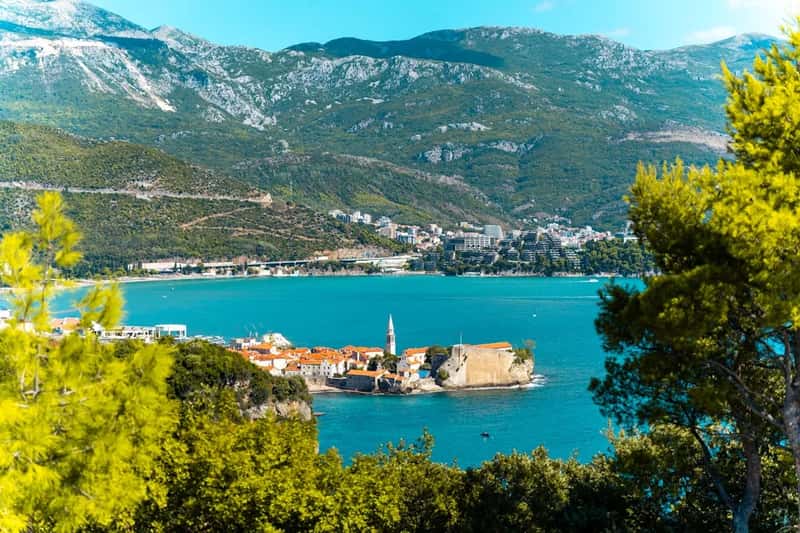
Montenegro trades on its coastline reputation, but the interior and even parts of the coast remain far cheaper than people assume. A 2026 cost guide notes that a single person living comfortably needs €1,200–€1,500 a month including rent, while a couple should budget €1,800–€2,500. That same source is careful to add some nuance, pointing out that Montenegro is genuinely affordable compared to Western Europe, but it’s no longer the ultra-cheap secret it was five years ago.
Location changes the math significantly. Podgorica and the interior stay noticeably cheaper than the tourist-heavy coast, since Podgorica is the cheapest city for long-term stays, while coastal towns like Budva and Kotor cost 20 to 40 percent more in summer. Rent reflects that split too, with reports showing a rental apartment running roughly €300 to €800 a month depending on location, with a clear premium in Tivat and Budva prime areas and during high season.
Kosovo
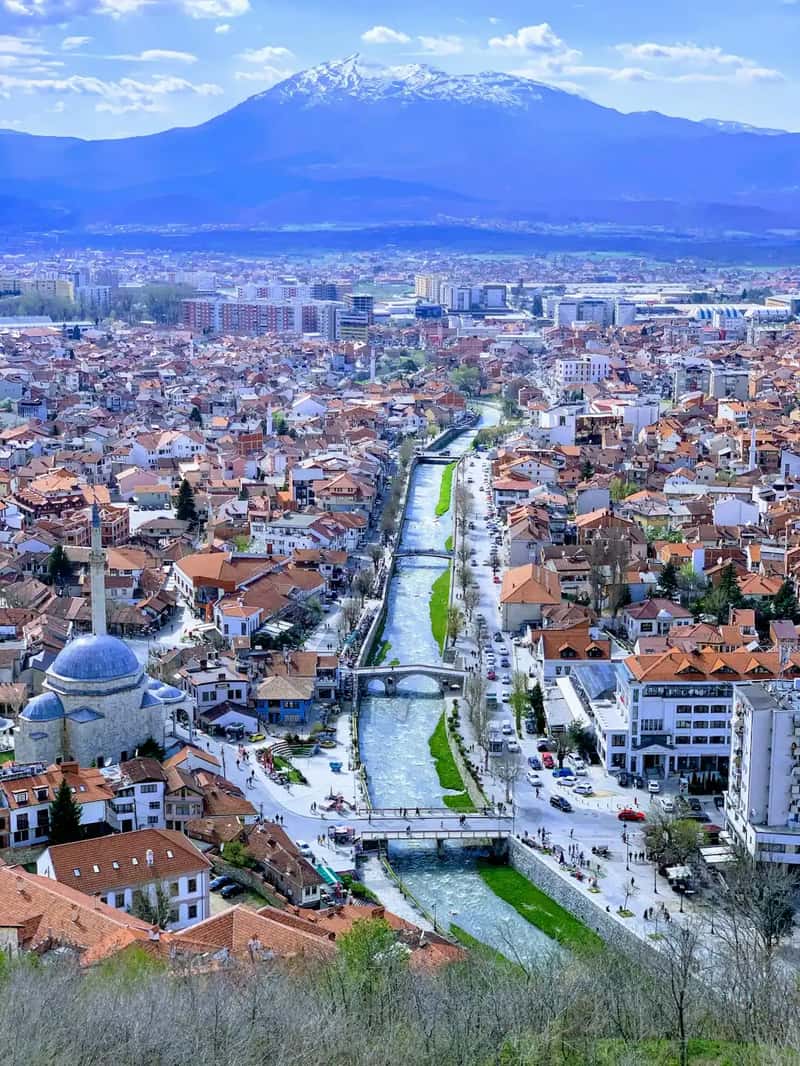
Kosovo is arguably the least considered country on this entire list, partly because it’s one of Europe’s youngest states and partly because it rarely appears on standard travel routes. Living cost data for 2026 shows the average monthly cost of living for a single person across cities in Kosovo is $1,147 including rent, or $827 excluding rent. That’s still well below what most Western European capitals demand for a comparable lifestyle.
Wages stay modest too, with the average monthly salary for a person across cities in Kosovo at $540, which is 34.7% less than the average monthly cost of living. Kosovo uses the euro despite not being an EU member, which makes budgeting simple for visitors and expats alike, and Prishtina’s cafe culture punches well above what its low prices would suggest.
Serbia
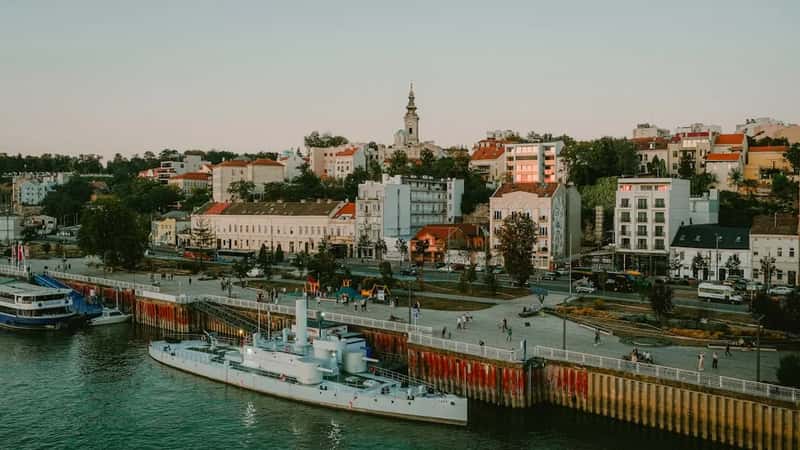
Serbia used to be the textbook cheap Balkan country, and while Belgrade has crept upward in price, the overall picture still favors budget-minded travelers. A 2026 relocation guide found that a single person renting centrally with a comfortable lifestyle can expect to spend €1,200 to €1,600 per month including rent, food, transport, utilities, socialising, and a modest dining-out budget. The same source notes Belgrade’s relative standing clearly: it “sits in the lower range of European capital cities by cost, cheaper than 81% of cities tracked globally,” though it is now the most expensive city in the Western Balkans.
That last point matters, because it means cheaper alternatives exist within Serbia itself. Novi Sad, home to the EXIT Festival, consistently undercuts Belgrade on rent and daily costs while still offering a lively university-town atmosphere. Numbeo-style figures back this general affordability, with one source noting that a single person’s estimated costs are $644.4 without rent, and the overall cost of living in Serbia is 43.5% lower than in the United States.