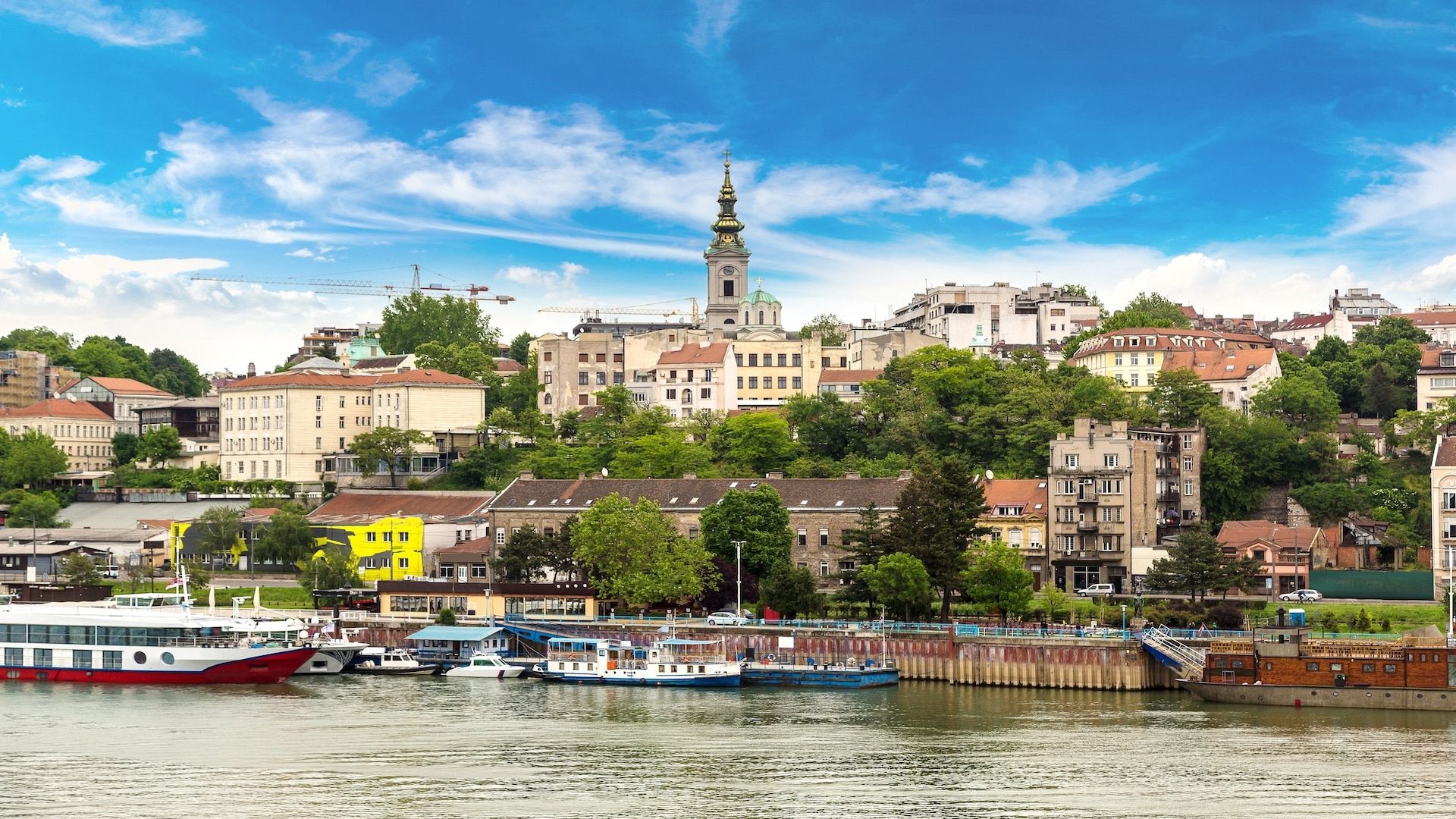
Two nights in a hotel, a proper dinner, a travel pass and a museum ticket can add up fast, and the total often depends more on the city than on the flight. The most useful way to compare cities is to price the same basket of items in each one.
That is what the UK’s Post Office Travel Money did in its 2026 City Costs Barometer. It compared the cost of 12 everyday tourist items for two people across 50 European cities.[1] It’s the largest comparison the Post Office has run.[1] The seven capitals below are the cheapest in that survey, in order of price. Cities that aren’t national capitals, such as Trenčín and Lille, are left out.
Sarajevo, Bosnia and Herzegovina
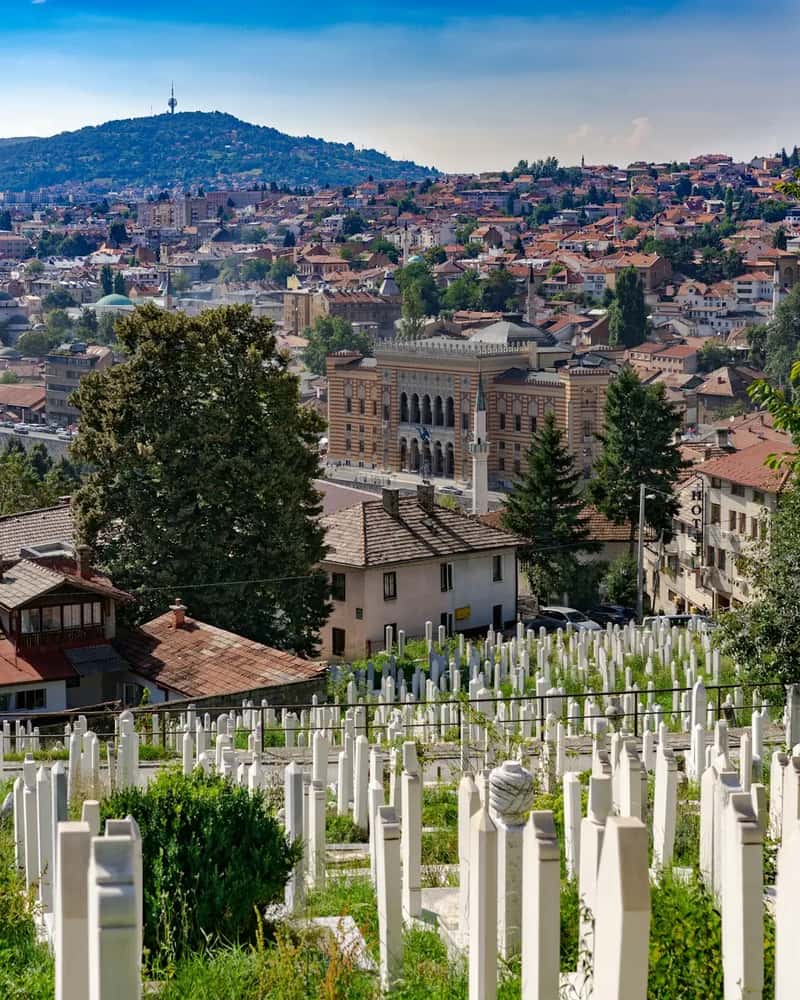
Sarajevo tops the 2026 rankings at £248 for the 12 items, which include accommodation, meals, drinks, city transport and cultural attractions.[2] It is also one of the cities added to the survey this year. Time Out points out that this is almost three times cheaper than the priciest city on the list, Oslo.[3]
The Post Office says affordable accommodation, cheap public transport and good value attractions drive Sarajevo’s low overall cost.[1] Time Out’s guide lists an average one bed Airbnb at about €40 and an average pint at about €2.30.[4] The city is also easy on the wallet once you’ve paid for the basics, since wandering its streets costs nothing.
Bucharest, Romania
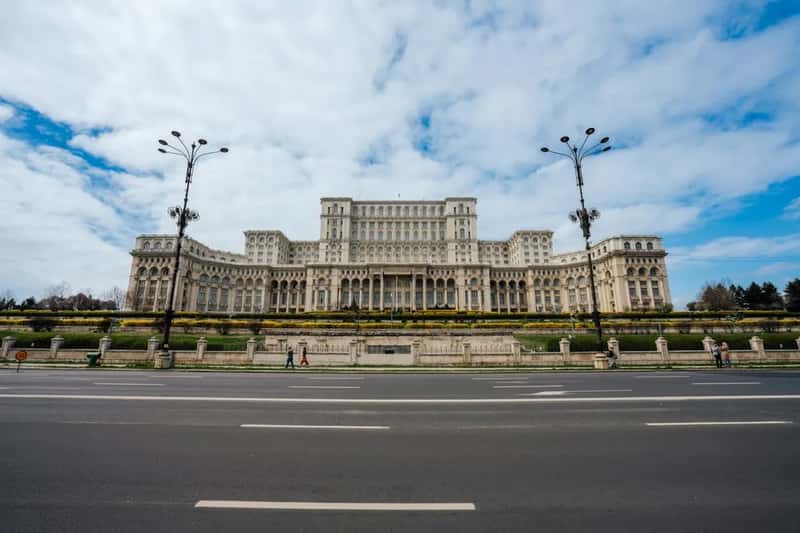
Bucharest comes second at £258, according to the barometer. The Post Office describes a city that combines wide streets, parks and historic areas with a lively café and nightlife scene.[1] It is another newcomer to the survey, and it has gone straight into the top five.
Part of the reason is national pricing. One budget travel guide reports that Romania has the EU’s second lowest price level, at 64% of the average per Eurostat.[5] That is a secondary source citing Eurostat, so treat the exact figure with some care. Even so, it fits the picture the barometer paints of low costs across food, transport and accommodation.
Tirana, Albania
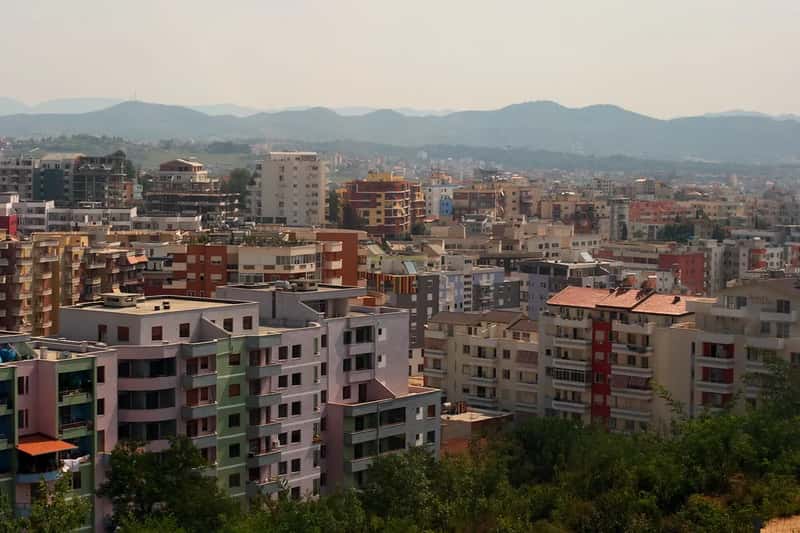
Tirana ranks third at £263, and it has a distinction that matters for a two night stay. Its two nights in a three star hotel cost £128, the cheapest accommodation figure in the whole survey.[6] That helps explain why the city sits so high even though it isn’t the cheapest for everything.
Time Out’s guide puts an average one bed Airbnb at €52.50 and an average pint at €1.65.[4] For sightseeing, Bunk’Art 1, a Cold War bunker turned museum, costs about £4 to enter.[4]
Belgrade, Serbia
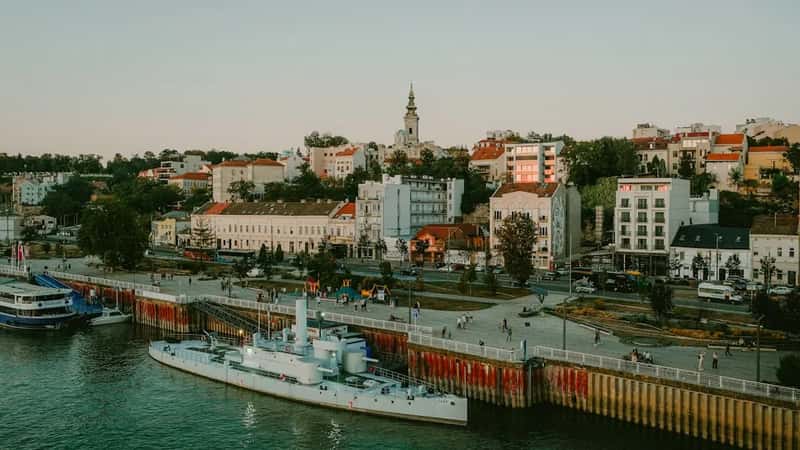
Belgrade is fourth at £265. The Post Office highlights its nightlife, food and riverside walks, along with a strong dining scene and small areas that are easy to move between.[1] It stays in the top five because good value accommodation and eating out keep its costs low.[1]
All of the top five, Belgrade included, now have direct flights from the UK.[2] One 2026 budget index puts a backpacker’s daily spend in the city at around €60.[5] That figure comes from a third party estimate, so it’s a rough guide rather than a fixed price.
Riga, Latvia
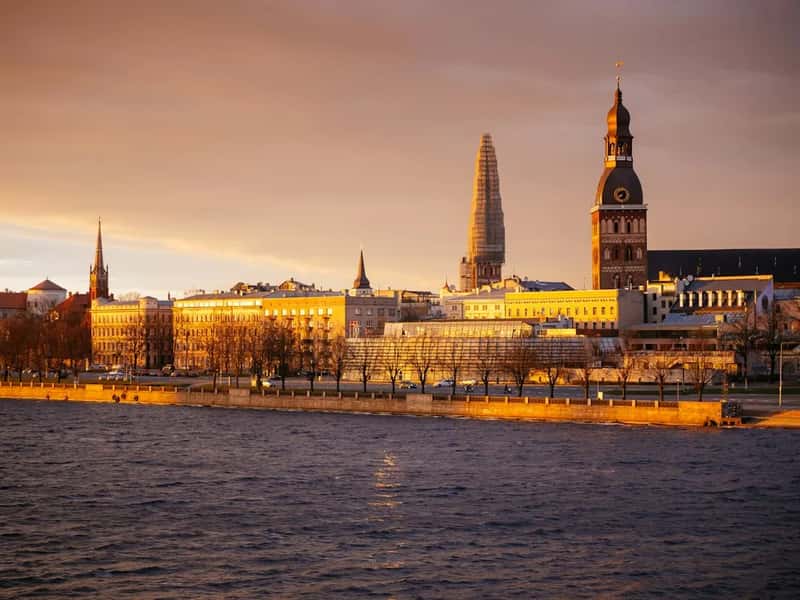
Riga comes in sixth overall at £278. It is the highest placed of the more established cities, and it keeps benefiting from competitively priced hotels.[6] Its two night stay costs £140, the second cheapest in the survey behind Tirana.[6]
The city has slipped since 2025. Last year Riga topped the chart at £253, its first win since 2012.[7] The 2026 total is higher, and the Post Office notes that prices have risen by over ten per cent in Riga, Vilnius and Podgorica.[6] It is still comfortably one of the cheapest capitals to visit.
Vilnius, Lithuania
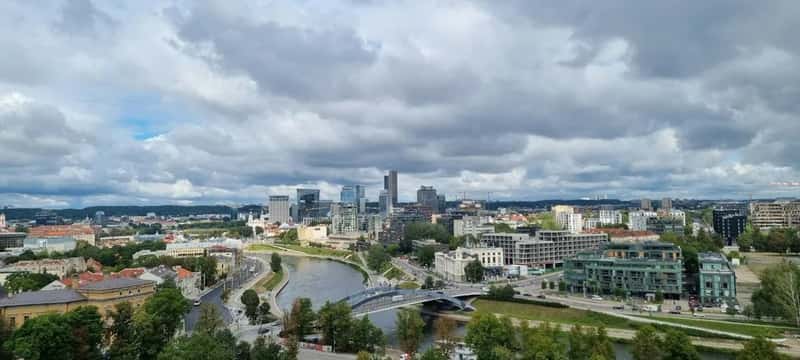
Vilnius costs £289 for the barometer basket. The Post Office release lists it seventh, while Travel Weekly places it eighth behind Lille. Either way, it sits firmly in the top ten, and its price is the same in both accounts.
Its costs have climbed in recent years. In 2025 the barometer total rose 7.5 per cent to £254.[7] Coverage of that report pointed to the rising cost of accommodation in the Lithuanian capital as the key factor.[8] The 2026 increase means Vilnius is a little less of a bargain than it used to be, though it remains well below Western European prices.
Podgorica, Montenegro
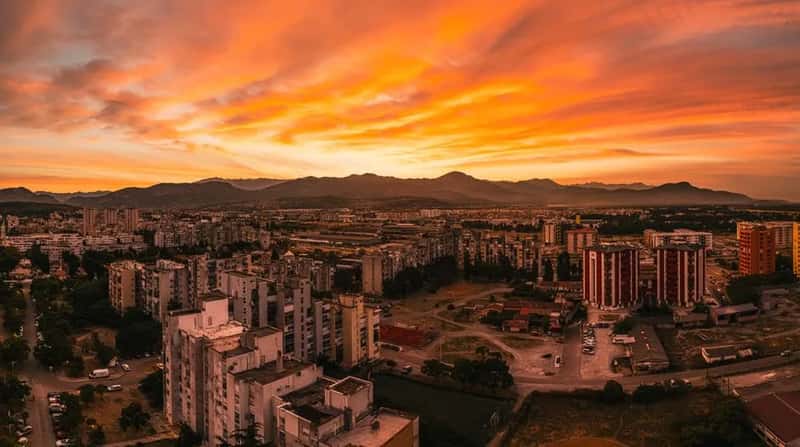
Podgorica completes the top ten at £332, according to the Post Office. It is the priciest of the seven capitals here, though it’s still well under half the cost of Oslo, the survey’s most expensive city at £734.[9] Podgorica joined the barometer in 2025, when it was one of two new additions alongside Gdansk.[7]
Like Riga and Vilnius, its costs have risen. All three capitals have seen prices increase by more than ten per cent.
What the Barometer Measures
Time Out lists what the barometer covers: two nights in a three star weekend hotel, a three course meal for two with house wine, drinks, return airport transfers, a sightseeing bus tour, a 48 hour travel card and a top heritage attraction, gallery and museum.[3] Flights are not included. The figures also reflect what UK travellers pay, so results in other currencies may differ.
Airfares matter too, and this year they’ve been rising. One industry report notes that flight prices have climbed while many visitors choose short, affordable urban breaks over long haul holidays.[11] Check fares before you book, since a cheap city can lose its advantage if the flight is expensive.