Money alone doesn’t guarantee a great education system, but it certainly shapes what’s possible inside a classroom. Smaller class sizes, better-paid teachers, modern labs, and well-funded universities all cost something, and a handful of wealthy nations have decided to pay for it generously. Drawing on the latest figures from the OECD’s Education at a Glance 2025 report, here’s a look at the seven countries pouring the most resources into each student, from primary school through university.
1. Luxembourg

Luxembourg isn’t just at the top of this list, it’s in a category of its own. Luxembourg stands far above all peers, spending over $31,000 per student, nearly $9,000 more than second-place Norway and several times higher than lower-ranked countries. That gap isn’t a rounding error either; it reflects a small, extremely wealthy population where public revenue per resident dwarfs almost anywhere else in the world.
The spending advantage shows up most dramatically at the university level. Luxembourg leads the OECD at every education level, with primary spending reaching $25,482 per student, and at the tertiary level it hits $54,384, a figure partly inflated because over three-quarters of Luxembourg’s university students study abroad, shrinking the domestic enrollment denominator. On top of the raw numbers, the country also leads in teacher salaries, reinforcing just how much of its national wealth flows directly into classrooms and lecture halls.
2. Norway
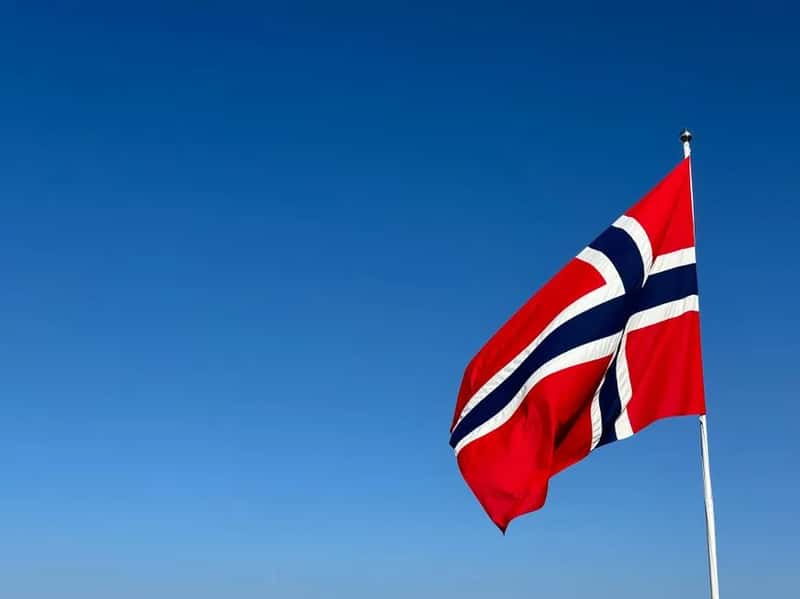
Norway consistently lands in second or third place globally, and it does so while keeping education spending closely tied to real economic effort rather than just a wealthy denominator. Norway pairs per-student spending of $19,797 with an education-to-GDP effort of 6.2 percent, one of the highest shares among wealthy nations. That combination matters because it shows the country isn’t just rich, it’s actively prioritizing schools and universities within its budget.
At the university level, Norway sits among an elite handful of nations. At tertiary level, government expenditure per student ranges from around $25,000 or above in Luxembourg, Switzerland, Norway, Sweden and Denmark. Norway’s oil-funded sovereign wealth has given it unusual fiscal flexibility, and unlike some of its peers, it channels a meaningful share of that flexibility directly into public education rather than just infrastructure or savings.
3. Switzerland
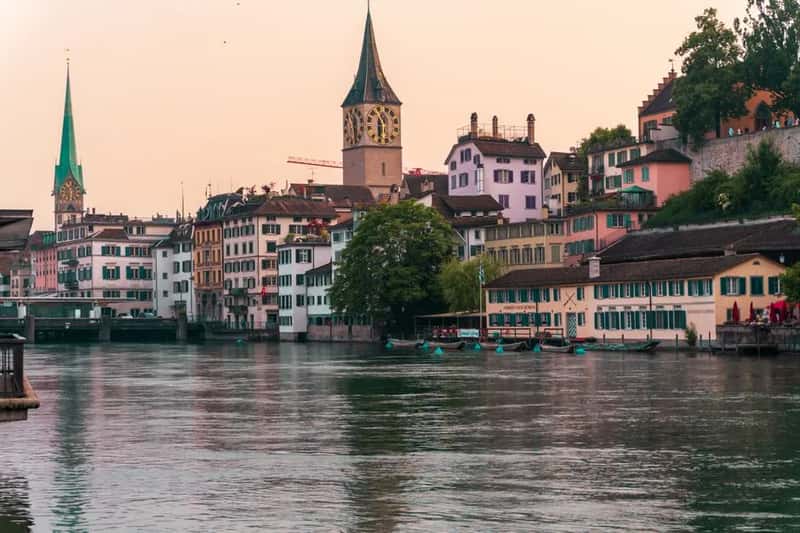
Switzerland rounds out the trio of countries where per-student funding at the school level regularly tops twenty thousand dollars. For students in primary, secondary or post-secondary non-tertiary education, governments in OECD countries spend on average $12,438 per student, ranging from below $4,000 in Mexico and Türkiye to around $21,000 or more in Korea, Luxembourg and Switzerland. That places Swiss school funding nearly double the OECD average.
Switzerland also stands out for how research funding blends into its tertiary spending figures. These figures include research and development, which in some countries accounts for a large share of government expenditure at tertiary level, in Israel, Switzerland and the United Kingdom government expenditure including R&D is more than double government expenditure excluding R&D. In other words, part of what makes Swiss higher education spending look so high is the country’s heavy investment in university-based research, not just teaching costs.
4. South Korea
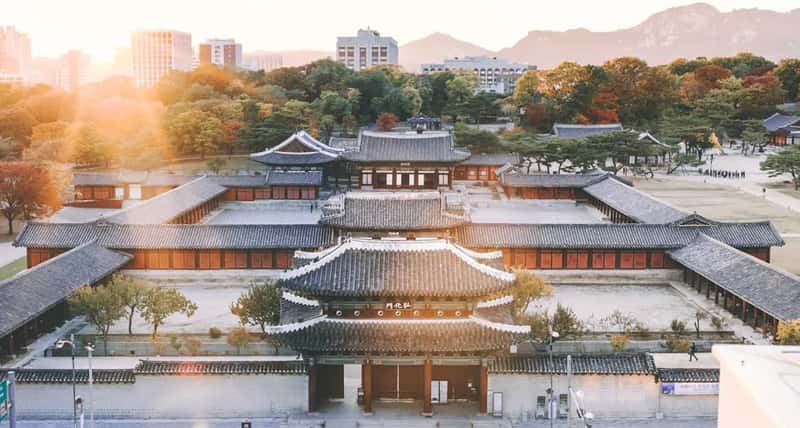
South Korea’s presence on this list might surprise people who still picture the country as a fast-follower economy rather than an education spending leader. Yet the numbers tell a different story today. Governments in OECD countries spend on average $12,438 per student, ranging from below $4,000 in Mexico and Türkiye to around $21,000 or more in Korea, Luxembourg and Switzerland, putting Korea firmly in the top tier for school-level funding.
What makes Korea’s story especially notable is the speed of its climb. Korea recorded the sharpest rise among OECD nations, a 63% increase in per-student spending between 2015 and 2022. Few wealthy economies have ramped up education investment that quickly in less than a decade, and it reflects a deliberate national push to keep pace with rising costs of teacher salaries and smaller class sizes as the country’s birth rate has fallen sharply.
5. United States
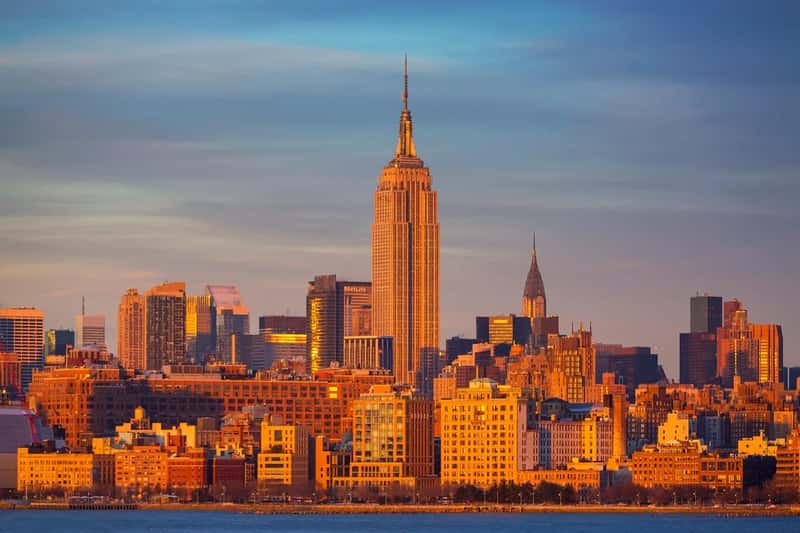
The United States tells a more complicated story than the others on this list, since it dominates by total dollars while landing in the middle of the pack on some narrower per-student measures. The United States spent $1.353 trillion on education in 2024, the highest absolute amount globally. That scale is simply unmatched anywhere else in the world, even if it partly reflects the country’s enormous population rather than exceptional per-student generosity.
Where the U.S. genuinely shines is at the university level, particularly when looking at core instructional spending rather than broader government totals. In 2021, Luxembourg was the country that spent the highest amount on core services involving tertiary education, reaching $34,252 per student, followed by the United States’ spending, which reached $27,354 per student. That places American higher education funding well above the OECD average, driven heavily by private university endowments, tuition revenue, and research grants layered on top of public funding.
6. Austria
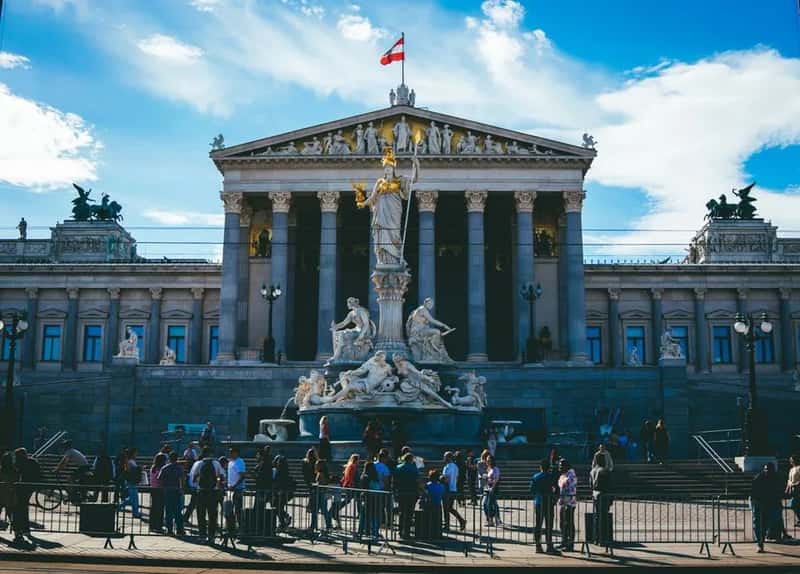
Austria doesn’t always get the same attention as its Nordic or Alpine neighbors, but its numbers are quietly impressive. Austria combines a high spending intensity of $17,767 per student with a mid-level GDP effort of 4.7 percent, putting it comfortably above the OECD average on both fronts. That balance is worth noting because some countries only make this list thanks to sheer national wealth, while Austria backs its spending with genuine budgetary commitment.
Historically, Austria has ranked among Europe’s most consistent education investors. Stripping out tertiary education, Luxembourg keeps the top spot, with Austria and Norway coming directly behind, according to earlier OECD data, and more recent figures suggest that positioning has held up reasonably well over the following years. Austria’s system also benefits from relatively low tuition costs, meaning much of its per-student spending comes from direct public funding rather than shifting the burden onto families.
7. Sweden

Sweden closes out this list, anchored by strong performance at both the school and university levels. Sweden spends $15,454 per student while dedicating 5.3 percent of GDP to education, comfortably ahead of the OECD averages on both counts. That places Sweden among the more balanced spenders on this list, neither an outlier fueled purely by small population size nor a country lagging on budgetary effort.
At the university level, Sweden belongs to an even more exclusive club. At tertiary level, government expenditure per student ranges from around $25,000 or above in Luxembourg, Switzerland, Norway, Sweden and Denmark. Sweden’s tuition-free public university system also means that most of this spending flows directly from government coffers rather than household budgets, a structural choice shared with its Nordic neighbors.
What the Numbers Really Tell Us
Looking across these seven countries, a clear pattern emerges. The OECD average is about $15,000 per student, and most countries fall far from this midpoint, clustering either well above it in Western Europe and North America or far below. Wealthy, high-income nations with smaller populations, like Luxembourg and Norway, tend to dominate the absolute rankings, while larger economies like the United States lead more clearly on total dollars spent.
Still, spending more doesn’t automatically translate into better outcomes, and that nuance matters. Estonia and Poland consistently achieve strong PISA scores while spending well below the OECD per-student average, a reminder that how funds are used often matters just as much as how much is available. Even so, the seven countries profiled here represent a genuine commitment of national resources toward classrooms, laboratories, and lecture halls, and that investment continues to shape opportunities for millions of students each year.