Meat consumption is one of those quiet indicators that says a lot about a place without anyone having to say a word. It tracks income, sure, but it also tracks history, religion, and even geography in ways that don’t always line up with what you’d expect. A wealthy island can end up near the top of the charts simply because of how its supply data counts seafood, while a country with hundreds of millions of people can sit near the bottom for reasons that have nothing to do with money at all.
What follows is a look at both ends of that spectrum, based on data from the UN Food and Agriculture Organization and figures compiled by outlets tracking 2024 and 2025 consumption trends. Some of these numbers might confirm what you already suspected. Others are the kind of detail that changes how you think about a dinner plate on the other side of the world.
Hong Kong: the global leader by a wide margin
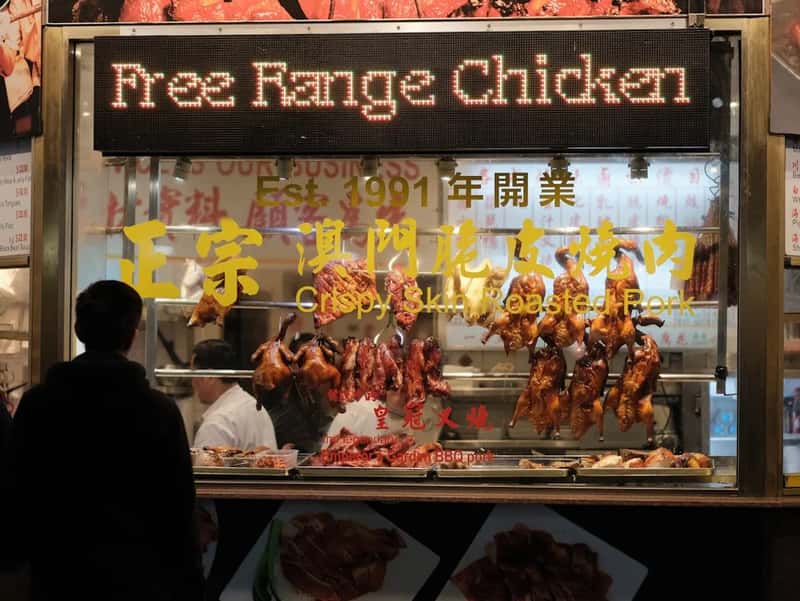
Hong Kong sits at the very top of the world’s meat consumption charts, and it isn’t particularly close. Hong Kong, Iceland, and Macao have the highest total meat consumption, all above 170 kg (370 lbs) per capita. That works out to something like a small refrigerator’s worth of meat per person, every single year.
Much of that total comes down to pork and poultry rather than beef. Despite eating more seafood and poultry, Hong Kong leads the world in pork consumption per capita annually at 55 kg (121 lbs). Even when seafood is stripped out of the comparison entirely, Hong Kong remains at the top, with annual per capita meat consumption at 128 kg when seafood isn’t included, which tells you the appetite for land animals alone is enormous.
Iceland: a diet shaped by the sea as much as the farm

Iceland’s place near the very top of the meat rankings comes with an asterisk worth mentioning. Its total, like Hong Kong’s and Macao’s, sits above 170 kilograms per person annually, but a huge portion of that figure is seafood rather than red meat or poultry. Iceland eats the most fish and seafood in the world, at a staggering 90 kg per person per year, which also gives it the crown for the highest per-capita consumption of any single type of meat category.
That makes Iceland something of a special case in this list. It’s less a nation of committed carnivores in the traditional sense and more a place where the ocean effectively functions as the primary protein source. When fish and seafood are removed from the ranking, Iceland actually drops out of the top five and down toward the top fifteen, which shows just how much the surrounding waters shape the national diet.
United States: chicken did most of the heavy lifting
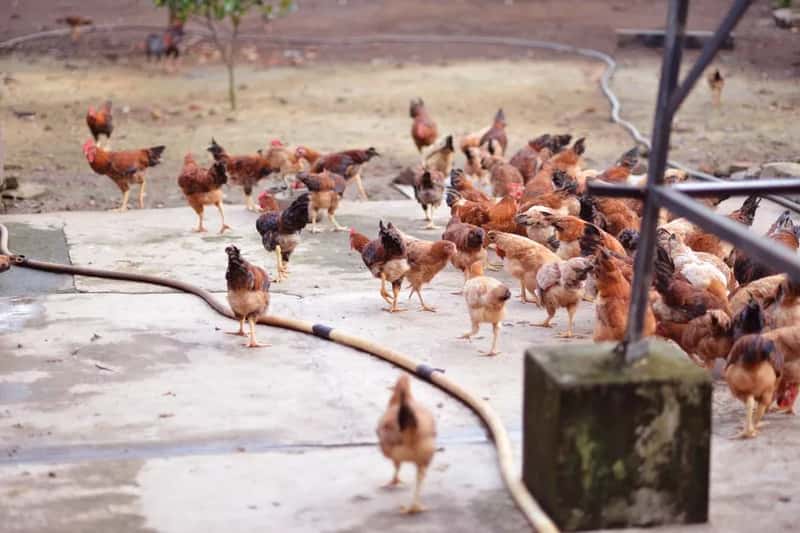
The United States has long been associated with beef, but the numbers tell a slightly different story these days. Among major economies, the United States leads at about 122 kg per person, followed closely by Australia at 117 kg and Argentina at 115 kg, putting it firmly among the world’s biggest overall meat eaters. Poultry, not steak, is the category driving most of that growth over the past few decades.
American beef consumption has actually leveled off even as total meat intake has climbed. Argentina still eats the most beef and veal in the world at about 39.9 kilograms per person every year, while the American figure sits lower than that, with chicken filling in the gap. It’s a reminder that “most meat” and “most beef” are two very different rankings, and the United States wins one far more comfortably than the other.
Australia: a livestock economy reflected on the plate
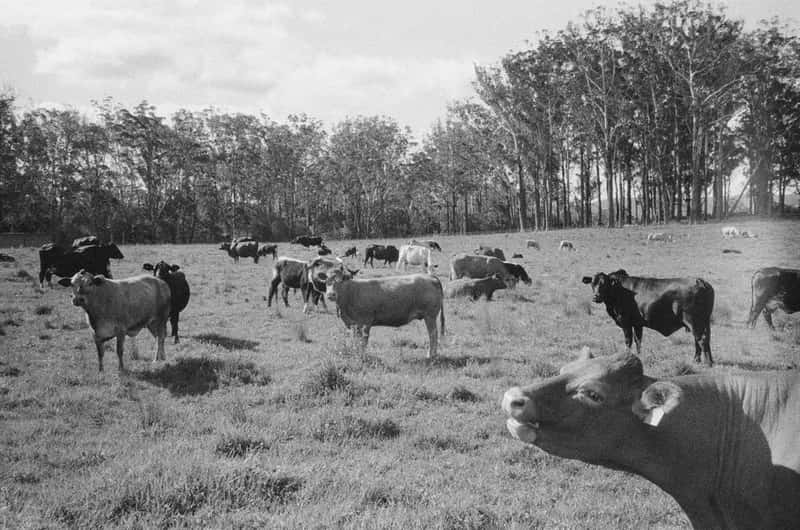
Australia’s vast grazing land and long ranching tradition show up clearly in its consumption figures. Australia sits at about 117 kg per person annually, placing it just behind the United States among the world’s biggest meat-consuming nations. Beef and lamb both play outsized roles here compared with most other wealthy countries.
Part of what makes Australia’s numbers notable is how consistent they’ve stayed even as other developed nations trim their intake. The country’s poultry sector has also expanded, following a global pattern where chicken has become the cheapest and most flexible protein on supermarket shelves. Combined with its beef and lamb heritage, Australia ends up eating a genuinely broad range of animal protein rather than leaning on just one category.
Argentina: beef as a way of life, tested by economics

Few countries wear their meat-eating reputation quite like Argentina does. Argentina eats 110.16 kilograms per capita annually, placing it fifth in the world for overall meat consumption, and the country consumes more beef than any other. Its grasslands, the pampas, have made it one of the world’s premier cattle-raising regions for generations, and the asado barbecue tradition remains a genuine cultural touchstone rather than a marketing cliché.
That said, the picture has shifted under real economic pressure. Triple-digit inflation, a recession, and rising poverty have forced Argentinians to rein in their love of beef, with 2024 beef consumption projected to drop to its lowest level since records began in 1914. Even a steep national identity built around steak, it turns out, isn’t immune to a currency crisis.
Mongolia: herding traditions still define the menu
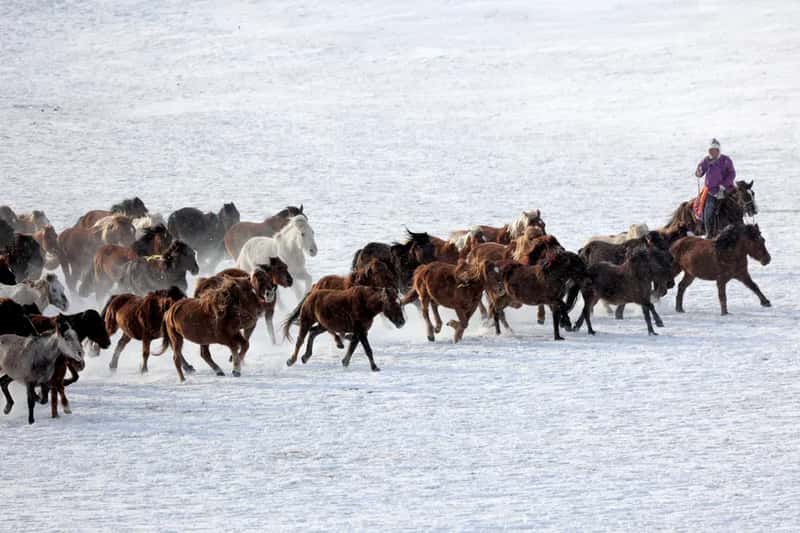
Mongolia’s meat consumption reflects a lifestyle rather than a modern food industry. Mongolia’s per capita meat consumption reaches 111.56 kilograms annually, putting it among the very highest in the world despite a relatively small population. Nomadic herding traditions here stretch back centuries, and diet has simply followed whatever livestock the steppe could support.
Goat and lamb dominate in a way that’s rare almost anywhere else on the planet. Mongolia is the top goat and lamb eater in the world at 68.5 kg per person, a figure that dwarfs every other country by a wide margin, with nomadic herding traditions here going back centuries. Horse meat also plays a meaningful role in the national diet, something that’s practically unheard of in most Western food cultures.
Israel: poultry country in the Middle East

Israel rounds out the group of nations consistently topping 100 kilograms of meat per person each year. Israel, alongside Brazil, Denmark, and Spain, sits around or above 100 kg per capita, a figure driven overwhelmingly by chicken rather than beef or lamb. Dietary customs and religious practice shape the mix in distinctive ways here, favoring poultry over pork almost entirely.
The scale of that poultry appetite stands out even on a global chart. Israel eats the most poultry in the world, at 64.9 kilograms per capita annually, well ahead of nearly every other country tracked. Combined with strong beef imports, Israel’s overall meat total lands comfortably in the world’s upper tier even without a major domestic cattle industry to speak of.
India: the world’s clearest outlier

At the opposite extreme sits a country whose population dwarfs every nation above it on this list. India has the lowest per capita meat consumption in the world, with the average person eating less than 4 kilograms of meat per year, which is less than a single chicken, and for a country of its size, that statistic is genuinely striking. Given that India is home to well over a billion people, this isn’t a rounding error. It’s a dietary pattern shared by an enormous share of humanity.
Religion plays the dominant role here far more than affordability alone. Hindu dietary customs that avoid beef, combined with a large vegetarian population across multiple faiths and regions, keep the national average remarkably low. Lentils, dairy, and other plant proteins fill much of the nutritional space that meat occupies elsewhere in the world, and that pattern has held remarkably steady for decades.
Bangladesh: rivers and rice over red meat
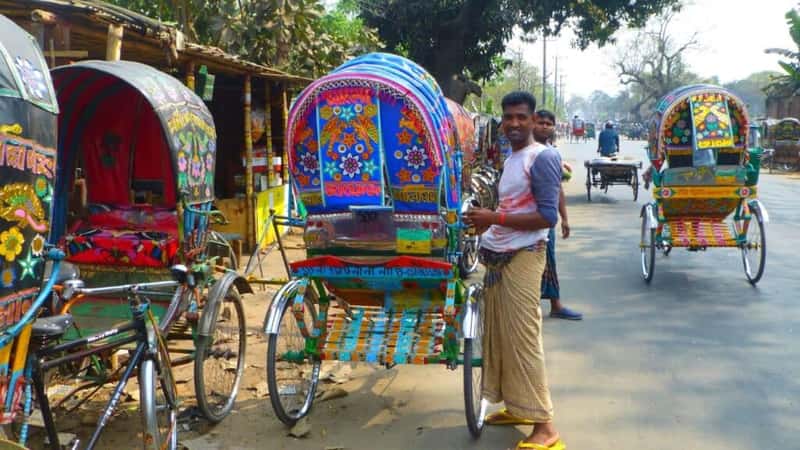
Bangladesh frequently trades places with India for the title of lowest meat-eating nation, depending on the exact dataset and year in question. A single US resident consumes on average 120.2 kilos, roughly thirty times more than an average citizen from Bangladesh, historically cited as the least meat eating country at around 4 kg per person per year. Given how densely populated the country is, that’s a remarkably small per-person footprint.
Geography explains a good part of this pattern. Rivers and coastline shape the diet here far more than livestock does, and fish forms an important part of the diet, filling much of the protein role that meat plays elsewhere. Combined with a majority Muslim population that avoids pork entirely, the overall meat category ends up quite small compared to global norms.
Ethiopia: livestock rich, meat consumption low
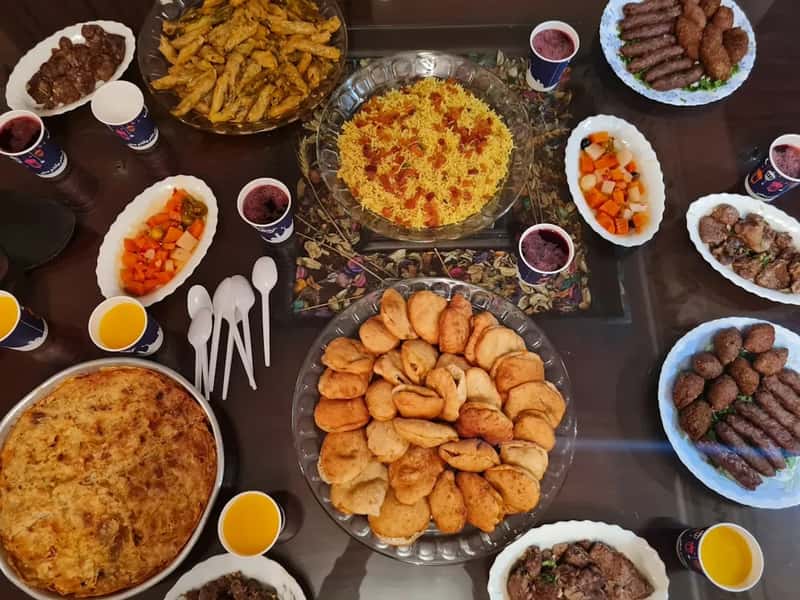
Ethiopia presents one of the more counterintuitive cases on this list. Despite one of the largest livestock populations on the African continent, Ethiopia has a very low rate of meat consumption at just under 4.54 kg per capita, creating an almost paradoxical situation where a country rich in livestock has citizens who consume very little meat. Religious practice explains much of the gap between what the country raises and what actually ends up on the plate.
Orthodox Christian fasting traditions play an outsized role in shaping the national diet. Followers abstain from animal products for large stretches of the calendar, and staples built around injera bread paired with lentil and vegetable stews fill most everyday meals. Meat dishes tend to be reserved for celebrations rather than routine eating, which keeps the yearly average well below what the country’s cattle and goat herds might suggest.
Nigeria: economics and diversity shape the plate
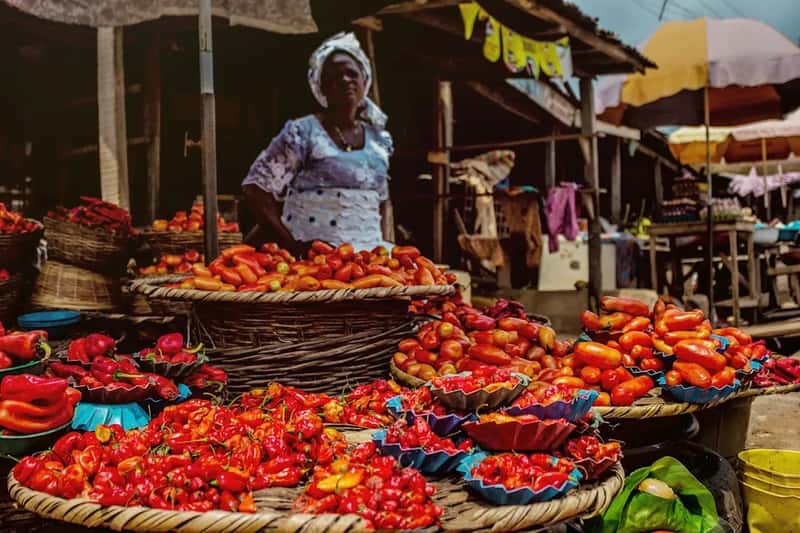
Nigeria’s low meat consumption stands out given that it’s Africa’s most populous nation. As the most populous nation in Africa with over 225 million inhabitants, Nigeria has struggled to balance endemic corruption with a growing economy that has still led to widespread poverty, and currently an average of just 5.9 kg per capita are eaten, with beef and veal accounting for around 1.8 kg, pork at just under 1.36 kg, and poultry at just under 1 kg. That’s a modest total spread thinly across several different meat categories rather than concentrated in one.
Affordability sits at the center of this pattern more than religious restriction alone. With a population roughly split between Christian and Muslim communities, dietary law does shape some habits, but the bigger constraint tends to be cost. Beans, cassava, and grains form the backbone of most everyday Nigerian meals, with meat treated more as an occasional addition than a daily expectation.
Rwanda: a small footprint in the Great Lakes region

Rwanda rounds out this group with one of the lowest meat totals recorded anywhere in the world. Rwanda has a per capita meat consumption of 7.62 kilograms per year, and officially known as the Republic of Rwanda, the landlocked country is located in the Great Rift Valley of East Africa. That figure places it firmly among the world’s lightest meat-eating nations, even as neighboring countries in the region show somewhat higher totals.
Diet here leans heavily on beans, sweet potatoes, and other staple crops rather than animal protein. Much of Rwanda’s population still relies on subsistence or small-scale farming, and livestock, when kept, tends to serve purposes beyond the dinner table, including as a store of wealth or a source of milk rather than meat. The result is a national diet built around plants first, with meat treated as a genuine occasional treat rather than a daily staple.
The gap between these two groups is stark enough to be almost hard to picture. A resident of Hong Kong or Iceland can end up consuming more meat in a single year than someone in Rwanda or Bangladesh eats across several years combined. Wealth explains a good part of that divide, but religion, geography, and centuries of agricultural tradition matter just as much, and together they produce a global map of eating habits that rarely lines up neatly with GDP alone.