Ocean views used to be reserved for people with seven figures sitting in a brokerage account. That is no longer entirely true. Across a handful of coastal markets, a monthly budget of around $1,500, covering a mortgage or developer payment plan plus basic living costs, can realistically put a beachfront unit within reach, especially outside the handful of postcard towns everyone already knows about.
The trick is knowing where to look. Prices in Cancún or Phuket have climbed well past what a modest income can support, but a few countries and specific coastal pockets within them still price condos in the range where a $1,500 monthly outlay makes sense, whether that means financing a purchase, covering HOA fees on a paid-off unit, or renting near the water while banking the rest.
Egypt: Hurghada’s Red Sea studios
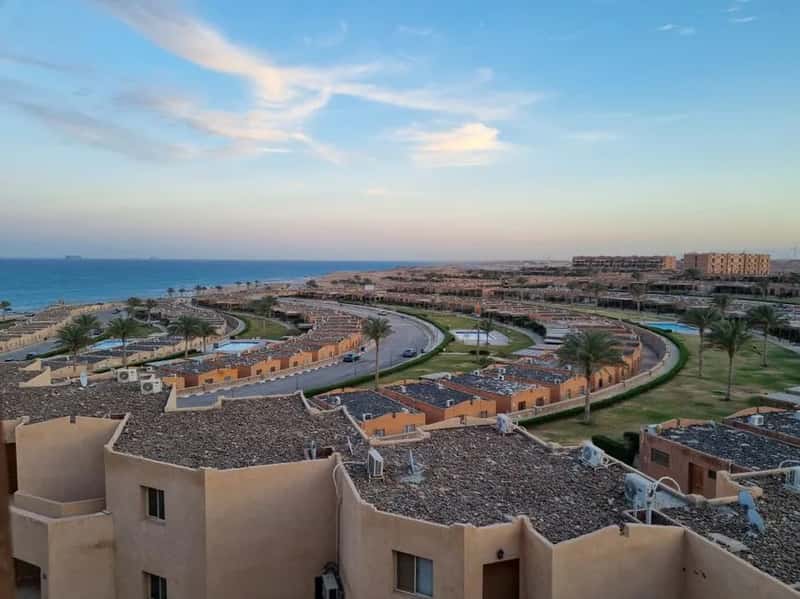
Hurghada has quietly become the least expensive beachfront market on the planet for foreign buyers. Egypt has by far the cheapest beachfront apartments in the world for foreign buyers in 2026, with studios as low as $15,000. That price point means a buyer using even a modest installment plan could stay well under $1,500 a month while still owning a unit with sea access.
Developers in the area package these deals attractively. Fully furnished sea-view studios run roughly $15,000 to $35,000 at resorts like Trivana, ORO Beach Resort, and Magawish, while bedrooms with beach access typically cost $30,000 to $55,000. Prices this low simply do not exist on most Western coastlines, which is exactly why Hurghada keeps showing up on lists like this one.
Mexico: beyond the obvious hotspots
Puerto Vallarta gets the headlines, but it has also gotten expensive. As of early 2026, beachfront condos in Puerto Vallarta typically range from $350,000 for a well-maintained unit in the Hotel Zone to over $1.5 million for luxury penthouses, with the median for a two-bedroom unit around $350,000 to $450,000. That is not a $1,500 a month situation unless you are financing heavily.
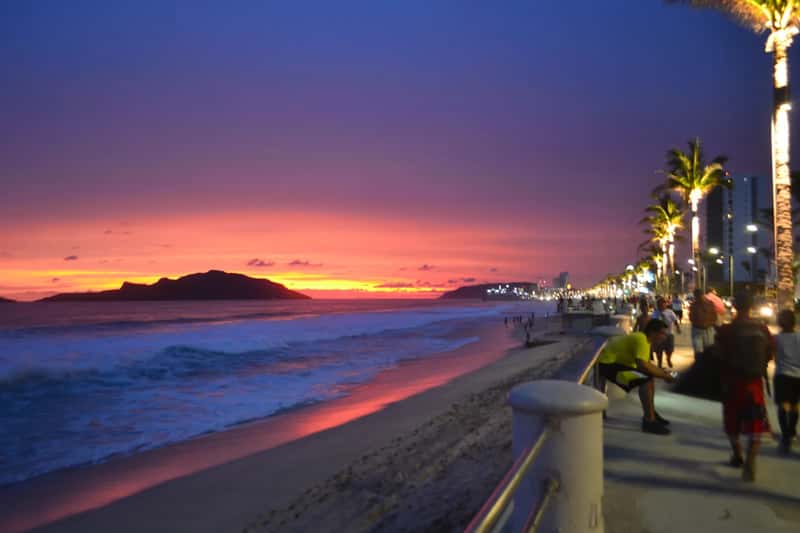
The real value now sits further up the Pacific coast. In places like Mazatlán, beach condos may start around $120,000, with prices higher than in Nicaragua but supported by strong tourism demand. Add in the fact that foreigners can legally own beachfront property in Mexico’s restricted zone through a Fideicomiso, a secure bank trust renewed every 50 years, with full rights to sell, rent, or pass the property to heirs, and a financed unit in a secondary market becomes a realistic option on a modest monthly budget.
Philippines: island living without the premium

The Philippines spreads its coastline across thousands of islands, and that geography works in a buyer’s favor. In the Philippines, some provincial islands offer affordable beachfront condo units for close to $80,000 to $100,000, though foreigners can own the condo units but not the land, and remote areas cost less than major cities. That price range translates into a monthly payment schedule comfortably inside the $1,500 target for most standard financing terms.
Cebu in particular has become a practical entry point. Listings around Lapu-Lapu City and nearby beachfront resort developments show fully furnished one-bedroom units with monthly maintenance fees in the low hundreds of dollars, keeping ongoing costs light even after the purchase is financed. Buyers just need to be diligent about studying local rules and access to utilities before committing, since remote islands vary widely in infrastructure quality.
Vietnam: a fast-rising but still accessible coast
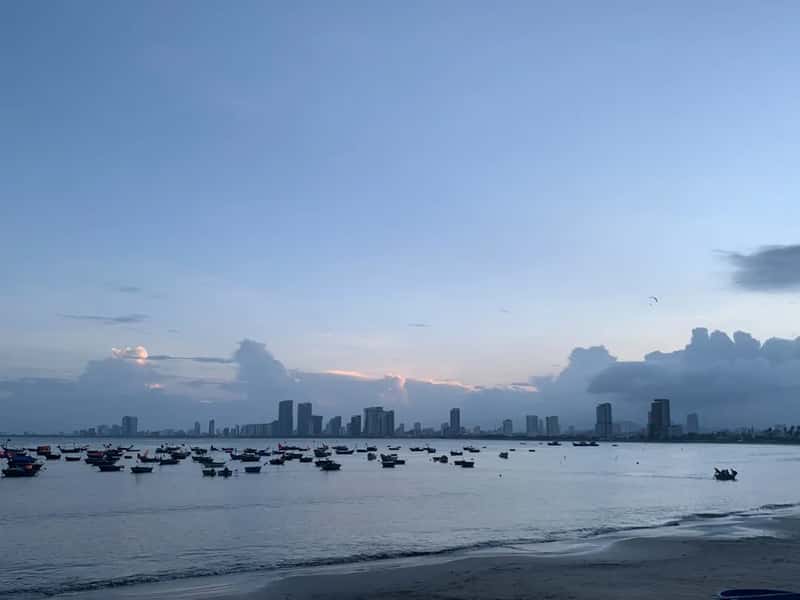
Vietnam’s beach cities are growing quickly, and that growth has not yet fully caught up with prices in every neighborhood. Vietnam has growing beach cities where some condos start around $85,000, though foreign buyers usually get long-term lease rights instead of full land ownership. That lease structure matters for anyone planning long term, but it does not change the basic math of an $85,000 entry price fitting well within a $1,500 monthly budget.
The catch is timing. Vietnam is growing quickly, and even so, some beach cities still have affordable condos and small homes, though prices are rising each year. Buyers weighing this market are effectively racing a clock that other, slower-moving coastal economies do not impose.
Dominican Republic: Caribbean access at a discount
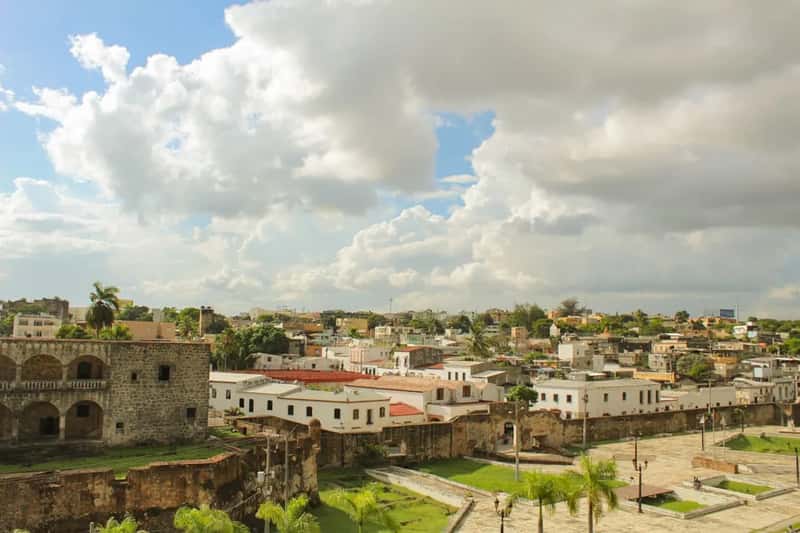
The Dominican Republic remains one of the more startling entries on any affordability list, largely because of how far a small budget stretches on its north coast. A beachfront condo in Puerto Plata can be yours for just $50,000, while villas in Punta Cana start around $200,000. At the lower end, that price supports a monthly payment far below $1,500, leaving room for utilities, HOA dues, and everyday expenses.
The appeal is not purely financial. The country’s growing tourism industry means the property could double as an investment, generating rental income when the owner is not using it. Punta Cana and Puerto Plata both draw steady visitor traffic, which gives owners a fallback income stream if they ever need to offset the mortgage.
Brazil: thousands of miles of coastline, modest price tags
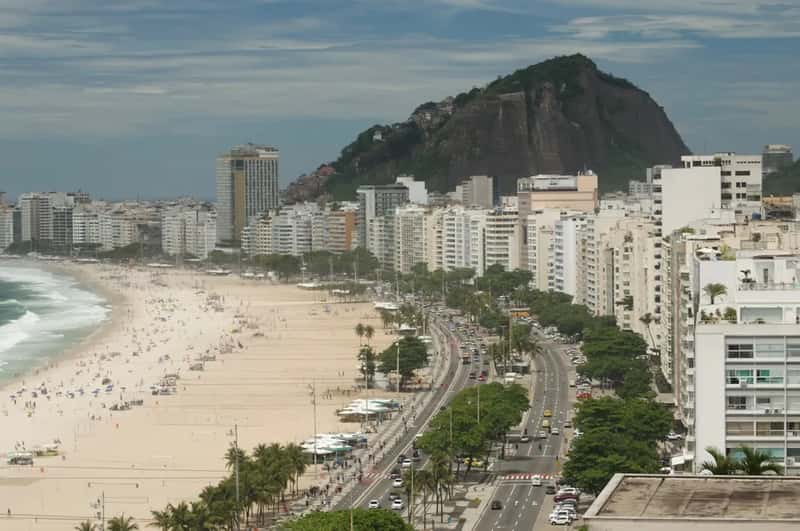
Brazil’s sheer size works to a buyer’s advantage. The country’s coastline stretches over 7,000 kilometers, offering properties ranging from chic apartments overlooking Copacabana Beach to rustic bungalows in quieter coastal towns. Naturally, Rio commands a premium, but the northeastern coast tells a different story.
Salvador, in the state of Bahia, is where the real savings show up. Cozy beachfront homes in Salvador can be found for $40,000, while a beachfront condo in Rio might cost around $120,000. Currency dynamics have played a role too, since Brazil’s currency has been relatively weak against the dollar, making it an attractive market for international buyers. Either price point keeps a financed monthly payment well inside the $1,500 range.
Southern Italy: Mediterranean charm at Calabria prices
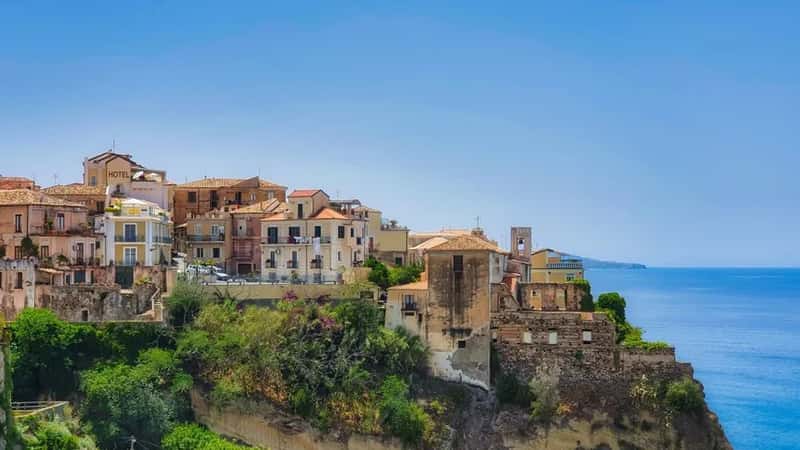
Italy is not the first country people associate with cheap real estate, but its far south breaks the pattern. In Calabria, charming seaside apartments can cost as little as $40,000, while a larger villa might range from $100,000 to $150,000. That entry price is a fraction of what similar Mediterranean views command in France or the Amalfi Coast.
Part of the reason is regional development, not property quality. Southern Italy remains less developed compared to tourist heavy regions, which keeps prices lower. Buyers should still budget for renovation work on older units, since some coastal homes in Southern Italy need repairs, and because of that, prices can fall under $100,000 for homes that may need new roofs, plumbing, or paint. Even with repair costs folded in, the total often stays reasonable against a $1,500 monthly ceiling, and Italy’s clear property laws add a layer of confidence that some emerging markets lack.
What to check before wiring any money

Cheap does not automatically mean simple. Some countries do not allow foreigners to fully own land, requiring long term leases or special permits instead, which makes learning local property laws crucial. That single detail can change the entire value proposition of a condo in Vietnam or the Philippines compared to one in Mexico or Egypt, where ownership structures are more straightforward.
Infrastructure and resale liquidity deserve equal attention. Cheap beach areas often have limited roads, hospitals, or emergency services, and small towns can be quiet but daily life may be harder without proper infrastructure. On top of that, selling a cheap beach home quickly can be hard, since some areas have few buyers or slow markets, so anyone treating this as a flexible, exit-anytime purchase should temper those expectations.