

Comfort means different things to different people, but when researchers try to measure it across entire nations, a handful of countries keep appearing at the top of almost every serious index. They show up in the World Happiness Report, in the UN’s Human Development Index, in Numbeo’s Quality of Life rankings, and in the OECD’s Better Life assessments. That kind of consistent overlap across entirely different methodologies isn’t a coincidence.
What these countries tend to share isn’t just wealth. Countries with the highest standard of living tend to combine economic prosperity with stable governance, well-developed public services, and high levels of personal security. The seven places profiled here have earned their reputations over decades, not just a single good year.
Finland: The Country That Keeps Winning

Finland has topped the World Happiness Report rankings since 2018. That’s not a fluke. Finland maintains the highest happiness score with strong social support, high GDP per capita, and low levels of corruption. For residents, this translates into something real and daily: a trust in institutions that most people in other nations don’t experience.
Finland is not the wealthiest nation among the 147 countries and territories surveyed by Gallup World Poll, with more than 25 other countries beating the country’s GDP per capita. That’s actually one of the most telling details about Finland’s success. Comfort here isn’t bought entirely by income. It’s built through accessible, high-quality education and healthcare, a balanced work-life culture, and a deeply ingrained respect for equality and personal space.
Denmark: Consistent, Reliable, and Deeply Livable
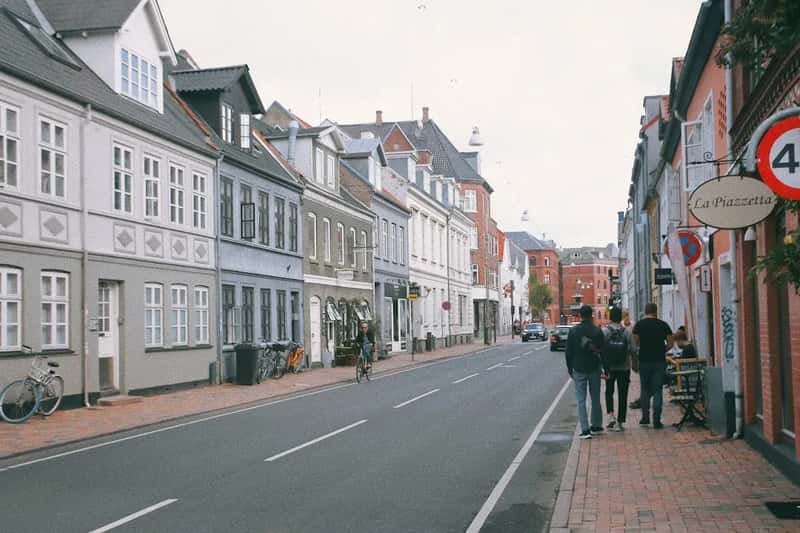
Denmark ranks among the happiest countries in the world, with a happiness score of 7.52. It’s also one of the few nations that regularly scores near the top across multiple entirely different ranking systems, whether those systems measure purchasing power, safety, or emotional wellbeing. Denmark is seen as having one of the best qualities of life based on its education and health systems, job markets, income equality, family friendliness, and more.
Denmark scores 96 out of 100 in a 2026 composite quality-of-life index, excelling in universal healthcare, safety, education, and work-life balance with no critical weaknesses across any dimension. That phrase “no critical weaknesses” is worth pausing on. Most countries trade comfort in one area for deficits in another. Denmark largely avoids that tradeoff. It follows closely behind Finland with solid social support networks, efficient and clean governance, robust social systems, and high levels of personal freedom and trust in society.
Switzerland: Premium Quality at a Premium Price
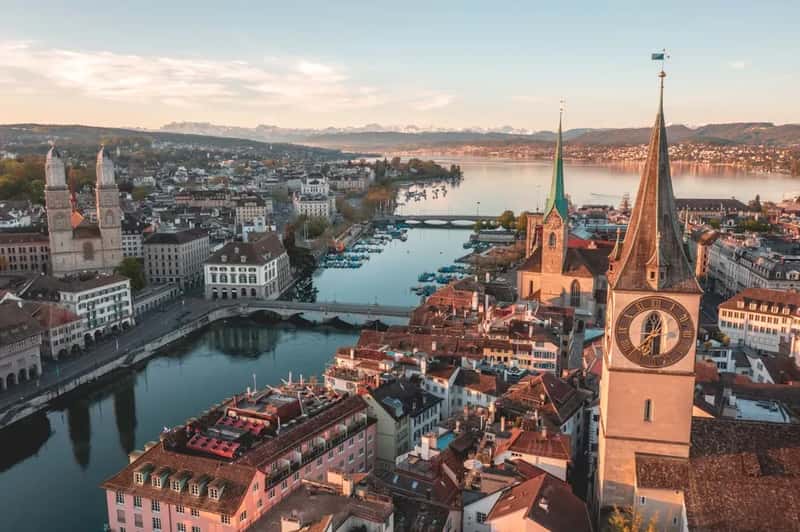
According to the CEOWORLD Magazine Human Progress Index, Switzerland is the world’s best country for quality of life. It holds that position through sheer consistency across healthcare, income, education, and political stability. The main factors that significantly impact Switzerland include high life expectancy, extensive education levels, and a robust income per capita, reflecting a strong healthcare system, comprehensive educational facilities, and a prosperous economy.
Switzerland leads global healthcare innovation, particularly in cardiology and oncology. Health expenditure reaches nearly 11.4 percent of GDP, the highest in Europe, supporting world-leading medical technology and specialist care. Life expectancy of 83.4 years reflects these excellent health outcomes. The trade-off is cost. Living in Switzerland requires a strong income, and housing in cities like Zurich and Geneva is among the most expensive in the world. But for those who can navigate the price point, it delivers an objectively high standard of daily life.
Norway: Where Wealth Gets Redistributed Well
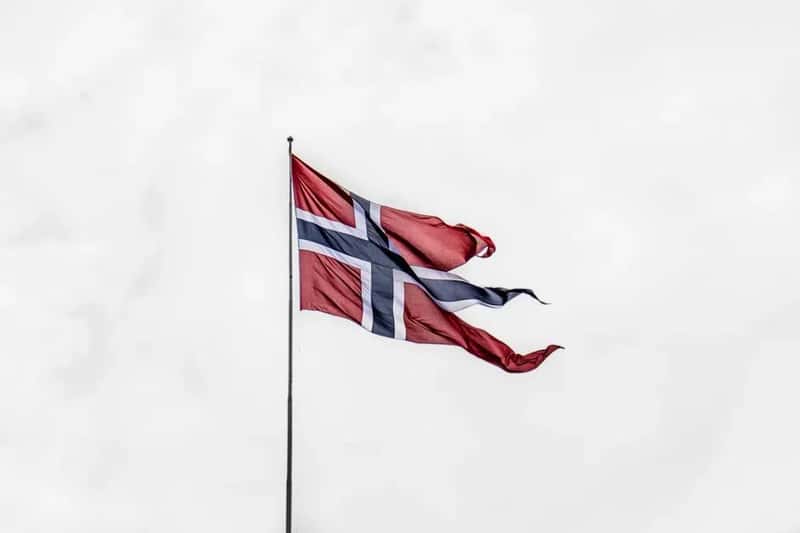
Norway shares the second-place position in the UNDP Human Development Index with an HDI value of 0.970, placing it among the most developed nations on earth alongside Switzerland and Iceland. Norway’s oil wealth is significant, but what separates it from other resource-rich nations is how deliberately that wealth has been invested back into the population. In 2025, the best countries for quality of life combine high incomes, safety, strong healthcare and education, and stable governance, with Norway ranking among the global top performers.
Families particularly value Norway for its combination of education, safety, and public services. Free university education, generous parental leave policies, and a healthcare system built on universal access are all part of what makes everyday life here feel secure. Nordic countries including Norway represent the gold standard for universal healthcare, achieving high levels of tax-funded coverage. The winters are long, the costs are high, but the social infrastructure is genuinely exceptional.
The Netherlands: Practical Comfort at Its Best
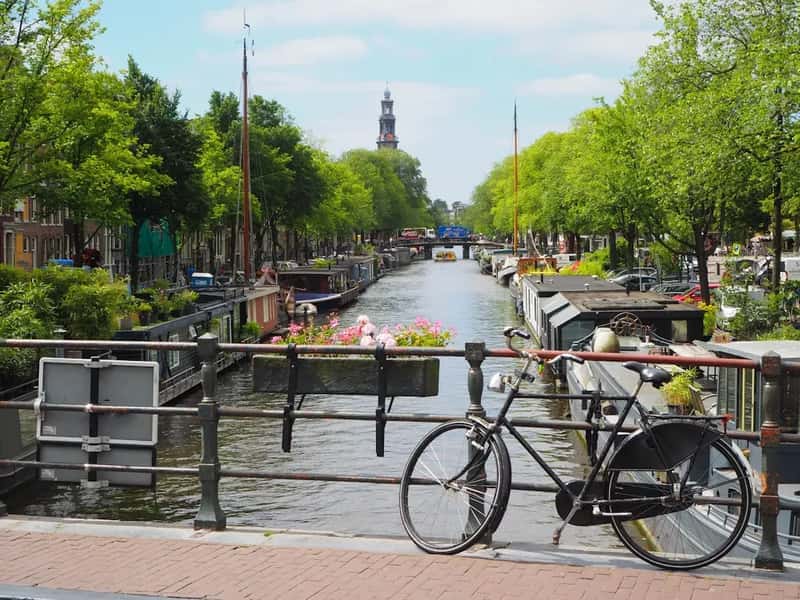
The Netherlands holds the top position in Numbeo’s Quality of Life Index for 2026. It’s a country that tends to thrive in practical metrics: commute times, cycling infrastructure, healthcare access, and English proficiency. With a Quality of Life Index score of 213.6, the Netherlands boasts the lowest average commute times and highest rates of cycling infrastructure among the top ten, driven by a stellar Safety Index and Healthcare Index.
Decent salaries and strong purchasing power give residents financial stability, while well-planned cities make everyday life easier and more enjoyable. The country is famous for its cycling culture, with more than 35,000 kilometers of dedicated bike paths. There are real challenges too: housing costs have surged, and property prices remain among Europe’s steepest. Still, the Netherlands provides a gold standard for English proficiency among healthcare workers, with dedicated English-speaking GP practices in major cities.
Iceland: Small Country, Outsized Quality of Life

Iceland ranks first in the Human Development Index for 2025, with an HDI value of 0.972 according to the UNDP Human Development Report. For a country with a population of roughly 370,000 people, that achievement is remarkable. Iceland benefits enormously from scale: it’s easier to maintain functioning public services, low corruption, and community trust when you’re governing a small and largely homogenous population. It’s a small yet socially advanced nation with free healthcare and education, low crime, and robust social safety nets.
Iceland retains the same top position it held in the previous World Happiness Report, closely behind Denmark and Finland. Life in Iceland comes with natural extremes: volcanic landscapes, dramatic winters, and an isolation that some find invigorating and others find difficult. Iceland offers a safe, nature-rich environment with moderate relative costs, appealing to lifestyle-focused individuals and families. The combination of strong institutions and a genuinely stunning natural environment makes it unlike anywhere else on this list.
Sweden: The Long Game of Social Investment
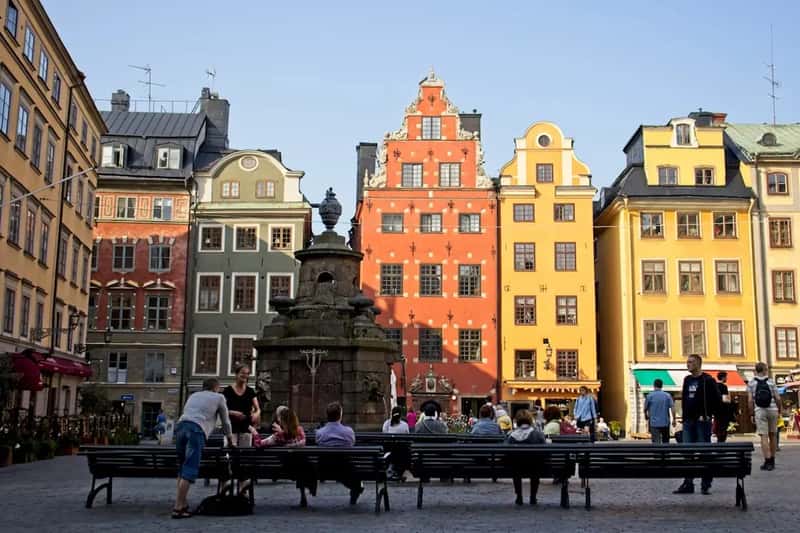
Sweden ranks among the happiest countries in the world with a happiness score of 7.35, placing it solidly in the global top five. Sweden’s model is built on decades of deliberate social investment, and the results show up clearly in life outcomes. Access to free or affordable university education and strong vocational training systems are among the key educational advantages Sweden offers residents. Those foundations create a population with real economic mobility and a tangible sense of security across income levels.
Sweden consistently appears in global healthcare rankings, featuring in both the Mirror Mirror 2024 report and the U.S. News Best Countries rankings for healthcare quality. The country does face some pressures, including a housing shortage in urban areas and ongoing debates about integration policy, but its core quality of life infrastructure remains among the strongest anywhere. The Nordics, Sweden included, combine broad material security with high institutional trust and strong social support, creating a durable foundation for wellbeing that outlasts short-term economic shifts.
What These Countries Actually Have in Common
Top-ranked countries tend to combine strong social support systems, higher income levels, longer life expectancy, and greater personal freedom, all of which are associated with higher overall happiness scores. That combination isn’t accidental. It reflects a shared philosophical commitment to the idea that a government’s primary job is to make ordinary life less stressful and more secure. Happiness, in this broader sense, is strongly connected to social trust, supportive relationships, health, and the quality of institutions.
Many of the countries that rank highly in quality of life also perform well in other measures such as the Human Development Index, U.S. News quality of life rankings, and global happiness rankings, suggesting broad agreement across methodologies on where people enjoy the highest standards of living. That consistency is the point. No single index gets the full picture right on its own, but when the same seven countries keep surfacing across dozens of different approaches, the signal becomes hard to ignore. Comfort, it turns out, is measurable after all.