Most people assume passport strength follows wealth or global influence in a straight line. The biggest economies get the best travel documents, and everyone else waits in visa lines. That assumption falls apart pretty quickly once you look at the actual 2026 rankings.
Some of the world’s most mobile citizens come from places you would not necessarily list off the top of your head: a Gulf sheikhdom, a tiny island nation, a Balkan country still working toward full international recognition. Here are seven passports that punch well above what their size, history, or global profile might suggest.
United Arab Emirates
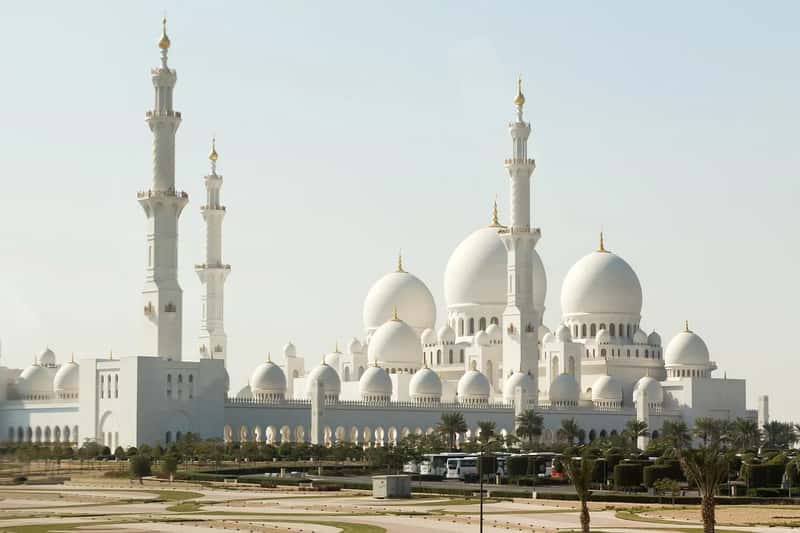
Two decades ago, the UAE passport barely registered on global mobility charts. That has changed dramatically. The UAE is the country with the strongest performance in the 20-year history of the Henley Passport Index, adding 149 visa-free destinations since 2006 and climbing 57 places up the rankings.
By 2026, the Emirati passport had become the first Arab-majority country to break into the global top 10 on the Henley Index, and by some measures reached even higher. On the rival Arton Capital index, the United Arab Emirates sits in the top spot, with a visa-free/visa-on-arrival score of 179. For a country founded only in 1971, that kind of diplomatic reach is remarkable.
Malaysia
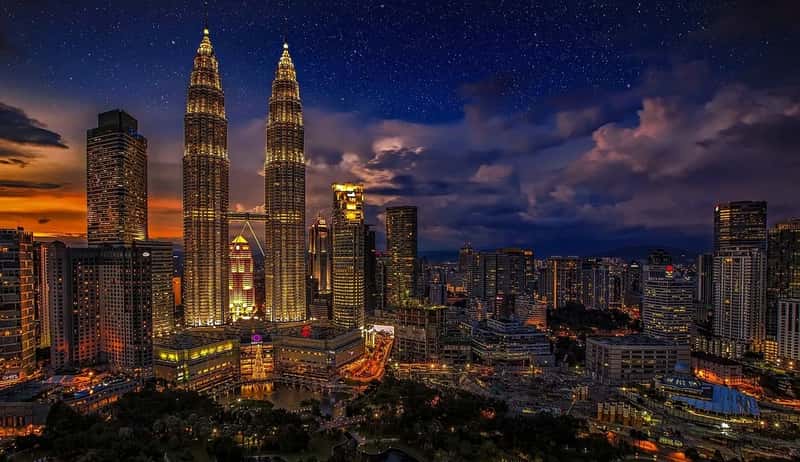
Southeast Asia tends to get overshadowed by Singapore when passport talk comes up, but Malaysia deserves its own spotlight. Malaysia ranks ninth on the index, which is based on exclusive data from the International Air Transport Association. Later in 2026 it climbed even further.
The passport is ranked 6th globally on the 2026 Henley Passport Index and 3rd on the Passport Index by Arton Capital, making it the second-strongest passport in all of Southeast Asia and the second-highest among Muslim-majority countries, right behind the UAE. Travelers do need to keep one new wrinkle in mind, since starting in late 2026, Malaysian travelers will need to register for ETIAS before entering any Schengen country, though that does not remove the underlying visa-free status.
Kosovo
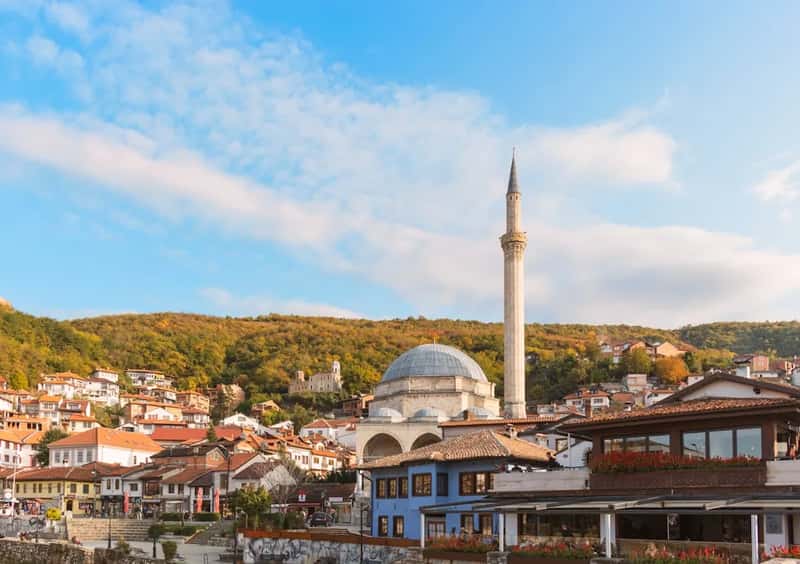
Kosovo is not even recognized by every member of the United Nations, yet its passport has quietly become one of the fastest risers on the planet. Over the past decade, Kosovo has seen the biggest rise in the ranking of any country, up 38 places, from 97th to 59th since 2016, with access to an additional 43 destinations.
That kind of movement is almost unheard of for a country still building its diplomatic infrastructure from scratch. Kosovo’s passport story is really a story about persistence, a small nation methodically negotiating visa waivers one country at a time until the numbers finally started adding up.
Chile

Latin America rarely features prominently in passport power conversations, but Chile is the exception that keeps proving the rule. According to mobility data compiled across major indices, Chile sits at rank 14 with 174 destinations accessible visa-free, putting it well ahead of most of its regional neighbors.
Chile’s mobility edge traces back to decades of stable governance and consistent trade diplomacy, factors that rarely make headlines but matter enormously when foreign ministries decide who gets waived through customs. It is the kind of quiet consistency that does not generate viral headlines but pays off steadily over the years.
Seychelles
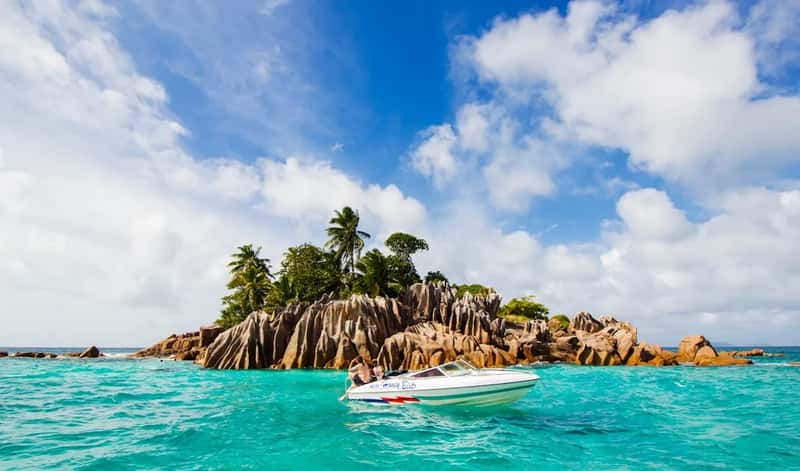
With a population under 100,000, Seychelles is easy to overlook on any global list. Yet its passport holders enjoy a travel footprint that dwarfs countries many times its size. As of 2026, Seychellois citizens have visa-free or visa on arrival access to 154 countries and territories, such as Russia, China, the United Kingdom and South Korea, ranking the passport 22nd in terms of travel freedom, and the best ranking African country.
That combination of access, including major powers that keep tight visa controls on most of the world, is genuinely rare. It puts a tiny Indian Ocean archipelago in company usually reserved for far larger, wealthier nations.
Mauritius

Mauritius sits right behind its neighbor Seychelles in the African mobility rankings, and the gap between them is thin. As of 2026, Mauritian citizens have visa-free or visa on arrival access to 147 countries and territories, ranking the passport 25th in the world in terms of travel freedom, tied with Grenada, and 2nd in Africa.
What makes Mauritius stand out even more is the exclusivity of certain destinations on that list. As of April 2019, Brunei, Grenada, Seychelles and Mauritius are the only countries whose citizens may travel without a visa to China, Russia, the Schengen Area and the United Kingdom. That is an unusually small club, and Mauritius earned its seat through decades of steady, low-drama diplomacy rather than any single dramatic policy shift.
Brunei
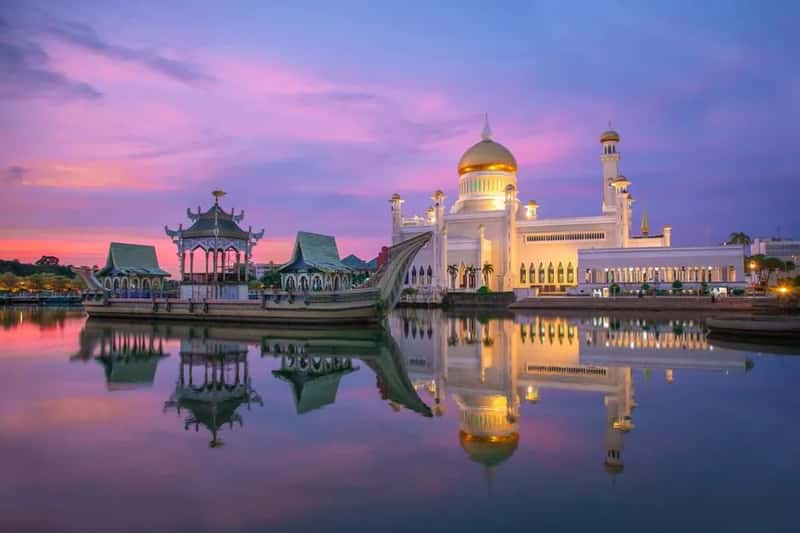
Brunei rounds out that same exclusive club mentioned above, and its overall numbers back up the reputation. As of 2026, Bruneian citizens have visa-free or visa on arrival access to 163 countries and territories, ranking the Bruneian passport 17th in the world according to the Henley Passport Index.
For a sultanate of roughly 450,000 people perched on the island of Borneo, that ranking places Brunei ahead of many countries with far larger populations and much bigger diplomatic corps. Oil wealth and careful, low-profile foreign policy over several decades appear to have paid quiet dividends in the form of open doors abroad.