Global obesity headlines almost always point in one direction: rising numbers, ballooning health costs, and countries where more than a third of adults now qualify as obese. Less attention goes to the opposite end of the spectrum, where a small cluster of nations keep adult obesity in the low single digits year after year.
That list is worth a closer look, not because it hands over a universal blueprint for weight control, but because the reasons behind these low numbers are more layered than a quick glance suggests. Some come from centuries-old food traditions built around vegetables, fish, and small portions. Others are tied just as much to income and food scarcity as they are to healthy eating.
Vietnam
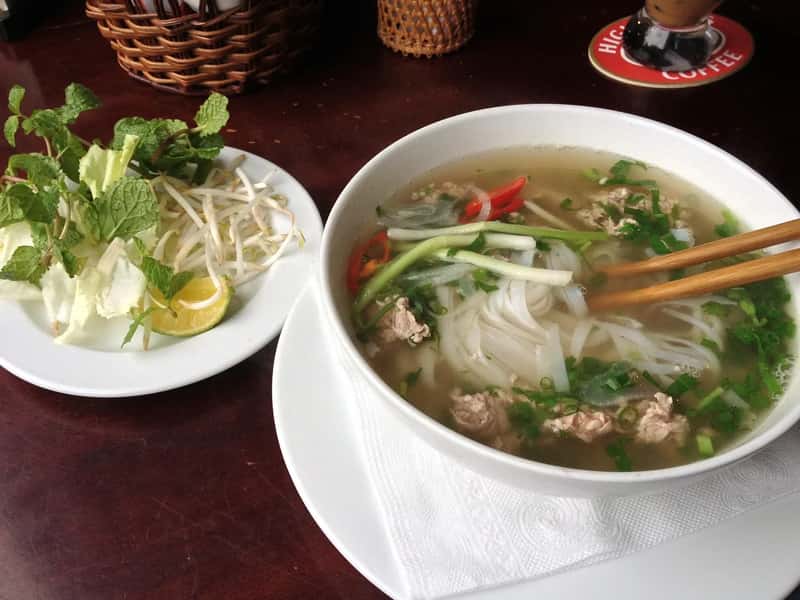
Vietnam consistently tops global rankings for the lowest adult obesity rate anywhere on earth. A 2026 dataset from CEOWORLD magazine put the figure at just a small cluster of countries still report adult obesity rates below 5%, with Vietnam at just 1.72% – the lowest globally, while earlier estimates from World Population Review placed it closer to two percent, still describing the country as one of the thinnest countries, with a diet low in fat and high in vegetables.
The traditional Vietnamese table leans heavily on rice, fresh herbs, and fish rather than red meat or fried food. Fish is the most common protein in the Vietnamese diet, prepared steamed, sauteed, or fried, and cooking methods keep fat content modest since very small amounts of oil are used, with most flavor coming from fresh vegetables and herbs rather than heavy, creamy sauces. Meals are typically built around broths, fresh wraps, and stir fries rather than dense, calorie heavy dishes, though researchers note the picture shifts once Vietnamese families move abroad and start eating more meat and sugar.
Japan

Japan’s obesity rate looks strikingly low by international standards, though the exact figure depends on which yardstick is used. Using the World Health Organization’s standard threshold, while countries like the United States report adult obesity rates exceeding 40%, the comparable rate in Japan remains below 5%, even though Japan itself applies a stricter domestic definition that captures a wider share of the population at risk for metabolic disease.
The country’s food culture centers on a principle called ichiju sansai, meaning one soup and three dishes, built around miso soup, pickles or vegetable dishes, fish or meat dishes, egg or soy products, and a bowl of steamed rice. Meals lean on steamed rice, fish, tofu, seaweed, pickled and fresh vegetables, and modest portions of meat or eggs, with little reliance on heavy sauces or added sugars, and the cultural habit of eating until only mostly full, known as hara hachi bu, reinforces portion control without any formal dieting involved.
South Korea
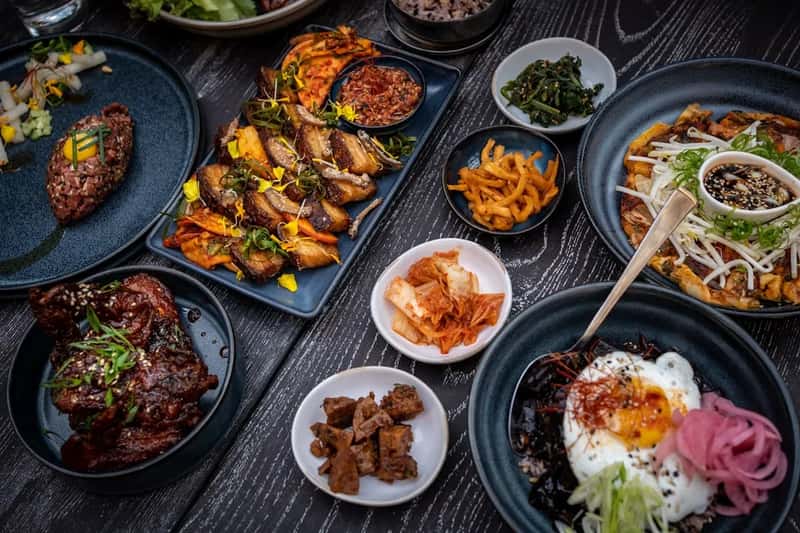
South Korea regularly ranks near the bottom of OECD obesity tables. One widely cited figure puts South Korea’s adult obesity rate as one of the lowest among OECD members, at 5.9%, a number that has held remarkably steady even as fast food chains and Western style snacking have spread through Seoul and other cities.
Traditional Korean meals, known as hansik, follow a rice table format built around a bowl of rice, a soup or stew, and anywhere from three to twelve small side dishes called banchan, with an emphasis on proportionally high consumption of fresh or cooked vegetables, moderate to high consumption of legumes and fish, and low consumption of red meat. Kimchi, the fermented cabbage or radish dish served at nearly every meal, has drawn particular research interest since Korean men who consumed the most cabbage kimchi had a 10% reduced chance of developing both obesity and abdominal obesity in one large cohort study.
Ethiopia
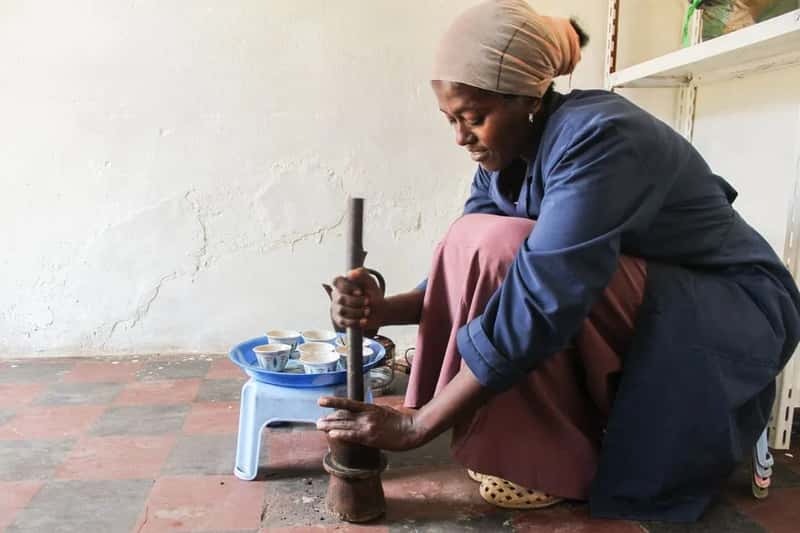
Ethiopia sits among the countries with the lowest obesity figures anywhere, with recent estimates placing the rate at 3.14%. That number carries an important caveat, though, since it is closely tied to widespread food insecurity rather than purely healthy eating habits, as the country records very low levels of obesity, mostly associated with high rates of undernutrition in rural areas, with lack of proper food and poverty contributing to the low obesity rate.
The national staple, injera, is a fermented flatbread made from teff, a grain that is naturally gluten free, high in protein, fiber, iron, and Vitamin B6. It is typically served alongside wot, a stew of lentils, pulses, spices, and red pepper, and many households eat largely plant based meals on fasting days observed by the country’s Orthodox Christian majority, further limiting meat and dairy intake.
Timor Leste
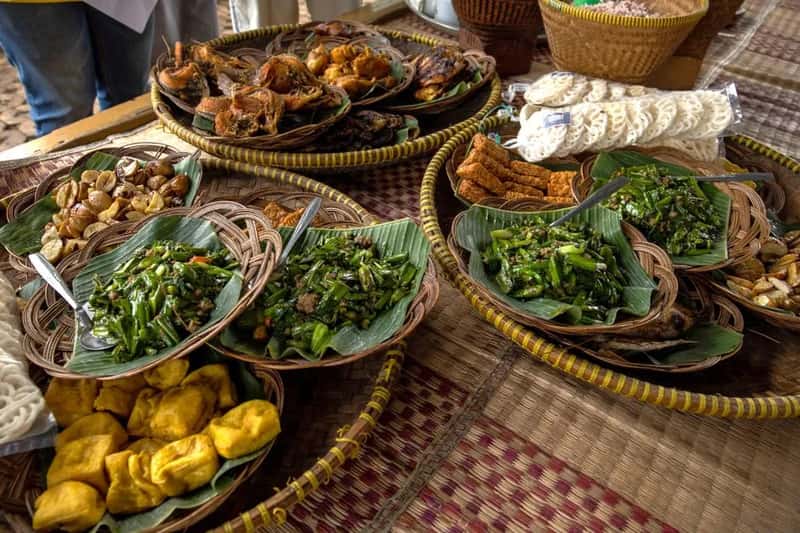
This small Southeast Asian nation has climbed toward the very top of the low obesity rankings, with a 2026 estimate putting the figure at 2.45%, trailing only Vietnam. It is one of several countries where the broader pattern holds true, since analysts note that countries with the lowest adult obesity rates are primarily located in Asia and Africa, driven by traditional diets, lower processed food consumption, poverty, and more.
Daily meals in Timor Leste typically revolve around rice, corn, and cassava, supplemented by fish along the coast and foraged greens inland. Livestock and dairy play a smaller role than in wealthier economies, partly because subsistence farming still supports a large share of households. The result is a diet that is calorie modest almost by necessity, shaped as much by limited food access as by any deliberate health strategy.
Rwanda
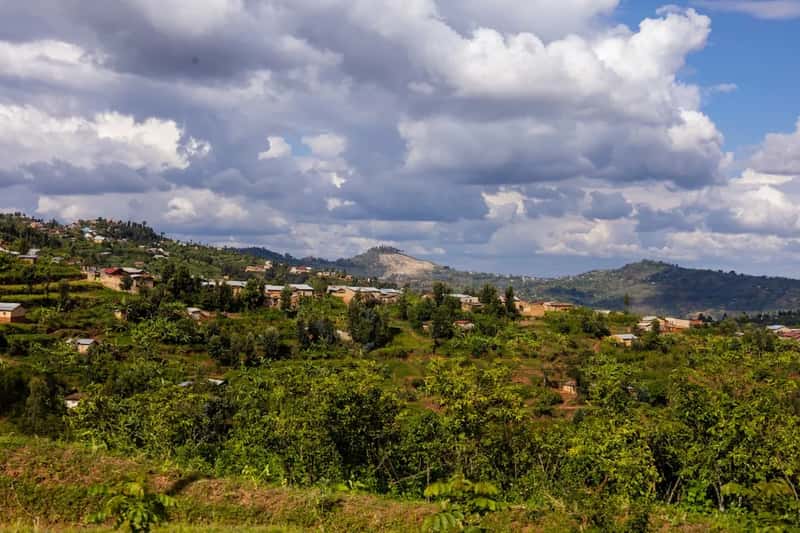
Rwanda appears in the same low obesity cluster as several other East African nations, with 2026 estimates placing it between roughly 3.7% and 4.7% alongside Cambodia, Madagascar, and Bangladesh. As with its regional neighbors, the figure reflects a food system still centered on farming and subsistence agriculture rather than industrialized food production.
Everyday meals commonly feature matoke, a cooking banana or plantain dish, alongside beans, sweet potatoes, cassava, and sorghum. Meat and dairy appear in smaller quantities than in higher income countries, and much of the population still engages in physically demanding agricultural work. Together these factors keep average caloric intake and obesity prevalence low, even as urban areas begin to see slow shifts toward processed food.
Bangladesh
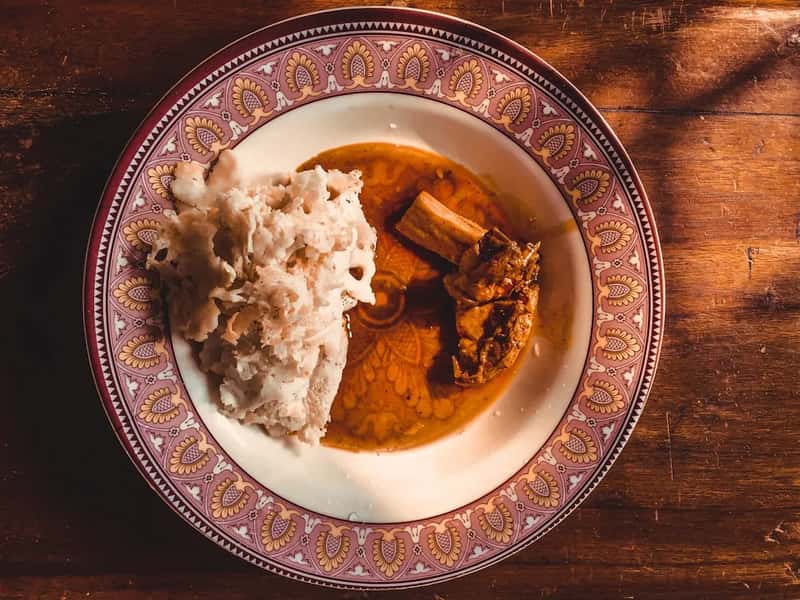
Bangladesh rounds out this group of nations with adult obesity rates clustered in the same narrow band, roughly between 3.7% and 4.7% according to recent country level data. As one of the more densely populated nations on this list, it offers a useful contrast to island and rural economies, since urban crowding has not translated into the same obesity surge seen elsewhere in South Asia.
Rice and lentils, known locally as dal, form the backbone of most meals, typically rounded out with fish, seasonal vegetables, and modest amounts of meat. Cooking oil use tends to be lighter than in many Western diets, and portions are often shaped by household budgets as much as by nutritional planning. Rising incomes and urban fast food culture are beginning to nudge these patterns, though the shift so far has been gradual rather than dramatic.
The bigger picture behind the numbers
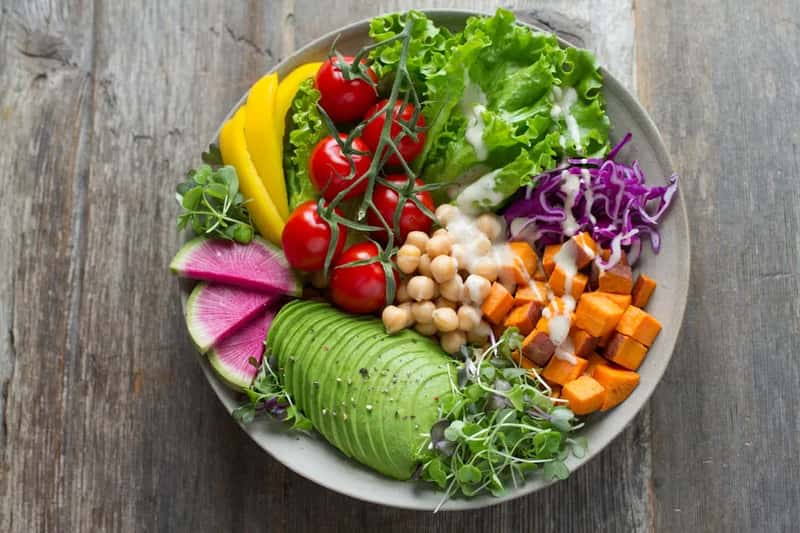
Taken together, these seven countries tell two different stories rather than one tidy lesson. Japan, South Korea, and Vietnam point toward genuinely protective eating patterns built around vegetables, fish, fermentation, and small portions, habits that have held up even as fast food chains expand into their cities. Ethiopia, Timor Leste, Rwanda, and Bangladesh tell a more complicated story, where low obesity sits alongside food insecurity and limited healthcare capacity rather than a deliberate wellness strategy.
That distinction matters for anyone tempted to copy a single diet as a fix for weight. The healthier takeaway may simply be that vegetables, modest portions, fermented foods, and minimal reliance on processed snacks tend to show up again and again wherever obesity stays low, regardless of which country the plate comes from.