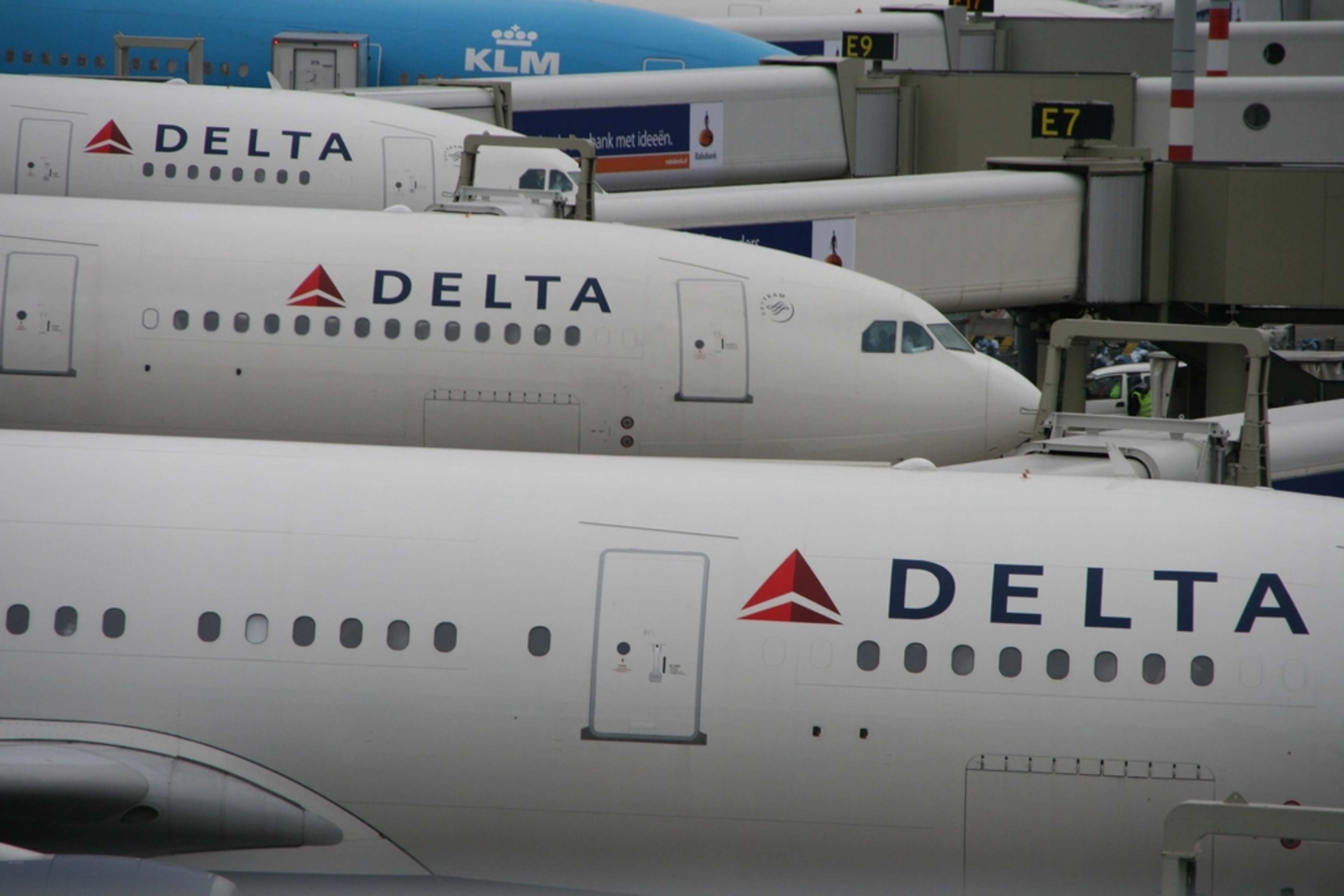
Travel across Europe today and you will notice something curious. In many countries where English has no official status at all, it gets spoken with a fluency that rivals native speakers in some English-speaking nations. That is not a coincidence but the result of decades of language education policy, media habits, and a continent that treats English as a practical second language rather than a foreign one.
Each year, EF Education First publishes its English Proficiency Index, a data set built from millions of test takers, and the results consistently point to a cluster of European countries at the very top. Here are seven places where English has become part of everyday life, not just a subject taught in school.
The Netherlands
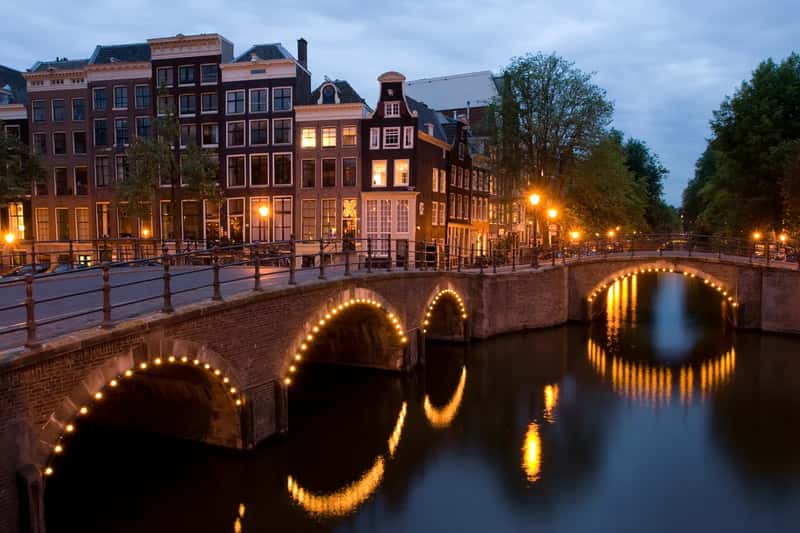
The Netherlands has held the top global spot in the EF English Proficiency Index for years, and the 2025 edition confirms it once again. The Netherlands remains number one, followed by Croatia and Austria, both of which improved their rankings. Dutch schools introduce English early, often before secondary school even begins, and Dutch television rarely dubs foreign content, which keeps residents constantly exposed to the language.
Walk through Amsterdam, Rotterdam, or even smaller towns like Utrecht, and switching to English with a shopkeeper or train conductor barely raises an eyebrow. Business, academia, and tech sectors in the Netherlands operate heavily in English, especially in international companies and universities offering English-taught degree programs. It is a country where bilingualism feels less like a skill and more like a default setting.
Croatia
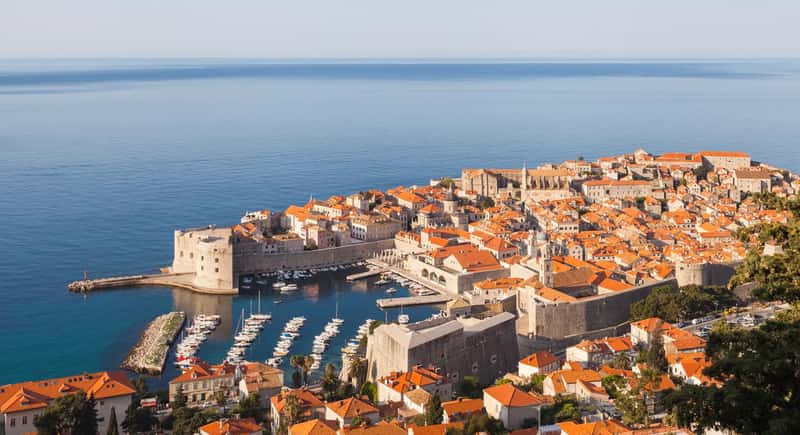
Croatia’s rise in English proficiency has been one of the more notable shifts in recent index editions. Croatia ranks second among 123 countries and regions with a score of 617. Much of this comes down to tourism, since Croatia’s economy leans heavily on visitors from Britain, Germany, and Scandinavia, all of whom expect service staff to communicate in English.
Coastal cities like Dubrovnik and Split have adapted quickly, with younger generations picking up English through subtitled television, music, and increasingly through university programs conducted partly in English. It’s a smaller country making an outsized impact on the rankings, and it shows how tourism-driven economies can accelerate language learning far beyond what classroom instruction alone would achieve.
Austria
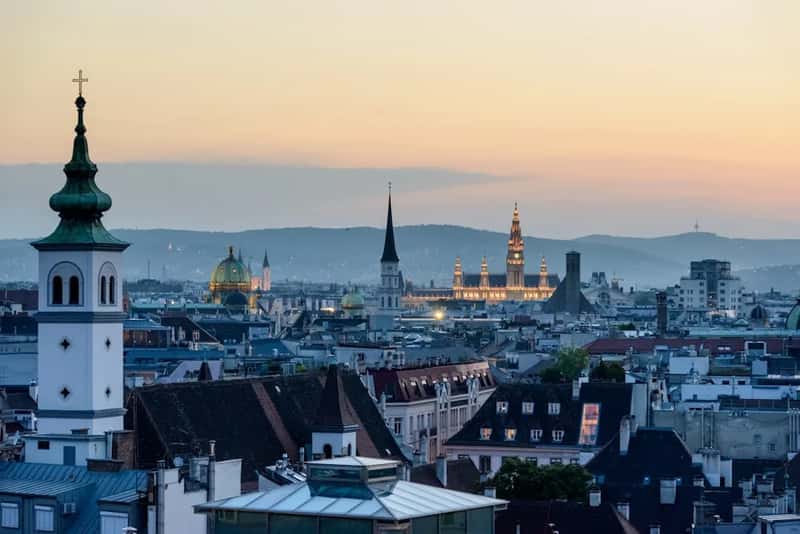
Austria sits comfortably near the top of the European rankings, and its position keeps strengthening. Austria ranks third with a score of 616. Vienna in particular has become something of a hub for international organizations and diplomacy, which naturally raises the bar for English fluency among professionals.
Austrian schools follow a structured foreign language curriculum, and English is compulsory from primary school onward in most regions. There are many opportunities for study and practice, as well as the influence of English media on everyday life. The result is a population that moves between German and English with relative ease, particularly in urban centers and academic settings.
Germany

Germany’s climb up the rankings has been one of the sharper moves in the 2025 index. Germany climbed to fourth place with one of the biggest gains in Europe. That jump reflects a broader trend across German-speaking Europe, where English has become the working language of tech startups, research institutions, and multinational corporations headquartered in cities like Berlin and Munich.
German universities have also expanded English-taught master’s programs significantly over the past decade, drawing international students and pushing local students toward fluency as a competitive necessity. Add in a culture that rarely dubs streaming content aimed at younger audiences, and you get a generation far more comfortable with English than their grandparents ever were.
Norway
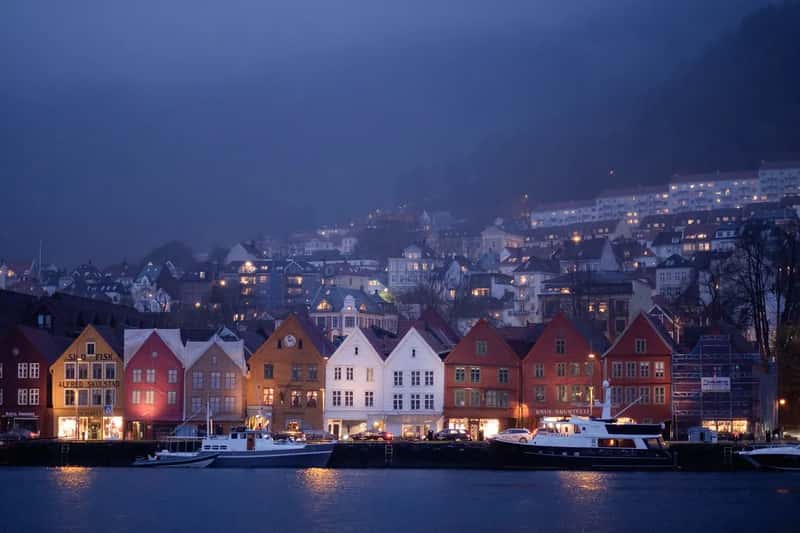
Norway’s English proficiency has remained remarkably consistent over the years, always sitting near the very top of the global index. Norway ranks fifth with a score of 613. Norwegian television and film distribution rarely bothers with dubbing, so children grow up watching English-language content with subtitles rather than translated voiceovers.
That early exposure compounds over time, especially combined with an education system that treats English as a near second language rather than an elective. Norway and Sweden are countries where dubbing is not developed, and residents watch most TV series and films in the original language. By adulthood, most Norwegians can hold a fluent conversation in English without much hesitation, whether in Oslo or in smaller fishing towns along the coast.
Portugal

Portugal has quietly become one of Europe’s stronger English-speaking nations, driven partly by tourism and partly by a booming tech sector. Portugal ranks sixth with a score of 612. Lisbon’s growing startup scene has attracted international talent, and English has become something close to a working requirement in that ecosystem.
Portugal’s skill breakdown showed a strong reading score alongside a solid listening score, figures that outpace several countries where English is a constitutionally recognized language. Younger Portuguese professionals in particular tend to speak English with confidence, a shift shaped by years of tourism demand along the Algarve coast and Lisbon’s push to attract remote workers and foreign investment.
Denmark
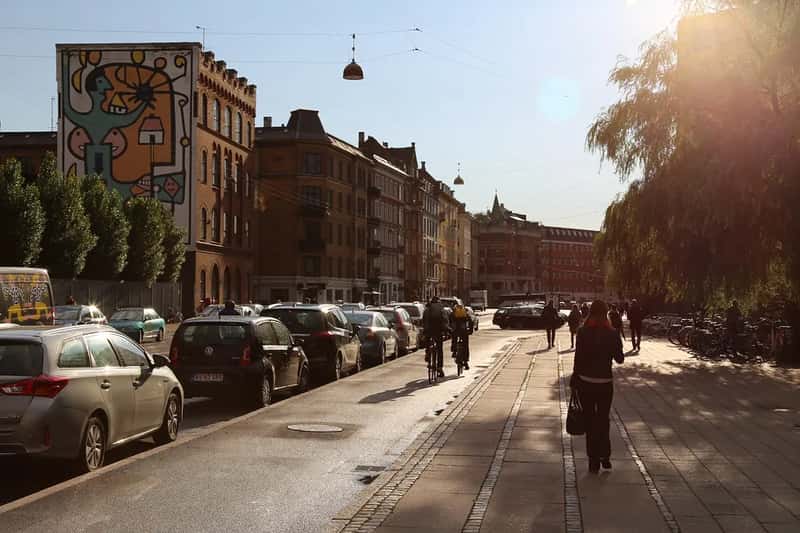
Denmark rounds out this list with a proficiency score that keeps it firmly in the “very high” category year after year. Denmark ranks seventh with a score of 611. Danish media culture leans heavily on English-language content, and Denmark came in seventh globally, edging out fellow Nordic neighbors Sweden and Norway by a slim margin.
Danish children typically start learning English around age nine or ten, but exposure through music, gaming, and streaming often begins much earlier. Most Danes have been learning English since early childhood. Copenhagen, in particular, functions almost bilingually for many everyday interactions, from restaurants to public transportation.
What ties these countries together

None of these seven countries treat English as a distant, purely academic subject. Instead, it gets absorbed through subtitled television, international business dealings, tourism demands, and education systems that introduce the language early and reinforce it constantly. European countries made up all nine countries with English proficiency scores in the very high category in recent global rankings, underscoring just how concentrated this strength is on the continent.
What’s interesting is that none of these nations have English as an official language, yet their populations often communicate more fluently than residents of some countries where English carries official status. It speaks to how proximity, media habits, and deliberate education policy can outweigh formal linguistic status when it comes to real-world fluency.