In a year when global military spending hit record highs and conflict deaths climbed to levels not seen in decades, a small cluster of nations continues to stand apart. They are not immune to the world’s troubles, but something in how they govern, police, and organize society keeps them consistently out of harm’s way.
Every year, the Institute for Economics and Peace publishes the Global Peace Index, a study built on 23 separate indicators covering safety, conflict, and militarization. The 2026 edition, released this June, paints a familiar picture at the top of the list even as the rest of the rankings shift under the weight of new wars and rising tension.
1. Iceland: the island with no army and two decades of calm
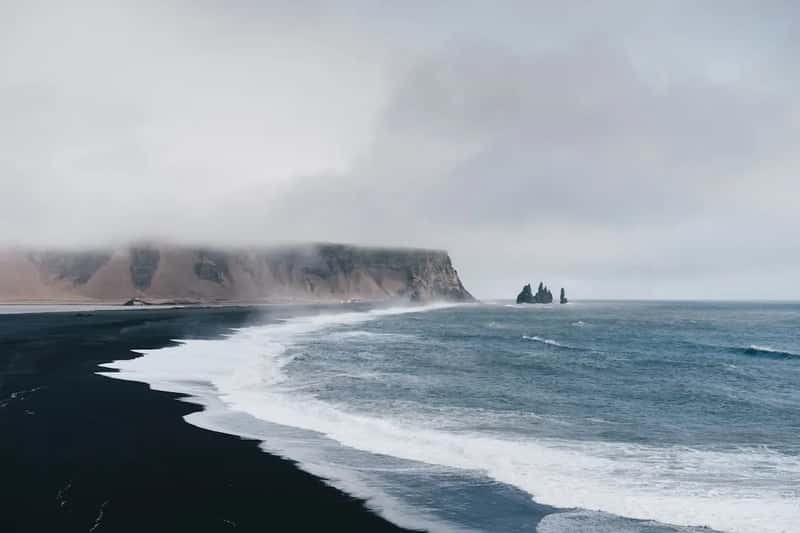
Iceland has topped the Global Peace Index every single year since the ranking began, and the 2026 report extends that streak to nineteen consecutive years. This year’s ranking shows that Iceland secured the top position for the 19th consecutive year with a score of 1.161. That kind of consistency is rare in any global ranking, let alone one measuring something as fluid as peace.
The reasons behind Iceland’s position are structural rather than accidental. For the last two decades, Iceland has been the most peaceful country on earth underpinned by the absence of a standing military, very low crime rates, and strong social cohesion. In the latest report, Iceland advanced further, recording an improvement in peacefulness of two per cent over the past year, with the Safety and Security domain improving by four per cent, driven by a 42.9 per cent improvement in the violent demonstrations indicator. A population of under 400,000, geographic isolation, and a tightly knit society all help, but so does a genuine lack of appetite for confrontation, domestic or otherwise.
2. New Zealand: distance, discipline, and a shrinking defense footprint
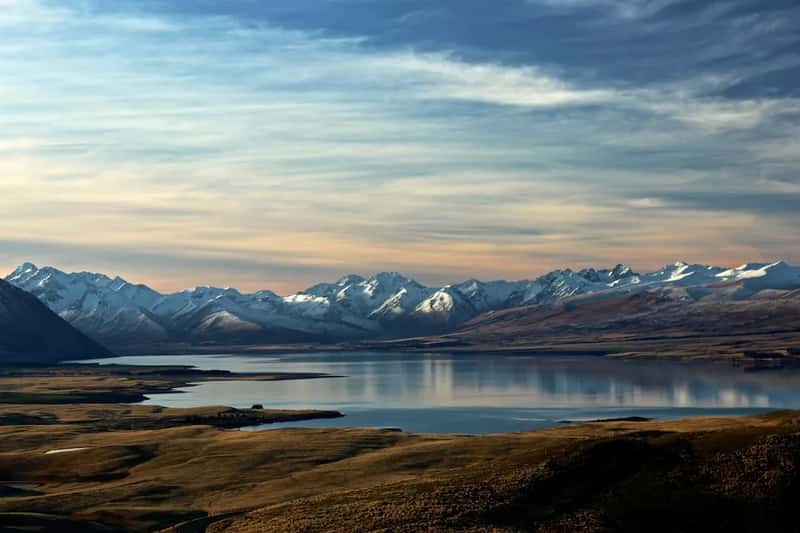
New Zealand holds second place globally and remains the clear leader across the entire Asia-Pacific region. New Zealand ranks second globally and remains the most peaceful country in the Asia-Pacific region, a position it has held for several years. Its geographic remoteness plays a role, but so does deliberate policy.
The country actually improved its score this year rather than merely holding steady. New Zealand recorded a slight improvement in peacefulness over the past year, with its overall score improving by 0.4 per cent, driven by the Militarisation domain, which improved by 3.3 per cent, owing to a decrease in weapons imports. It also continues to lead its region on conflict-related measures. New Zealand continues to rank among the top countries globally on the Ongoing Conflict and Safety and Security domains and has the lowest Ongoing Conflict score of any country in the Asia-Pacific region. Around 5.2 million people live there, spread across a landmass roughly the size of the United Kingdom, which keeps population pressure and the friction that often comes with it relatively low.
3. Switzerland: neutrality as a national strategy, not just a slogan
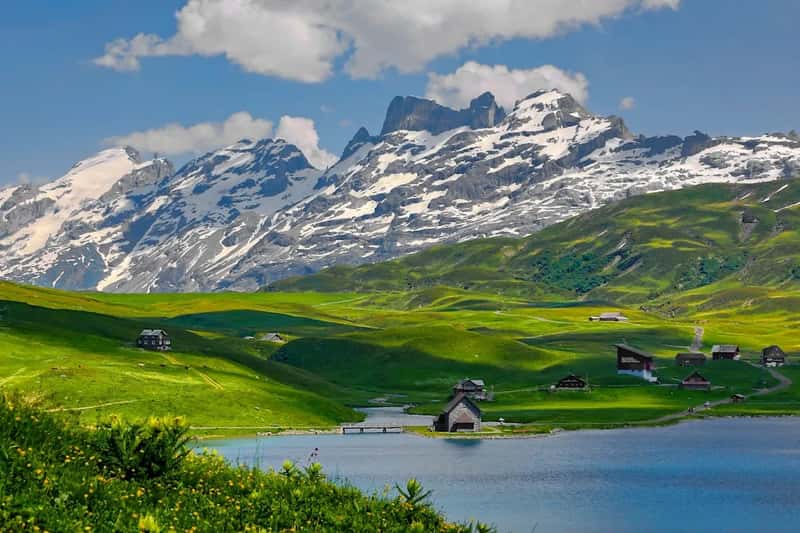
Switzerland ranks third in 2026, a position it has occupied with remarkable steadiness for years. Switzerland has been ranked as the third most peaceful country in the world in the Global Peace Index 2026, scoring highly with an overall GPI score of 1,363, despite dropping one place in the ranking compared to 2025. The country’s reputation for staying out of other people’s fights is not new. Its policy of armed neutrality, formalized in the nineteenth century, has kept it out of both world wars and shaped its identity ever since.
The breakdown of Switzerland’s score shows a country that excels in some areas while lagging in others. The alpine nation scores more peaceful when it comes to political instability, the political terror scale, deaths from internal and external conflicts, the number of refugees, relations with neighbouring countries and the number of internal conflicts, while scoring less peaceful for the number of police per 100,000 people, access to small arms and light weapons, violent demonstrations and weapons exports. That mixed profile is a reminder that even the most peaceful countries have rough edges the index picks up on.
4. Slovenia: Europe’s quiet climber
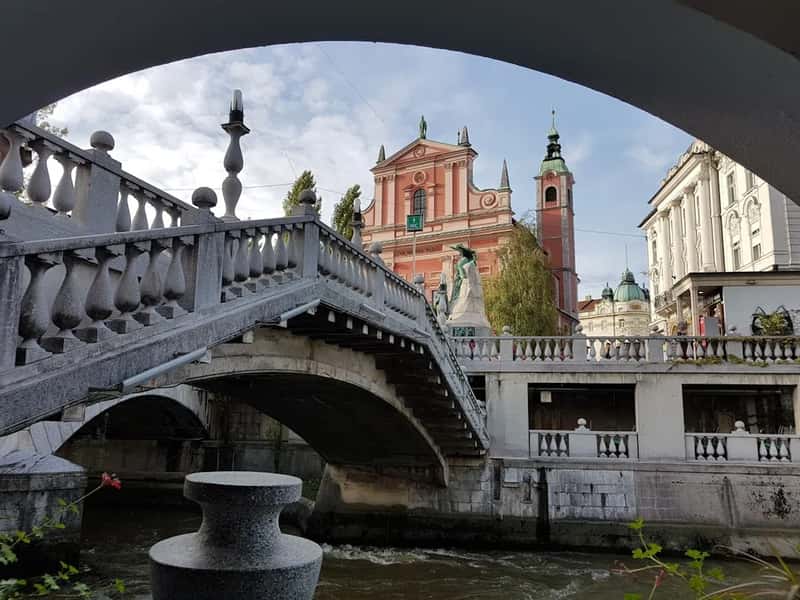
Slovenia has been steadily working its way up the rankings and now sits fourth globally, having risen two places since the previous year. Slovenia ranks fourth globally, rising two places, and recorded an improvement of 0.032 points in its overall score, driven by the Safety and Security domain. The country has improved steadily in the rankings over several years and continues to be one of the strongest performers within Western and Central Europe. It is a small country of around two million people, tucked between the Alps and the Adriatic.
Beyond the statistics, Slovenia’s capital has earned a reputation of its own. Slovenia climbs two places to fourth, emerging as one of the list’s most underrated countries, tucked between Austria and Croatia, steadily gaining recognition as both a peaceful and visually compelling European destination. Ljubljana in particular draws attention for its calm, walkable atmosphere, a small but telling detail in a country that rarely makes international headlines for the wrong reasons.
5. Ireland: warmth backed by hard numbers
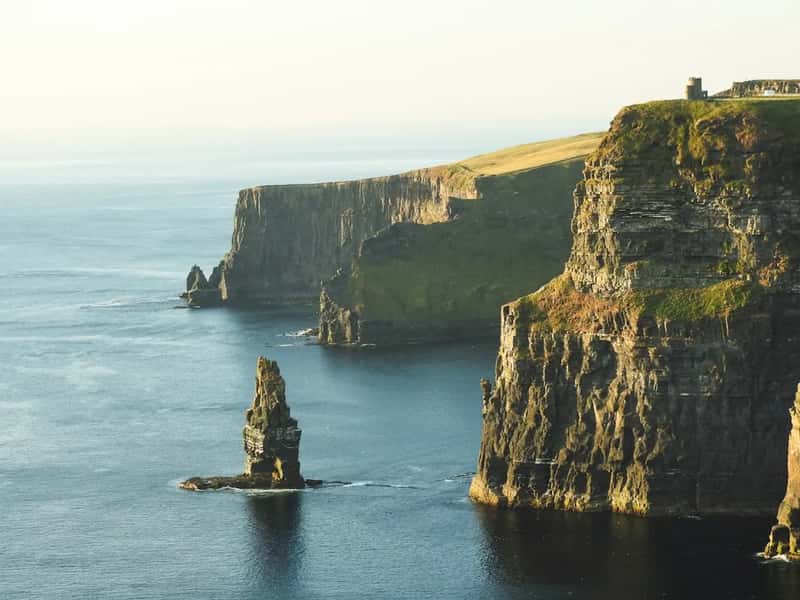
Ireland sits fifth on the 2026 list, a ranking that matches its long-standing reputation for hospitality with genuinely strong peace indicators. Ireland takes fifth place, combining a well-earned reputation for warmth and hospitality with consistently strong peace indicators, meaning the figures reflect what visitors have long experienced on the ground. That alignment between perception and data is not something every country on this list can claim.
Ireland’s core strength lies in how little internal or external conflict it registers. Ireland recorded a marginal deterioration over the past year, but continues to perform strongly on the Ongoing Conflict domain, with very low levels of internal and external conflict. Its policy of military neutrality, combined with a stable democracy and relatively low crime, has kept it near the top of the index for years, making it one of the more dependable entries on this list.
6. Austria: alpine stability with a small crack showing
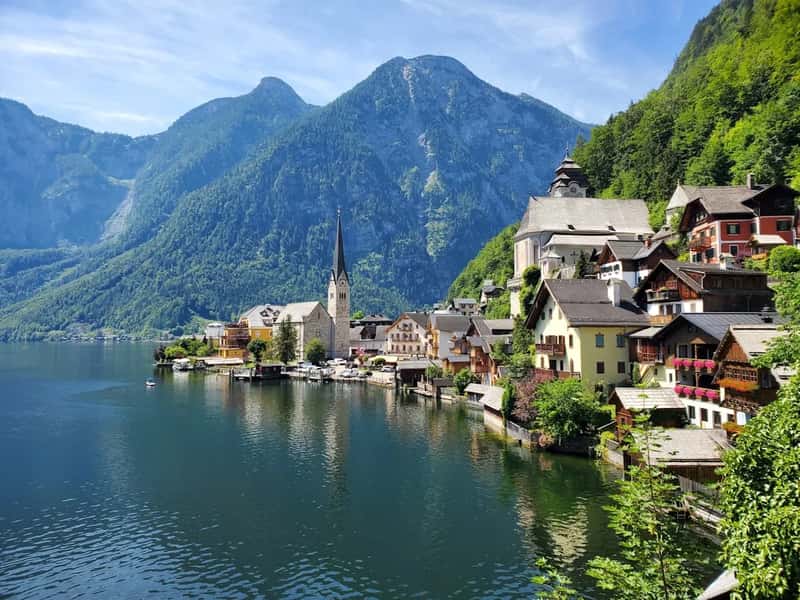
Austria holds sixth place in 2026, a position it earns through a combination of political stability, low crime, and strong civil institutions. Austria ranks sixth globally, despite a slight deterioration over the past year. The country’s overall profile remains strong, but not without a notable weak spot this year.
That weak spot involves terrorism impact, an indicator that saw a real setback. Of the 23 GPI indicators, the terrorism impact indicator recorded a deterioration, contributing to a worsening on the Safety and Security domain, and Austria’s terrorism impact indicator recorded one of the largest country-level deteriorations on that indicator over the past year. Even so, the broader picture remains one of resilience. Austria ranks sixth because of its cultural richness, Alpine landscapes and high level of national stability, and now formally sits among the most peaceful countries worldwide.
7. Portugal: neutrality, healthcare, and a near-total absence of militarization
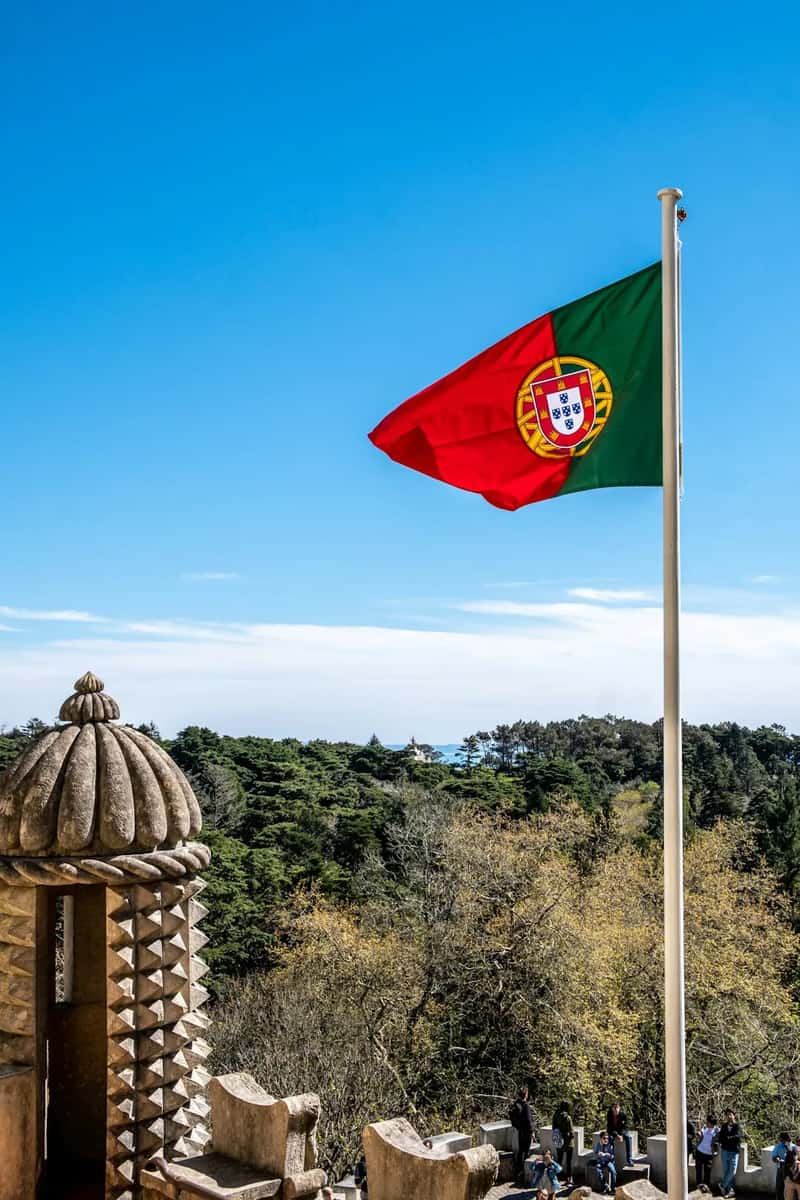
Portugal rounds out the top seven, and it does so with one particularly striking statistic. Portugal ranks seventh and stands out for its militarization, ranking as the second-least militarized country globally after Iceland. That is a notable distinction in a year when defense budgets are rising almost everywhere else.
Portugal’s calm is also rooted in history and social policy rather than luck. The enduring peacefulness is rooted in a long history of neutrality, stable governance, and strong social cohesion, with government leaders keeping it among the safest countries on the continent by placing citizens’ well-being at the forefront, including universal healthcare available to all residents. Combined with its coastal geography and relatively small population, Portugal has built a version of stability that has held steady even as neighboring regions face more turbulence.
The bigger picture: a shrinking club in a less peaceful world
What makes these seven countries stand out is not just their individual scores but the company they keep. Western and Central Europe remains the most peaceful region in the world, home to seven of the world’s 10 most peaceful countries, standing apart from the broader global trajectory in which 99 of 163 countries deteriorated in peacefulness. That regional concentration is not new, but it has become more pronounced as instability spreads elsewhere.
The contrast with the rest of the world is stark. The 2026 Global Peace Index reveals a world struggling with the economic consequences of a record-high number of conflicts that are increasingly interconnected and difficult to resolve. Global conflict deaths, military spending, and the sheer number of countries drawn into external conflicts have all climbed to historic levels, which makes the calm sustained by these seven nations feel less like a given and more like an achievement worth understanding.
Final thoughts
None of these seven countries are flawless, and the index itself has known limitations, sometimes rewarding small, isolated nations while missing nuances in larger, more complex ones. Still, the pattern across Iceland, New Zealand, Switzerland, Slovenia, Ireland, Austria, and Portugal is hard to dismiss: low militarization, strong institutions, and a general absence of both internal unrest and foreign entanglement. In a year defined by rising global tension, that combination looks less like luck and more like a deliberate, long-term choice these countries have made and kept making.