When people picture arranged marriage, they often imagine something frozen in time, a custom from a bygone era that has little place in the twenty-first century. The reality looks quite different. Across several countries today, families still play a central role in choosing spouses, whether through formal introductions, matchmakers, or simple parental veto power over a son or daughter’s romantic choices. The practice has not vanished so much as adapted, blending with dating apps, matrimonial websites, and shifting generational attitudes.
What follows is a tour through seven countries where family involved matchmaking still shapes how people find partners in 2026. Some of these nations show the practice declining quickly under the pressure of urbanization and youth independence. Others show it holding remarkably steady, woven so deeply into religious and social structure that it resists the usual forces of modernization.
India
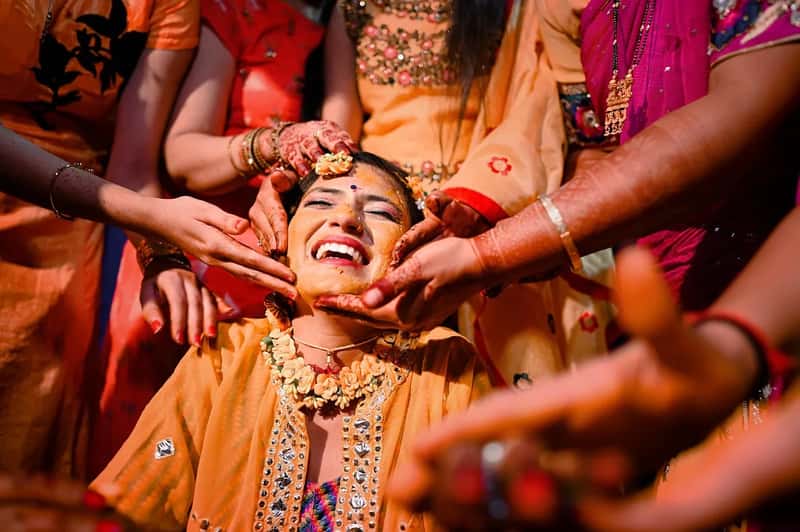
India remains the country most closely associated with arranged marriage in the global imagination, and for good reason. It is estimated that about eighty percent of all marriages across South Asia are arranged by the families of the bride and groom, with many future spouses in India meeting for the first time only after their parents have already made the introduction. It is estimated that 80 percent of all marriages in South Asia are arranged by the bride and groom’s parents, and many future spouses in India have never met one another before they are introduced by their parents.
Yet the picture is shifting faster than many outsiders assume. A wedding industry survey found that the share of Indian couples describing their marriage as arranged fell sharply in just three years. In the last survey that the brand conducted in 2020, 68 per cent of couples revealed that their marriage was arranged, while in the 2023 survey only 44 per cent of couples opted for the option, resulting in a 24 per cent drop. Urban millennials are increasingly choosing partners themselves, even while many still ask parents to formalize the union with a traditional ceremony afterward.
Pakistan
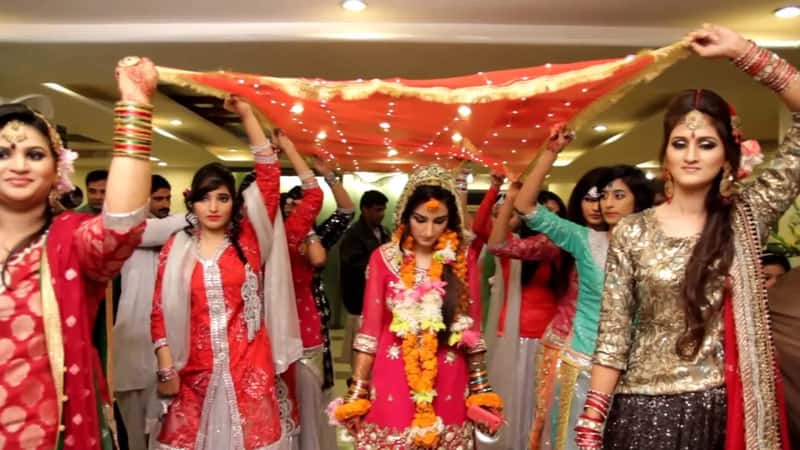
Pakistan shows one of the clearest pictures of how strongly family authority still governs marriage decisions. A Gallup Pakistan survey conducted in the summer of 2024 found that parental will continues to dominate the process for most adults. Parents’ opinion is given the highest priority for marriage in Pakistan, according to a Gallup Pakistan survey of over 500 people conducted between June 28 and July 10, 2024, in which over 85 percent of respondents said they had arranged marriages, while 14 percent said they married of their choice.
The gender gap in that same survey is striking. The percentage of girls among the arranged marriages was high, with 85 percent married on the wishes of their parents, while 77 percent of boys obeyed their parents and 22 percent married of their own free will. Younger Pakistanis do show more independence than their elders, though family consultation remains the norm even among those who eventually choose their own partner.
Bangladesh
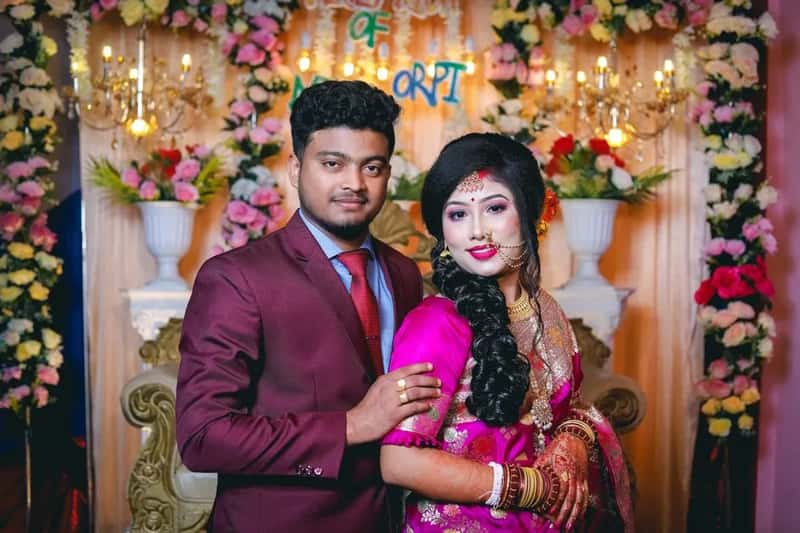
Bangladesh sits alongside its South Asian neighbors in treating marriage as primarily a family matter rather than an individual romantic decision. Demographic survey data compiled from national household interviews indicates that a substantial share of women describe their marriages as arranged by relatives rather than chosen independently. In Bangladesh, 44% of women reported that their marriage was arranged, according to survey data on marital arrangements from 2017 to 2018.
Rural communities tend to lean more heavily on family arrangement than cities do, partly because extended family networks remain the main source of introductions outside urban centers. Matchmaking through aunts, neighbors, and religious leaders still functions as an informal but powerful system. Even as Dhaka’s middle class grows more cosmopolitan, many young Bangladeshis continue to defer final decisions to parents out of respect for family harmony rather than legal obligation.
Nepal
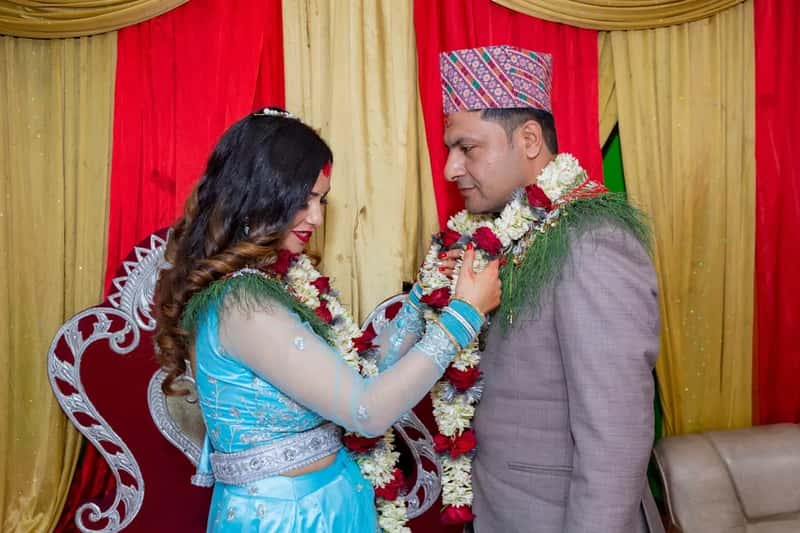
Nepal shows one of the higher rates of family arranged marriage recorded in recent demographic surveys from the region. According to household survey data examining how spouses were chosen, a clear majority of Nepali women describe their union as arranged rather than self selected. In Nepal, 63% of women reported that their marriage was arranged, according to survey data from 2016.
Caste and ethnic identity still shape much of the matchmaking process in Nepal, with families often preferring partners from within the same community or region. Kathmandu’s growing middle class has begun to embrace more choice based courtship, particularly among educated professionals. Still, in the hill villages and rural terai regions that make up much of the country, parents and extended relatives continue to negotiate matches long before the couple involved has much say in the matter.
Afghanistan
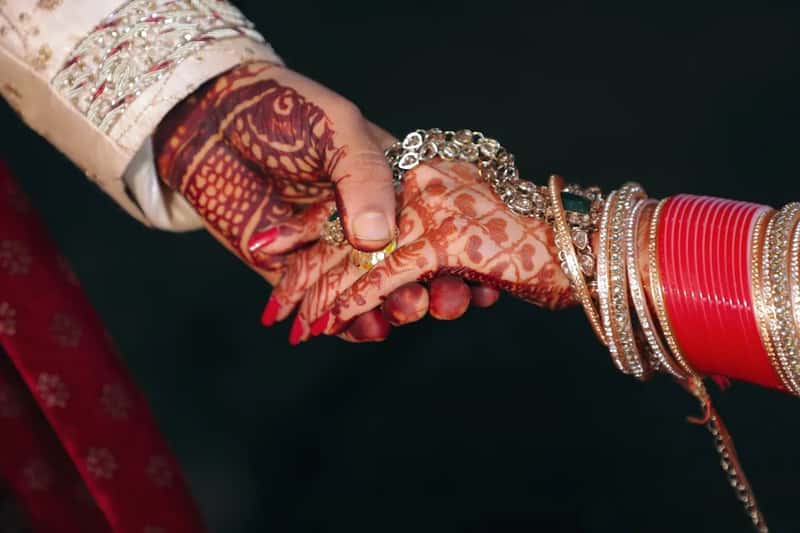
Afghanistan offers one of the starkest examples of marriage functioning as a family and tribal institution rather than a personal choice. Researchers who study Afghan society consistently describe marriage as an agreement between families rather than a confirmation of romantic feeling between two people. Irrespective of kinship group, ethnicity, and geographical region, most marriages in Afghanistan are arranged in the sense that they follow an agreement between families or groups, and the marriage contract is an agreement between two families rather than a confirmation of an emotional relationship between two individuals.
Cousin marriage remains common and even preferred in many communities, reinforcing family ties across generations. Parents often arrange the marriages of their children to ensure the families are compatible, and the relationship between husband and wife is commonly endogamous, with parallel and cross cousin marriages preferred. Humanitarian organizations working in the country note that while some young people do have input into who they marry, others have very little influence over the decision at all, particularly when a match is made to settle a debt or resolve a family dispute.
Saudi Arabia

Saudi Arabia continues to operate one of the more family centered marriage systems in the Gulf region, shaped heavily by the country’s guardianship framework. Marriage contracts traditionally require a male guardian’s involvement, and families on both sides typically negotiate the match well before the couple meets in person. Even as reforms since 2019 have loosened some restrictions on women’s independence in areas like travel and employment, marriage itself still runs largely through family channels rather than open courtship.
Segregated social life in much of the kingdom means young Saudis have historically had fewer opportunities to meet potential partners on their own, which naturally pushed matchmaking toward mothers, aunts, and professional intermediaries. Wealthier and more urban families in cities like Jeddah and Riyadh have begun allowing more input from sons and daughters before a formal proposal is made. Even so, the final decision still tends to rest heavily with parents, and refusing a family sanctioned match remains socially difficult for many young Saudis.
Japan
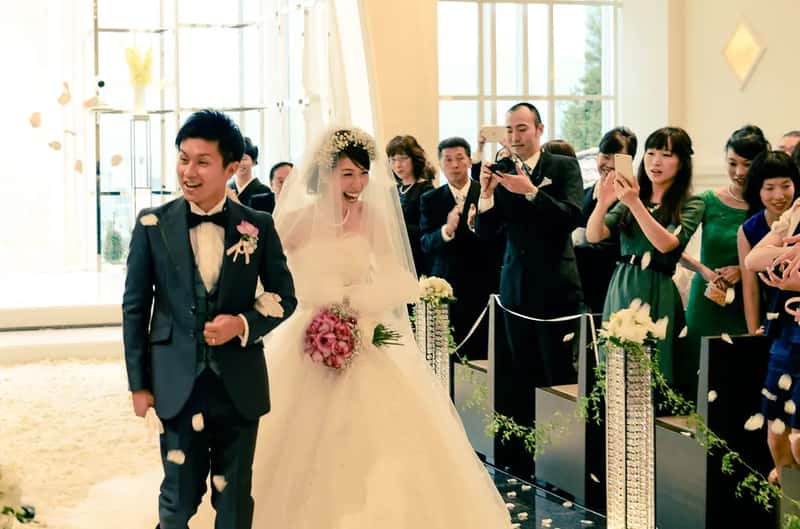
Japan presents a fascinating case of an arranged marriage tradition that has shrunk dramatically without disappearing altogether. Known as omiai, the practice once dominated Japanese matchmaking almost entirely. Until post-war Japan, most Japanese weddings were arranged through omiai, with 69% of couples who got married in 1930 having met through the practice. By the 1960s the figure was still close to that level before beginning its long decline.
Today the practice survives mostly as a niche option rather than a societal expectation. Today only around 5 to 6 percent of marriages in Japan are arranged, though omiai still plays a significant role in Japanese society, especially in rural areas or among more traditional families. It is worth noting that modern omiai is not coercive in the way outsiders sometimes assume. Omiai is sometimes mistranslated as “arranged marriages,” but they’re not involuntary, since either party can simply decline after the introductory meeting arranged by families or a matchmaker.
What These Seven Countries Have in Common

Looking across India, Pakistan, Bangladesh, Nepal, Afghanistan, Saudi Arabia, and Japan, a pattern emerges that has little to do with religion alone and much more to do with how tightly extended family networks remain woven into daily life. In each of these societies, marriage is treated less as a private romantic milestone and more as a family investment that carries social, economic, and sometimes political weight. That framing helps explain why the practice persists even in countries experiencing rapid economic growth and rising education levels among young women.
It also helps explain why the trend lines differ so much from one country to the next. Japan’s omiai has faded into a small niche as dating apps and workplace romance take over, while Pakistan’s arranged marriage rate has barely moved in recent years despite decades of urbanization. Afghanistan and Saudi Arabia show how legal and religious guardianship structures can keep family control over marriage firmly in place, whereas India and Bangladesh reveal a middle ground where love marriages are gaining ground but have not yet overtaken tradition entirely.
Arranged marriage, in the end, is not a single uniform practice but a spectrum that ranges from gentle parental matchmaking to far more rigid family control. The seven countries explored here show that spectrum in vivid detail, proving that even in an age of global dating apps and instant connection, the old instinct to let family guide one of life’s biggest decisions has not gone away. It has simply learned to coexist with the modern world, sometimes uneasily, but rarely disappearing altogether.