Sun loungers by the pool, endless showers after a day at the beach, a jacuzzi with an ocean view. These are the small luxuries that make a vacation feel like a vacation. Yet in a growing number of postcard destinations, the water running through those pipes is becoming scarcer, more expensive, and in some cases, rationed altogether, forcing hotels and local governments to rethink what “all-inclusive” really means.
Bali, Indonesia
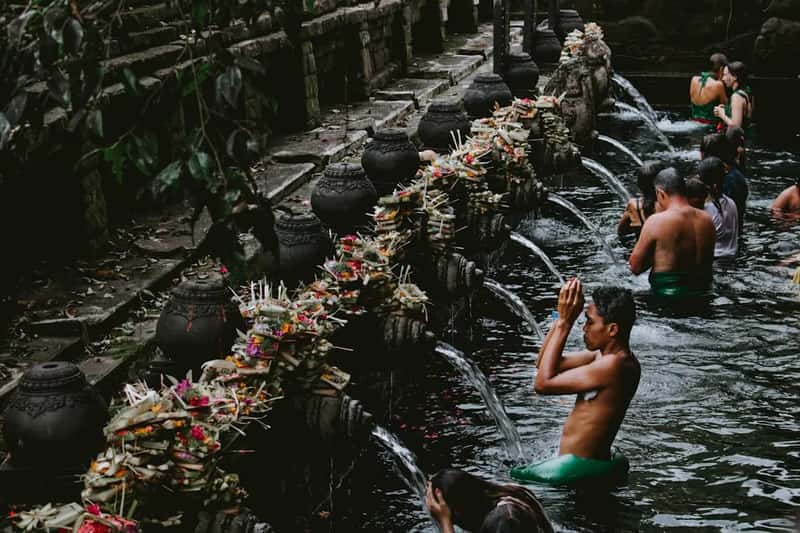
Bali’s water troubles have been building for years, and 2025 brought them into sharper focus. Research on the island’s supply and demand shows that Bali’s water deficit could rise to 7,991 liters per second by 2025, up from 5,952 liters per second in 2021, with around 56 percent of the island’s water currently used by the tourism sector.
The strain isn’t just theoretical for residents either. In Denpasar, the island’s capital, only 51 percent of residents had access to clean piped water from the local utility by the end of 2024, covering roughly 91,346 connections out of an estimated population of 670,210. Groundwater over-extraction to serve villas and resorts has also been linked to saltwater creeping into coastal aquifers, a trend researchers describe as a lasting problem for the island’s freshwater future.
Zanzibar, Tanzania
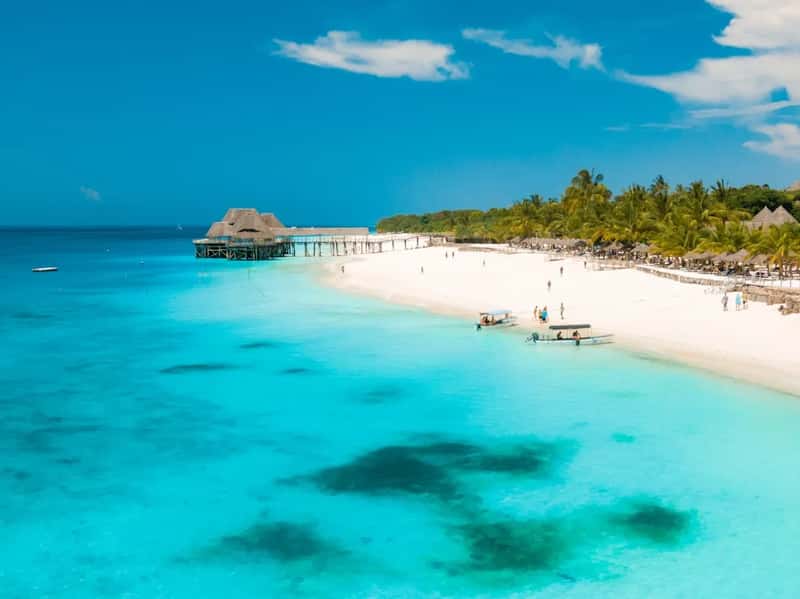
Zanzibar’s turquoise beaches have made it one of East Africa’s fastest-growing tourism markets, but that popularity comes with an uneven cost. According to tourism and water researchers, tourists on the island use up to 15 times more water than local residents, deepening inequalities and straining water supplies.
That gap is largely driven by the same habits seen elsewhere: pools, laundry, and landscaped resort grounds that simply don’t reflect how most Zanzibaris live day to day. Industry-wide, the average tourist consumes three to five times more water than a resident, with long showers, constantly operating pools, lush hotel gardens, and heavy restaurant use pushing demand through the roof during peak months. For an island still building out its water infrastructure, that imbalance is hard to ignore.
The Greek Islands
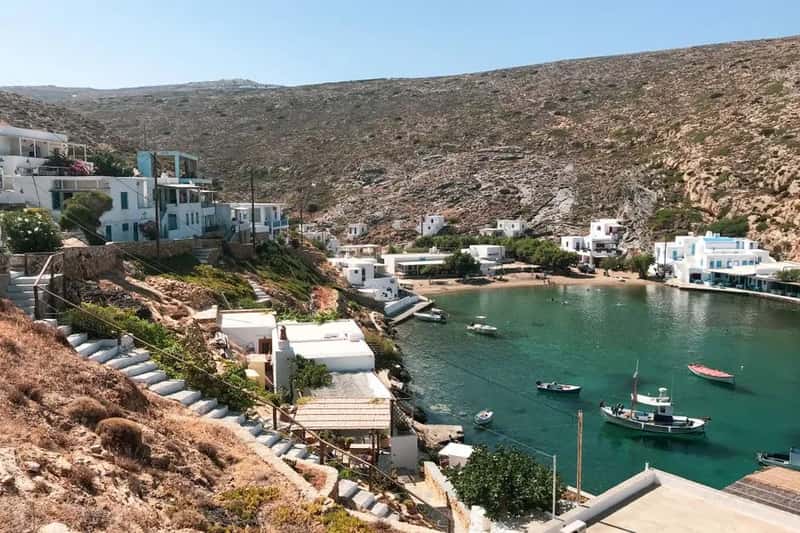
Greece’s Aegean and Cyclades islands rely on rainfall and limited groundwater, and after a series of dry winters, several have reached a breaking point. In 2025, the Greek government approved rules allowing coastal resorts to fill their pools and jacuzzis with seawater in order to protect dwindling freshwater supplies, a sign of how tight the margins have become.
Some properties are already adapting for the long term. A number of eco-conscious boutique stays are planning future builds that skip luxury pools and jacuzzis altogether in favor of underground cisterns designed to harvest and recycle rainwater. The island of Sifnos, in particular, was among the places where the summer of 2024 brought what officials described as a full-blown water crisis.
Sicily, Italy
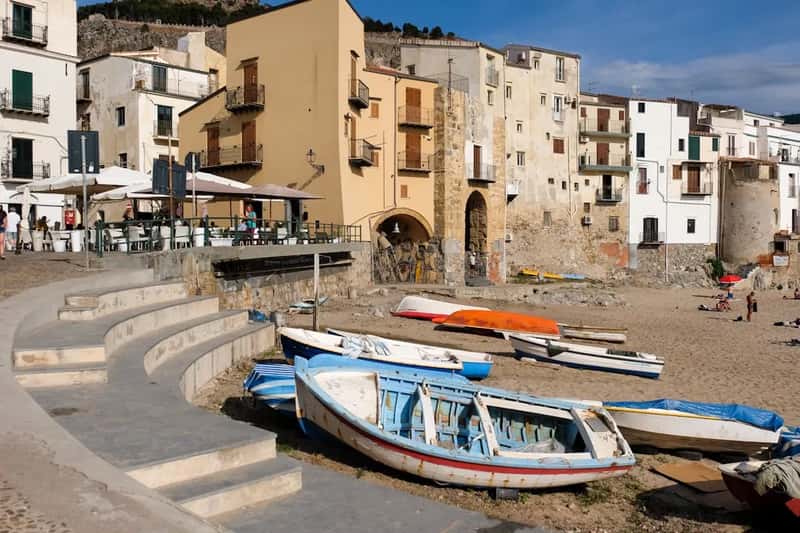
Sicily has long dealt with dry summers, but the scale of the 2024 shortage caught many by surprise. In cities like Agrigento, the summer brought a full-blown water crisis, forcing municipalities to deploy water trucks and enforce strict usage limits, measures that also hurt the tourism sector.
Agrigento sits close to the Valley of the Temples, one of Sicily’s biggest archaeological draws, which meant visitors arrived to find hotels rationing water even as they toured ancient ruins under the same Mediterranean sun that dried out the reservoirs. Local authorities have since pushed for upgraded pipelines and reservoir repairs, but much of Sicily’s water network is old, and leakage remains a persistent drain on whatever rain does fall.
Cyprus
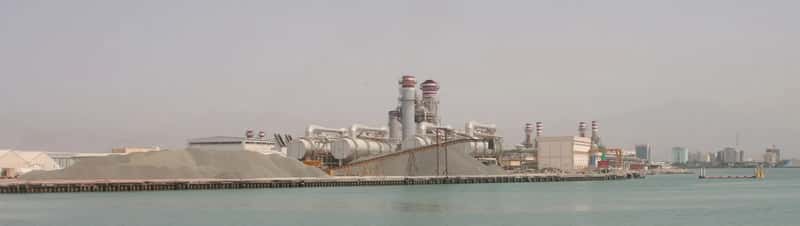
Cyprus depends heavily on desalination already, and rising visitor numbers during peak summer months keep testing that system’s limits. To get ahead of it, the Cypriot government has committed to investing three million euros in desalination plants for hotels over the next two years to address water shortages during peak tourist seasons.
The plan specifically targets properties that want to build their own small-scale desalination units rather than draw entirely from the national grid. The funding allows hotels interested in establishing their own facilities to help the island maintain an adequate water supply during periods of peak demand. It’s a practical fix, though it also underscores how much of Cyprus’s tourism economy now depends on turning seawater into drinking water rather than relying on natural supply.
Turkey
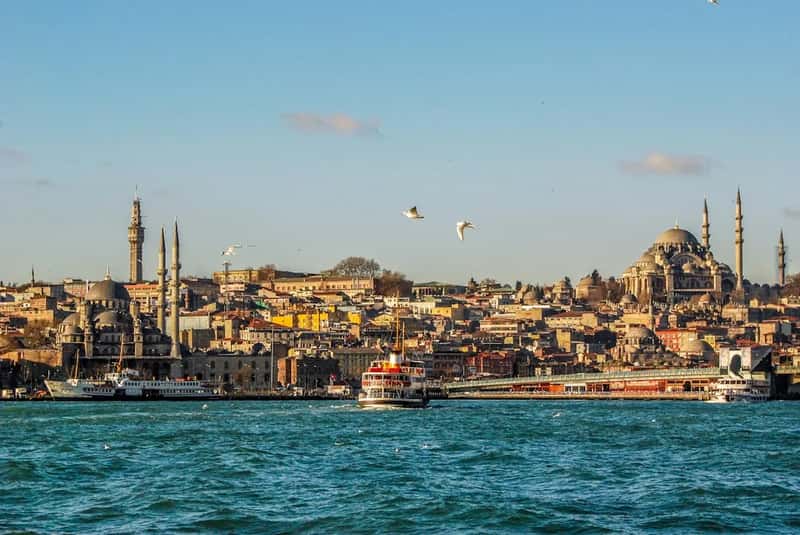
Turkey’s water crisis has moved well beyond isolated dry spells and into something closer to a national emergency. As of 2025, a severe water shortage has been taking place across the country, caused by climate change, ongoing droughts, mismanagement of water resources, and urban expansion.
The impact isn’t confined to farmland or industry. Reservoirs in major cities including Ankara, Istanbul, and İzmir, along with regions like the Konya Plain and southeastern Anatolia, have dropped to levels of less than 10 percent. Istanbul and the Aegean coast draw huge numbers of visitors each year, and with reservoirs that depleted, hotels in these regions have quietly begun adjusting laundry schedules, pool maintenance, and even guest amenities to stretch what supply remains.
Japan’s Mount Fuji Region and Gunma Hot Springs

Japan is not the country most people associate with water shortages, which is exactly why its 2026 Golden Week troubles stood out. A prolonged dry spell, ongoing since the previous summer, has caused severe water shortages for many of the country’s top tourist destinations, including the lakes and hot spring towns that anchor domestic tourism.
The Fuji Five Lakes area has seen water levels steadily decline, while in Gunma Prefecture the effects reached the region’s famous onsen. In the city of Tomioka, the shortage led to the drastic step of closing open-air baths, with facilities restricted to indoor bathing only since March, a move that significantly diminishes the traditional onsen experience. The knock-on effect has been steep: visitor numbers to some of these facilities have reportedly fallen to nearly 70 percent of the previous year’s levels.
What This Means for Travelers Going Forward
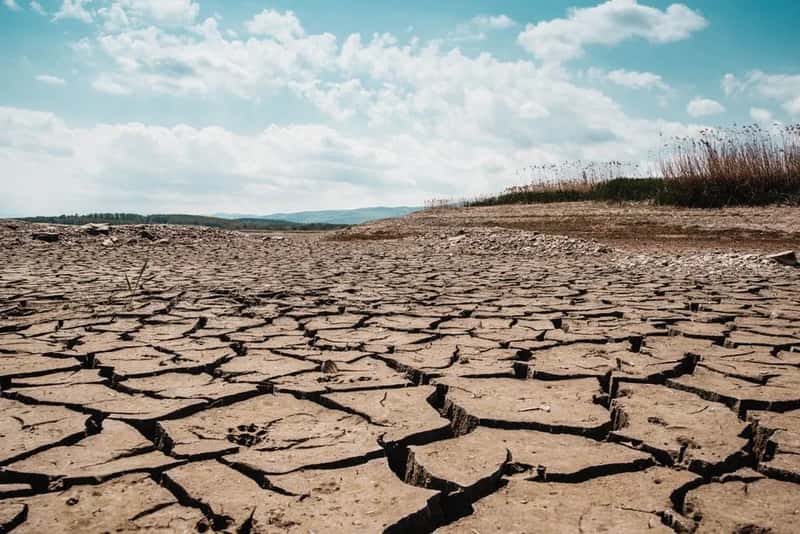
None of these seven destinations are disappearing off travel itineraries anytime soon, but the way visitors experience them is clearly shifting. Salty pool water in Greece, indoor-only bathing in Gunma, and water-use notices in Sicilian hotels are all small, visible signs of a much bigger structural issue playing out beneath the surface of the tourism industry.
What connects these places isn’t bad luck with weather, it’s the mismatch between how much water modern tourism demands and how much these regions naturally have to give. Desalination plants, cistern systems, and seawater pools are stopgaps rather than permanent solutions, and most experts studying these regions agree that lasting fixes will require rethinking how resorts are built and supplied, not just how guests are asked to behave during their stay.